
Tsukiji is still one of Tokyo’s most famous food destinations, but it is not always the best fit for every traveler. It can feel crowded, touristy, and more expensive than expected, especially if the goal is simply to enjoy good food in a lively local setting. The good news is that Tokyo has plenty of other places where you can snack as you walk, browse fresh produce and seafood, or soak up the energy of a busy neighborhood food street.
Some of these places are real markets. Others are shopping streets or food districts that deliver the same kind of experience people are usually looking for at Tsukiji: lots to see, lots to eat, and a more grounded everyday atmosphere. If you want market vibes, street food, and a stronger local feel, these seven alternatives are among the best choices in Tokyo.
1. Toyosu Market
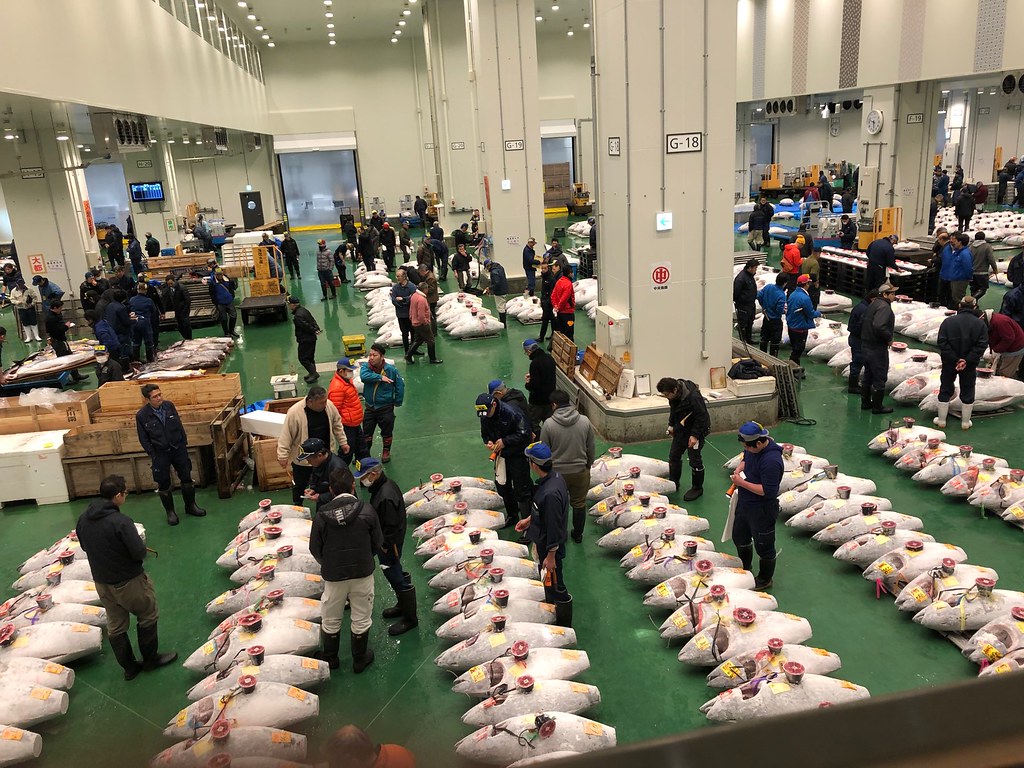
Toyosu Market is the most direct alternative to Tsukiji because this is where Tokyo’s main wholesale fish market moved. If you want a real market environment rather than just a food street, this is the strongest option. The scale is impressive, the seafood focus is serious, and the whole area feels tied to Tokyo’s professional food world rather than souvenir-driven browsing. It is also much more spacious and organized than old Tsukiji, which makes the experience easier and more comfortable for many visitors.
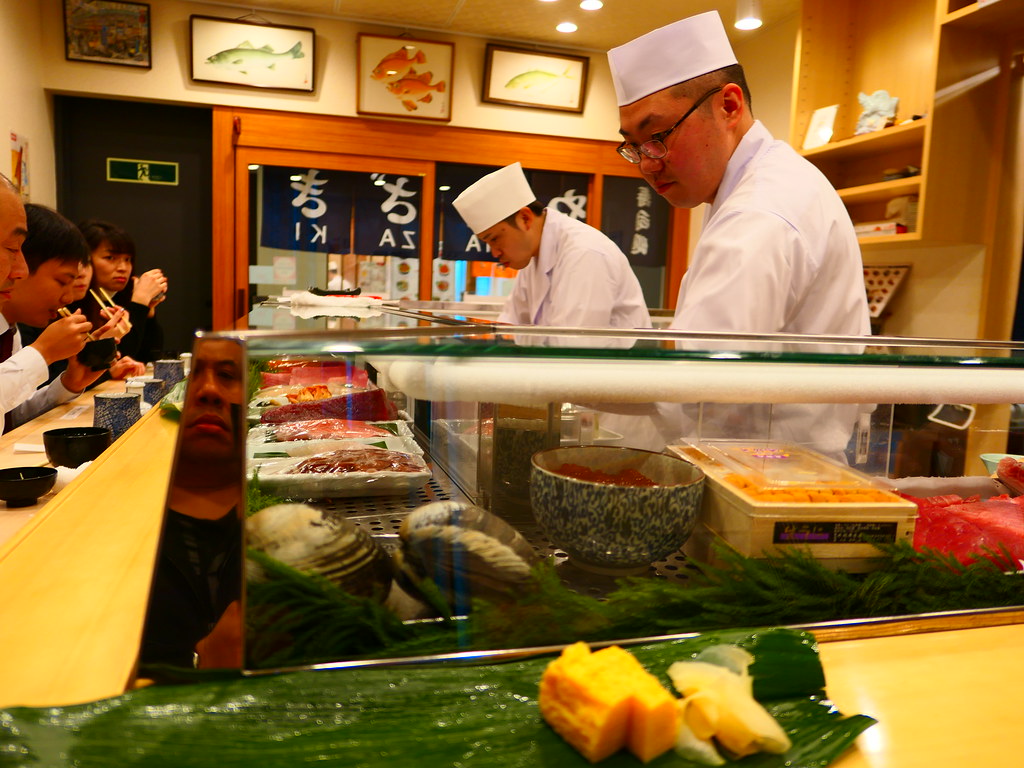
What makes Toyosu especially worth visiting is that it is not only about looking at the market from a distance. You can also eat very well here. It is one of the best places in Tokyo for a sushi breakfast or an early seafood lunch, and the overall experience feels more functional and more authentic to the city’s food culture. Compared with Tsukiji, it has less street chaos and less old-market charm, but it gives you a much clearer sense of Tokyo’s seafood world today.
2. Adachi Fish Market
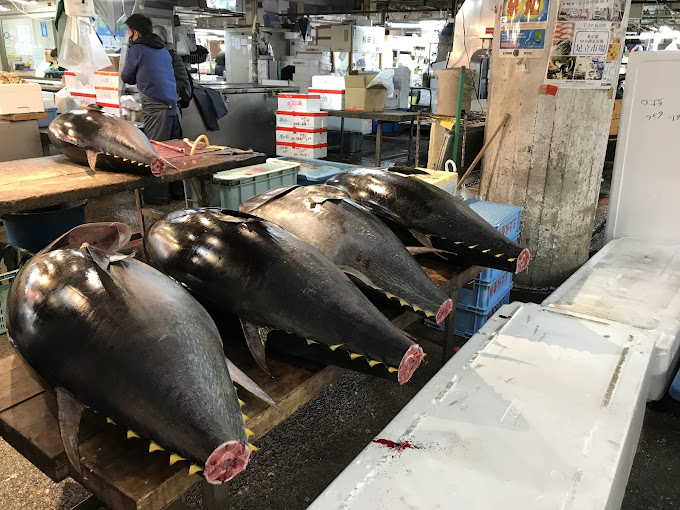
Adachi Fish Market is a great option for people who want something more local and less polished. This is a working fish market, not a place built around daily tourism, so the atmosphere feels much more real. When it opens to the public on market days, you get a chance to experience a side of Tokyo’s seafood trade that feels more everyday and less staged than the better-known central spots.
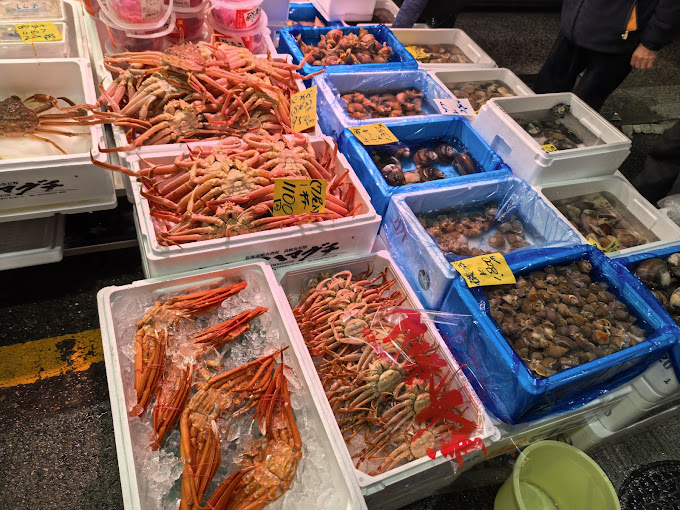
The appeal here is exactly that it feels less obvious. You are not coming for a famous postcard location. You are coming for a place connected to the actual rhythm of the city’s food distribution, with seafood, market activity, and a more down-to-earth atmosphere. Timing matters because it is not open to casual visitors every day, but if your schedule matches, it is one of the most interesting seafood experiences in Tokyo.
3. Ameyoko
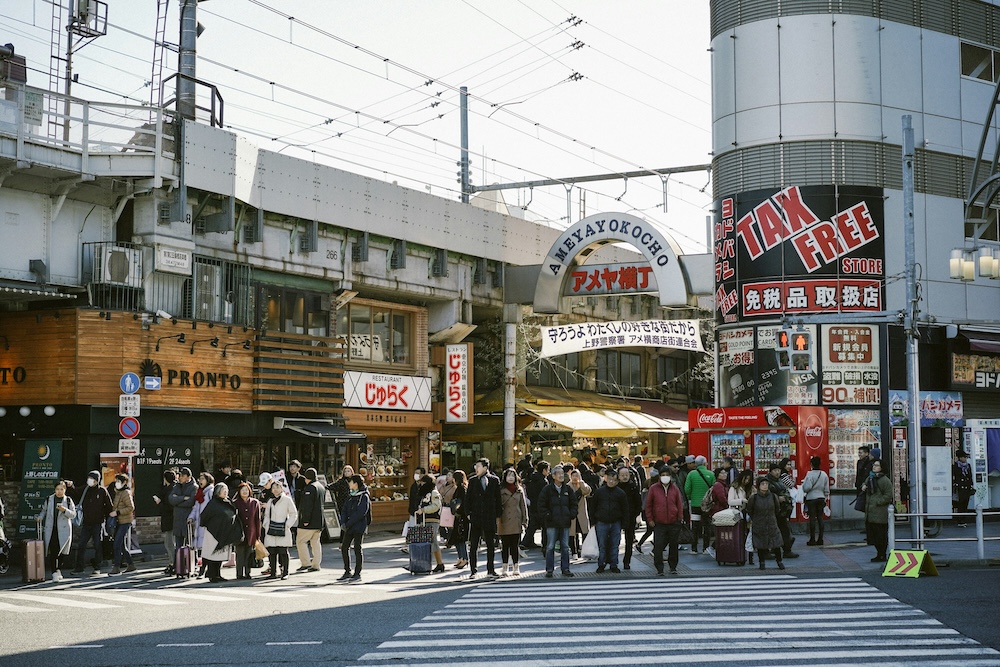
Ameyoko is one of the best overall alternatives to Tsukiji because it gives you the same feeling of movement, noise, food, and discovery, but in a broader and more local urban setting. Running between Ueno and Okachimachi, this busy market street is packed with shops and stalls selling everything from seafood and sweets to snacks, produce, spices, and casual street food. It feels lively, slightly chaotic, and very Tokyo.
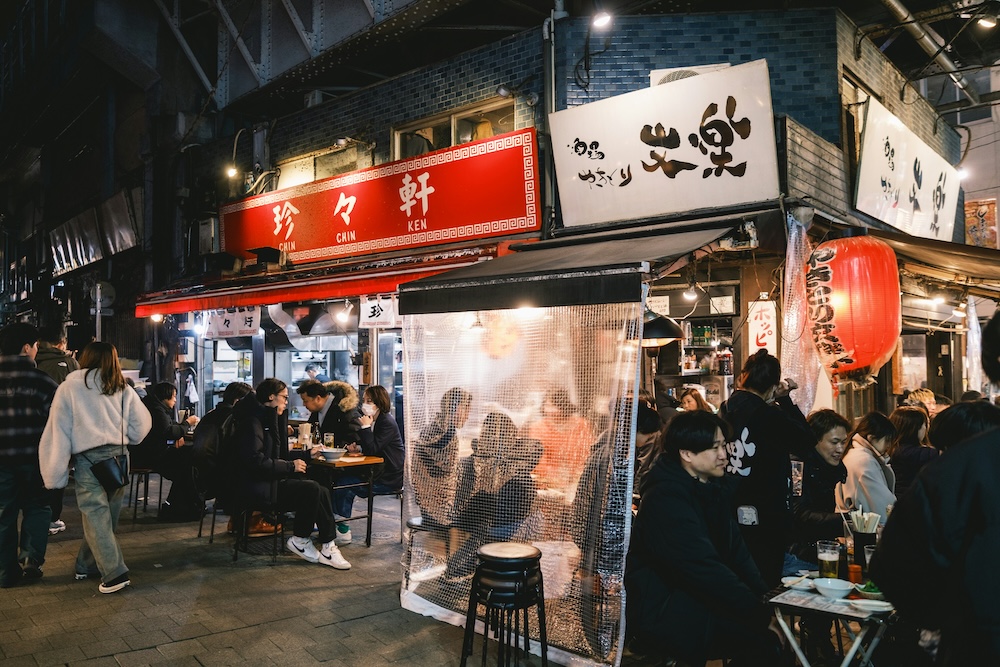
What makes Ameyoko especially good is that it offers much more variety than Tsukiji. If Tsukiji feels too narrow in focus or too centered on seafood and tourist spending, Ameyoko feels wider, rougher, and more everyday. You can snack, browse, and people-watch while enjoying a much more mixed atmosphere. Even a simple walk through the area feels entertaining because there is always something happening.
4. Sunamachi Ginza Shopping District
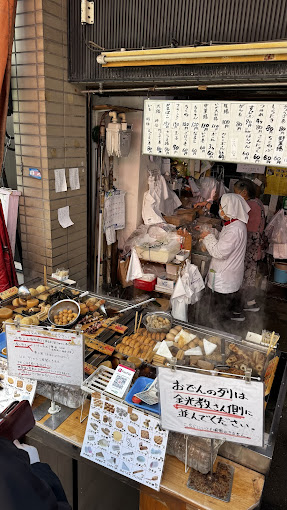
Sunamachi Ginza is one of the strongest alternatives if you want a food street that still feels deeply local. This long neighborhood shopping street in eastern Tokyo is known for its family-run shops, cheap snacks, and warm everyday energy. The atmosphere is very different from Tsukiji. Instead of crowds chasing famous food stalls, you get a place where locals come to pick up skewers, fried foods, side dishes, and small treats on the way home.
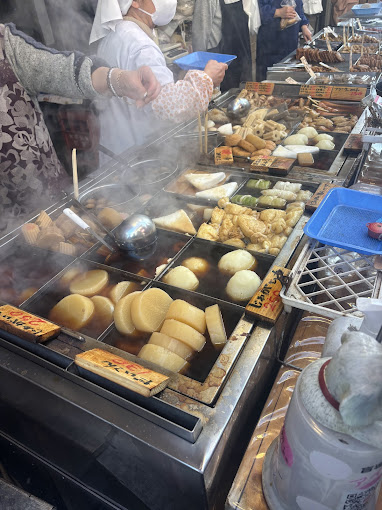
This is one of the best places in Tokyo for casual grazing. The prices are friendlier, the mood is more relaxed, and the experience feels much less commercial. If you like the idea of eating your way through a lively area but want somewhere that feels more natural and more connected to daily life, Sunamachi Ginza is one of the best places to go.
5. Togoshi Ginza
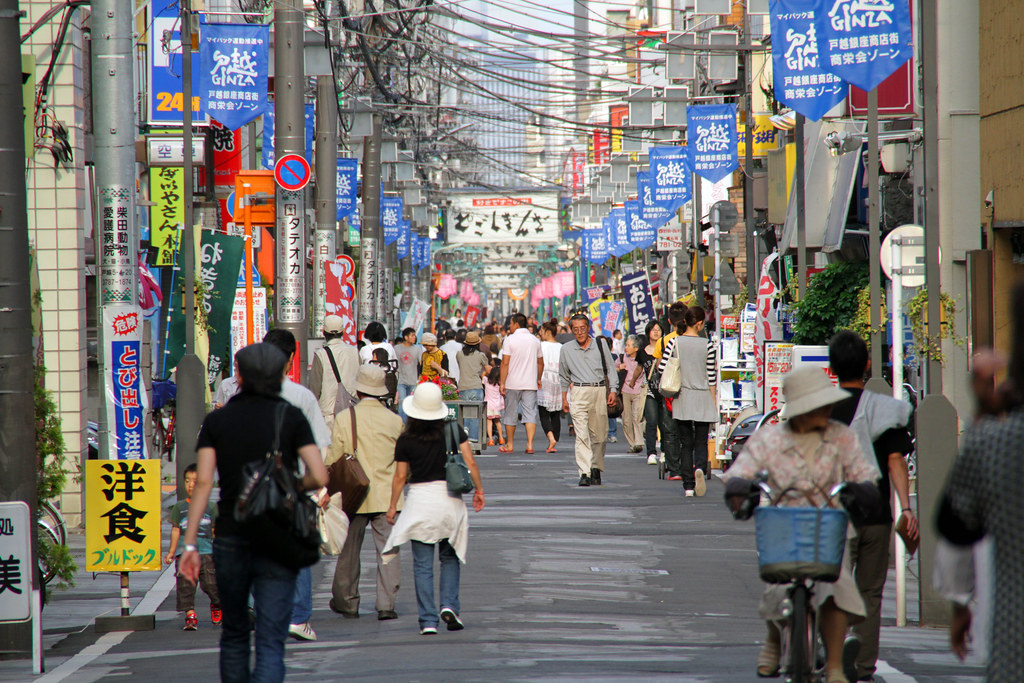
Togoshi Ginza is another excellent alternative for travelers who want food, energy, and a local shopping street atmosphere. It is one of Tokyo’s most famous shotengai, and it is especially enjoyable for casual snacking. Croquettes are one of the big draws here, but part of the fun is simply walking the street and stopping wherever something looks good.
Compared with Tsukiji, Togoshi Ginza feels more residential and more everyday. You are not coming here for tuna or seafood bowls. You are coming for the pleasure of strolling, trying easy takeaway food, and seeing how a lively Tokyo neighborhood shopping street actually works. It is a very good pick for travelers who care less about famous market branding and more about the simple pleasure of eating their way through a local area.
6. Yanaka Ginza
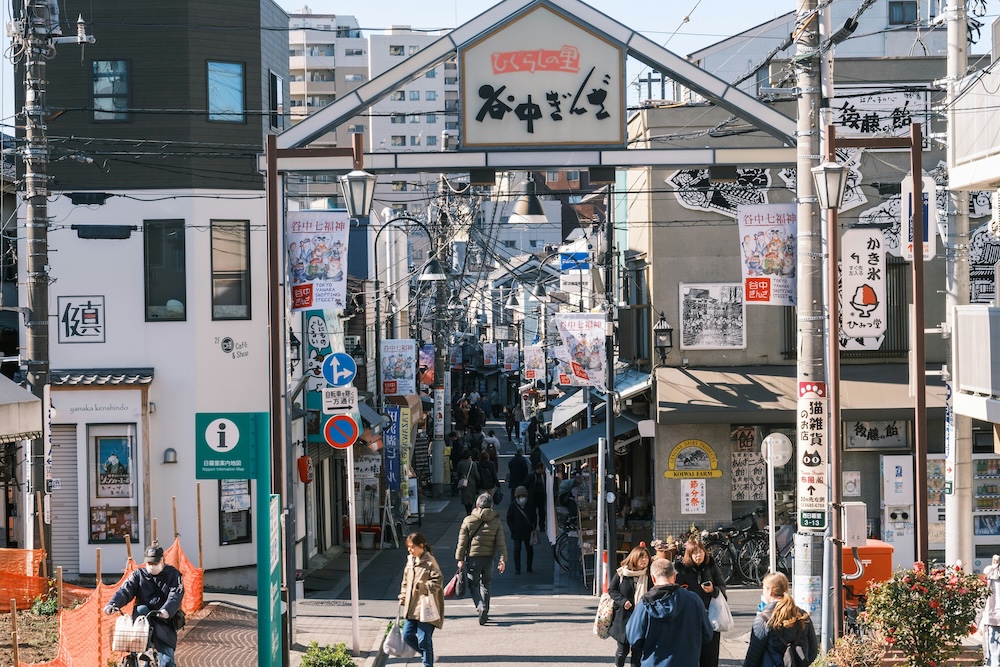
Yanaka Ginza is a great alternative for travelers who want food in a setting with more nostalgia and charm. The street is smaller than some of the others on this list, but that is part of what makes it appealing. It has a traditional old Tokyo feel, with independent shops, local snacks, and a slower pace that makes wandering especially enjoyable.
This is not the place to go if you want a loud seafood market atmosphere. It is the place to go if you want to snack, stroll, and enjoy a neighborhood that still feels warm and personal. As an alternative to Tsukiji, it works especially well for people who want character as much as food. The experience is less intense, but often more memorable because the setting has so much atmosphere.
All these locations are quite photogenic so if you want to create cool pictures while visiting them, feel free to hire a photographer in Tokyo with Photo Trips!
7. Shin-Okubo Koreatown
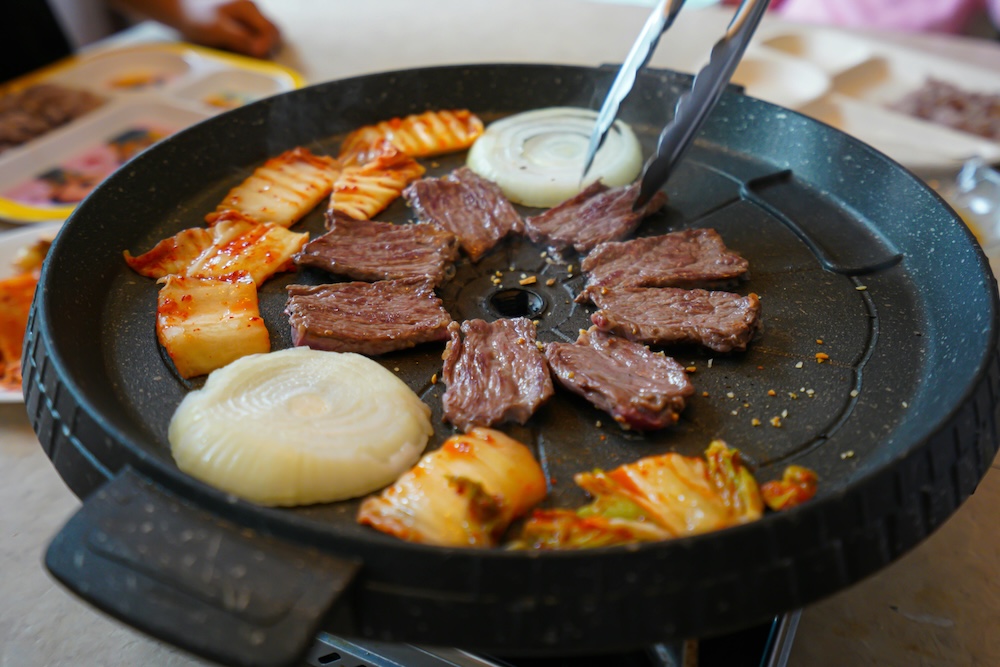
Shin-Okubo Koreatown is the best alternative on this list if what you really want is street food and energy rather than a traditional Japanese market. Around Shin-Okubo Station, the area is packed with trendy snacks, casual bites, desserts, barbecue spots, and grocery shops. It has a completely different identity from Tsukiji, but it delivers exactly what many visitors are actually looking for: a dense food district where trying different things as you walk is part of the experience.
This is a strong choice for younger travelers, food-focused visitors, or anyone who wants a more modern and high-energy atmosphere. The food scene is broad, the streets stay lively, and there is always something new to try. If Tsukiji feels too predictable or too tourist-centered, Shin-Okubo offers a very different kind of buzz while still giving you the pleasure of exploring a neighborhood through food.
Final thoughts
If Tsukiji feels too crowded, too touristy, or too expensive, Tokyo has no shortage of better options depending on the kind of experience you want. Toyosu Market is the best choice if you want a real seafood market environment. Adachi Fish Market offers a more local working-market feel when it is open to visitors. Ameyoko gives you classic market energy, while Sunamachi Ginza and Togoshi Ginza are better for local street food and everyday neighborhood atmosphere. Yanaka Ginza is ideal for old Tokyo charm, and Shin-Okubo Koreatown is perfect for travelers who want a vibrant food district with constant energy.
For most people, the best alternative depends on what they were hoping to get from Tsukiji in the first place. If it is seafood, Toyosu is the strongest replacement. If it is market atmosphere, Ameyoko works very well. If it is the chance to snack your way through a lively local area, Sunamachi Ginza, Togoshi Ginza, and Shin-Okubo are all better choices.