
Kyoto remains one of Japan’s most rewarding destinations, but during peak seasons it can also feel crowded, expensive, and harder to enjoy at a slower pace. If what you love about Kyoto is the sense of history, preserved architecture, traditional neighborhoods, temples, gardens, and old-world atmosphere, there are several other places in Japan that offer a similar feeling with more breathing room.
Some of these destinations are castle towns. Others are merchant quarters, samurai districts, or old post towns that still feel deeply connected to Japan’s past. What makes them so appealing is that they do not feel like second-best options. They are places worth visiting in their own right, and for many travelers they end up being more memorable precisely because the atmosphere feels calmer and more intact.
1. Kanazawa
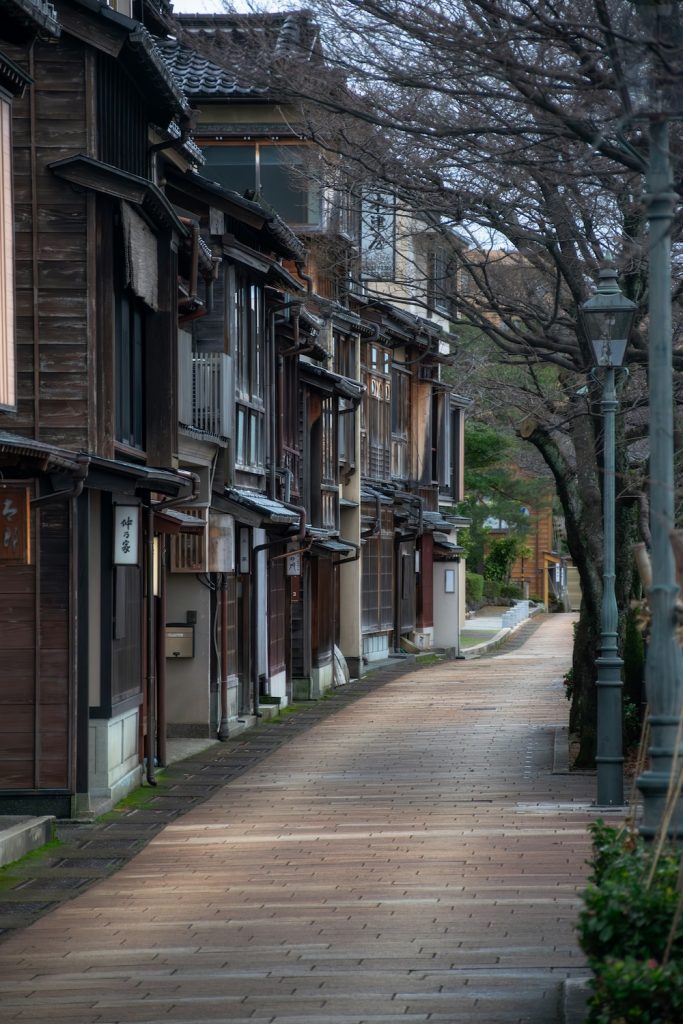
Kanazawa is one of the easiest alternatives to Kyoto because it offers so much of what travelers usually want from a traditional Japan trip. You have beautifully preserved geisha districts, one of the country’s most famous gardens, old samurai neighborhoods, and a strong sense of craftsmanship that still shapes the city. It feels elegant and historical, but also very manageable.
One of the best things about Kanazawa is how well everything comes together. You can spend time in Kenrokuen, walk through the Nagamachi samurai district, and later explore Higashi Chaya, where the old teahouse architecture still gives the area a refined atmosphere. The city feels cultured and polished, but it does not usually come with the same level of pressure that Kyoto can have in high season.
Stay at least two nights if you want to enjoy Kanazawa properly. It works much better at a slower pace than as a rushed stop. Go to Higashi Chaya early in the morning if you want a quieter atmosphere and better light for photos. If you are building a wider itinerary, Kanazawa also pairs very well with Takayama or Shirakawa-go.
2. Takayama
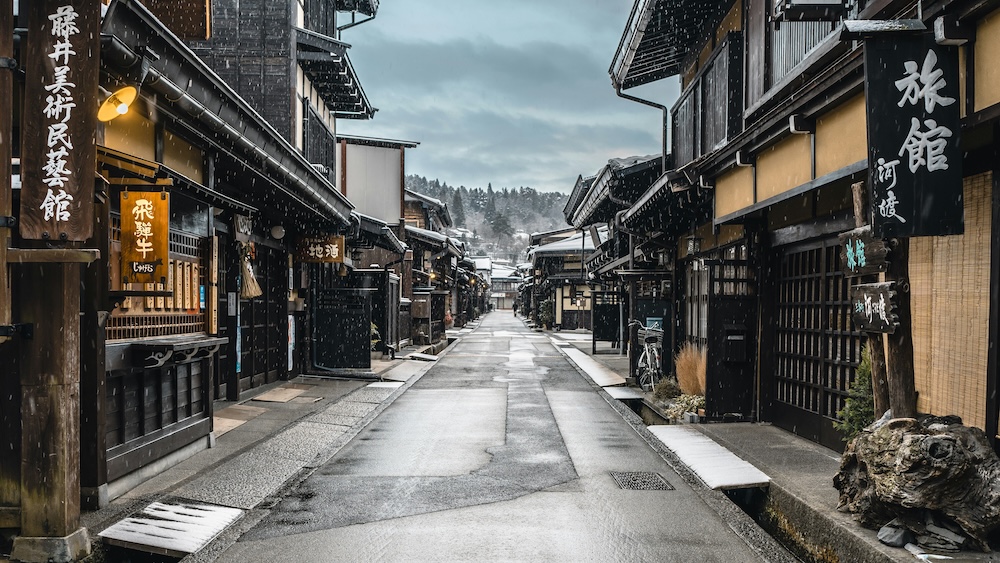
Takayama is a very strong choice if you want old Japan in a more intimate, mountain-town setting. Its historic center is lined with dark wooden merchant houses, sake breweries, and small traditional storefronts that make the whole area feel immersive rather than just decorative. It is one of the easiest places in Japan to enjoy simply by walking.
What makes Takayama especially rewarding is the setting. The mountain backdrop gives the town a completely different feeling from Kyoto, and that is part of the charm. The preserved streets are beautiful, but the town also feels grounded and lived-in. It has a stronger small-scale atmosphere, which makes the experience feel more personal.
Go out early in the morning before the streets get busier. That is when Takayama feels most atmospheric. Stay overnight rather than passing through for a few hours, and check whether your visit lines up with the morning markets. If you have extra time, pair Takayama with Shirakawa-go, but do not treat Takayama as just a base because the town itself deserves real time.
3. Kurashiki
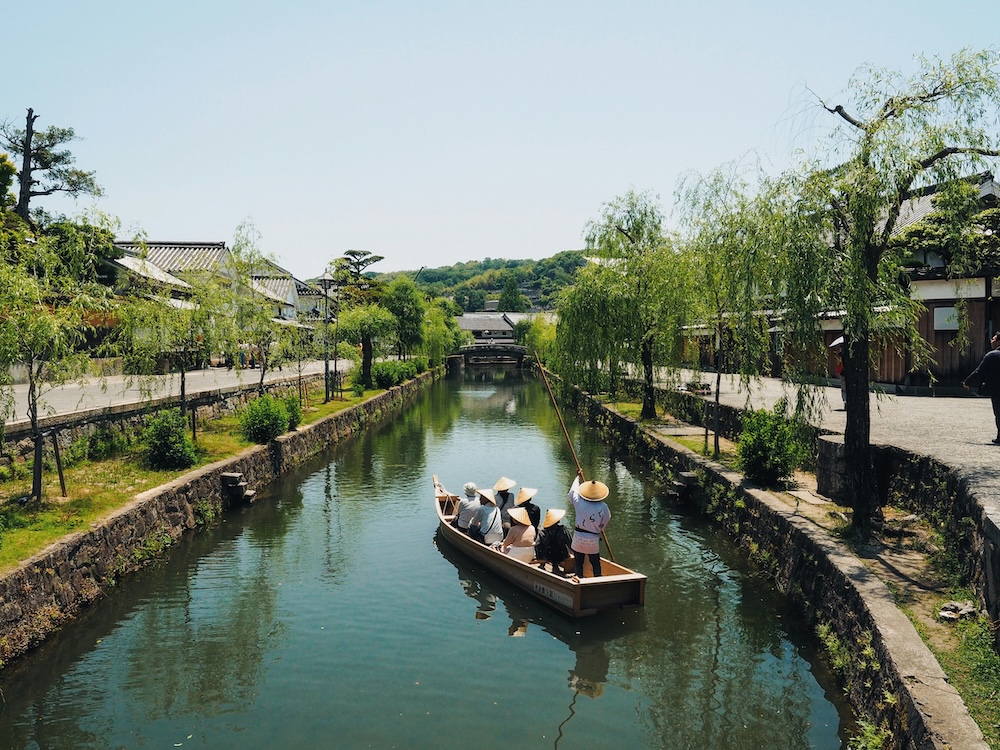
Kurashiki is one of the most visually beautiful alternatives to Kyoto. The Bikan Historical Quarter is built around a canal lined with willow trees, white-walled storehouses, stone bridges, and old merchant buildings. It feels elegant and atmospheric straight away, but it is much easier to enjoy than Kyoto during the busiest seasons.
What is especially nice about Kurashiki is how relaxed the experience feels. The area is compact, easy to walk, and ideal for travelers who want history without spending the day moving between scattered sights. The canal gives the district a softer and more graceful atmosphere than many other historical towns in Japan, and the whole area works very well for slow strolling.
Stay overnight if you can, because Kurashiki is particularly pleasant in the morning and evening once day visitors thin out. If you only have one day, arrive early and keep the pace slow rather than trying to cram in too much. Kurashiki also combines very easily with Okayama, so it works well if you want a historical stop without needing a complicated detour.
4. Kakunodate
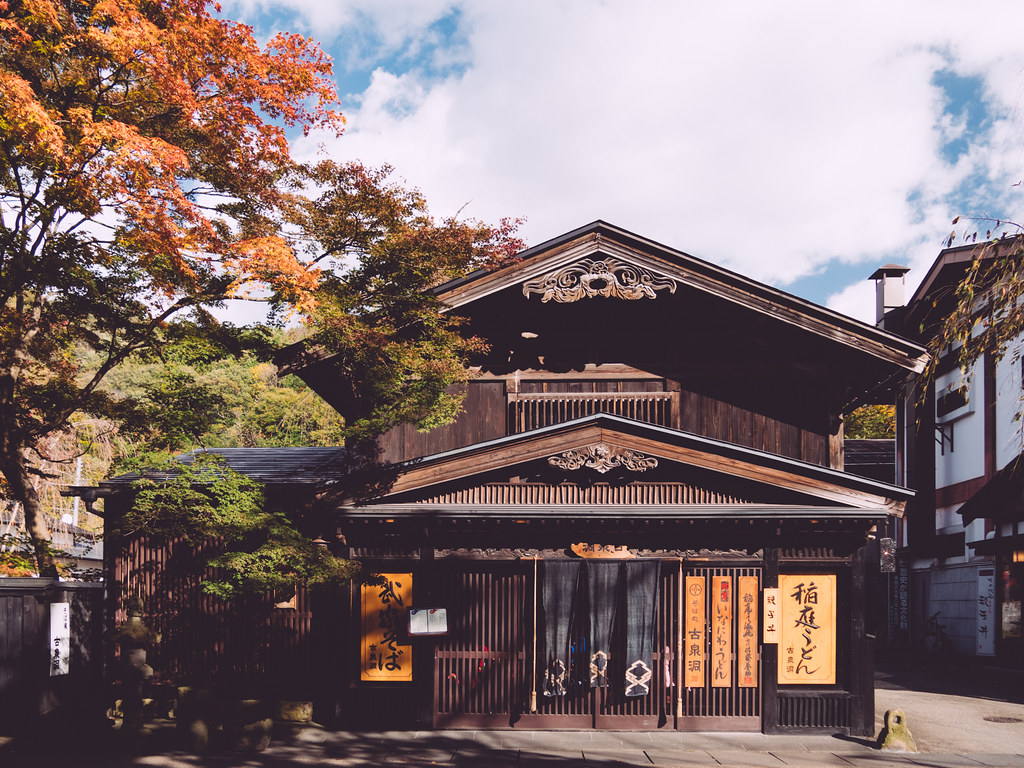
Kakunodate is one of the best places in Japan for travelers who are especially interested in samurai history and architecture. The town is known for its preserved samurai district, where the houses and compounds feel substantial and authentic rather than staged. It has a quiet confidence to it that makes it very rewarding for travelers who enjoy historical places with real depth.
What makes Kakunodate special is the atmosphere. The streets feel broad, calm, and dignified, and the preserved architecture gives the town a much stronger sense of structure than places that rely only on a few pretty facades. It is less about big sightseeing moments and more about the pleasure of walking through a place that still feels connected to its past.
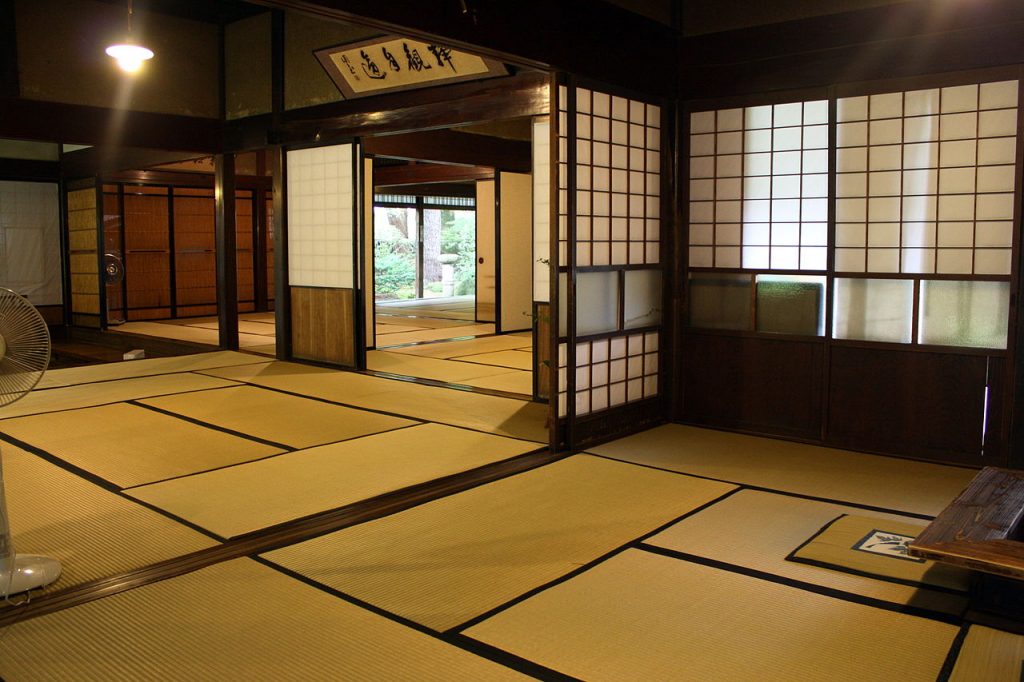
Give Kakunodate enough time to walk slowly and absorb the details. It is not a place to rush through. Cherry blossom season is especially famous here, so expect more visitors then, but outside that period it feels much quieter than Kyoto. Staying overnight is not essential, but it does help if you want a more relaxed visit and a chance to enjoy the town with fewer people around.
5. Hagi
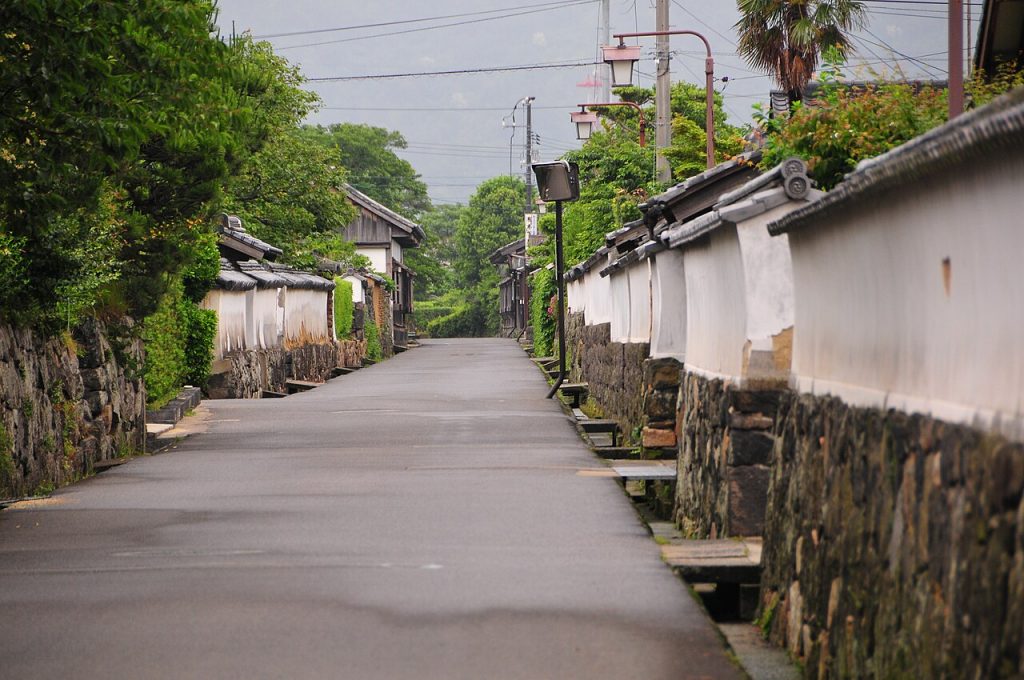
Hagi is one of the strongest options if you want somewhere that feels genuinely historical and still relatively overlooked. It is a well-preserved castle town with old samurai districts, traditional streets, waterways, and a pottery heritage that still gives the area a strong identity. It also carries real historical weight, which gives the visit more substance than a town that is only visually attractive.
What makes Hagi especially rewarding is that it feels deep rather than polished for tourism. You are not just visiting a few preserved corners. The town still makes sense as a historical place when you move through it. That gives it a stronger feeling of discovery, especially for travelers who have already seen the more obvious destinations.
Stay at least one night because Hagi is much better when you have time to explore without rushing. It is also less convenient to reach than places like Kanazawa or Takayama, so it makes more sense as a deliberate destination than as a quick add-on. This is one of the best choices for travelers who want history, atmosphere, and fewer international crowds.
6. Omi Hachiman
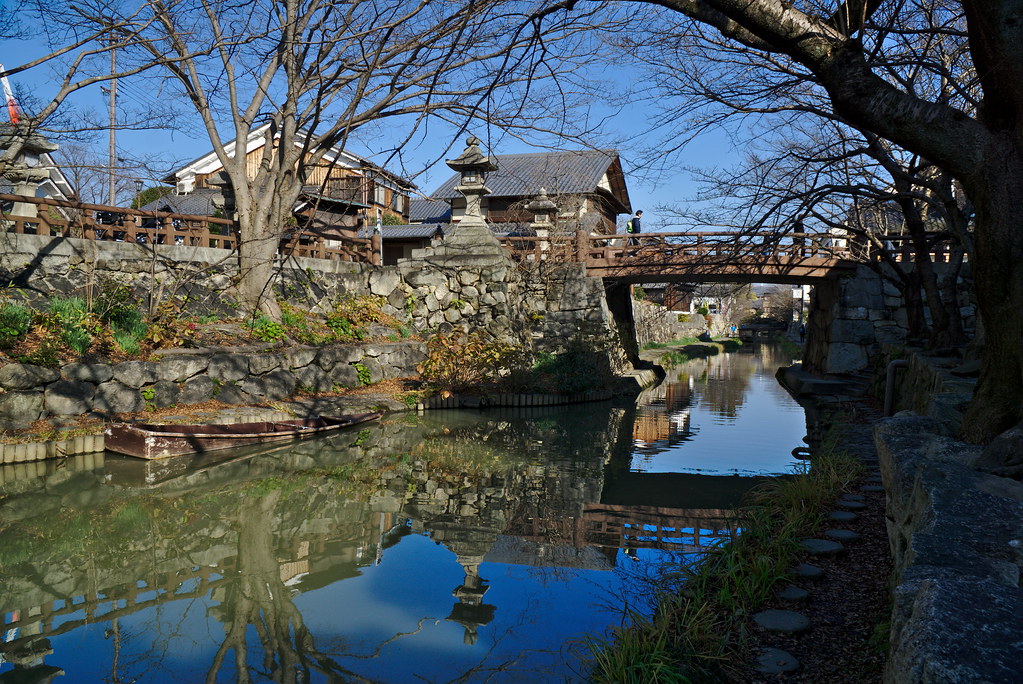
Omi Hachiman is a very good alternative if you want a traditional townscape without going too far from Kyoto. It is a former merchant town on the shores of Lake Biwa, and the canal area is the main highlight. The preserved streets, old buildings, and waterway give the town a very natural old-Japan atmosphere without feeling overly curated.
What is especially nice here is the pace. Omi Hachiman does not feel like a place that demands a checklist. It works best when you simply walk, enjoy the canal area, and take in the merchant-town character. That makes it a very appealing option for travelers who want something historical but easy and unrushed.
Come here if you want a slower day and do not want to travel too far. It works very well as an overnight stop, but also as a relaxed side trip if your schedule is tight. Try to walk around the canal area in softer morning or late afternoon light, when the town feels especially photogenic. If Kyoto feels too intense, Omi Hachiman is one of the easiest places to reset.
7. Tsumago and Magome
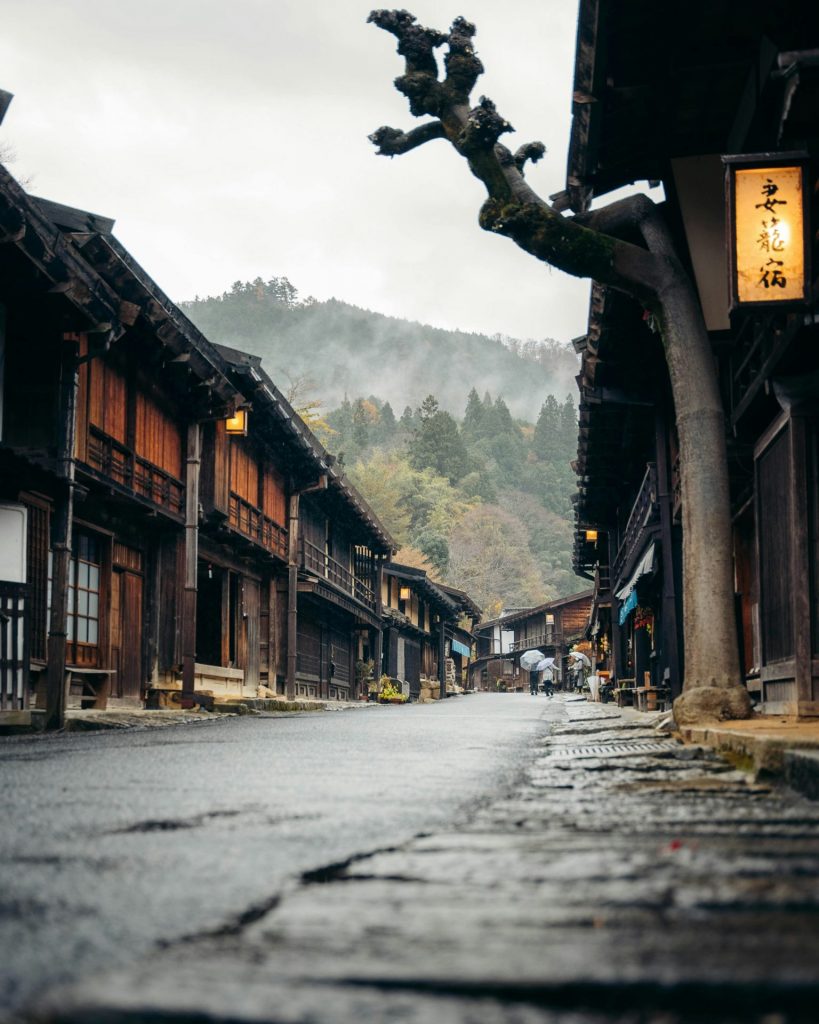
If you want to feel like you have stepped into old Japan, Tsumago and Magome are two of the best places in the country. These post towns on the old Nakasendo route between Kyoto and Edo remain beautifully preserved, with wooden inns, lantern-lined streets, and a strong sense of Edo-period travel culture. They are not cities, but they absolutely deliver the historical atmosphere many travelers first imagine when thinking about Japan.
What makes them especially memorable is not just the towns themselves, but the experience between them. Walking the trail that links Magome and Tsumago adds something that few other historical destinations can offer. Instead of simply arriving, taking a few photos, and leaving, you move through forests, small rural scenes, and old pathways in a way that makes the whole experience feel more immersive.
Stay overnight in one of the post towns if you want the best atmosphere. The streets feel much more special once most day-trippers have left. Wear comfortable shoes if you plan to walk between them, and do not underestimate how much more rewarding the visit becomes when you give yourself enough time to enjoy both the towns and the route between them. For travelers who want tradition, scenery, and a stronger sense of journey, this is one of the best alternatives to Kyoto anywhere in Japan.
Final thoughts
If Kyoto feels too crowded for the kind of trip you want, these seven places offer some of the best alternatives in Japan. Kanazawa is the strongest all-round choice if you want gardens, historical districts, and refined culture. Takayama and Kurashiki are especially good if you want traditional streets with a more relaxed atmosphere. Kakunodate and Hagi are stronger for travelers who care about samurai and castle-town history, while Omi Hachiman and Tsumago-Magome work beautifully if you want something slower and more atmospheric.
The best choice depends on what you love most about Kyoto. If it is elegance and historical variety, go to Kanazawa. If it is preserved streets and traditional townscapes, Takayama or Kurashiki are excellent. If you want somewhere that feels quieter, deeper, and more under the radar, Hagi and Kakunodate stand out. And if what you really want is to feel immersed in old Japan, Tsumago and Magome are hard to beat.
And if you are still want to visit Kyoto, you can check out list of the most photogenic places in Kyoto here.