
If you are planning a trip to Tokyo, there is a good chance you will hesitate between Shibuya and Shinjuku at some point.
Should you stay in Shibuya or Shinjuku? Which one is better for nightlife? Which one is better for photos? Where should you go shopping? Which area has better food? And if you only have limited time in Tokyo, which neighborhood should you prioritize?
To be honest, I don’t think there is one perfect answer.
Shibuya and Shinjuku are both amazing, but they are not amazing for the same reasons. One is not simply “better” than the other. I would say it depends more on what you are looking for and what kind of Tokyo experience you want to have.
That is why I wanted to write this guide a little differently.
Instead of giving you one general answer, I will compare Shibuya and Shinjuku by category. For each one, I will choose a clear winner, whether it is for night photography, where to stay, sightseeing, food, shopping, nightlife, safety, couples, or families.
Of course, this is only my personal opinion, and I am completely open to debate. You may prefer Shibuya for something I recommend Shinjuku for, or the opposite, and that is totally fine. Tokyo is a huge city, and everyone experiences it differently.
But as a photographer based in Tokyo, and after spending several years exploring, shooting, walking, eating, and working around both neighborhoods, I think I can give you an honest and practical comparison.
So here is my personal Shibuya vs Shinjuku guide, category by category.
Shibuya or Shinjuku for a Place to Stay? Winner: Shinjuku
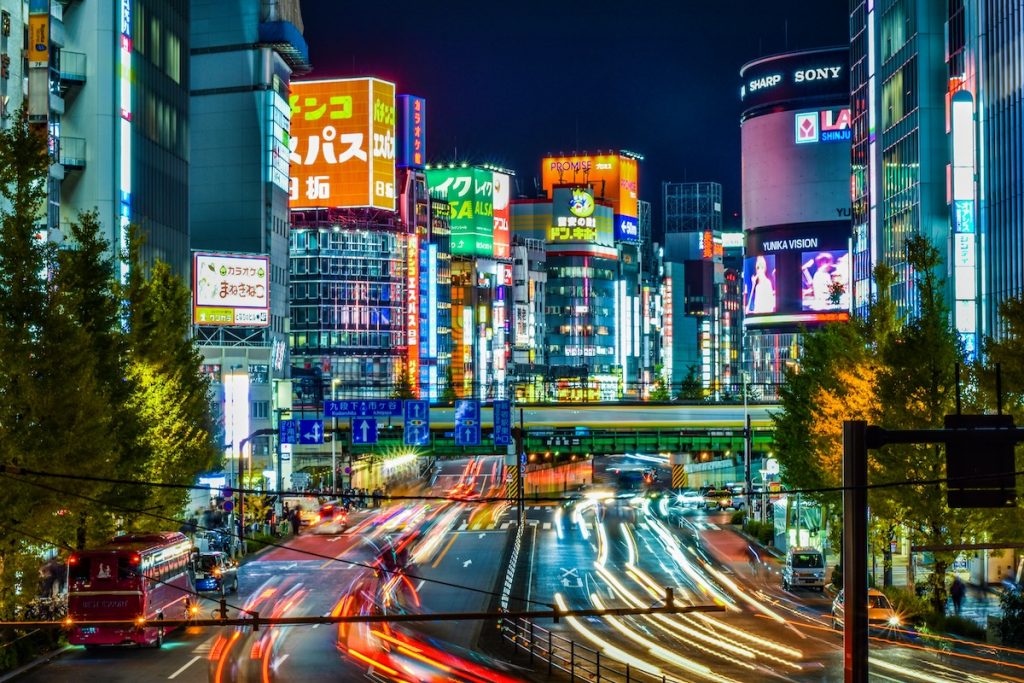
If I had to choose between Shibuya and Shinjuku for a place to stay in Tokyo, I would choose Shinjuku.
The main reason is simple: Shinjuku gives you more options.
Shibuya has great hotels too, of course, but Shinjuku is much bigger and more diverse when it comes to accommodation. You can find hostels, budget business hotels, mid-range hotels, and luxury hotels, so it works for many different types of travelers and budgets.
Another big advantage is transport. Shinjuku Station is one of the best-connected stations in Tokyo, which makes it very practical if you want to move around the city. From Shinjuku, you can easily reach places like Shibuya, Harajuku, Ginza, Asakusa, Ikebukuro, Nakano, Kichijoji, and many other areas.
You also do not necessarily need to stay directly next to Shinjuku Station. Even staying one station away can be a very smart option, because you still get easy access to Shinjuku without being in the middle of the busiest area.
That being said, Shinjuku is huge, and where you stay inside Shinjuku will really impact your experience.
If you want nightlife, bars, lights, and a very energetic Tokyo atmosphere, staying close to Kabukicho can be exciting. But if you want something calmer, I would recommend choosing a more residential side of Shinjuku, or staying slightly away from the main nightlife areas.
So for me, Shinjuku is the better place to stay overall, but you should choose your exact location carefully.
- Choose Shinjuku if: you want more hotel options, better transport, and a practical base to explore Tokyo.
- Choose Shibuya if: you prefer a trendier, younger atmosphere and want to stay close to areas like Harajuku, Omotesando, Daikanyama, and Ebisu.
Shibuya or Shinjuku for Night Photography? Winner: Shinjuku
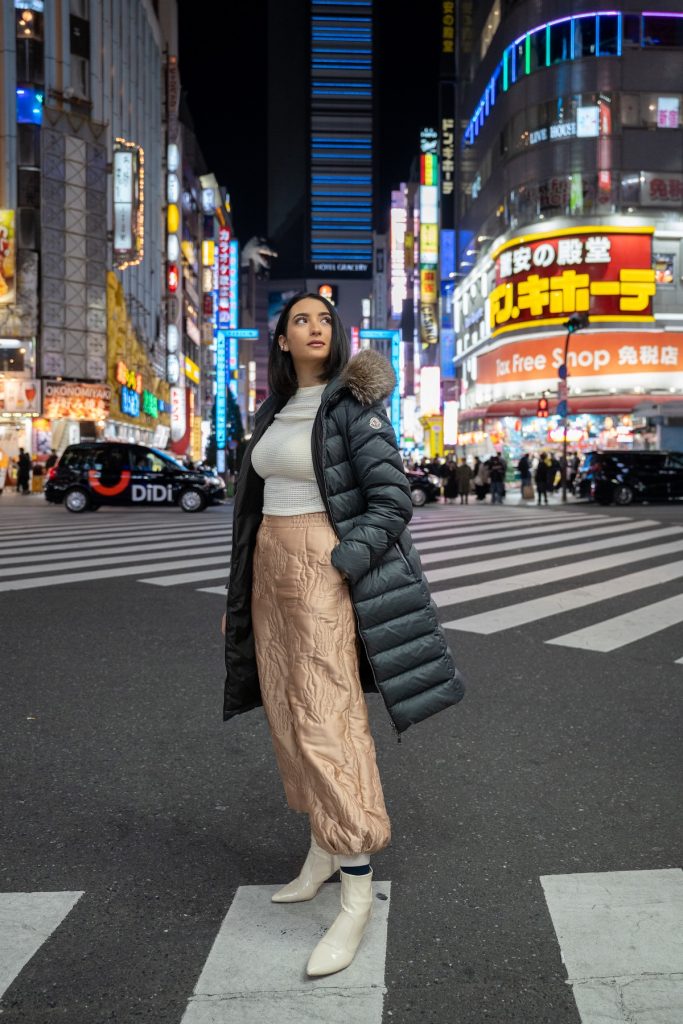
For night photography, and especially as a photographer, I would personally choose Shinjuku.
The main reason is variety.
Shibuya is definitely cool for night photos. Of course, you have Shibuya Crossing, which is one of the most iconic places in Tokyo. You also have Center Gai, Miyashita Park, the big screens, the lights, and many streets that can give you a very modern Tokyo feeling.
And to be clear, Shibuya is not only Shibuya Crossing. There are other great places to shoot there too.
But if I have to choose one neighborhood for night photography, I still prefer Shinjuku.
Shinjuku has a lot more variety in terms of photo spots. You can find the urban neon lights that people usually imagine when they think about Tokyo at night, especially around Kabukicho and the streets near the station. But at the same time, you also have places that feel more traditional and more Japanese in atmosphere, like Omoide Yokocho and Golden Gai.
That mix is what makes Shinjuku so strong.
In one photoshoot, you can go from bright neon streets to narrow alleyways, from modern city lights to more nostalgic Japanese-style corners. Because Shinjuku is also a very big area, if you know where to walk, you can find many different moods without needing to take a train to another neighborhood.
This is also why I wrote a full guide about the best night photo spots in Shinjuku. When you start exploring the area seriously, you quickly realize that there are many places to shoot, not only one or two famous spots.
So yes, Shibuya is great, especially if you want iconic Tokyo photos around the crossing and big screens. But for me, Shinjuku is better for night photography because it offers more variety, more atmosphere, and more opportunities to create different types of images.
- Choose Shinjuku if: you want neon lights, cinematic streets, traditional-looking alleys, and more variety for night photography.
- Choose Shibuya if: you want iconic modern Tokyo photos around Shibuya Crossing, big screens, and a younger city atmosphere.
If you want to take cool pictures of you in either Shibuya or Shinjuku, make sure you check our available photo tours in Tokyo with pro photographers! You will find a lot of different styles and we made it easy to hire a photographer in just few clicks!
Shibuya or Shinjuku for Sightseeing? Winner: Shinjuku
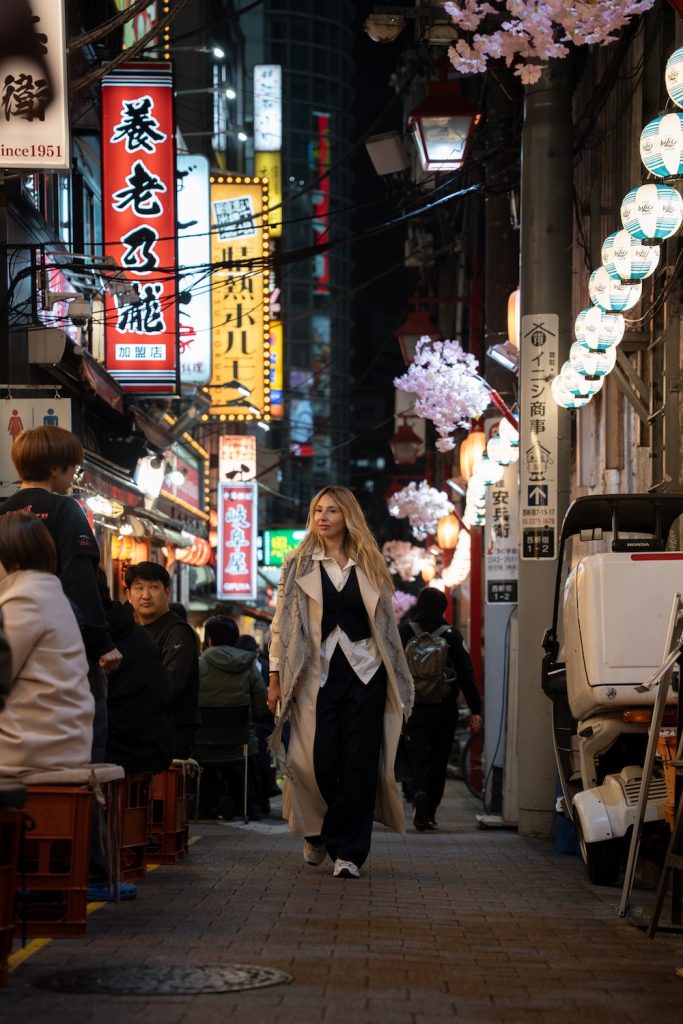
For sightseeing, I would also choose Shinjuku.
And honestly, I am not saying this because I am particularly a Shinjuku fan. So far, Shinjuku wins all categories, but in this case, I really think it deserves it.
The reason is that Shinjuku has many sightseeing spots that are very different from one another, and many of them are within walking distance.
We already talked about areas like Kabukicho, Golden Gai, and Omoide Yokocho. These places are great if you want to experience the nightlife, neon lights, small bars, and old-school Tokyo alley atmosphere.
But Shinjuku is not only about nightlife.
You can also visit the Tokyo Metropolitan Government Building, which has one of the best free viewpoints in Tokyo. From there, you can enjoy a beautiful panoramic view of the city, and on a clear day, you may even see Mount Fuji.
Then you have Shinjuku Gyoen, which is one of the most beautiful gardens in Tokyo. What I like about Shinjuku Gyoen is that it gives you a completely different feeling from the rest of the neighborhood. You are in the middle of one of the busiest urban areas in Tokyo, but suddenly you can walk inside a peaceful park with wide lawns, seasonal flowers, and a beautiful Japanese garden area.

You can also visit Hanazono Shrine, which is very close to Golden Gai. It is a beautiful shrine and a nice contrast to the busy streets around it. This is exactly what makes Shinjuku interesting: in one neighborhood, you can move from neon streets to a traditional shrine, from small drinking alleys to a quiet garden, and from busy shopping areas to a free city viewpoint.
Shibuya also has famous sightseeing spots, of course. You have Shibuya Crossing, the Hachiko Statue, Shibuya Sky, Miyashita Park, and many cool streets around the station.
But if you want to visit more popular sightseeing places, you often need to go a bit outside Shibuya, toward Harajuku, Meiji Shrine, Yoyogi Park, Omotesando, or Daikanyama. These areas are not far, but they are not really concentrated inside Shibuya in the same way.
So for sightseeing, I think Shinjuku is stronger because it has more variety in one place, and many of its best spots are easy to connect on foot.
- Choose Shinjuku if: you want a mix of viewpoints, gardens, shrines, neon streets, nightlife areas, and classic Tokyo scenery in one neighborhood.
- Choose Shibuya if: you want iconic modern Tokyo spots like Shibuya Crossing, Hachiko, Shibuya Sky, and easy access to Harajuku or Omotesando.
Shibuya or Shinjuku for Day Trips and Transport? Winner: Shinjuku
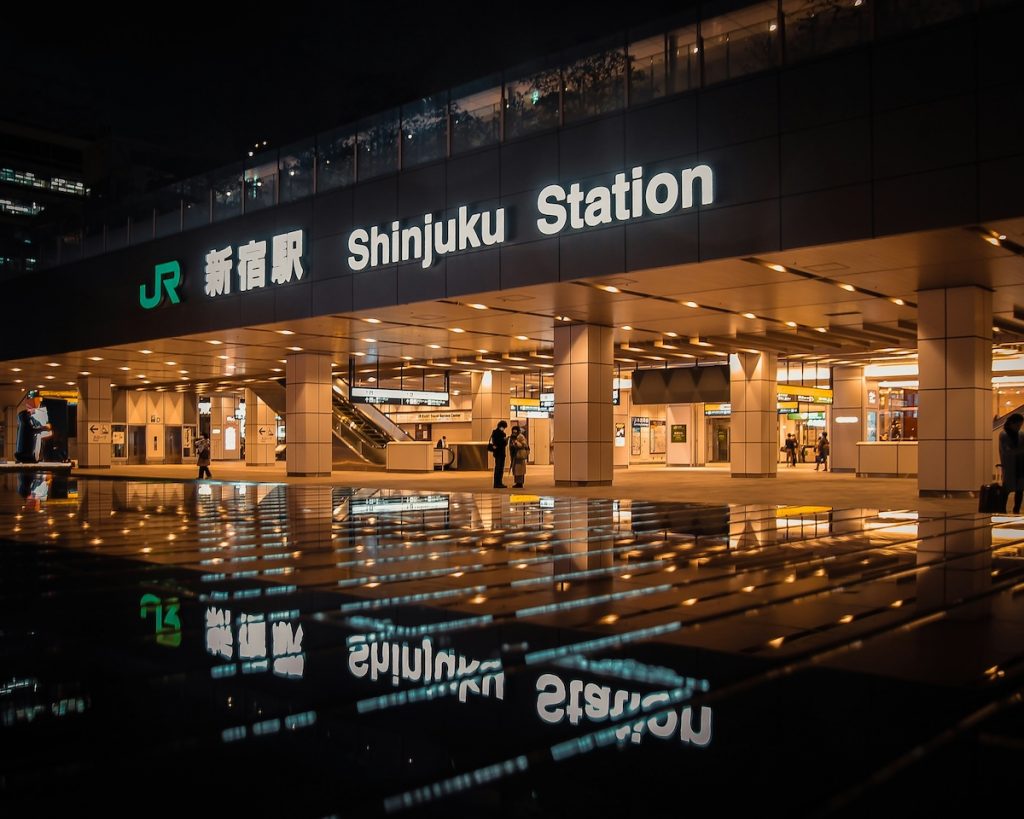
For day trips and transport, I think there is no real debate: Shinjuku wins.
Shibuya is still very well connected, of course. From Shibuya, you can easily go to areas like Harajuku, Omotesando, Ebisu, Daikanyama, Nakameguro, and other neighborhoods on the southwest side of Tokyo. It is a very convenient station, and if your trip is more focused on stylish neighborhoods, cafes, fashion, and modern Tokyo, Shibuya can be a great base.
But Shibuya cannot really compete with Shinjuku when it comes to overall transport and day trips.
Shinjuku Station is one of the most important transport hubs in Tokyo, and it is officially recognized as the busiest railway station in the world. That alone tells you how central and connected this place is.
Personally, I also really like the Odakyu Line, and this is one of the big reasons why Shinjuku is so convenient. From Shinjuku, the Odakyu Line can take you to Shimokitazawa, but also much further to places like Enoshima and Hakone. So if you are planning a day trip outside Tokyo, this line is very useful.
You also have the Keio Line, which can take you to Mount Takao, one of the easiest mountain day trips from central Tokyo. From Shinjuku, you can also reach places like Kawagoe and Saitama in general, depending on the route you choose.
Inside Tokyo, Shinjuku is also great for reaching cool neighborhoods like Kichijoji, Nakano, Koenji, and many other areas that travelers sometimes miss on a first trip.
Another major advantage is the Shinjuku Expressway Bus Terminal. From there, you can take highway buses to Mount Fuji, Kawaguchiko, and other places around the Fuji Five Lakes area, which makes Shinjuku very practical if you want to explore beyond Tokyo without making your itinerary too complicated.
So for me, Shinjuku clearly wins this category. Shibuya is convenient and very well connected for certain parts of Tokyo, especially the southwest side. But for transport flexibility, day trips, train options, and highway buses, Shinjuku is on another level.
- Choose Shinjuku if: you want the best transport hub, easier day trips, access to Hakone, Mount Takao, Mount Fuji, Kawaguchiko, and many neighborhoods across Tokyo.
- Choose Shibuya if: your trip is mostly focused on Harajuku, Omotesando, Daikanyama, Ebisu, Nakameguro, and the stylish southwest side of Tokyo.
Shibuya or Shinjuku for the Best Food Options? Winner: Shibuya
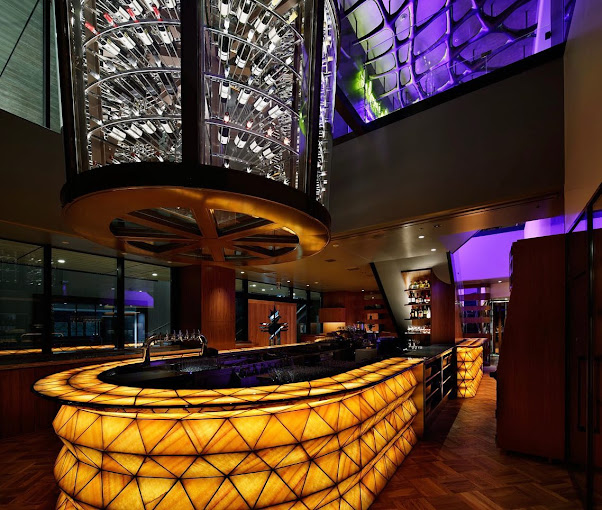
For the best food options and restaurants, I would personally choose Shibuya.
And yes, congratulations to Shibuya, this is its first win in this battle.
To be honest, this is a tight decision because Shinjuku also has many great places to eat. You can find ramen, izakaya, yakiniku, sushi, department store restaurants, late-night food, and many different styles of Japanese food around Shinjuku. It is definitely not a weak food area.
But if I have to choose one, I would still go with Shibuya.
The reason is that Shibuya feels a bit more modern, stylish, and clean when it comes to restaurants. You have many trendy places, good cafes, stylish dining spots, and also a lot of international food. So if you are in Tokyo but suddenly want Italian food, Western food, or something a bit different from traditional Japanese restaurants, Shibuya gives you many options.
That does not mean Shibuya is only good for international food. You can also find plenty of Japanese food there, from ramen to sushi, izakaya, yakiniku, and more traditional-style restaurants.
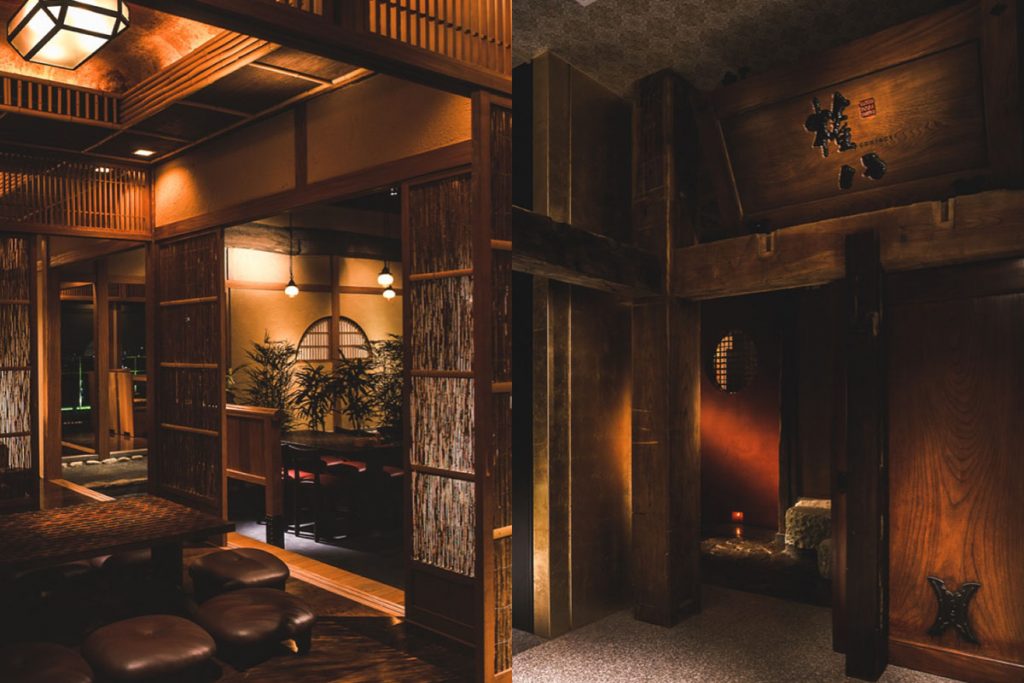
For example, Gonpachi in Shibuya is a good option if you want a restaurant with a more traditional Japanese atmosphere. You also have easy and casual options like ramen shops and sushi chains such as Sushizanmai, which can be practical if you want something simple and reliable.
What I like about Shibuya is that the food scene feels very flexible. You can go for something casual, trendy, international, traditional, or more stylish depending on your mood. It is a good area if you are traveling as a couple, with friends, or if you want to combine dinner with shopping, nightlife, or a walk around the city.
So even though Shinjuku has a huge food scene and a lot of variety, I would personally give this category to Shibuya because the restaurant atmosphere feels a bit more modern, cleaner, and more stylish overall.
- Choose Shibuya if: you want stylish restaurants, trendy cafes, international food, and a modern dining atmosphere.
- Choose Shinjuku if: you want maximum density, late-night food, izakaya, ramen, and a more chaotic Tokyo food scene.
Shibuya or Shinjuku for Bars and Clubbing? Winner: Shibuya
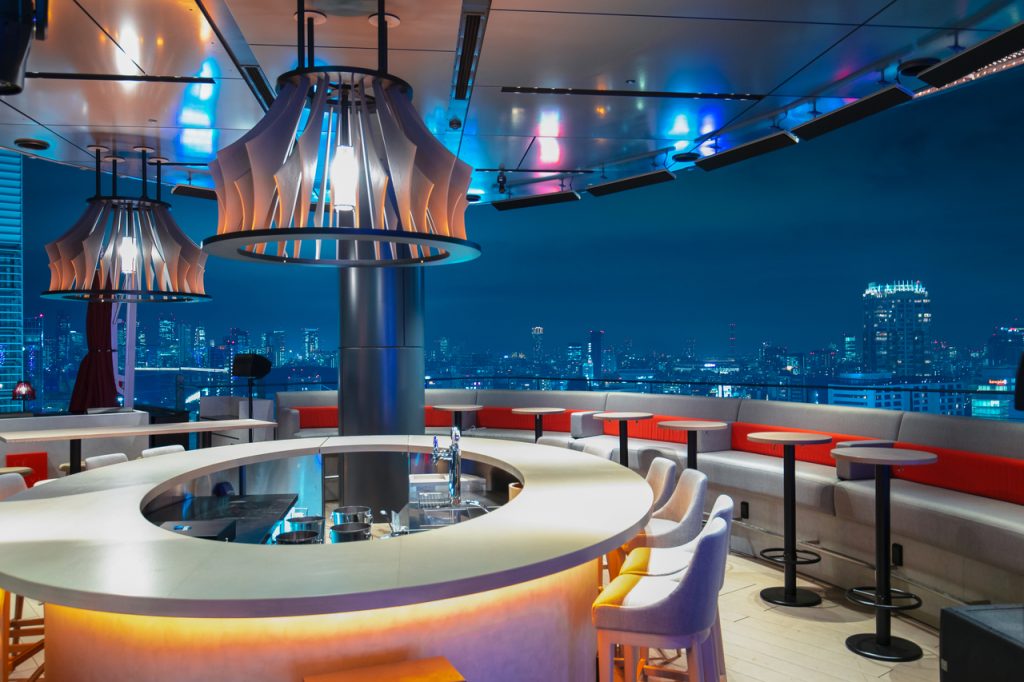
For bars and clubbing, or more generally for a night out with friends, I would personally choose Shibuya.
This is another close one, because Shinjuku obviously has a lot of nightlife too. You have Omoide Yokocho, Golden Gai, Kabukicho, small bars, izakaya, and plenty of places where you can drink late at night. If you want a very chaotic, intense, neon Tokyo night out, Shinjuku can be great.
But personally, I prefer Shibuya.
For me, areas like Omoide Yokocho, Golden Gai, and Kabukicho can feel a bit too tight, too crowded, and too wild. There are a lot of people, the streets can be narrow, and the atmosphere can become very chaotic. Some people love that vibe, and I completely understand why. It also depends on your age, your travel style, and what kind of night you want.
But if I have to choose for myself, I find Shibuya cooler, younger, and more stylish for a night out.
One place I really like is CÉ LA VI Tokyo in Shibuya. It can work as a bar, lounge, or club depending on the time and the day, especially during the weekend. What makes it special is the terrace. You can enjoy drinks with a beautiful city view, and you can even see Shibuya Crossing from there. If you go in the late afternoon or around sunset, the view can be really beautiful.
If you want something closer to the Golden Gai or Omoide Yokocho vibe but in Shibuya, you also have Shibuya Yokocho inside Miyashita Park. It is not old in the same way as Golden Gai or Omoide Yokocho, because it is part of a newer development, but it still has that casual yokocho-style feeling with many small places to eat and drink.
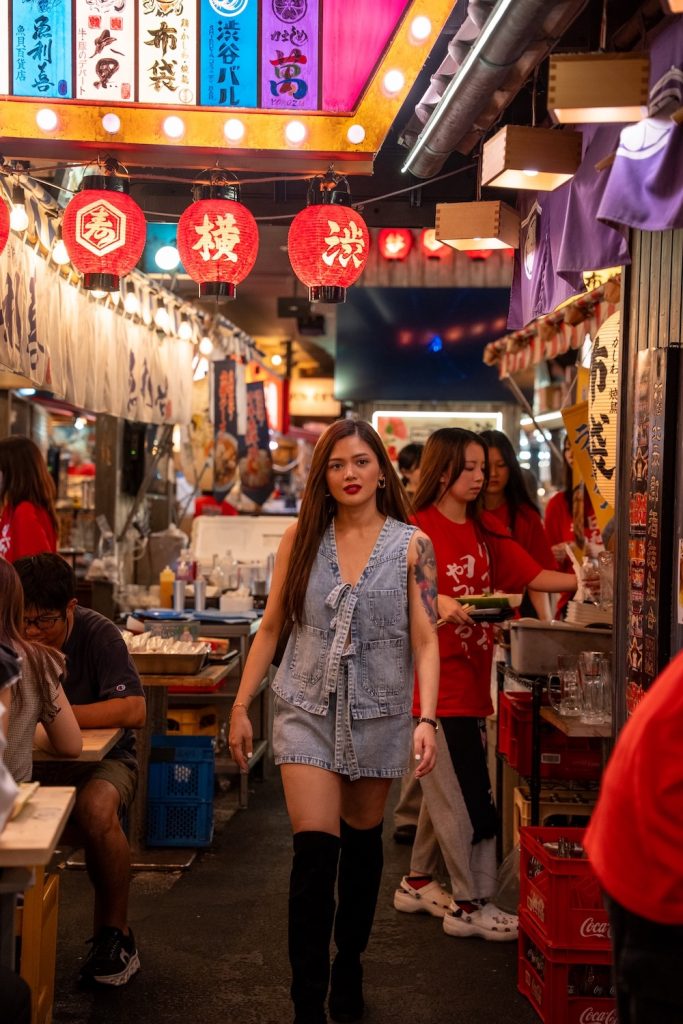
What I like about Shibuya Yokocho is that it also has a big outdoor area. When the weather is good, I personally love staying outside, having drinks, and enjoying the atmosphere. Since the outdoor space is quite large, you also have a better chance of finding a table and sitting down outside.
Shibuya is also full of small hidden bars with cool interiors and nice music. One of my favorites is Sound Bar HOWL, but this is just one example. There are many more places like this around Shibuya, especially if you enjoy discovering smaller bars instead of only going to the most obvious nightlife streets.
So for me, Shibuya wins for bars and clubbing. It feels more stylish, a bit younger, and a little easier to enjoy without the intense chaos of Shinjuku.
Again, this is a very personal choice. If you love tiny bars, chaotic alleys, and a more intense Tokyo nightlife atmosphere, you may prefer Shinjuku. But for my kind of night out, I would choose Shibuya.
- Choose Shibuya if: you want stylish bars, rooftop views, clubs, music bars, hidden spots, and a younger nightlife atmosphere.
- Choose Shinjuku if: you want Golden Gai, Omoide Yokocho, Kabukicho, tiny bars, and a more chaotic Tokyo night out.
You May Also Like: Things to Do in Shibuya by Night
Shibuya or Shinjuku for Safety? Winner: Shibuya
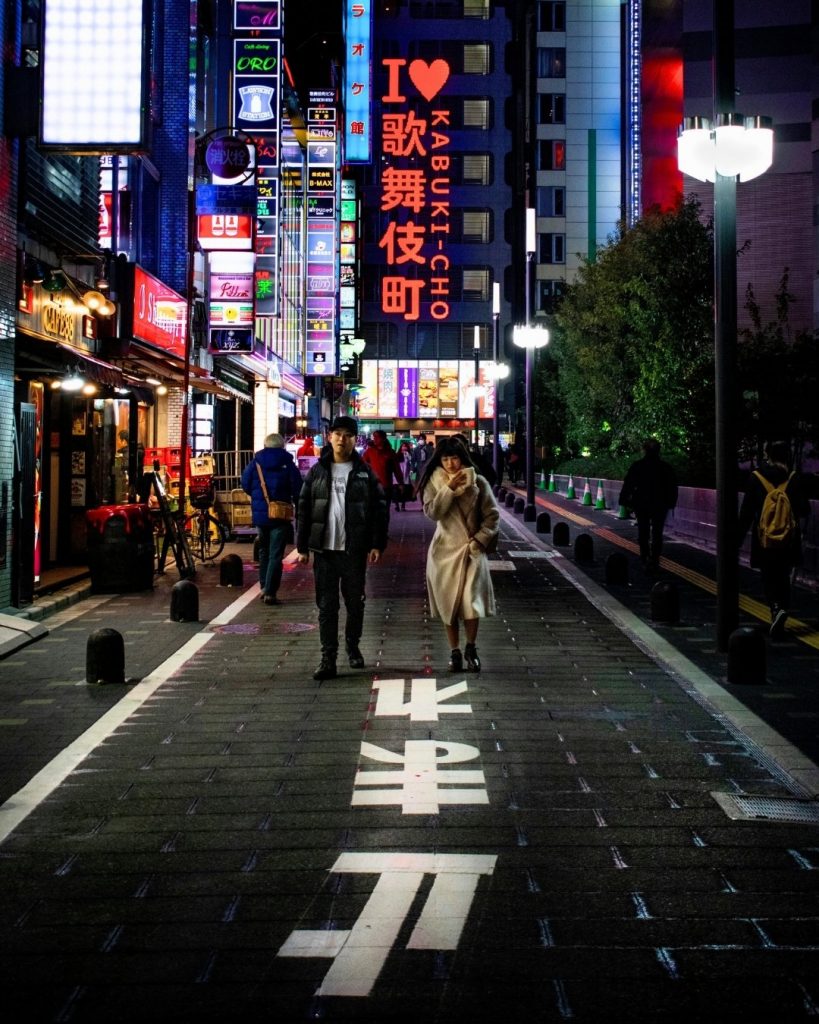
For safety, I would choose Shibuya.
But before saying anything else, I want to make one thing very clear: Tokyo and Japan in general are very safe compared to most big cities in the world. Of course, things can always happen anywhere, but the probability of having a serious safety issue in Tokyo is quite low.
So I do not want to make Shinjuku sound dangerous, because it is not that simple.
The main point is that Shinjuku is a very big district, and the safety feeling can change a lot depending on where you are. The area where travelers are more likely to have issues is mostly Kabukicho, not all of Shinjuku.
Kabukicho is Tokyo’s most famous red-light district. You have many bars, host clubs, hostess clubs, and cabaret-style places, known in Japanese as kyabakura. Around this area, you may also see touts trying to bring people into bars or clubs.
This is where problems can happen.
Some touts can be a bit aggressive when they try to get you into the places they work with. And if you follow them into the wrong bar or club, you may end up getting scammed and paying a lot of money for not much in return.
That does not mean you should completely avoid Kabukicho. Personally, I still like going there, especially for photography. It is one of the most visually interesting places in Tokyo at night. But if you want to go, I recommend reading our guide on how to avoid scams in Kabukicho first, so you understand what can happen and how to avoid the most common problems.
Shibuya is not perfect either. At night, especially around nightlife areas, you can also see drunk people in the streets. And of course, when people drink too much, small arguments or uncomfortable situations can happen.
But overall, I still feel Shibuya is safer and easier to enjoy than Shinjuku, especially if safety is something you worry about.
It feels less intense than Kabukicho, less aggressive in terms of touts, and a bit more comfortable for many travelers, couples, and families.
So for this category, I would give the win to Shibuya.
- Choose Shibuya if: you want a nightlife and city atmosphere that generally feels easier, safer, and less intimidating.
- Choose Shinjuku if: you are comfortable with a more intense nightlife area and know how to avoid touts and common Kabukicho scams.
Shibuya or Shinjuku for Shopping? Winner: Shibuya

For shopping, especially if we are talking about fashion, I would definitely choose Shibuya.
Shinjuku has great shopping too, especially if you are looking for big department stores, electronics, cosmetics, or practical shopping around the station. But for fashion and style, I think Shibuya wins by a mile.
Shibuya is one of Tokyo’s most iconic fashion areas. It has always been connected with young people, trends, street style, and youth culture. When you walk around Shibuya, you can really feel that it is a place where fashion matters.
One of the best things about shopping in Shibuya is that you have many commercial buildings where you can find a lot of cool shops in one place. You enter one tower, and you can explore different floors with different brands, styles, and concepts. It makes the shopping experience very easy and fun.
Of course, Shibuya 109 is probably the most legendary shopping building in the area. It is strongly connected to Japanese youth fashion and is still one of the symbols of Shibuya.
You also have Shibuya PARCO, which is great for fashion, lifestyle, pop culture, and more creative brands. Then you have newer and more modern places like Shibuya Scramble Square, Miyashita Park, and Shibuya Hikarie, which give the area a more updated and stylish shopping atmosphere.
And of course, Shibuya also has the big international and Japanese brands that many travelers are looking for, like Zara, H&M, Uniqlo, and many others.
Another big advantage is that Shibuya is close to other major fashion districts.
You can walk from Shibuya to Omotesando, which is better for luxury brands, elegant stores, and beautiful architecture. On the way, you can enjoy a lot of window shopping and discover smaller shops too.
You can also walk from Shibuya to Harajuku, especially through Cat Street, which is one of my favorite shopping walks in Tokyo. Cat Street has smaller brands, designer shops, streetwear, vintage shops, cool cafes, and also famous brands. It is a very nice route if you like fashion and want to explore Tokyo by walking.
So for me, Shibuya clearly wins for shopping. It is more fashionable, younger, more stylish, and better connected to other shopping neighborhoods like Harajuku and Omotesando.
- Choose Shibuya if: you want fashion, street style, trendy malls, youth culture, Cat Street, Harajuku, and Omotesando nearby.
- Choose Shinjuku if: you want department stores, electronics, cosmetics, luxury shopping at Isetan, and very practical station-area shopping.
Shibuya or Shinjuku for Couples and Dates? Winner: Shibuya
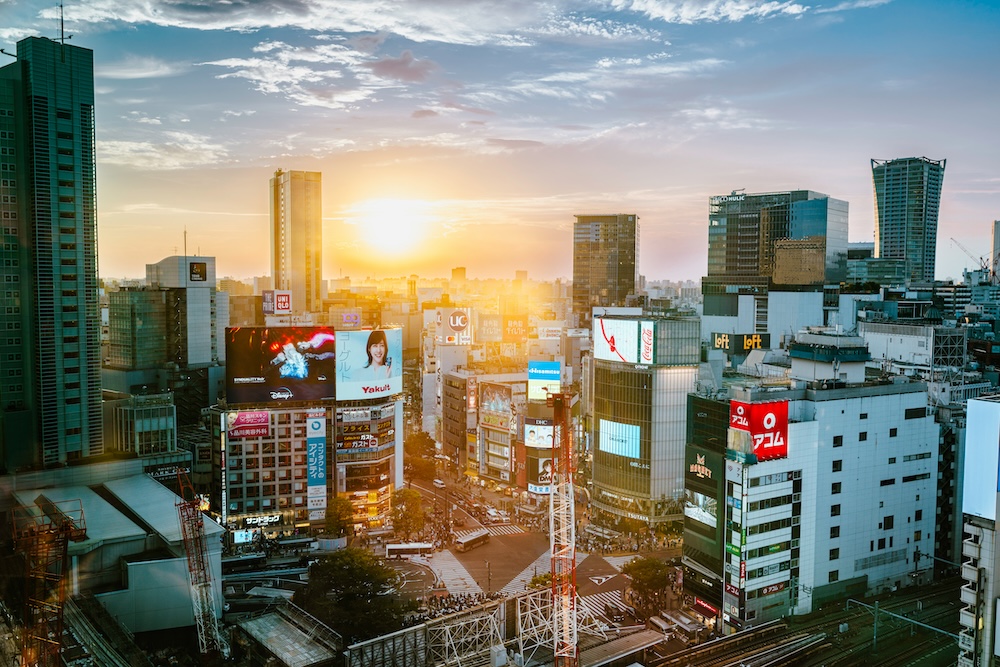
If you are traveling as a couple, or if you met someone in Japan and want to go on a date, I would choose Shibuya over Shinjuku.
Shinjuku also has some great places for couples. You can go to Shinjuku Gyoen during the day, have dinner in a nice restaurant, enjoy a drink in Golden Gai if you like small bars, or go to a viewpoint around Nishi-Shinjuku.
But personally, I feel like Shibuya fits the romantic date vibe better.
It feels a bit quieter, trendier, and more stylish. You have more beautiful restaurants, fancy cafes, rooftop spots, shopping, and places where you can walk around together without the atmosphere becoming too chaotic.
For example, Shibuya PARCO has a rooftop where you can enjoy a nice view and watch the sunset. It is a simple but beautiful place to stop during a date, especially if you are already shopping or walking around the area.
You also have many good restaurants for a romantic night out. Rigoletto in Shibuya, for example, is a nice option if you want a stylish dinner with a more elegant atmosphere. Shibuya also has many other restaurants and cafes that work well for couples, whether you want something casual, modern, or a bit more fancy.
Another thing I like about Shibuya for dates is that it is easy to combine different activities in one evening. You can go shopping, walk around Miyashita Park, enjoy a sunset view, have dinner, and then go for drinks without needing to move too far.
Shinjuku can also be fun for couples, especially if you like nightlife or a more intense Tokyo atmosphere. But for a romantic night out, I think Shibuya feels more comfortable and more natural.
So for couples and dates, I would choose Shibuya.
- Choose Shibuya if: you want a stylish, romantic, trendy, and comfortable area for dinner, drinks, shopping, sunset views, and walking around together.
- Choose Shinjuku if: you want a more energetic date night with nightlife, small bars, izakaya alleys, and a stronger urban Tokyo atmosphere.
Shibuya or Shinjuku for Families? Winner: Shibuya
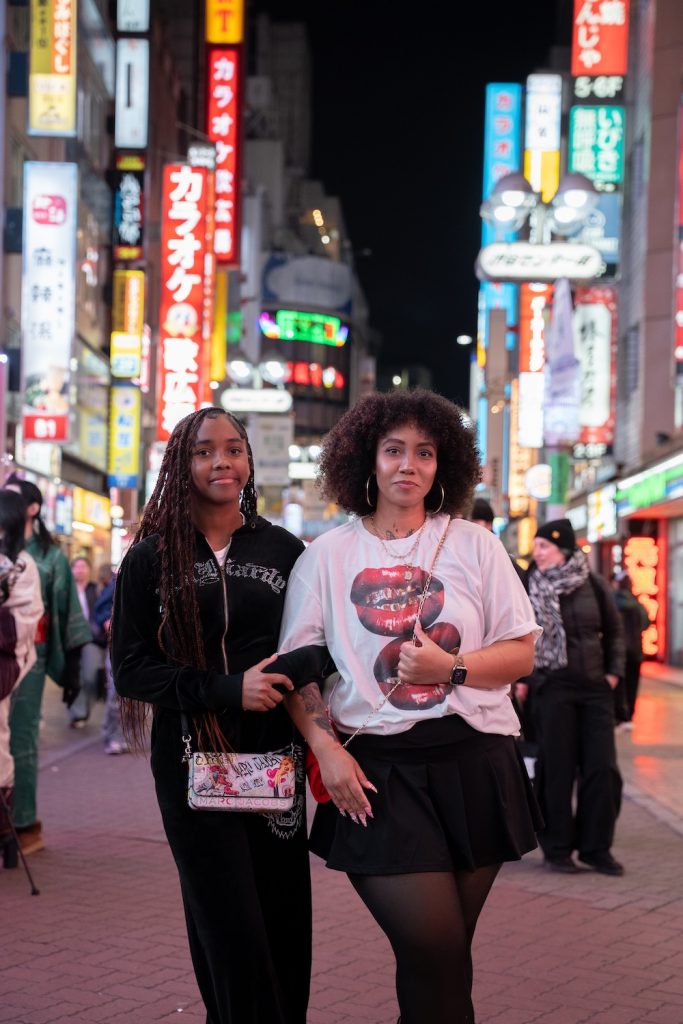
For families, I would choose Shibuya.
The main reason is the overall atmosphere.
As I mentioned earlier, Tokyo is generally very safe, and Shinjuku is not a dangerous place. Many families stay in Shinjuku and have a great experience. But if I had to choose between Shibuya and Shinjuku for a family trip, especially with kids, I would feel more comfortable recommending Shibuya.
One reason is safety and comfort. When you travel with children, you naturally become more careful about the places you walk through, especially at night. In Shinjuku, some areas around Kabukicho can feel too adult-oriented, with host clubs, hostess clubs, touts, drunk people, and a more chaotic nightlife atmosphere. It is not necessarily dangerous, but it may not be the kind of environment you want to expose your kids to.
In some parts of Shinjuku, especially around certain underpasses or late-night areas, you may also see more uncomfortable street situations. Again, I do not think this is a huge issue, and it does not represent all of Shinjuku. Shinjuku is very big, and some parts are actually calm and residential. But for a family, I think Shibuya is easier to recommend overall.
Shibuya feels a bit lighter, younger, and more family-friendly. You still have crowds, of course, and some nightlife areas can also get busy at night. But compared to Shinjuku, I feel there are fewer situations that would make families uncomfortable.
Another advantage is that Shibuya is close to many areas that are nice for families. Yoyogi Park is not too far from Shibuya Crossing, around 20 minutes on foot depending on your route. It is a great place to walk, relax, let kids have some space, and enjoy a more open environment after the intensity of the city.
You also have Harajuku nearby, which can be fun for kids and teenagers, especially if they like colorful shops, sweets, character goods, fashion, and pop culture. Daikanyama is also a nice area for families because it feels calmer, more stylish, and easier to walk around. Nakameguro is a bit further south, but it is another pleasant neighborhood with a more relaxed atmosphere.
So even though Shinjuku has strong advantages, especially for hotels and transport, I would choose Shibuya for families. It feels more comfortable, more cheerful, and better connected to family-friendly neighborhoods.
- Choose Shibuya if: you want a more comfortable, younger, and family-friendly atmosphere close to Yoyogi Park, Harajuku, Daikanyama, and Nakameguro.
- Choose Shinjuku if: you want more hotel options and transport convenience, but choose your exact area carefully and avoid staying too close to Kabukicho if you are traveling with kids.
You May Also Like: Things to Do in Tokyo With Kids
So, Which One Is Better Overall: Shibuya or Shinjuku?
After comparing both neighborhoods category by category, Shibuya finishes with 6 points, while Shinjuku finishes with 4 points.
So technically, in this guide, Shibuya is the overall winner.
But does that mean Shibuya is always better than Shinjuku?
Not really.
And that is exactly why I wanted to structure this article by category.
Shibuya and Shinjuku are both amazing neighborhoods, but they are not amazing for the same reasons. Shinjuku is better if you want convenience, transport, sightseeing, hotel options, and night photography. Shibuya is better if you want shopping, restaurants, bars, safety, dates, and a more family-friendly atmosphere.
So instead of asking which one is better in general, I think the better question is: which one is better for what you want to do?
If you are choosing a place to stay, planning a photoshoot, looking for restaurants, deciding where to go shopping, or simply trying to understand which neighborhood fits your travel style better, I hope this guide helped you make a clearer decision.
Of course, this is only my personal opinion as a Tokyo resident and photographer. You may completely disagree with some of my choices, and that is totally fine. Tokyo is a huge city, and everyone experiences it differently.
If you have a different opinion, feel free to share it in the comments below. I would be happy to hear which neighborhood you prefer and why.
And if there is another category you want me to add to this Shibuya vs Shinjuku guide, let me know in the comments as well. I may update the article with more categories in the future.
Written by Mehdi, Tokyo-based photographer from Photo Trips.