
Summer in Japan is nothing like what you see on travel posters. Yes, it is hot, humid, and relentless from July through August. But locals have spent centuries perfecting the art of living well through the heat, and once you tap into that rhythm, summer becomes one of the most memorable seasons to be here.
This is not a list of tourist traps. These are the things people actually do when the temperature climbs past 35 degrees and the cicadas start screaming. Pick a few, go deep, and you will leave with a completely different picture of what Japan feels like.
1. Chill at an Engawa
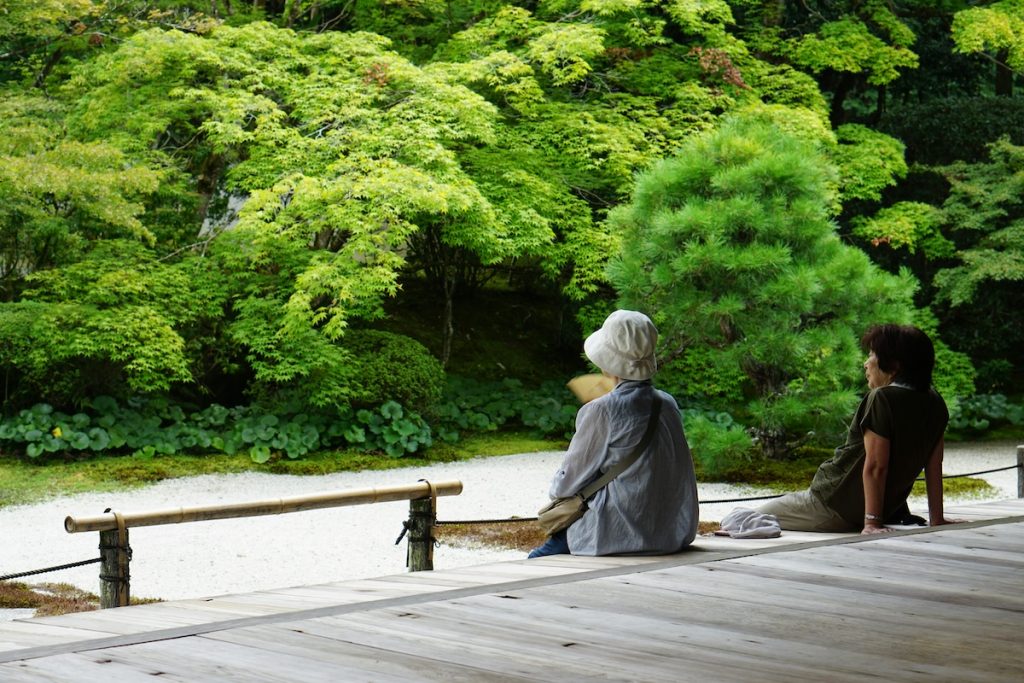
An engawa is the narrow wooden veranda that wraps around traditional Japanese buildings. It sits right at the edge of the indoors and outdoors, and on a hot summer day, it is one of the most peaceful places you can be. You sit, you listen to the garden, you let time pass.
Most temple gardens let you access the engawa after paying the entry fee. Bring nothing, leave your shoes at the step, and just sit.
Where to go:
- Enkoji, Kyoto is the classic choice. The moss garden visible from the engawa is especially lush in summer.
- Shinjuan, Daitokuji, Kyoto opens periodically for special viewings and has one of the most refined engawa experiences in the city.
- Isuien Garden, Nara offers a borrowed-scenery garden framed perfectly from its veranda, with Mount Wakakusa in the background.
2. Try a Kawadoko Restaurant
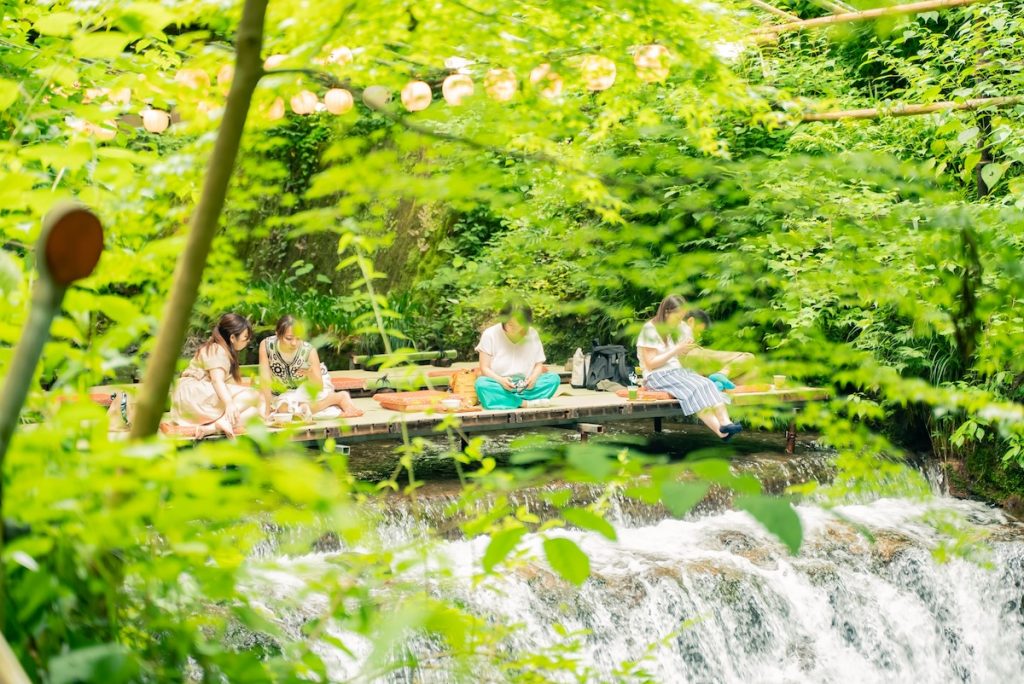
Kawadoko means “riverbed,” and that is exactly where you eat: on wooden platforms built directly above a cool mountain stream. The water rushing beneath keeps the temperature several degrees lower than the city, and the sound alone is enough to make you forget the heat outside.
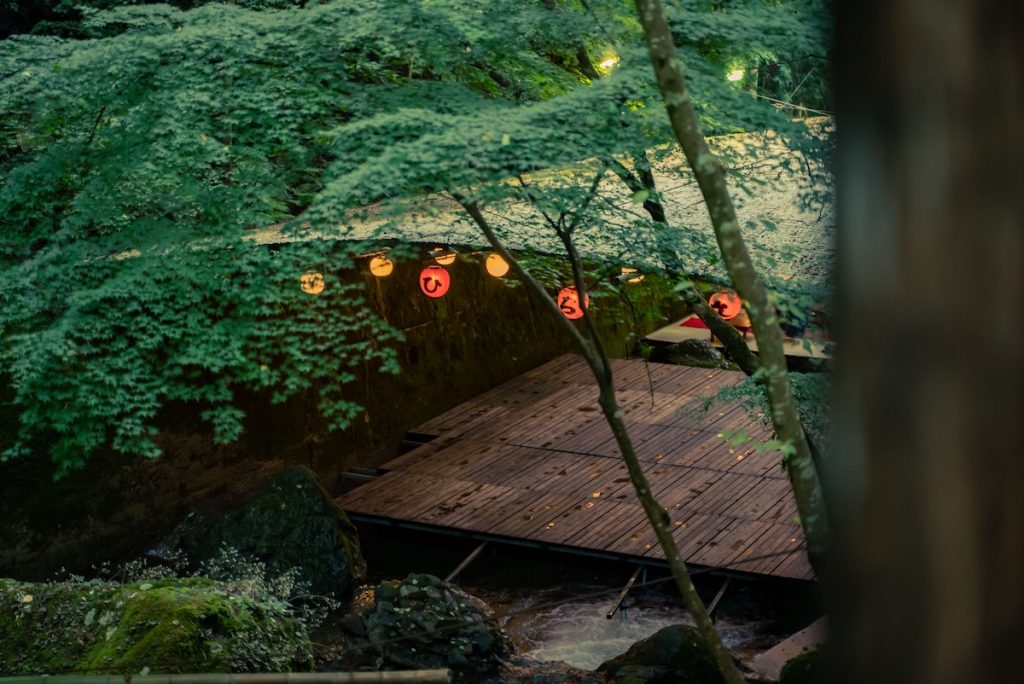
Reservations are essential. Most restaurants get fully booked weeks in advance during peak summer.
Where to go:
- Kifune Village, Kyoto is the home of kawadoko dining. The village has around 20 restaurants along the river, ranging from casual to high-end kaiseki.
- Takao, Kyoto is a quieter alternative further into the mountains with fewer crowds and similar riverside dining options.
3. Eat Nagashi Somen
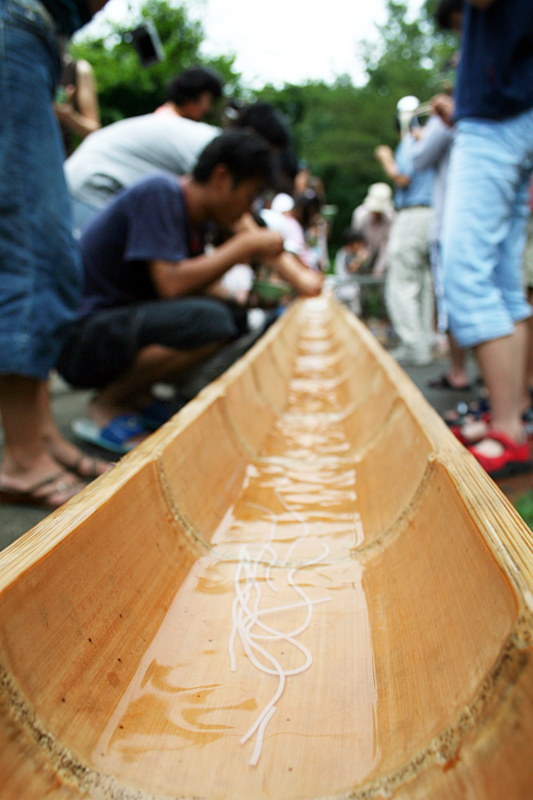
Nagashi somen is exactly what it sounds like: chilled noodles flowing down a bamboo flume filled with cold water. You sit along the flume with chopsticks, grab the noodles as they pass, and dip them in a light tsuyu broth. It is a summer tradition that children and adults take equally seriously.
Where to go:
- Hirobun, Kibune, Kyoto is the most famous spot, set along a mountain stream with a proper bamboo flume running through the garden. Book far in advance.
- Shiraito no Taki area, Shizuoka has a few restaurants near the waterfall with seasonal nagashi somen setups in summer.
- Nara Park area has several spots that set up nagashi somen in their gardens during July and August, a bit easier to access than Kyoto’s mountain restaurants.
4. Enjoy Kakigori
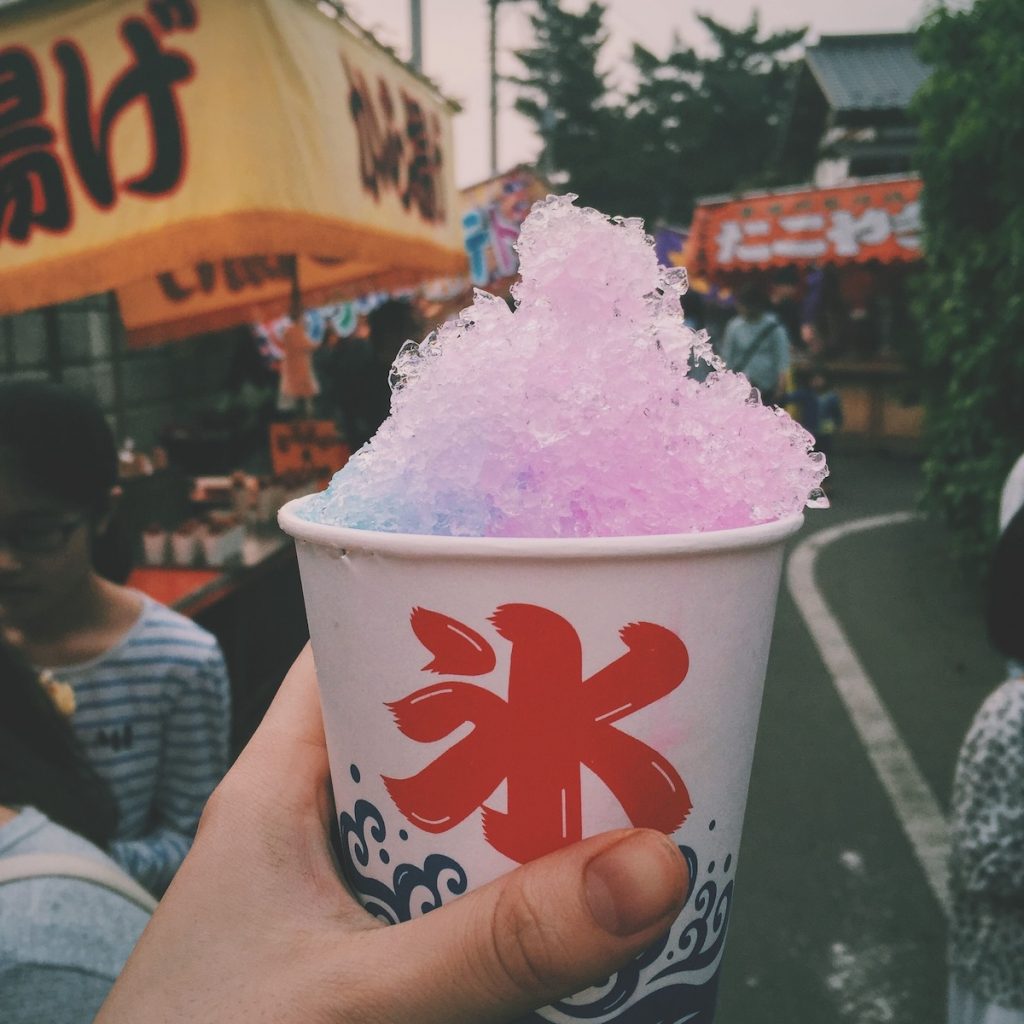
Kakigori is shaved ice, but not the kind you are imagining. Japanese kakigori uses ice that has been frozen slowly over days, then shaved into an incredibly fine, fluffy texture that melts on your tongue rather than crunching. Modern kakigori shops have turned it into an art form, with flavors ranging from condensed milk and matcha to seasonal fruit syrups layered with hidden sweet toppings inside.
Where to go:
- Ebisu, Tokyo has a concentration of specialty kakigori shops and is a good base for exploring the upmarket end of the craft.
- Namba, Osaka has Ujikintoki spots throughout the shopping streets, and the city’s version tends to lean sweeter and more traditional.
- Higashiyama, Kyoto has cafes near the temple district serving matcha-based kakigori that pair well with a temple visit.
- Kamakura has several beloved shops near Komachi-dori that locals queue for all summer.
5. Join a Summer Matsuri
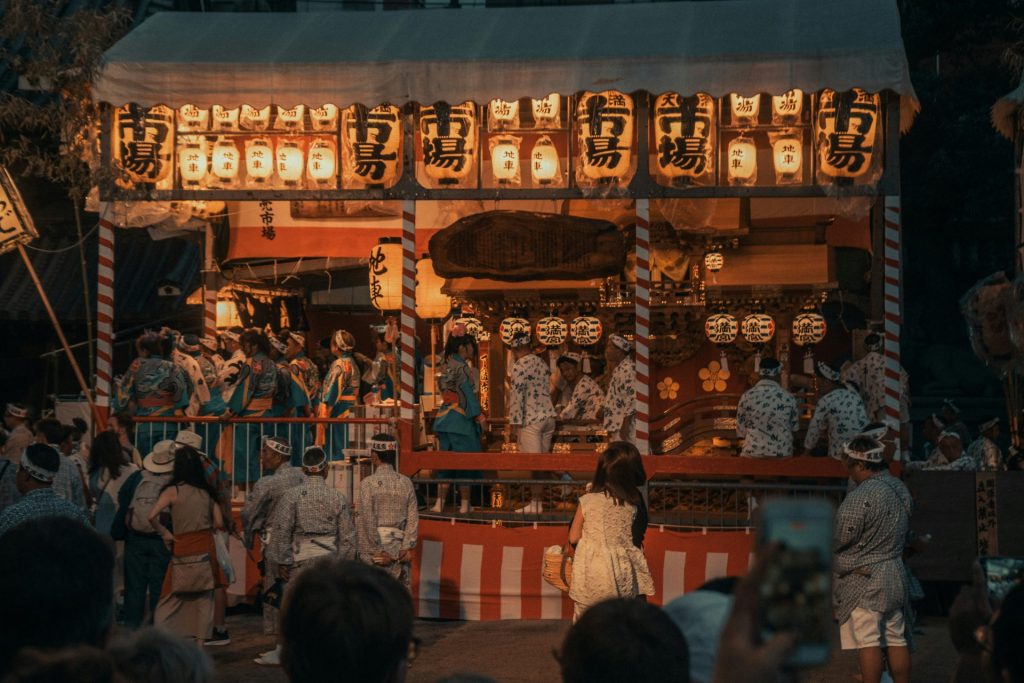
Summer festivals in Japan are sensory overload in the best possible way. Paper lanterns, taiko drumming, food stalls selling yakitori and takoyaki, and crowds of people in yukata moving between shrine grounds and fireworks. The atmosphere is impossible to replicate anywhere else.
Where to go:
- Tokyo hosts dozens of matsuri between July and August. Sumida River Fireworks Festival, Asakusa Sanja Matsuri (technically May/June), and the Awa Odori in Koenji in late August are among the biggest. For more info, check out our guide on the best firework festivals in Tokyo and the best Bon Odori festivals in Tokyo.
- Osaka Tenjin Matsuri (July 24 to 25) is one of Japan’s three great festivals, with a river procession of illuminated boats.
- Kyoto Gion Matsuri runs throughout July, with the main float processions on July 17 and 24. It is the most photographed matsuri in Japan.
- Aomori Nebuta Matsuri (early August) features enormous illuminated floats and is worth the trip north if you can manage it.
6. Listen to the Sound of Furin
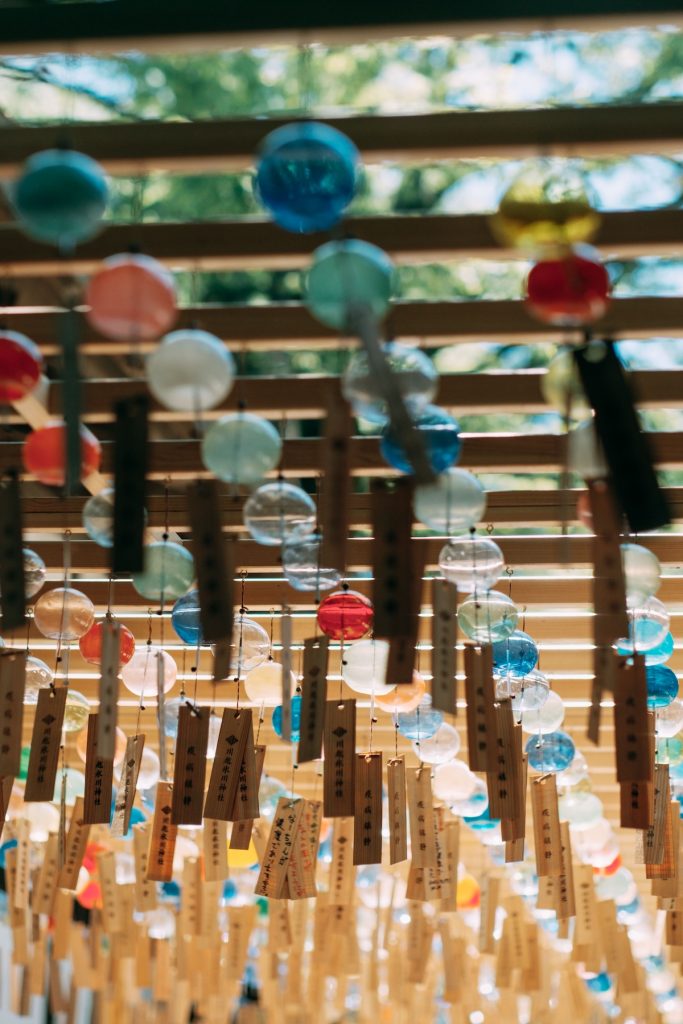
Furin are glass wind bells hung at shrines, temple gates, and homes throughout summer. Each one produces a faint, clear chime when the breeze passes through, and at a shrine decorated with hundreds of them, the collective sound becomes something almost meditative. Listening to furin is considered one of the traditional ways to feel涼 (suzushi), a cooling sensation for the mind even when the body is still hot.
Where to go:
- Hikawa Shrine, Kawagoe (Saitama) is famous for its summer furin festival, where thousands of wind bells are hung along the shrine path from late July through August.
- Kawagoe Hikawa Shrine also runs a furin lottery where you can select a hand-painted bell to take home.
- Zuishinmon, Naritasan Shinshoji, Chiba hangs seasonal furin decorations near its historic gates.
- Various shrines in Kamakura put up furin displays in summer, with Tsurugaoka Hachimangu being the most accessible.
7. Do a Yukata Photoshoot
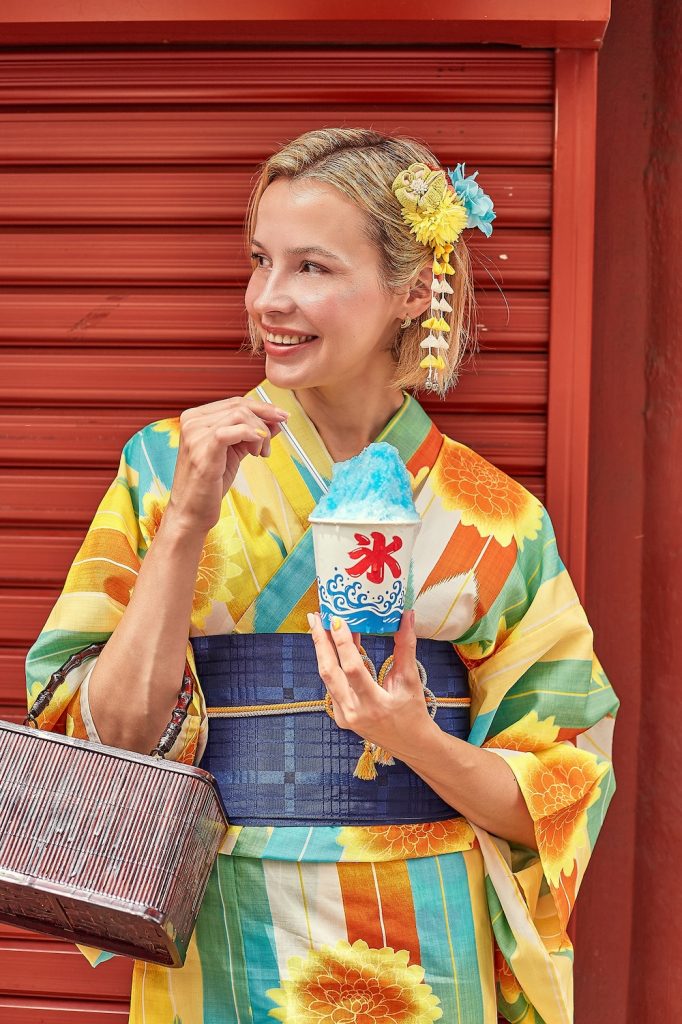
Yukata are the lightweight summer version of kimono, and wearing one in the right neighborhood changes how you experience the city entirely. Rental shops handle the dressing process, which takes about 30 minutes and includes hair styling. Once you are dressed, old shopping streets, temple gates, and lantern-lit alleys become completely different backdrops.
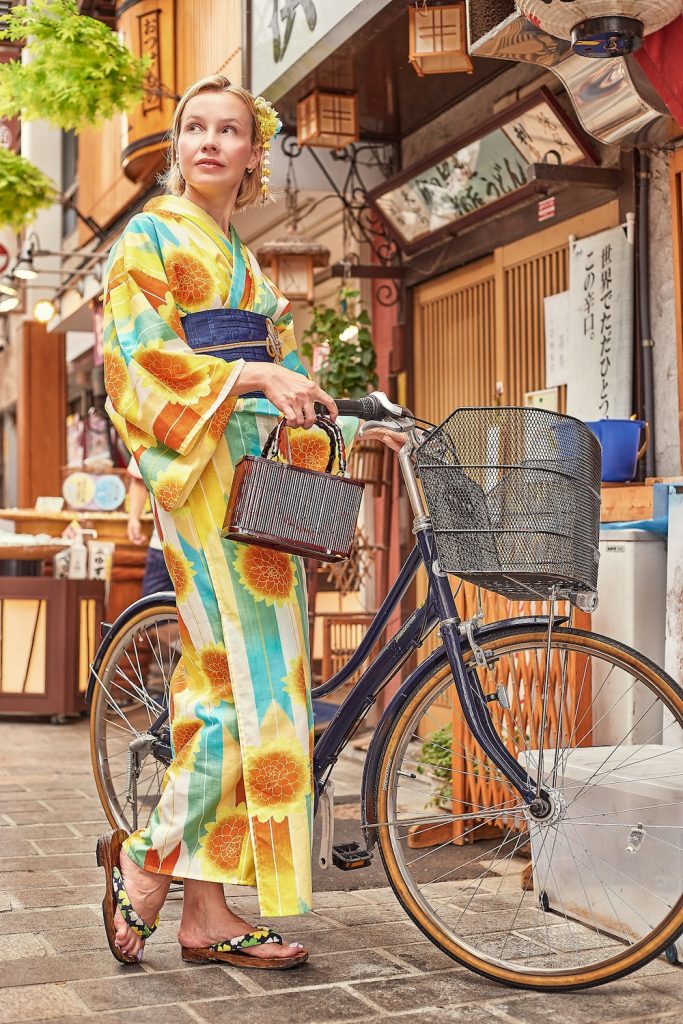
Where to go:
- Asakusa, Tokyo is the most popular area, with rental shops steps from Senso-ji and the Nakamise shopping street. The evening light along the temple grounds is excellent for photos.
- Gion, Kyoto feels more traditional. Walking through the stone-paved lanes of Ninenzaka and Sannenzaka in yukata is the quintessential image of Kyoto summer.
- Higashiyama, Kyoto connects directly to Gion and gives you a full afternoon route between rental shops and shooting locations.
- Yanaka, Tokyo is quieter than Asakusa, with an old-town atmosphere and fewer tourists, which makes it easier to shoot without crowds in the frame.
If you want to get pro pictures while dressing with a Yukata, you should consider hiring a photographer! Photo Trips connect you to talented local photographers all over Japan so if you are interested, check out our:
8. Enjoy a Summer BBQ by the River
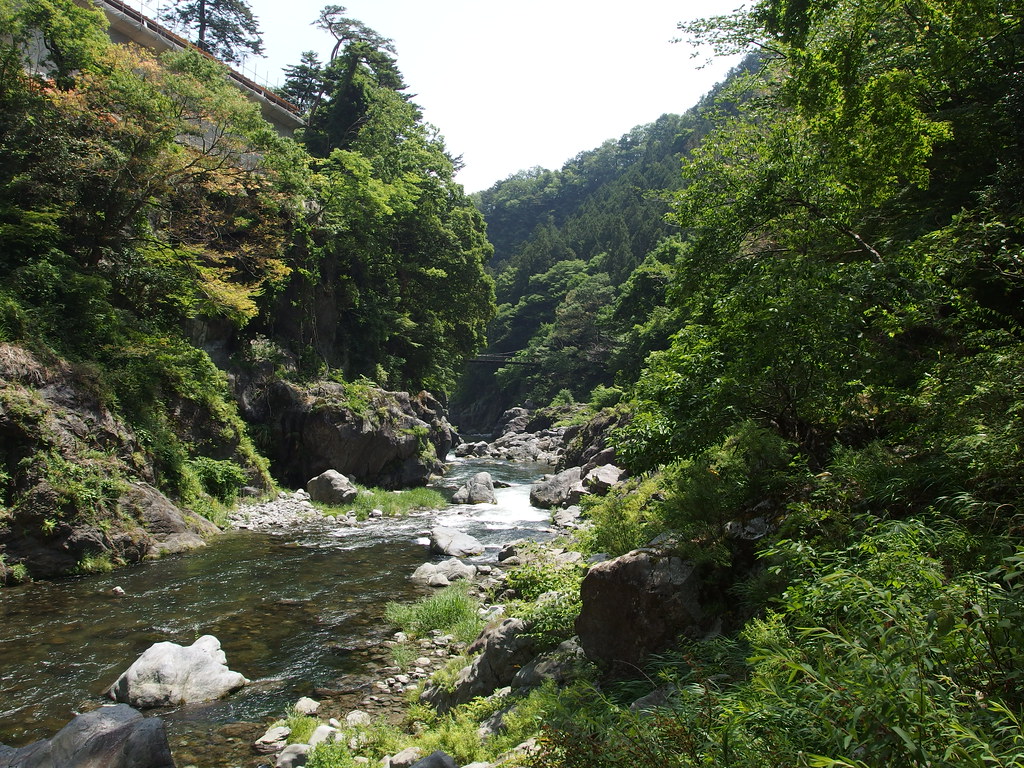
Riverside BBQ is how Tokyo locals escape the city in summer without going far. You rent a BBQ set, buy supplies at a nearby supermarket, and spend the afternoon grilling by the water. Some spots have dedicated BBQ areas with equipment rental; others are informal riverside parks where people set up on their own.
Before your start your barbecue, make sure you follow the local rules. They are dedicated ares in Japan where BBQ are allowed. It’s common sense but don’t forget to stop your fire after you finish to avoid damaging the surrounding nature.
Where to go:
- Okutama, Tokyo is the go-to for a proper mountain river experience. About 90 minutes by train from Shinjuku, the Tama River runs clear and cold through forested gorges. Several rental shops near the station offer full BBQ sets.
- Mitake, Tokyo is slightly closer and sits along the same river, with good access to trails before or after the BBQ.
- Nakatsu River, Kanagawa (Aiko-Ishida area) is popular with Yokohama locals and less crowded than Okutama.
- Yoshino River, Nara for those in the Kansai area, with dramatic gorge scenery and organized BBQ spots.
9. Visit a Sunflower Park
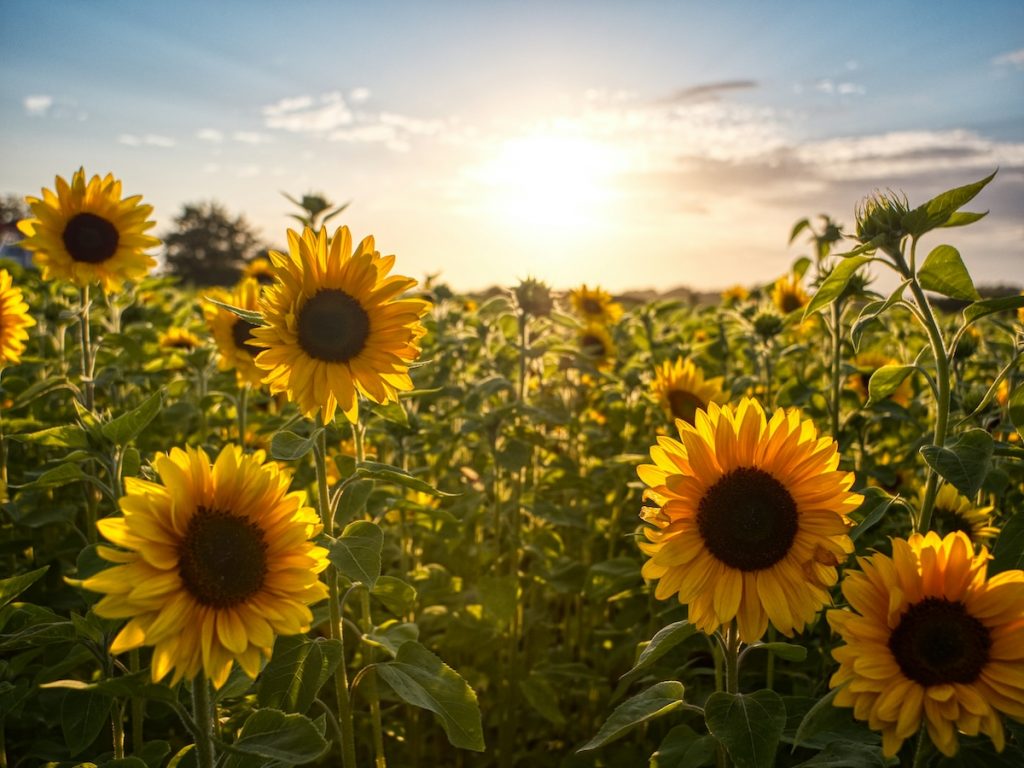
Japan takes seasonal flower fields seriously. Sunflower parks peak in late July and early August, and the best ones have hundreds of thousands of blooms stretching across open fields with mountain backdrops. Early morning visits give you good light and thin crowds.
Where to go:
- Akeno Sunflower Fields, Yamanashi is the standout. About 800,000 sunflowers bloom in front of the Southern Alps, and on clear mornings you can see Mount Fuji in the distance. Roughly 2 hours from Tokyo.
- Zama City, Kanagawa hosts the Zama Sunflower Festival every August with about 450,000 flowers across several fields and easy access from Tokyo.
- Hokuryu Town, Hokkaido is the largest sunflower field in Japan, covering 23 km2. Best for those making the trip north anyway.
- Sagamihara, Kanagawa has a smaller but very photogenic field near the city, accessible without a car.
10. Walk Through a Moss Garden
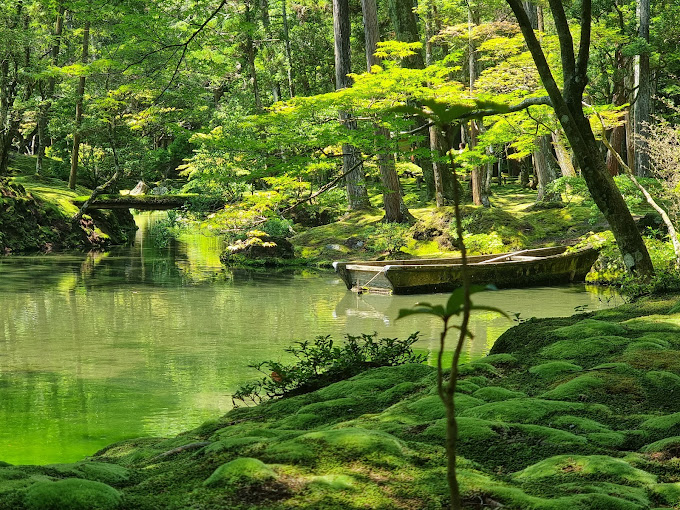
Japan’s moss gardens are at their most vivid in summer. The heat and humidity that make the city unbearable are exactly what moss thrives on, and a well-maintained temple garden in July or August turns an almost surreal shade of green. The silence, the texture, and the cool shade under the trees make these gardens one of the best escapes from the heat.
Where to go:
- Hokokuji, Kamakura has a bamboo grove and a quiet moss garden that most visitors skip in favor of the main shrine circuit. Easy day trip from Tokyo.
- Saihoji (Kokedera), Kyoto is the definitive moss garden in Japan, with over 120 varieties covering the entire grounds. Advance reservation required by postal mail or online, and spots are limited.
- Jojakko-ji, Arashiyama, Kyoto is easier to access than Saihoji and has beautiful moss covering the stone steps and garden terraces.
- Sanzen-in, Ohara, Kyoto sits in the mountains north of the city and has an expanse of deep green moss surrounding stone figures in the garden.
Summer in Japan rewards the curious. The best experiences are not always the ones on the main tourist maps. They are the ones that require a train out of the city, a reservation made weeks ahead, or simply the willingness to slow down and sit somewhere quiet for an hour. Start with one or two from this list and let the season unfold from there.