
South Korea is an exciting place to photograph, from Seoul’s neon streets and lively markets to mountain trails, palaces and coastal towns. The best travel images come from noticing the atmosphere of a place while respecting the people who live, work and spend time there.
These 15 rules will help you photograph South Korea thoughtfully, confidently and responsibly.
1. Check signs and ask when you are unsure
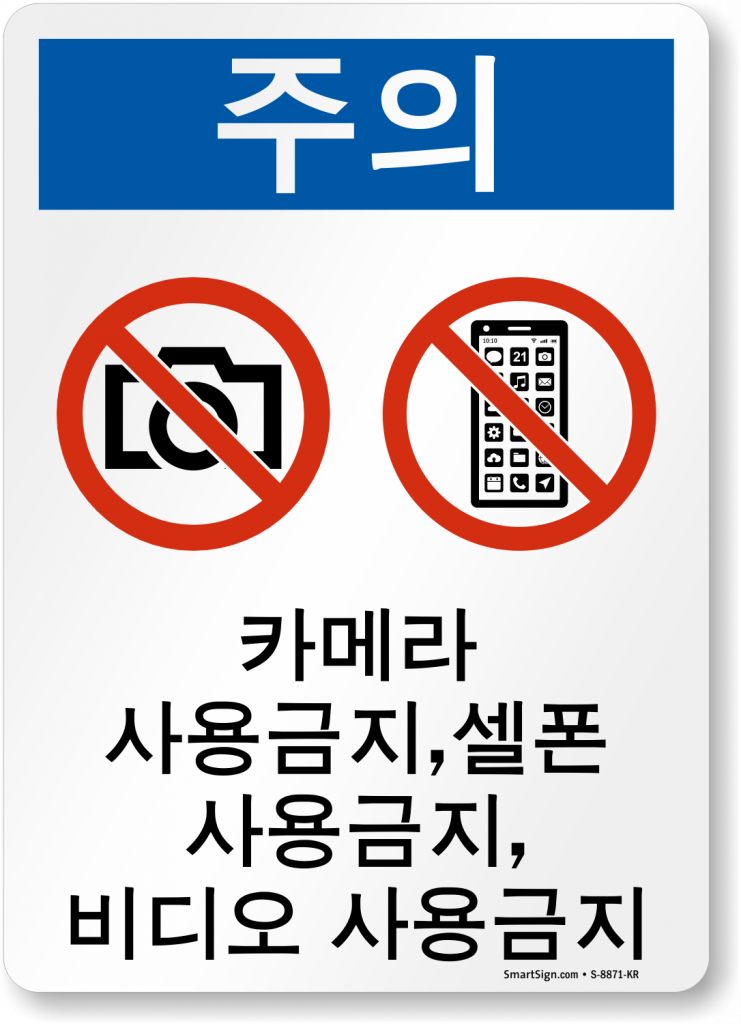
Photography rules vary between cafés, shops, palaces, museums, parks and temples. A venue may permit photos outside but not indoors, or allow a quick phone photo while restricting cameras, tripods or commercial shoots.
Look for signs before taking out your camera. If the policy is unclear, ask a member of staff. If you are asked to stop, do so immediately and politely.
2. Ask before taking close portraits

A wide city scene is different from a close photograph of an identifiable stranger. If someone is central to your image, ask for permission whenever possible.
Avoid photographing people who are eating, sleeping, commuting, praying, working, arguing or having a private moment. Be especially careful around children, elderly people and anyone who may not be able to easily step away from your camera.
3. Keep street photography discreet

South Korea has excellent street-photography opportunities, but a good image should not come at someone else’s expense. Focus on movement, architecture, colour, reflections, signs and light. These details can create a strong sense of place without putting a stranger under unwanted attention.
Keep entrances, pavements, subway exits and market lanes clear. Do not stop in the middle of a busy route or use large equipment that makes people uncomfortable.
You May Also Like: Most Photogenic Streets in Seoul
4. Blur identifiable strangers before publishing

You may notice that Korean photographers, businesses and social media users often blur the faces of strangers. It is a thoughtful habit and a good one to follow.
You do not need to blur every person in a wide crowd or cityscape. But if a stranger is clearly identifiable and central to the photograph, blur their face unless you have clear permission to share the image.
This is especially important for blog posts, social media, sponsored content, business websites and other monetised or promotional work. If permission is not practical, crop the image, choose another frame or blur the face before posting.
Adobe Lightroom, Photoshop Express and Canva offer simple local blur or mosaic tools. Make the blur strong enough that the person cannot be recognised, then check the final image before publishing.
5. Be considerate at festivals and public events
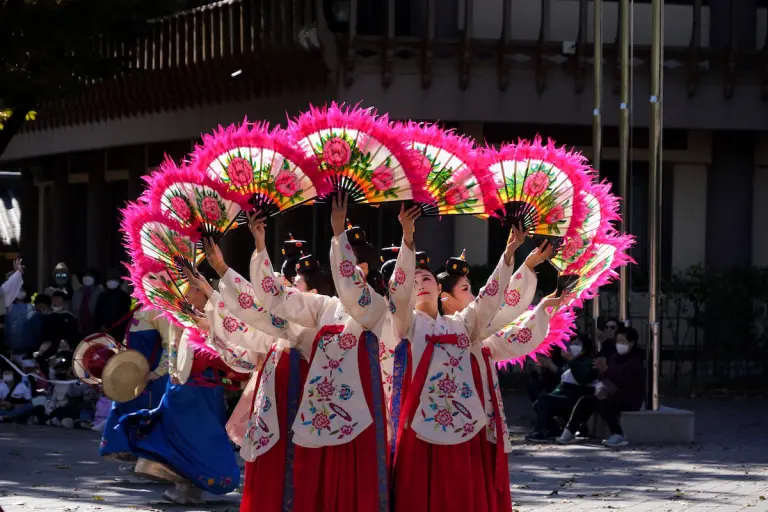
Festivals, performances and seasonal events can be some of the best places to photograph in South Korea, but they can also become crowded quickly.
Do not block spectators, performers, walkways or emergency routes for a shot. Avoid using flash during performances, and keep tripods or larger equipment out of busy areas unless they are clearly permitted. If people are taking part in a ceremony, performance or private celebration, photograph from a respectful distance. Follow staff instructions and do not enter restricted areas for a better angle.
6. Never take invasive or sexualised images
There is no place for hidden, invasive or sexualised photography.
Never photograph under clothing, into changing areas, toilets, saunas, bathrooms, homes or any place where someone reasonably expects privacy. Never create, edit, share or post a sexualised image of someone without consent.
Taking a sexual image against a person’s will can carry up to seven years’ imprisonment or a fine of up to ₩50 million. Creating or distributing a sexual deepfake without consent can carry the same penalty. Possessing, buying, saving or viewing illegal sexual deepfake material can carry up to three years’ imprisonment or a fine of up to ₩30 million.
7. Ask before photographing in markets, cafés and shops
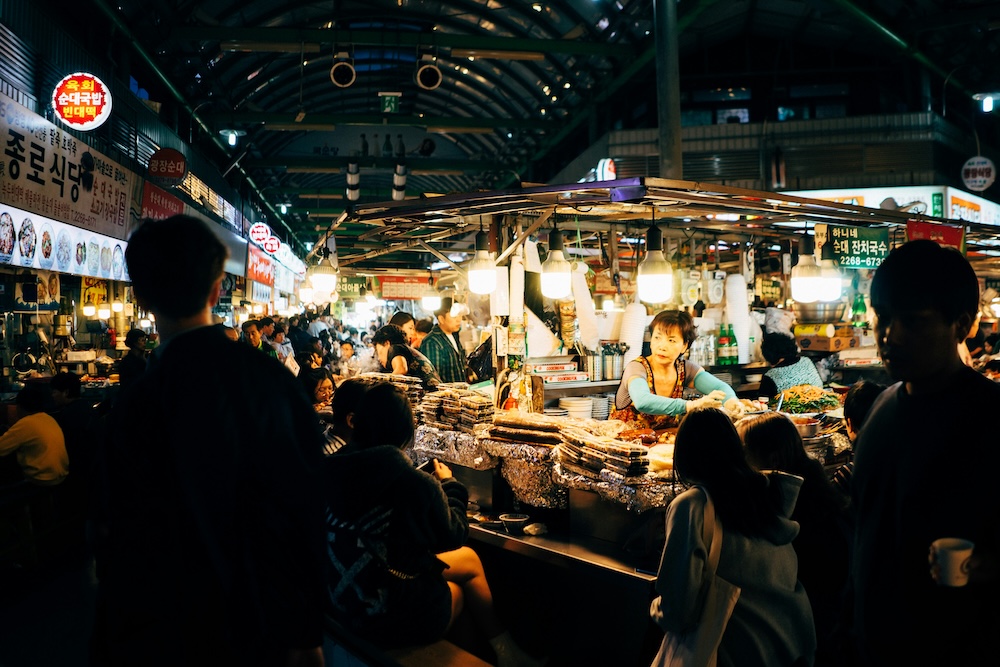
Traditional markets, independent shops and cafés are often some of the most photogenic places in South Korea. They are also working spaces with limited room.
Ask before photographing vendors, food preparation, menus, staff or other customers. Do not touch products, rearrange dishes or block a queue for a shot. Keep food photography quick and avoid flash in small interiors.
If a business has a no-photo policy, respect it. Enjoy the space first, then look for another image elsewhere.
You May Also Like: The Most Photogenic Cafes in Seoul
8. Respect palaces, temples, museums and cultural spaces
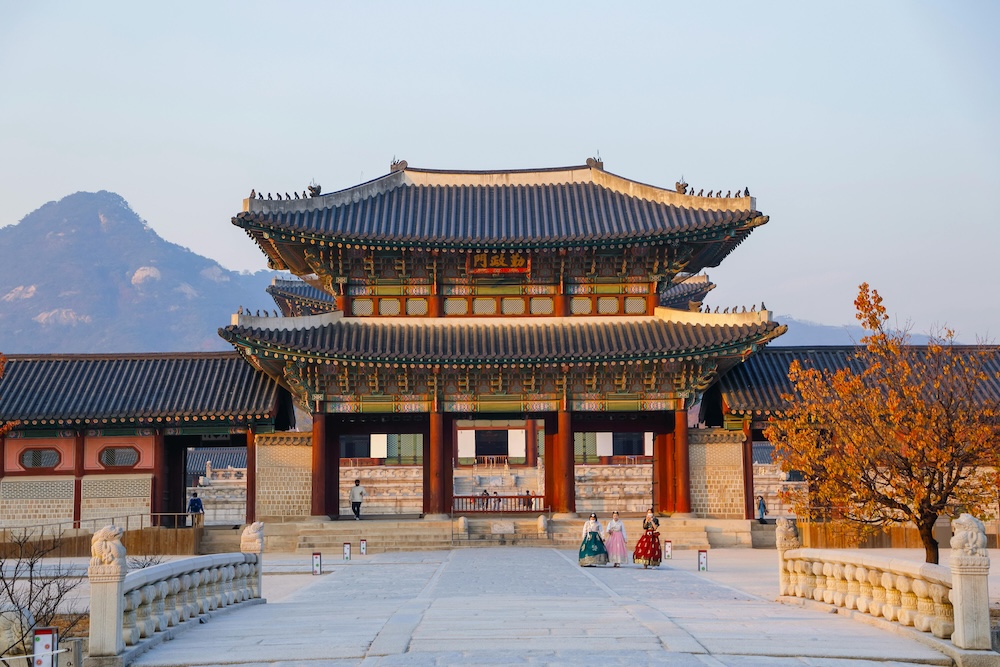
Palaces, temples and museums may have different photography rules for different rooms, exhibitions and ceremonies.
You may be able to photograph exterior architecture and public grounds while interiors are restricted. Do not assume that photos are allowed simply because other visitors have their phones out.
Look for signs and ask staff when you are unsure. Avoid flash, tripods, selfie sticks, lights and large rigs unless they are clearly permitted. Do not cross barriers, touch artefacts or interrupt worship for a photograph.
9. Treat public transport as personal space
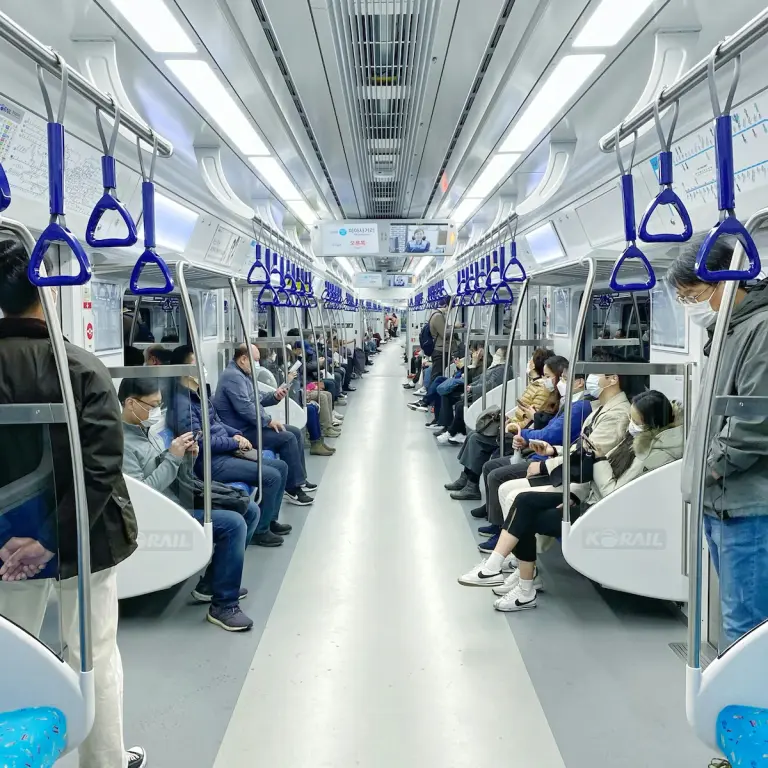
Buses, trains, subways and taxis are shared spaces, but they can still feel private.
Avoid close photographs of commuters, especially inside carriages. Do not photograph people who are asleep, distracted or unable to easily move away. Keep platforms, ticket gates, escalators and carriage doors clear.
For stronger transport photographs, focus on the wider environment: signs, lines, reflections, arriving trains and the rhythm of the city.
10. Respect homes and residential neighbourhoods
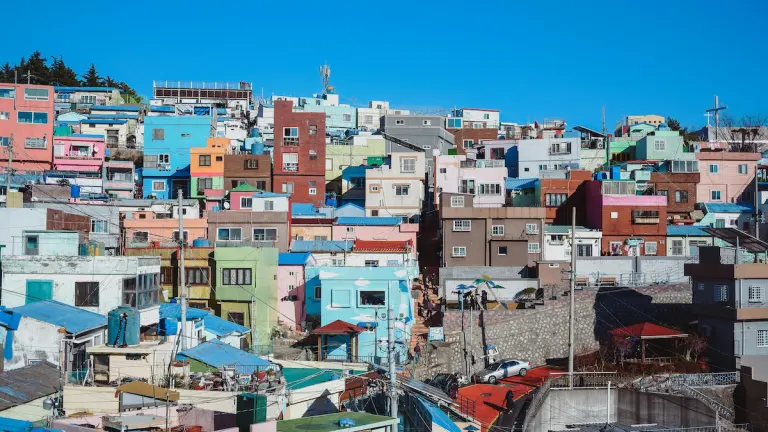
A narrow lane, rooftop view or residential street may be beautiful, but it is also part of someone’s daily life.
Do not enter apartment lobbies, courtyards, stairwells, rooftops or private gardens without permission. Do not photograph through windows or into homes. Respect private-property signs and security staff. Keep noise low in residential areas, especially early in the morning and late at night. A quiet street is not an empty set.
11. Avoid military and security-sensitive photography
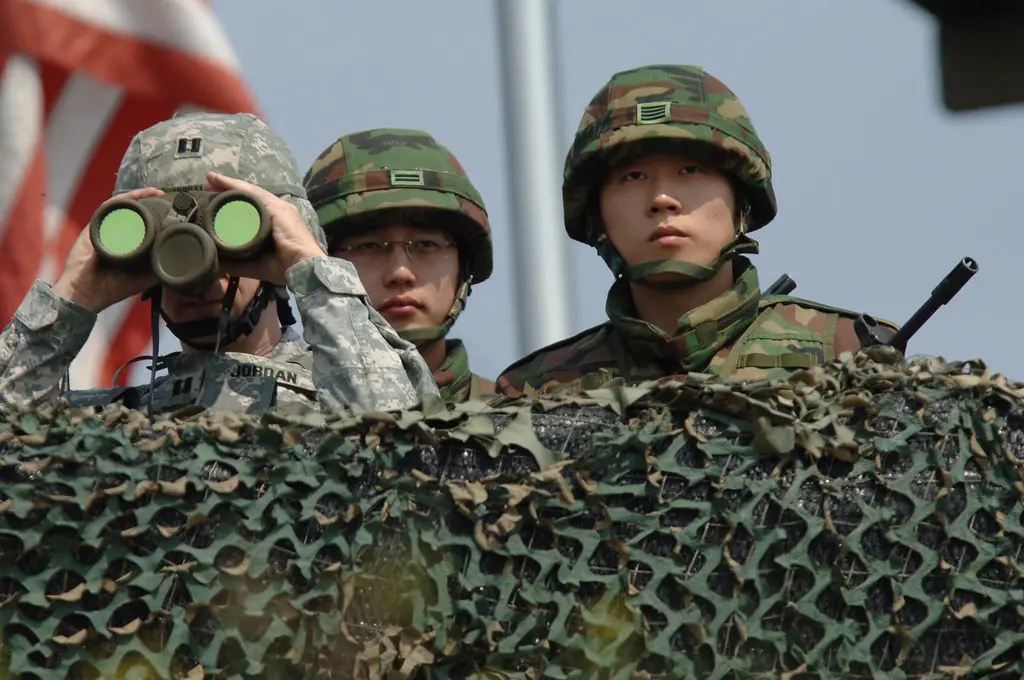
Do not photograph military bases, checkpoints, guarded facilities, security equipment or restricted areas.
South Korea has strict security restrictions around military and government sites. If a guard, officer or member of staff tells you not to photograph, comply immediately and without argument.
The same caution applies to drones. Never fly near military, government or security-sensitive locations.
You May Also Like: Photography Etiquette in Japan
12. Protect nature, wildlife and seasonal locations

Stay on marked paths and do not damage plants for a composition. Do not climb barriers, enter closed areas or step into flower beds.
At popular cherry blossom and autumn-colour locations, visit early or choose a quieter place rather than pushing through crowds. Give wildlife space and never feed, bait, chase or corner animals for a photograph.
Before setting up a tripod, changing outfits or arranging a portrait session in a park, check the local rules. Some parks treat organised or commercial photography differently from casual travel photos.
You May Also Like: Best Cherry Blossom Photo Spots in Seoul
13. Check drone rules before every flight
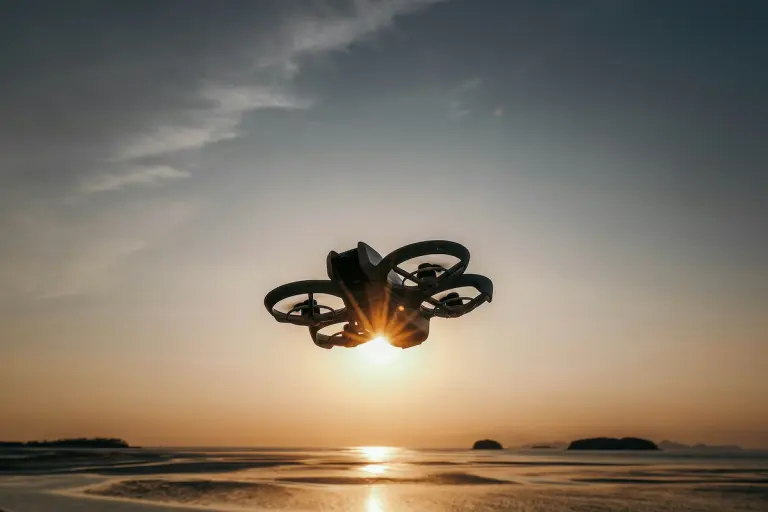
Drone photography in South Korea needs careful planning. Rules depend on the drone’s weight, altitude, airspace and purpose of the flight.
A drone of 25kg or less may generally be flown below 150 metres during daylight without flight approval only when it is outside controlled and no-fly airspace. In restricted airspace, controlled airspace or no-fly zones, approval may be required regardless of the drone’s weight or planned altitude.
Flights at 150 metres or above require approval. Drones used for commercial purposes must be reported, whatever their weight. For non-commercial use, drones over 2kg must be reported. Pilots flying drones over 250g also need the relevant pilot qualification.
Flying a drone without the required permission can lead to a fine of up to ₩5 million. Flying in restricted airspace without the necessary approval can also lead to a fine of up to ₩5 million.
14. Remember that flight approval is not location permission
A drone flight may meet aviation rules but still be prohibited by a park, landowner, palace, tourist attraction or local authority.
Aerial photography can also involve separate security restrictions, particularly in Seoul and near military or government sites. Before you fly, check the official drone map and approval system for the exact location and date.
If you cannot clearly confirm that a flight is allowed, do not fly.
15. Think before you share
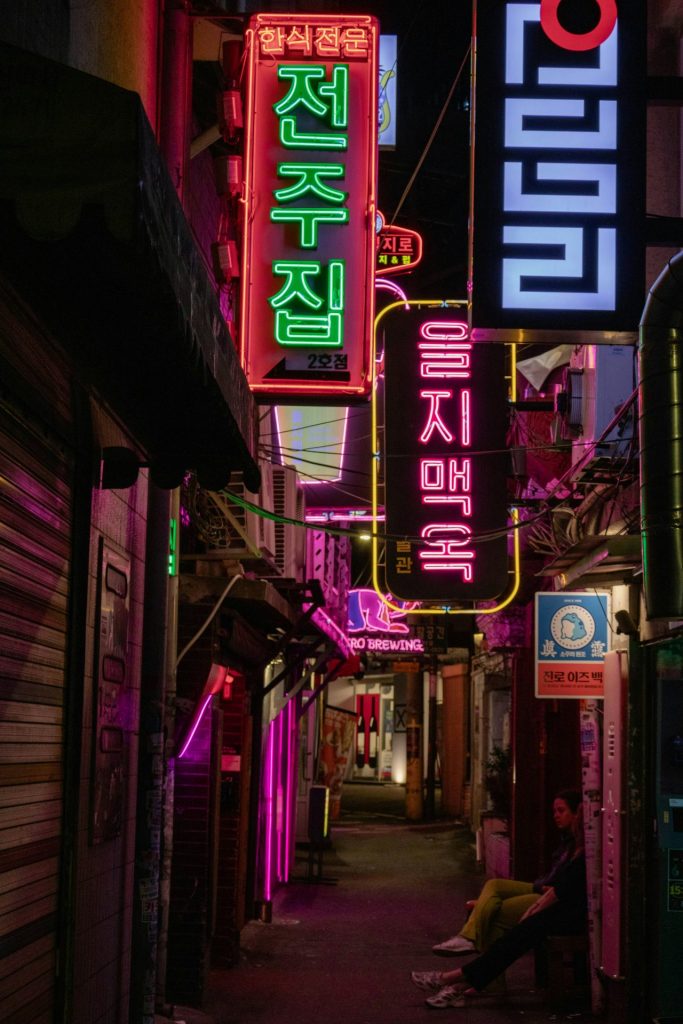
Respect continues after you take the photograph.
Before posting, ask whether an identifiable person would be comfortable seeing the image online. Blur faces or obtain permission when a stranger is recognisable and central to the frame. Be particularly careful with children, vulnerable people, private moments and images that reveal someone’s home, workplace or location.
Captions matter, too. Share context and appreciation rather than treating people, neighbourhoods and traditions as props.
South Korea is full of places that deserve to be remembered, and sometimes the best way to do that is to step into the frame yourself. A local Photo Trips photographer can help you capture your trip in Seoul and beyond with images that feel natural, personal and connected to the places you explored. Discover our Seoul photographers.