Fushimi Inari is one of Japan’s most famous shrines for good reason. The long rows of vermilion torii gates, the mountain setting, and the feeling of walking deeper into the shrine grounds make it one of the country’s most memorable experiences. But it can also get extremely busy, and that changes the atmosphere completely. If what you really want is the feeling of passing through torii gates in a more peaceful setting, there are several excellent alternatives across Japan.
Some of these places are dramatic coastal shrines. Others are smaller and more intimate, with shorter torii paths but a much calmer mood. A few are full destinations in their own right. What they have in common is that they still give you that strong visual experience of red gates, shrine atmosphere, and a sense of movement through sacred space, but often with far fewer people around.
Before we jump right in the selection, let’s us introduce ourselves! We are Photo Trips, a cool platform that connects travelers like you to some of the best local photographers. So if you want to get cool shots while traveling to Japan, make sure you check out this page for more info on how to hire photographers in Japan!

1. Motonosumi Inari Shrine, Yamaguchi
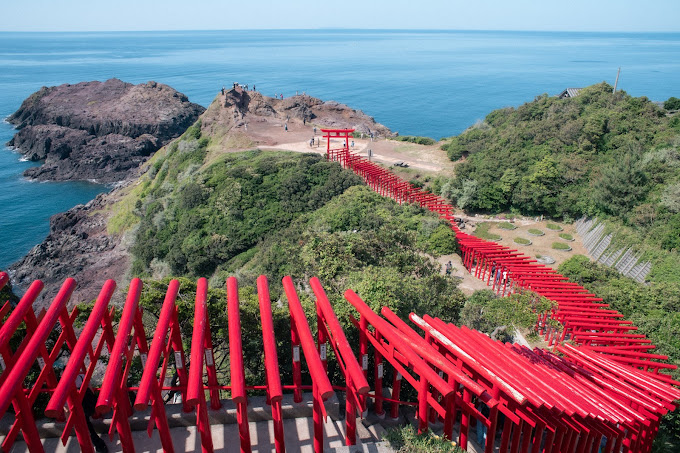
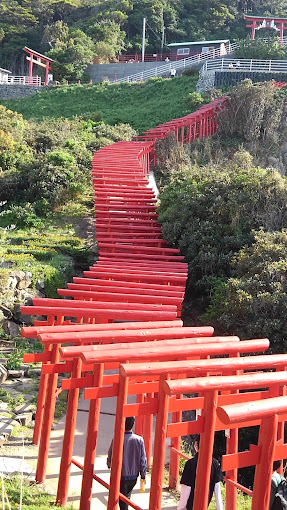
Motonosumi is one of the most visually striking alternatives in Japan. Instead of a forested mountain trail, you get a dramatic line of red torii gates running down toward the Sea of Japan. The contrast between the bright vermilion gates, the cliffs, and the deep blue water makes this one of the most unforgettable shrine settings in the country.
What makes Motonosumi especially rewarding is that it feels completely different from Kyoto while still giving you that same sense of progression through gates. The coastal setting adds a much bigger landscape element, so the experience feels less enclosed and more cinematic. It is one of the best picks if you want something iconic and photogenic, but not urban and crowded.
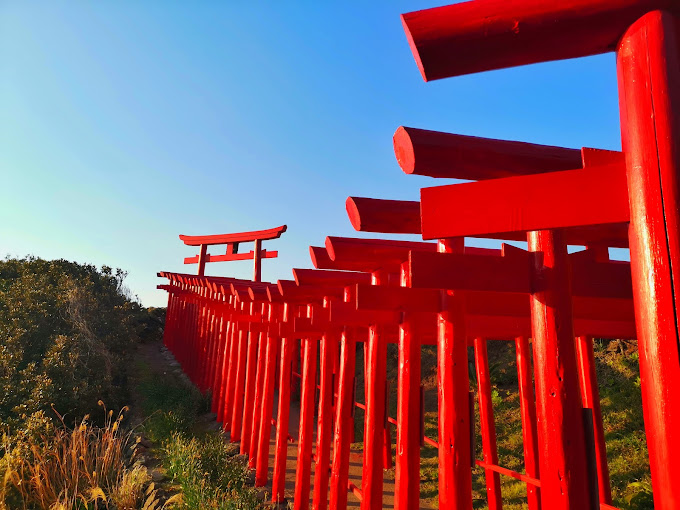
Give yourself enough time to enjoy the setting rather than treating it as a quick photo stop. Wind and weather can change the mood here a lot, so it is much better when you are not rushing. This is one of the strongest alternatives if you want torii gates with a grand natural backdrop.
2. Nezu Shrine, Tokyo
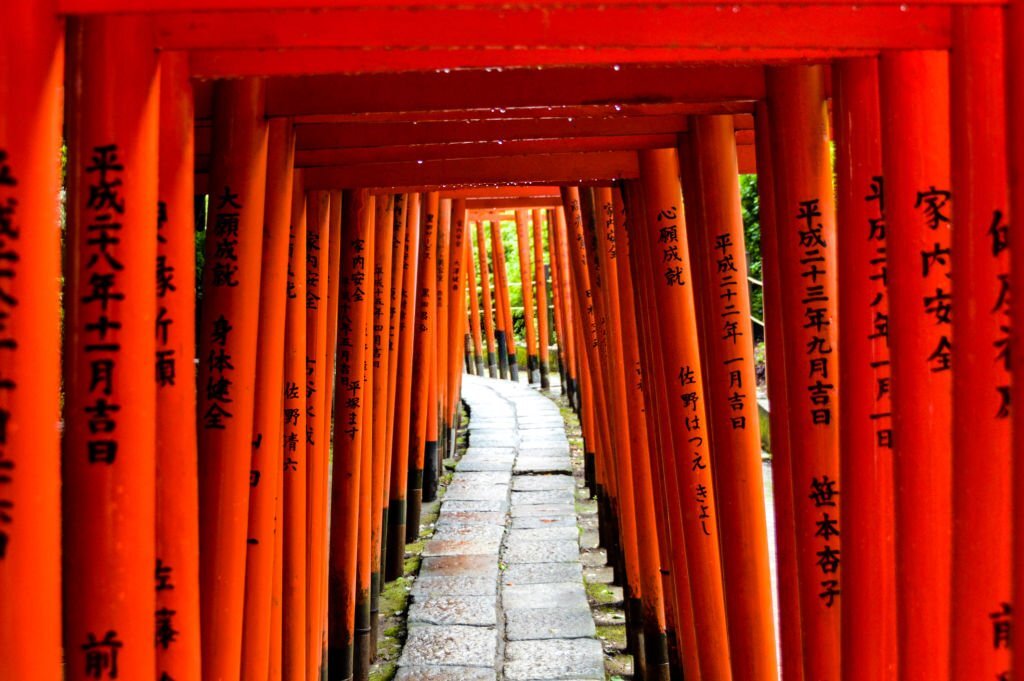
Nezu Shrine is one of the best compact alternatives if you want the torii experience without leaving Tokyo. The shrine is known for its beautiful vermilion gate corridor, and while it is much shorter than Fushimi Inari, the atmosphere is quieter, more refined, and much easier to enjoy slowly.
What makes Nezu work so well is balance. The grounds feel elegant, the architecture is beautiful, and the torii path has enough visual impact to feel special without becoming overwhelming. It is a strong choice for travelers who want something traditional and photogenic, but in a calmer city setting.
Pair Nezu Shrine with Yanaka or nearby older Tokyo neighborhoods if you want a fuller traditional day. Go on a weekday if possible. This is one of the easiest and most rewarding torii experiences in Tokyo.
3. Hie Shrine, Tokyo

Hie Shrine is another very good Tokyo alternative, especially if you like the visual rhythm of torii gates but want something central and easy to reach. The red torii stairway here is shorter and more compact, but the setting is elegant and gives the experience a more structured, polished feeling.
What makes Hie Shrine stand out is the contrast. You are in central Tokyo, surrounded by the modern city, yet the torii approach still feels distinctly traditional. That gives it a different mood from Fushimi Inari, but it works very well for travelers who want something atmospheric without needing a half-day excursion.
Come early or during a quieter part of the day if you want the stairs and gates to feel calmer. It is not a major shrine hike like Fushimi Inari, but it is one of the best choices if you want a smaller torii experience that still feels memorable.
You May Also Like: Best Kimono Photo Spots in Tokyo
4. Takayama Inari Shrine, Aomori
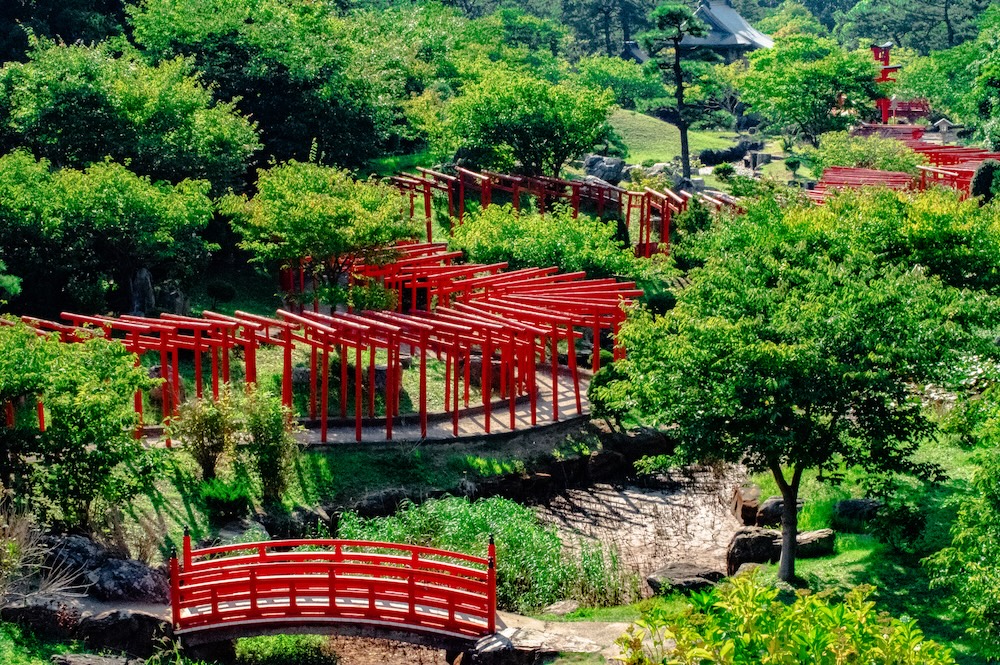
Takayama Inari is one of the strongest alternatives on this list if what you want is a large-scale torii experience. The rows of gates curve through the landscape in a way that feels both dramatic and more open than Fushimi Inari. It has a very distinctive atmosphere, especially with seasonal colors or in winter.
What makes this shrine especially special is the setting. The torii do not feel squeezed into a dense tourist area. They flow through gardens and open space, which gives the whole experience more breathing room. It feels more remote, more scenic, and far less pressured than Kyoto.
Treat this as a destination rather than a casual stop. The location is part of what keeps the atmosphere intact. If you want the closest thing to a big torii-path experience without the Fushimi Inari crowds, this is one of the best places in Japan.
5. Ukiha Inari Shrine, Fukuoka
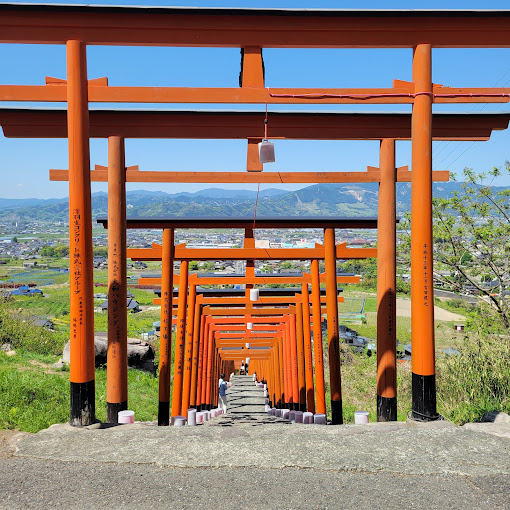
Ukiha Inari is an excellent alternative if you want torii gates combined with broad scenic views. The line of vermilion gates climbs the hillside, and from higher up you get a wide view over the plain below. It gives the experience a more elevated, open-air feeling than Fushimi Inari.
What is especially nice here is the combination of atmosphere and perspective. You still get the visual pleasure of passing through red gates, but the reward is not just the gates themselves. It is also the view and the sense of space around the shrine. That makes it a very satisfying option for travelers who want something scenic as well as traditional.
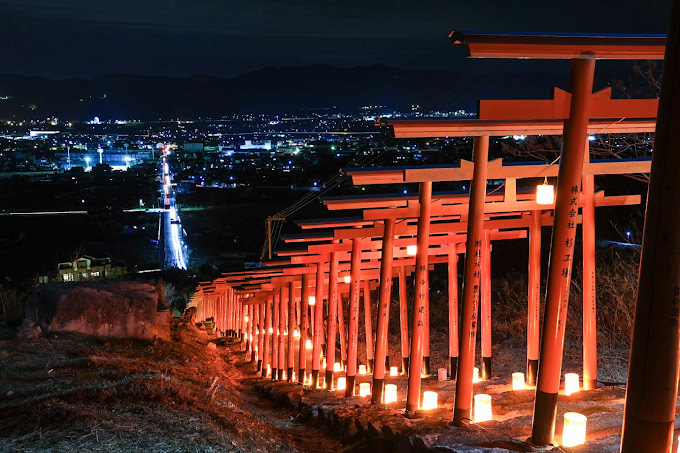
Be ready for steps and give yourself time to enjoy the higher viewpoints. This works best as a calm, slow visit rather than a quick stop. If you like shrines with both visual impact and a strong landscape setting, Ukiha is a very good choice.
6. Koizumi Inari Shrine, Gunma
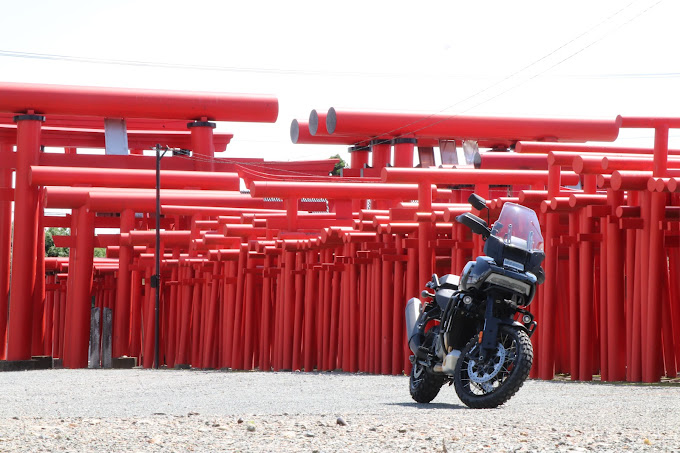
Koizumi Inari is one of the best Kanto-area alternatives if your priority is simply lots of torii. The shrine is known for having more than 200 gates, including long rows that create a proper tunnel effect. It gives you a real sense of repetition and rhythm, which is exactly what many travelers love most about Fushimi Inari.
What makes Koizumi appealing is that it is much less internationally famous, so the atmosphere tends to feel more local and less crowded. The gates are the main attraction here, and the experience is very direct. If you want the visual effect of torii corridors without needing to go to Kyoto, it works extremely well.
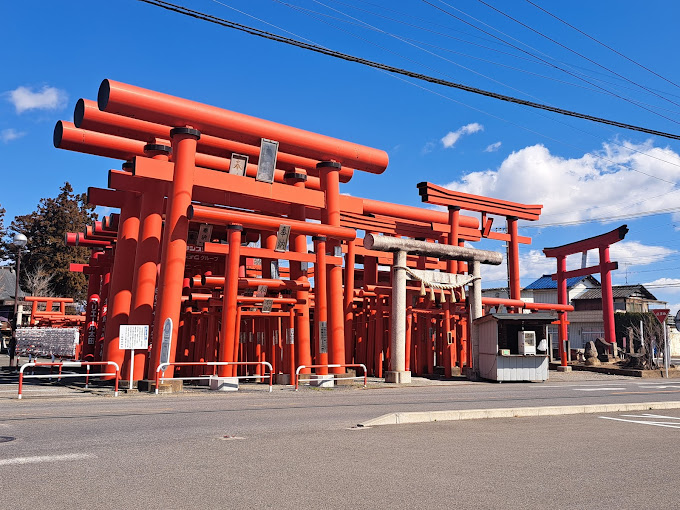
This is a great option for travelers already moving around the Kanto region. Do not expect the same mountain-shrine drama as Fushimi Inari. Come here for the gates themselves and the much quieter experience.
7. Sasuke Inari Shrine, Kamakura
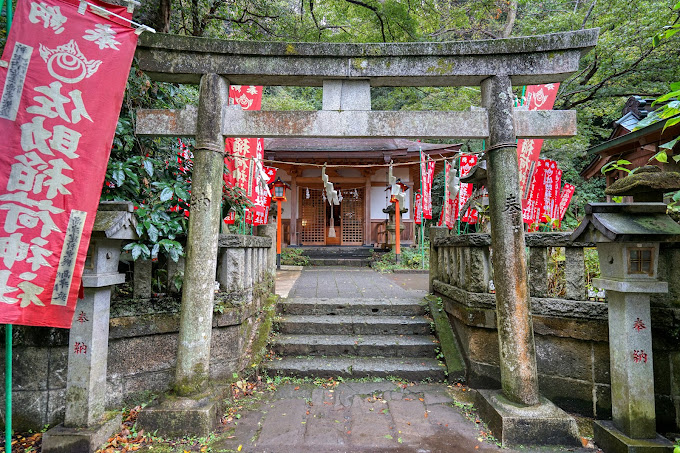
Sasuke Inari is a smaller and more intimate alternative, but it is one of the most atmospheric. Hidden in a quieter part of Kamakura, it has rows of vermilion torii gates, stone steps, and a secluded feel that makes the shrine feel much more personal than the larger famous sites.
What makes Sasuke especially rewarding is the mood. Instead of a huge landmark experience, you get something quieter and more mysterious. The path through the gates feels tucked away, and the shrine’s fox imagery adds a strong Inari atmosphere without the scale of Kyoto.
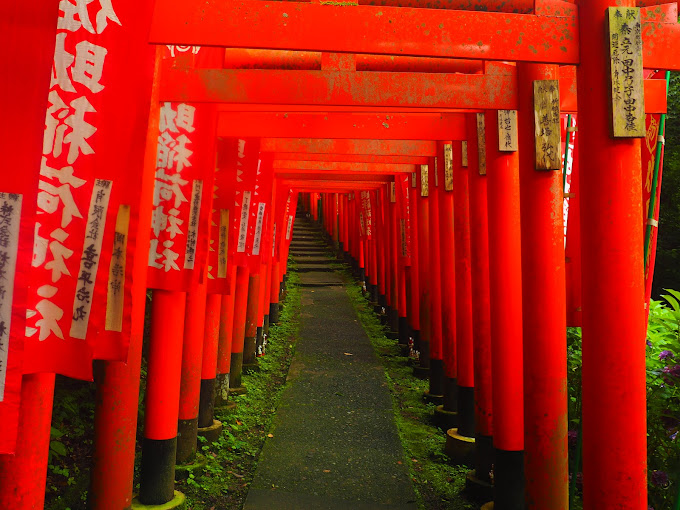
Pair it with a Kamakura day rather than visiting only for the shrine. It works particularly well for travelers who enjoy smaller, character-filled places more than headline attractions. If Fushimi Inari feels too intense, Sasuke Inari offers a much gentler version of the same appeal.
8. Keihin Fushimi Inari Shrine, Kawasaki
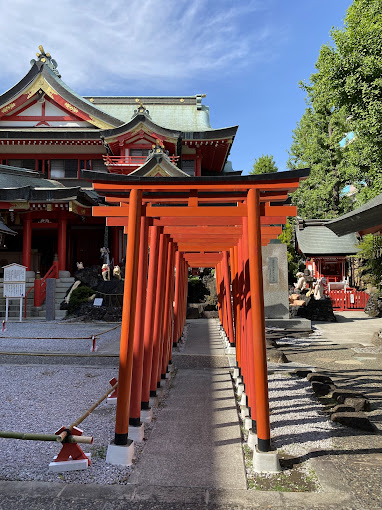
Keihin Fushimi Inari is one of the most direct alternatives in the Tokyo area because it was deliberately designed to echo the experience of Kyoto’s famous shrine. The red torii gates and fox imagery make the connection obvious, and the overall feel is much more approachable if you want something nearby and much less crowded.
What makes this place especially interesting is that it gives you a familiar kind of experience in a far more local setting. It does not try to compete with Kyoto in scale, but it gives you the same core visual language of gates, foxes, and a shrine path that feels immersive enough to satisfy travelers looking for that atmosphere.
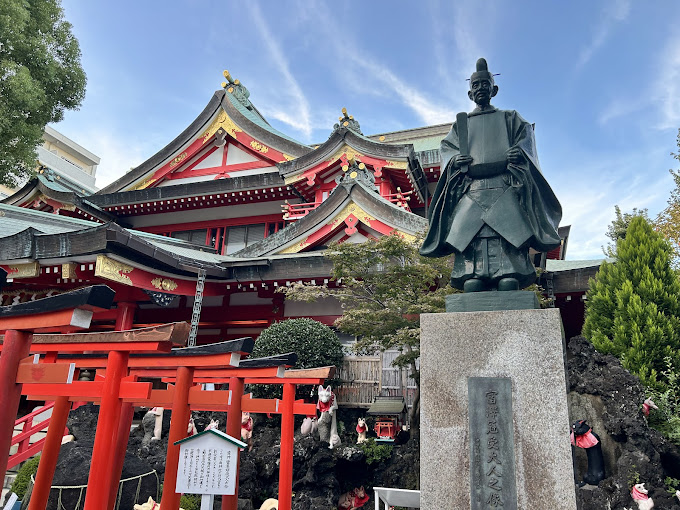
This is one of the easiest recommendations for travelers based in Tokyo who want a similar feel without taking on a long trip. Keep expectations realistic, but if convenience matters, this is one of the smartest choices.
9. Akasaka Oji Inari Shrine at Nogi Shrine, Tokyo
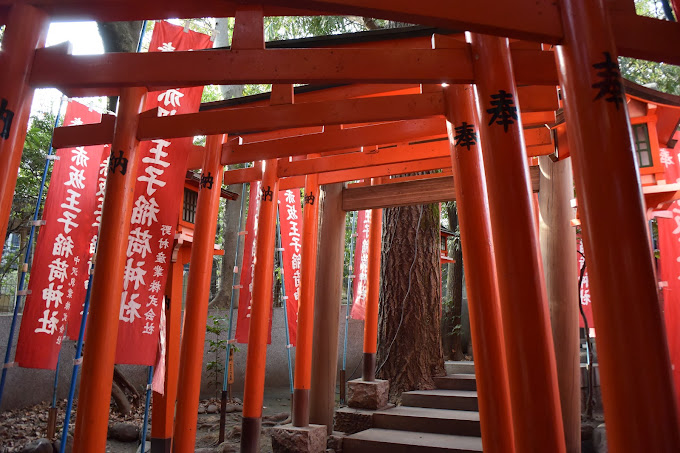
This is one of the smallest alternatives on the list, but it works well if you want a quick torii experience in central Tokyo. Tucked within the grounds of Nogi Shrine, Akasaka Oji Inari has a compact tunnel of red torii that feels surprisingly atmospheric given how central the location is.
What makes it worth recommending is convenience and mood. You are not coming here for a major shrine outing. You are coming for a small, elegant, easy-to-fit-in stop that still gives you that torii-gate feeling without heavy crowds or long travel times.
This is best for travelers who want a quieter, quicker alternative rather than a destination in itself. If you are staying in Tokyo and want to mix a shrine visit into a broader city day, it works very well.
10. Anamori Inari Shrine, Narita
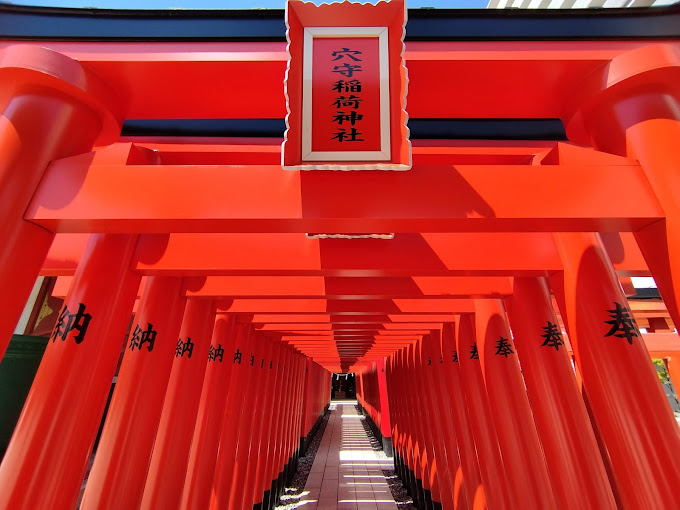
Anamori Inari Shrine is a very good alternative if you want a torii gate experience without leaving Tokyo. It is much less famous internationally than places like Fushimi Inari, which is exactly why it feels calmer and easier to enjoy. The rows of red torii gates here are one of the main reasons to visit, and they give you that same strong visual rhythm people usually love in Inari shrines.
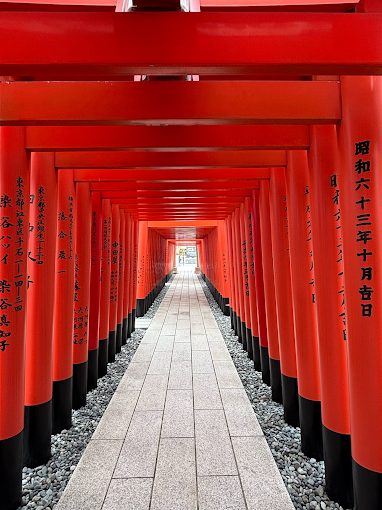
What makes Anamori Inari especially nice is the atmosphere. It feels more local and more understated than the big-name shrine destinations, but it still has a very photogenic layout. The red gates, fox statues, and shrine grounds all come together in a way that feels traditional and very satisfying, especially if you want something in Tokyo that still has a strong Inari identity.
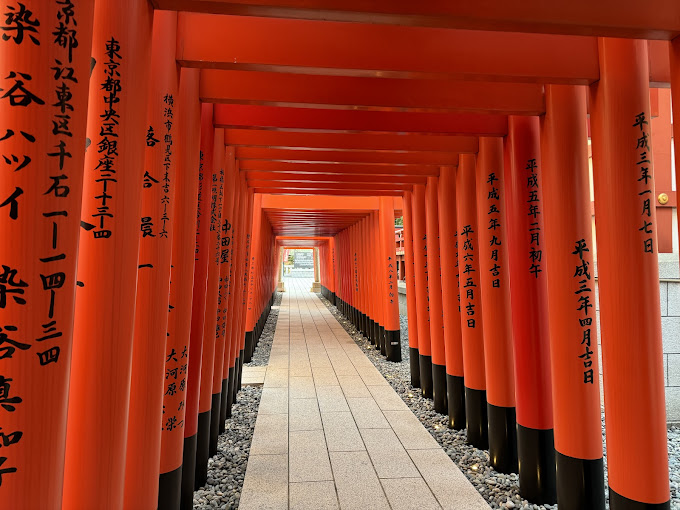
This is a great pick if you are based in Tokyo and want a shrine experience that is easy to reach and much less crowded. It works well as a short stop, but also as part of a wider day around the Haneda or southern Tokyo side of the city. If your priority is convenience without losing the torii gate atmosphere, this is one of the best additions to the list.
11. Taikodani Inari Shrine, Tsuwano, Shimane
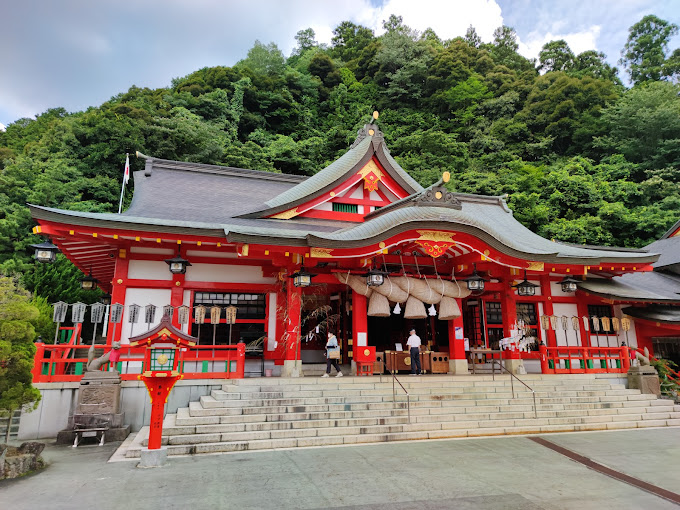
Taikodani Inari Shrine is one of the strongest alternatives to Fushimi Inari anywhere in Japan if what you want is scale. The shrine is famous for its long approach lined with hundreds of red torii gates, and the whole setting feels much more like a destination than a quick stop. If you want that immersive feeling of walking through a tunnel of gates, this is one of the best places to do it.
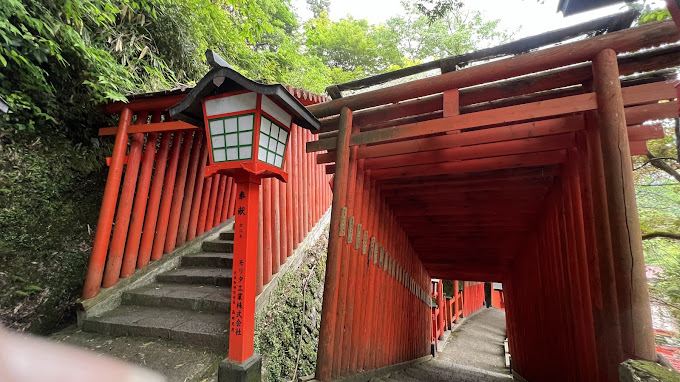
What makes it even better is the location. Tsuwano already has a very traditional atmosphere and is often described as a kind of Little Kyoto, so visiting the shrine feels like part of a much bigger historical outing. The torii path climbs the hillside, which gives the experience more drama and also adds beautiful views once you get higher up.
This is the kind of place to recommend to travelers who are willing to go a little farther for something really memorable. It is not the easiest substitute in terms of access, but it absolutely delivers the kind of torii gate experience people are usually hoping for when they think of Fushimi Inari. If you want one of the most rewarding and atmospheric alternatives in Japan, Taikodani Inari Shrine deserves a place near the top.
Final thoughts
If Fushimi Inari feels too crowded for the kind of shrine experience you want, these alternatives give you several better directions depending on your travel style. Motonosumi and Takayama Inari are the strongest choices if you want something dramatic and destination-worthy. Nezu, Hie, and Akasaka Oji Inari work very well if you want a calmer torii experience in Tokyo. Ukiha and Koizumi are excellent if the gates themselves are your main priority, while Sasuke Inari and Keihin Fushimi Inari are especially good if you want something more intimate and less obvious.
The best alternative depends on what you love most about Fushimi Inari. If it is the scale, go to Takayama Inari. If it is the torii tunnel feeling, Koizumi and Keihin Fushimi Inari are strong picks. If it is atmosphere and beauty without the pressure of huge crowds, Motonosumi, Nezu, and Sasuke Inari stand out most.