Gotokuji Temple is one of my favorite temples in Tokyo, and not only because of the famous maneki neko lucky cats. I lived near Gotokuji for a long time, and for me, this place has always been one of the best local spots to get some fresh air, slow down, and enjoy a quiet moment away from the busiest parts of the city.
Many visitors come here for the thousands of white lucky cat statues, and they are definitely worth seeing. But Gotokuji is more than just a “maneki neko temple.” The temple grounds are peaceful, green, and spacious, with traditional buildings, quiet pathways, a beautiful pagoda, and a calm residential atmosphere that feels very different from places like Shibuya, Shinjuku, or Asakusa.
Located in Setagaya Ward, Gotokuji is a great place to visit if you want to discover a more local side of Tokyo. It is not difficult to access, but it still feels slightly hidden, which is part of its charm.
History & Local Context
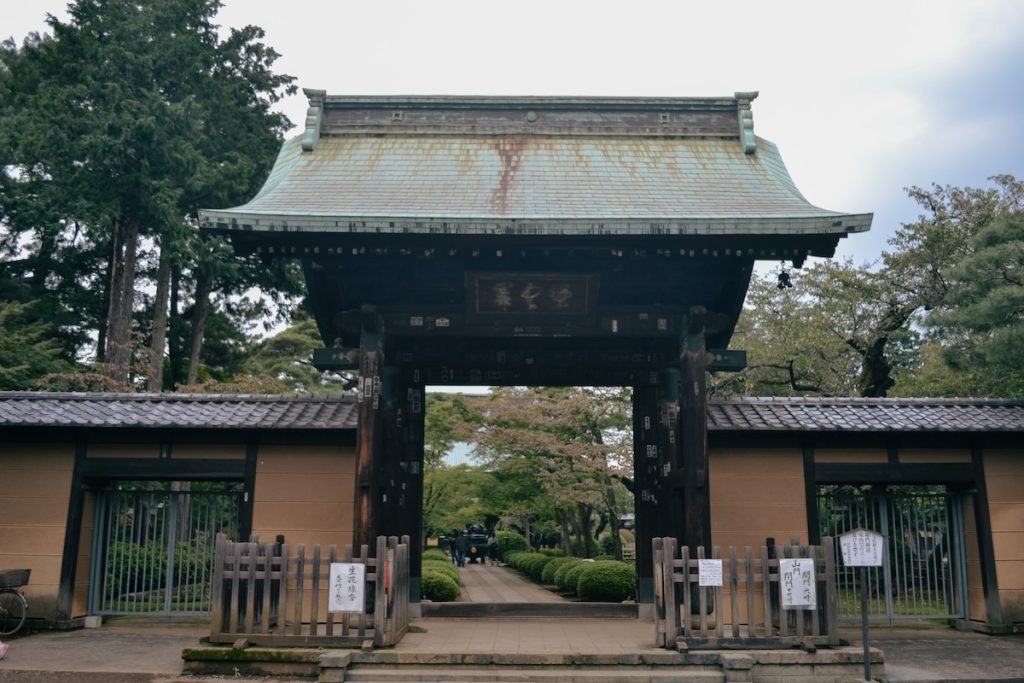
Gotokuji Temple is a Buddhist temple located in Setagaya, a quiet residential area in western Tokyo. The temple is closely connected to the Ii family, an important samurai clan from the Edo period. Because of this, Gotokuji is not only a cute lucky cat spot but also a place with real historical depth.
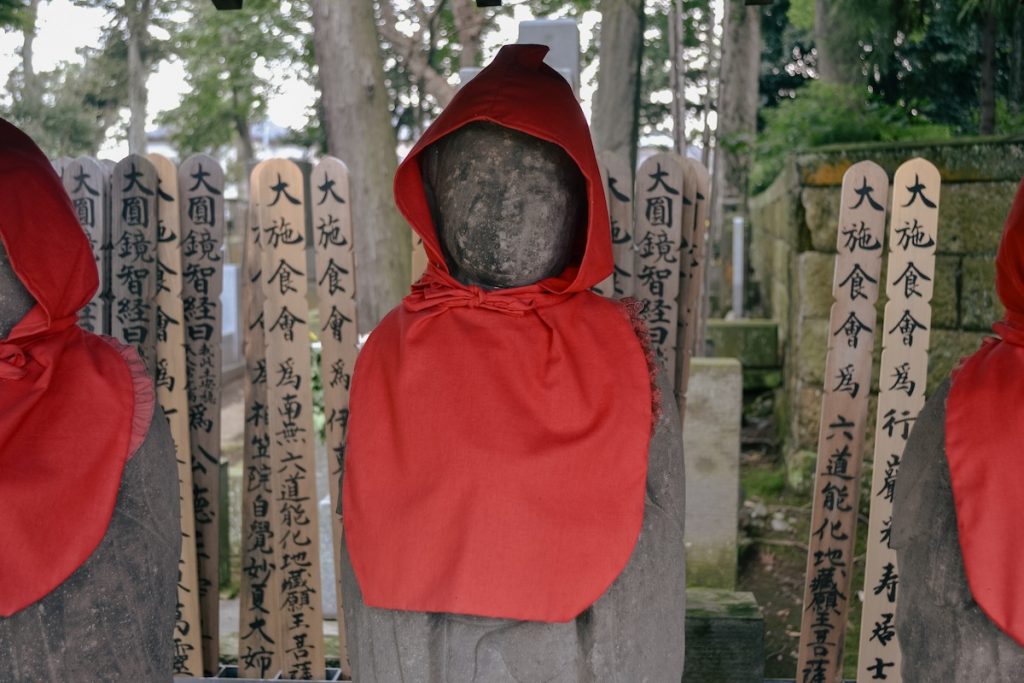
The temple has a calm and traditional atmosphere, with large trees, temple buildings, stone paths, and a cemetery connected to the Ii family. Unlike some of Tokyo’s more famous temples, Gotokuji does not feel overly commercial or crowded most of the time. It feels like a neighborhood temple that became famous while still keeping its peaceful character.
For people who want to see a slower side of Tokyo, this area is very interesting. Gotokuji and the nearby Setagaya neighborhoods have a local feeling, with small shops, quiet streets, and a more relaxed rhythm. It is the kind of place where you can walk without rushing, stop for a coffee, and enjoy Tokyo away from the major tourist routes.
That is one reason I personally like this temple so much. It is famous, but it still feels peaceful.
The History of Maneki Neko and Why They Are Lucky
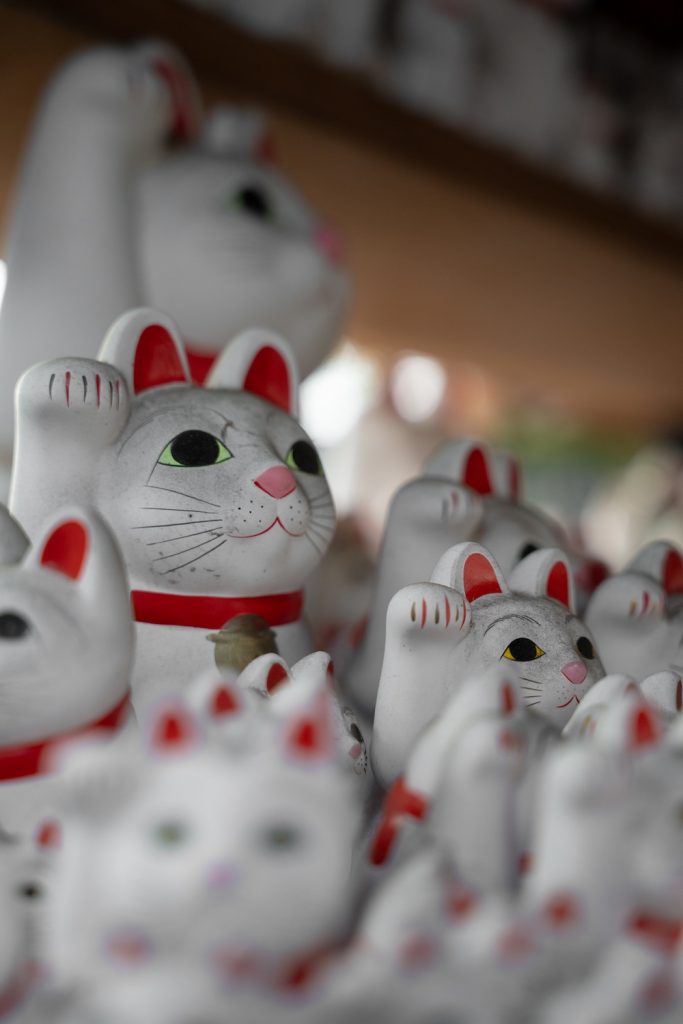
Gotokuji Temple is often associated with the origin story of the maneki neko, the Japanese “beckoning cat” believed to bring good luck and fortune.
According to one famous legend, a feudal lord was passing near the temple during a storm when he saw a cat raising its paw, as if inviting him inside. He followed the cat’s gesture and entered the temple. Soon after, lightning struck the place where he had been standing. Grateful for being saved, the lord later supported the temple, helping it become more prosperous.
This story is one of the reasons the maneki neko became a symbol of good luck. The raised paw is seen as a welcoming gesture, inviting fortune, protection, customers, or good opportunities depending on the context. In Japan, you can often see maneki neko figures in shops, restaurants, homes, and businesses.
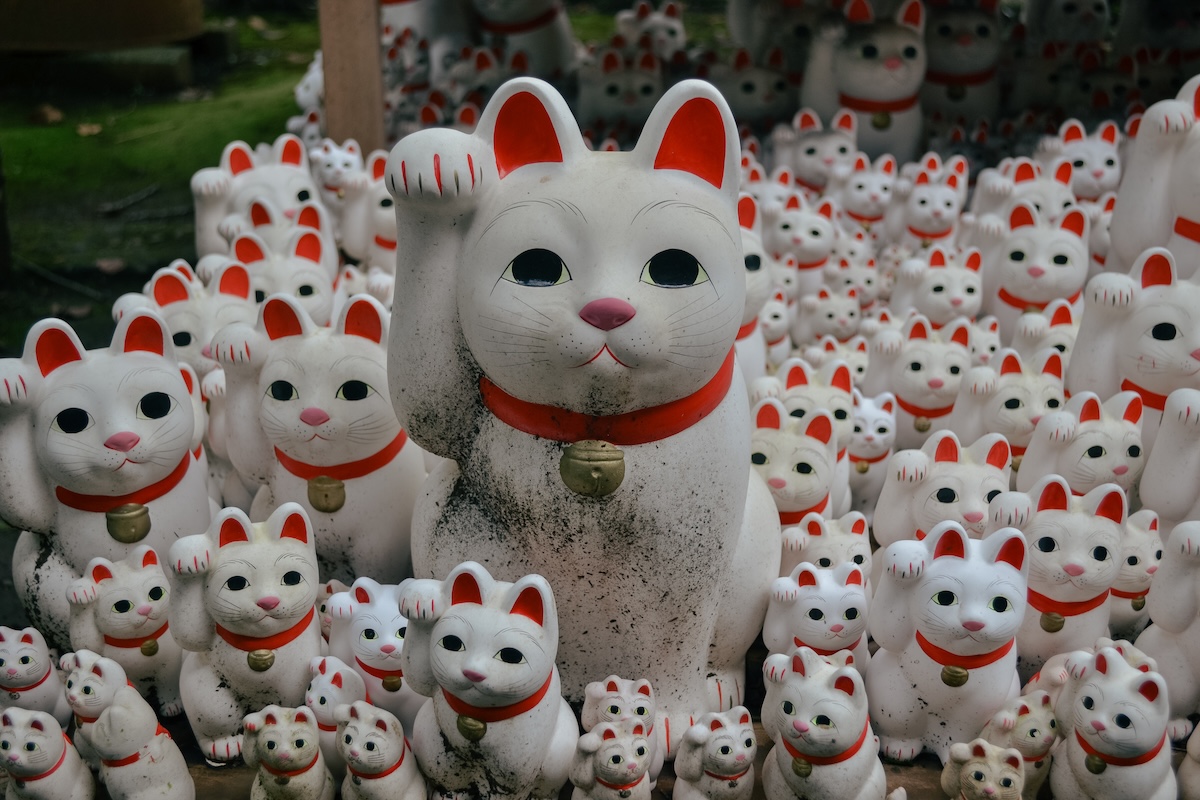
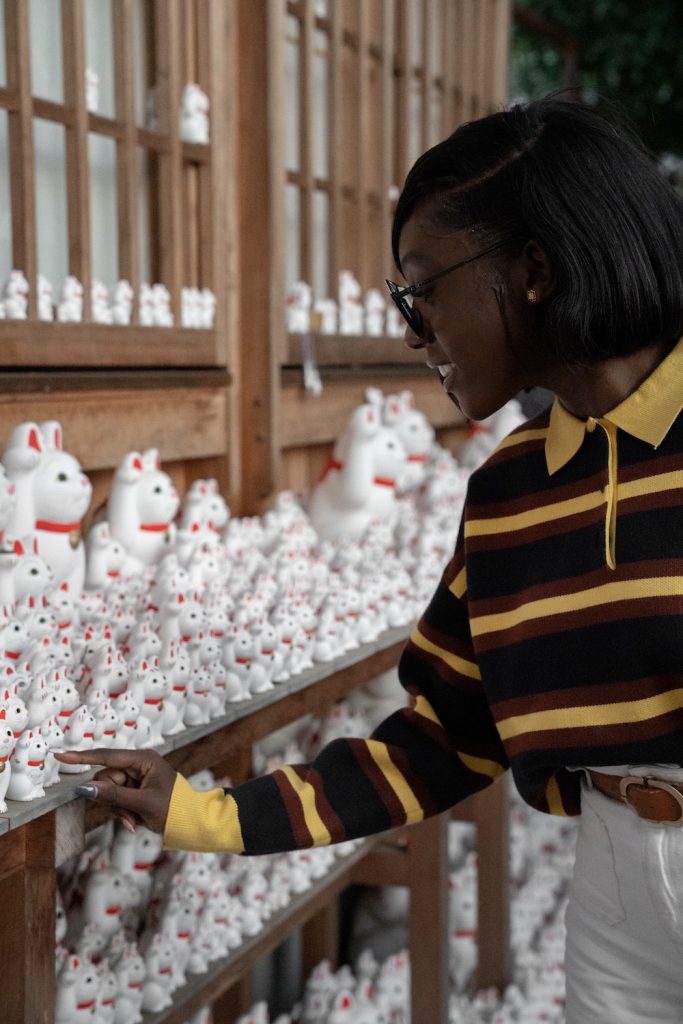
At Gotokuji, visitors buy small white maneki neko statues and place them at the temple as a sign of gratitude after a wish comes true, or as a prayer for good luck. This is why you can see so many lucky cats gathered together in one area of the temple. It creates one of the most unique and memorable scenes in Tokyo.
What to See at Gotokuji Temple
The Maneki Neko Lucky Cat Area
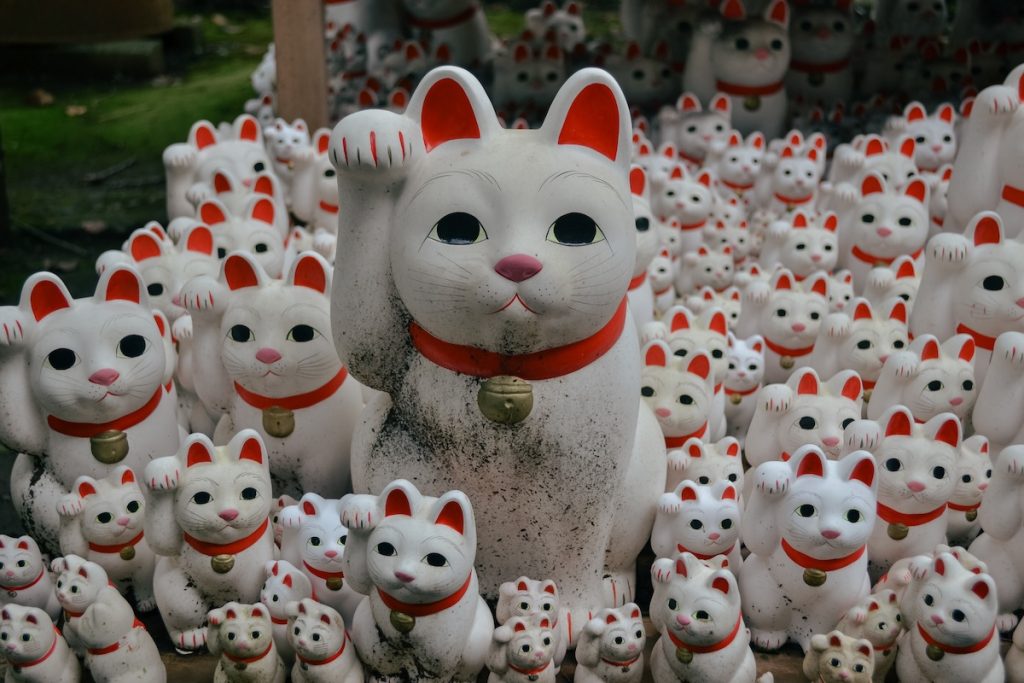
The most famous spot at Gotokuji Temple is the area filled with hundreds, sometimes thousands, of white maneki neko statues. This is what attracts most visitors, and it is definitely the most unique part of the temple.
The cats come in different sizes, all placed together around shelves and temple structures. The scene is charming, unusual, and very photogenic. Even if you have seen maneki neko in shops or restaurants before, seeing so many of them gathered in one temple feels special.
This area can get busy when tour groups or visitors arrive, but it usually remains more manageable than Tokyo’s major sightseeing spots. If you want to enjoy it quietly, morning is the best time to visit.
Buying a Maneki Neko or Ema
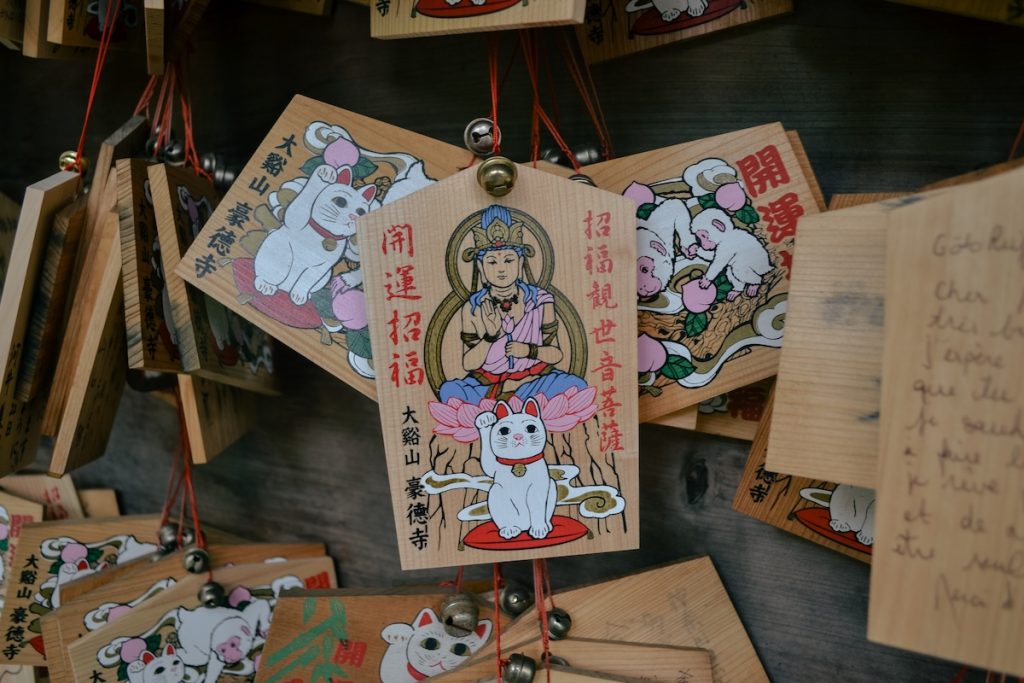
If you want to buy a maneki neko from Gotokuji Temple, an ema wooden prayer tablet, an omamori charm, or another temple item, make sure you do not arrive too late.
The temple grounds stay open longer, but the temple office and shop usually close around 3:00 PM. This is very important because many visitors come specifically to buy a maneki neko or ema from Gotokuji itself.
Also, popular items can sell out, especially during high season, weekends, holidays, or busy travel periods. If buying a lucky cat, ema, or temple charm is important for you, it is better to go earlier in the morning. This gives you a better chance to find what you want before items sell out.
The ema are the small wooden tablets where visitors write wishes or prayers before hanging them at the temple. At Gotokuji, they are especially nice because they are connected to the lucky cat theme, making them a meaningful souvenir or prayer item.
The Main Temple Buildings
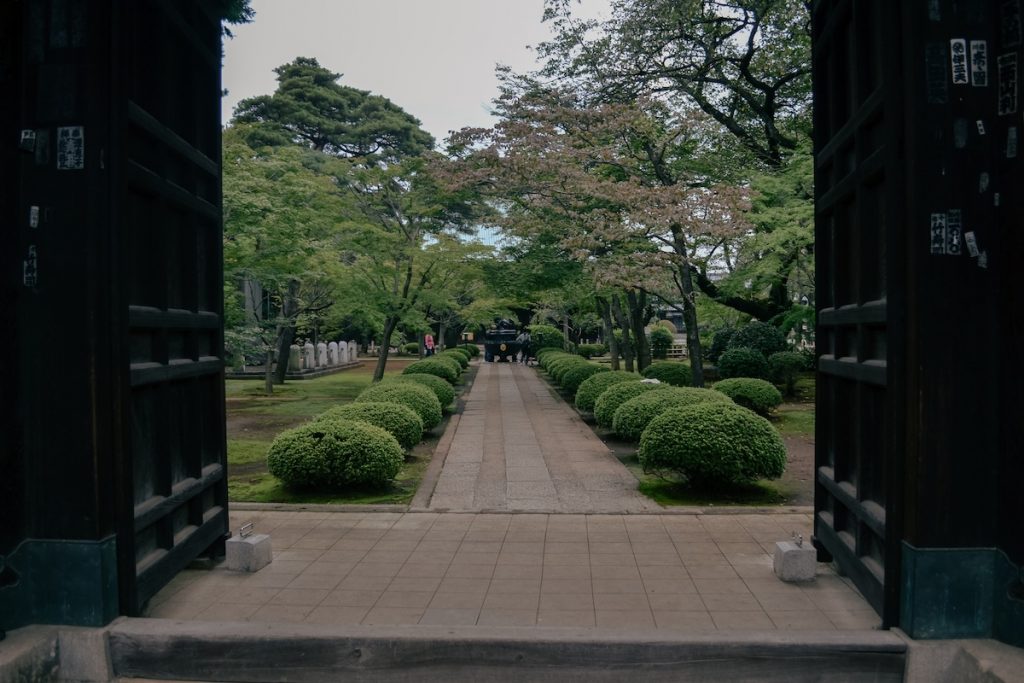
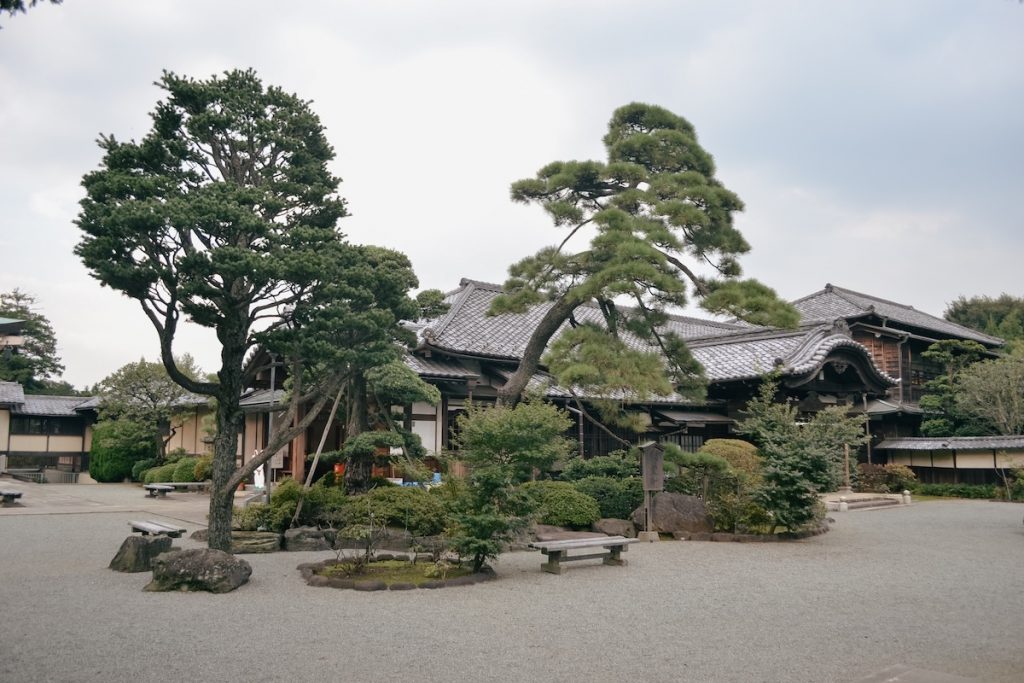
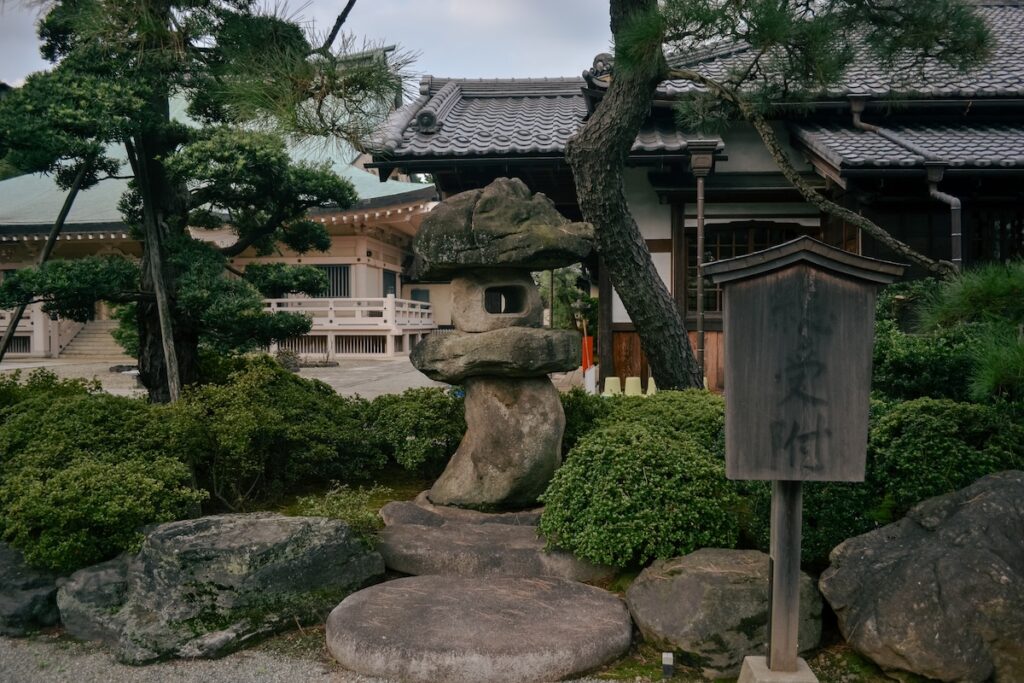
Gotokuji Temple has beautiful traditional buildings that are easy to overlook if you only focus on the lucky cats. The main temple area is peaceful, with wooden architecture, incense, and a calm atmosphere.
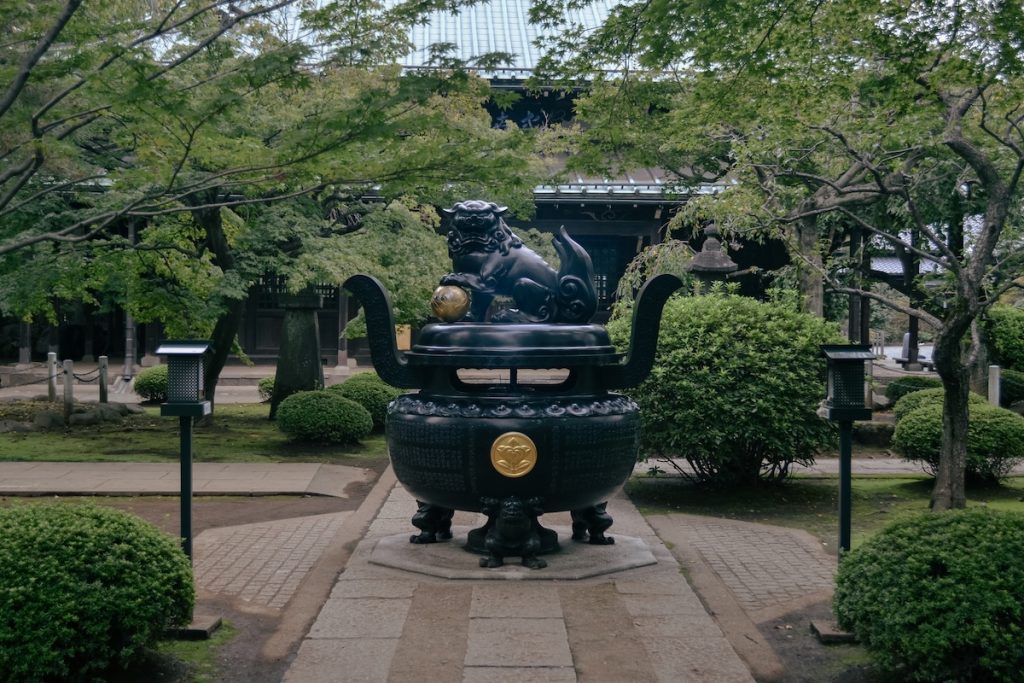
Take time to walk around and appreciate the space. The buildings are not as massive as some famous temples in Tokyo or Kyoto, but they have a quiet elegance. This is part of what makes Gotokuji so pleasant: it feels local, balanced, and not overwhelming.
The Three-Story Pagoda
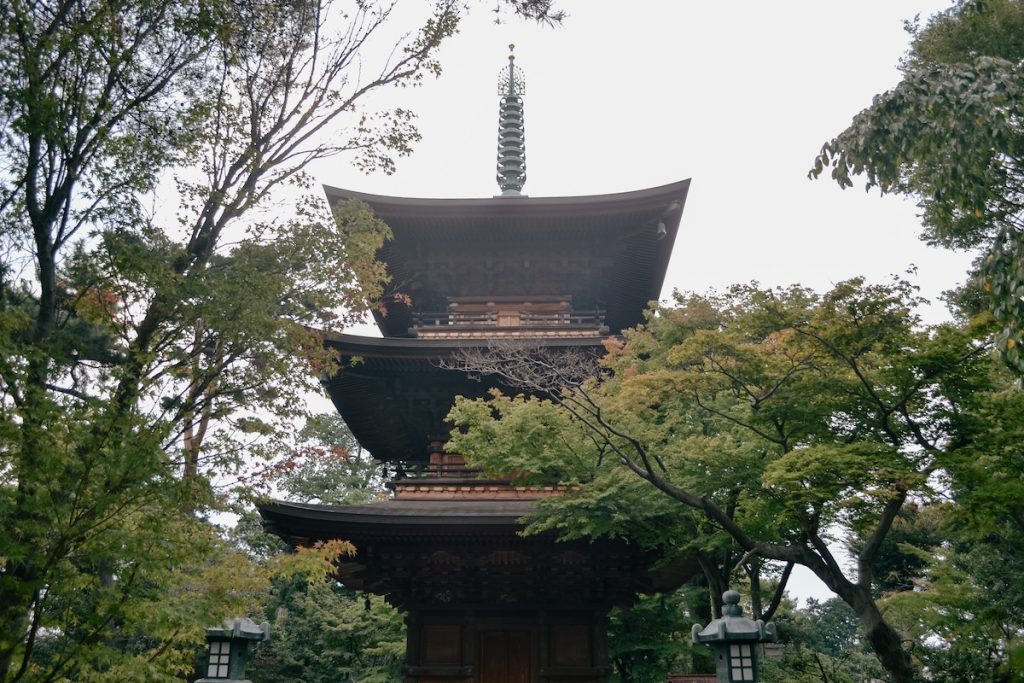
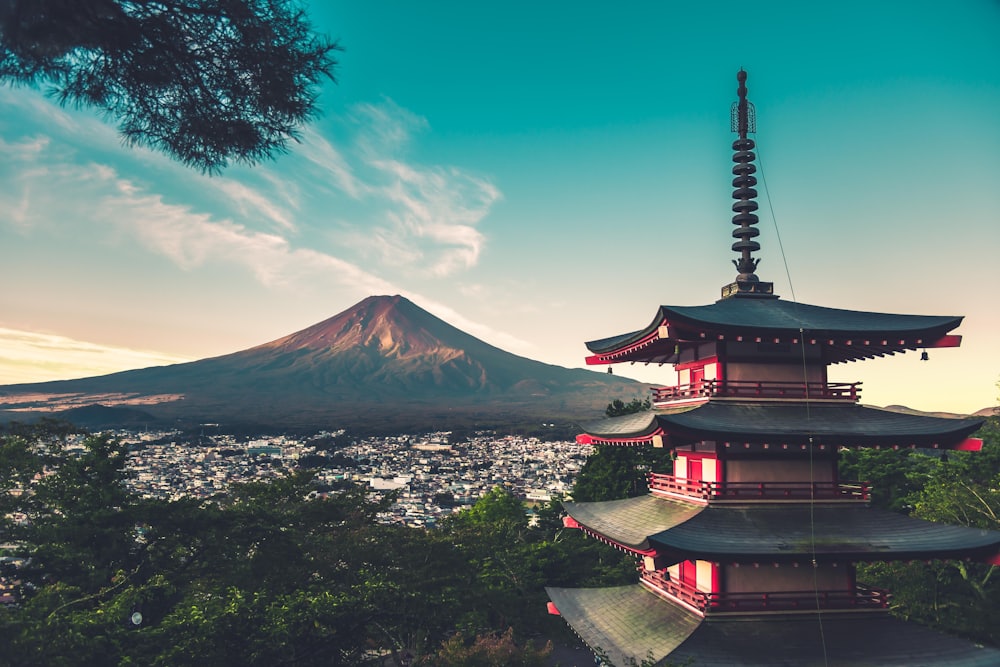
One of the most beautiful structures at Gotokuji is its three-story pagoda. It adds a very traditional feeling to the temple grounds and looks especially nice surrounded by trees.
The pagoda also includes small cat details, so it is worth looking closely instead of just passing by. This is one of my favorite parts of the temple because it reminds you that Gotokuji is not only about one famous photo spot. The whole temple has character.
The Green Temple Grounds
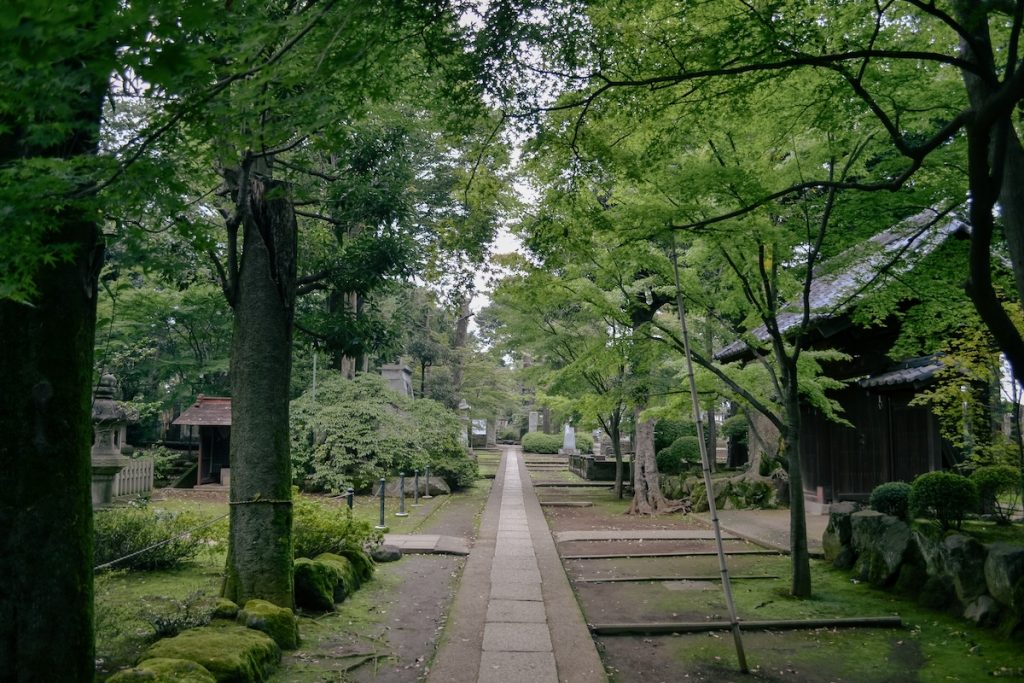
One reason I personally love Gotokuji is the greenery. The temple grounds have trees, open space, shaded paths, and a calm atmosphere that makes the visit feel refreshing.
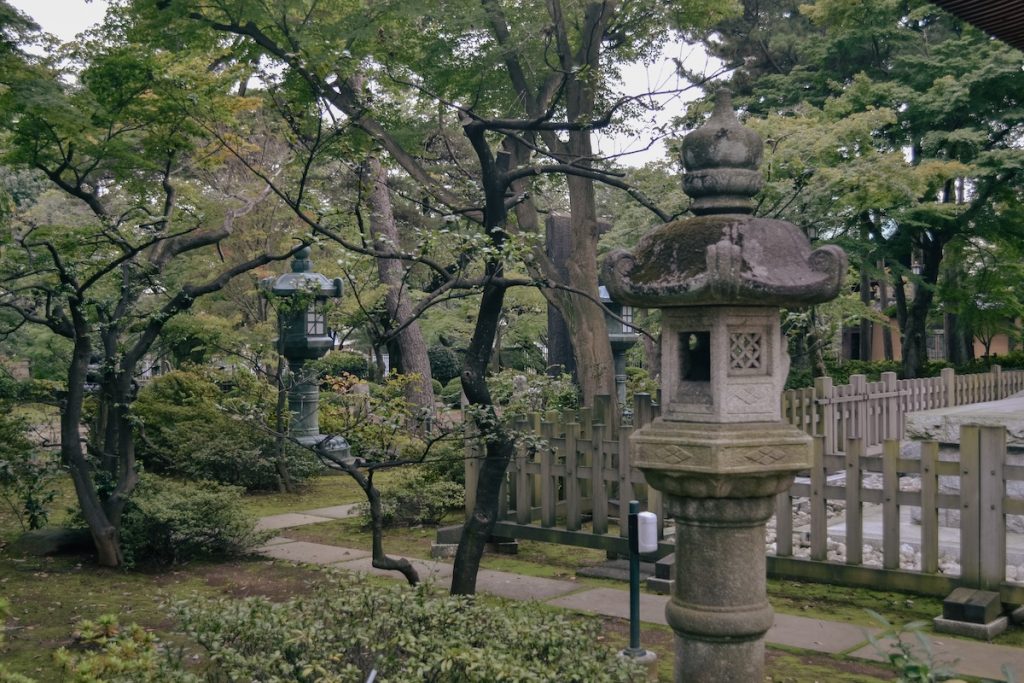
Tokyo can be intense, especially around the major stations and shopping districts. Gotokuji feels different. It is a place where you can breathe, walk slowly, and enjoy a quiet moment. Even if you are not especially interested in temples, the peaceful environment makes it worth visiting.
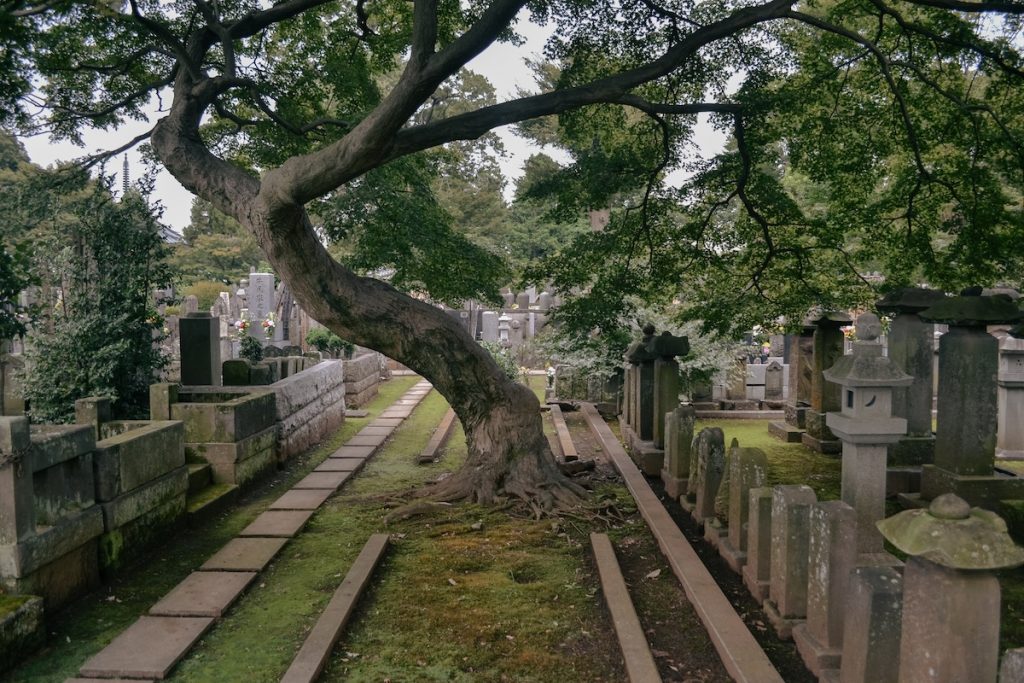
This is also why Gotokuji is nice in different seasons. Spring, early summer, autumn, and even winter each give the temple a slightly different mood.
The Local Streets Around Gotokuji
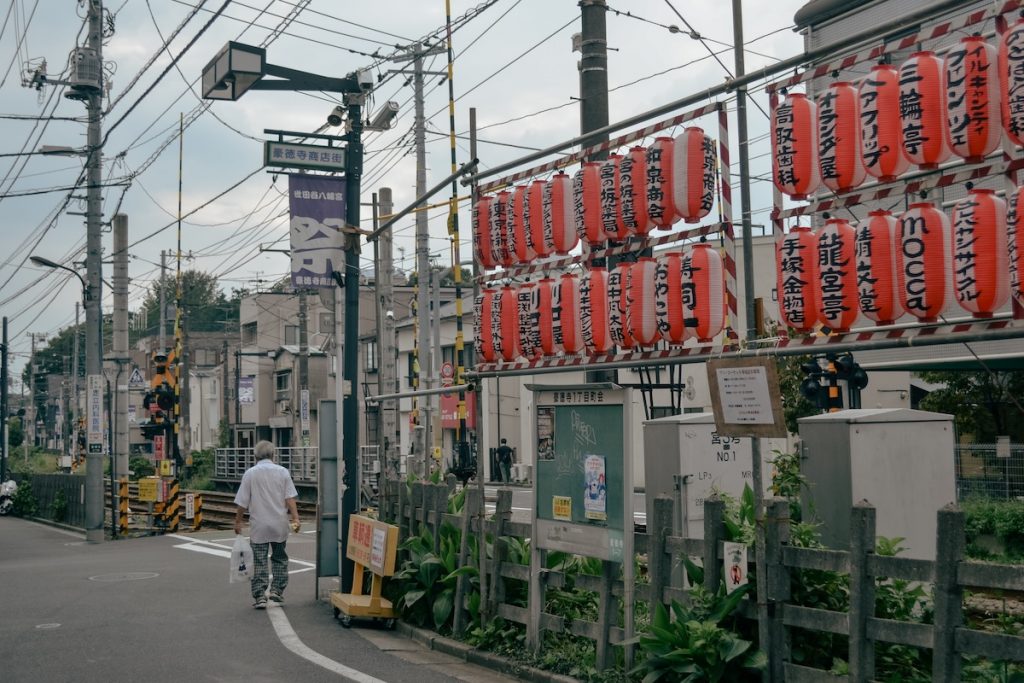
The area around Gotokuji Temple is also part of the experience. The streets are quiet and residential, with small shops, local cafes, and a very different atmosphere from central Tokyo.
If you have time, do not just visit the temple and leave immediately. Walk around the neighborhood, explore the small streets, and enjoy the calm Setagaya feeling. This is one of the best parts of visiting Gotokuji: you get a glimpse of everyday Tokyo, not only tourist Tokyo.
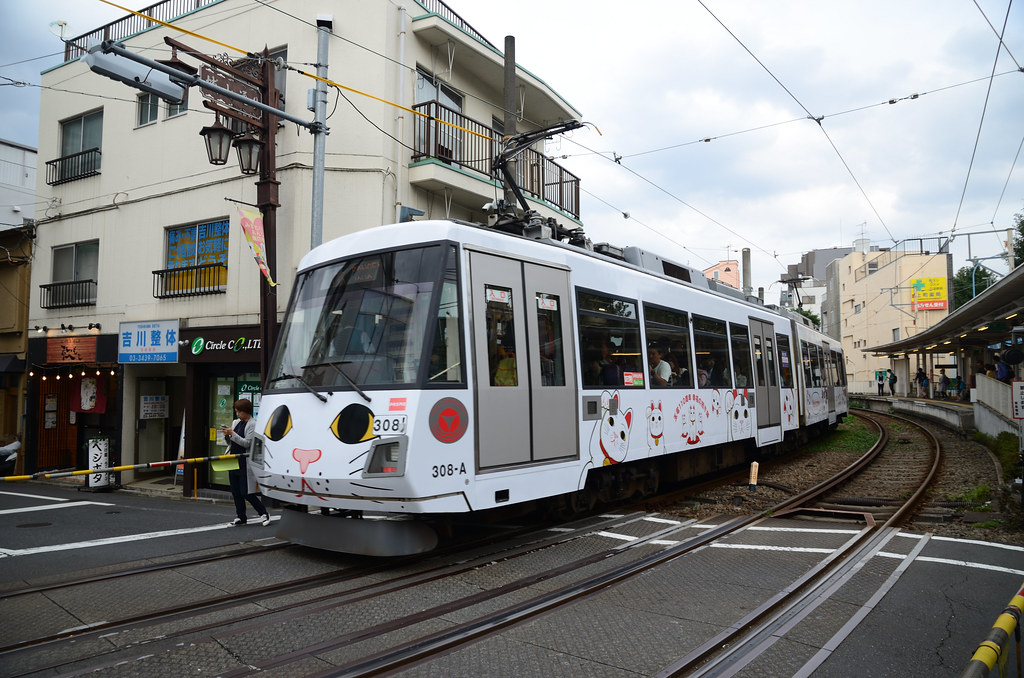
Another nice detail around Gotokuji is the Tokyu Setagaya Line, where a special Maneki Neko-themed tram sometimes passes through the neighborhood. Not every tram has this lucky cat design, but if you are lucky enough to see one, it is a very photogenic little moment that fits perfectly with a visit to Gotokuji Temple.
Best Time to Visit Gotokuji Temple
The best time to visit Gotokuji Temple is in the morning, especially if you want a quieter experience and if you hope to buy a maneki neko, ema, or temple charm from the shop.
The temple grounds usually open early, while the temple office and shop close much earlier than many visitors expect, usually around 3:00 PM. Because popular items can sell out, morning is the safest time to go if buying something is important for you.
Weekdays are generally better than weekends. Gotokuji is not as crowded as places like Senso-ji or Meiji Shrine, but it has become much more popular thanks to social media and the lucky cat area. On weekends and holidays, you may see more visitors taking photos around the maneki neko.
Spring is a beautiful time to visit because the greenery feels fresh and the weather is comfortable. Autumn is also very pleasant, with cooler air and a peaceful walking atmosphere. Summer can be nice too, especially because the temple has shade, but Tokyo’s heat and humidity can make daytime visits tiring.
If you want the best overall experience, I recommend visiting on a weekday morning, then taking time to walk around the nearby neighborhood afterward.
How to Get to Gotokuji Temple

Gotokuji Temple is located in Setagaya Ward, in western Tokyo. It is not in the main tourist center, but it is still easy to reach by train.
The closest station is Miyanosaka Station on the Tokyu Setagaya Line. From there, it takes only a few minutes to walk to the temple.
Another common option is Gotokuji Station on the Odakyu Line. From Gotokuji Station, the temple is around 10 to 15 minutes away on foot. This walk is quite pleasant because you pass through a local residential neighborhood.
If you are coming from Shinjuku, you can take the Odakyu Line to Gotokuji Station, then walk to the temple. This is one of the easiest routes for most visitors staying in central Tokyo.
You can also combine Gotokuji with Shimokitazawa, which is nearby and very easy to reach on the Odakyu Line. This makes a nice half-day itinerary if you want to mix a peaceful temple visit with cafes, vintage shops, and a more creative Tokyo neighborhood.
A simple route could be:
Shinjuku → Gotokuji Station → Gotokuji Temple → Local walk around Setagaya → Shimokitazawa
This gives you a nice balance of quiet local Tokyo and a more lively neighborhood afterward.
Seasonal Highlights & Events
Spring Greenery
Spring is a lovely time to visit Gotokuji Temple. The weather is usually comfortable, the trees become fresh and green, and the whole temple feels calm and pleasant.
While Gotokuji is not mainly known as a cherry blossom destination, spring still gives the area a soft and refreshing atmosphere. It is a good season for walking around the temple and nearby streets.
Autumn Walks
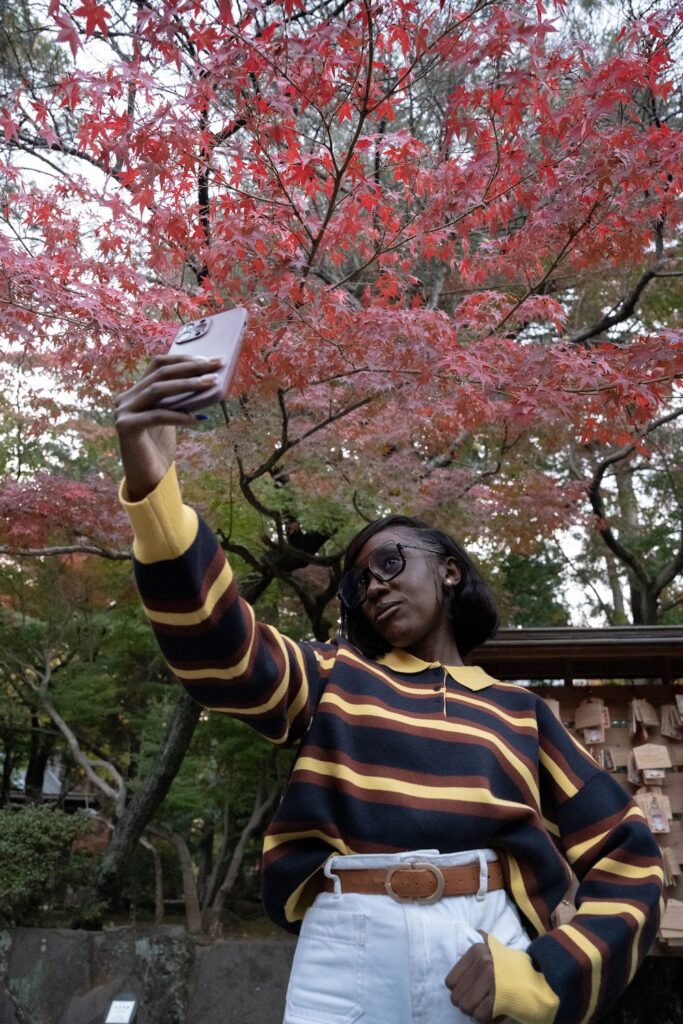
Autumn is one of the best seasons to visit Gotokuji. The weather is cooler, the light is softer, and the temple grounds feel very peaceful.
This is a good time to combine Gotokuji with a longer walk around Setagaya or a visit to Shimokitazawa. If you prefer calm neighborhoods and local streets, autumn is probably one of the most enjoyable times to come.
New Year Visits
Like many temples and shrines in Japan, Gotokuji can receive more visitors around New Year. This is a meaningful period in Japanese culture, when people visit temples and shrines to pray for the year ahead.
If you visit during this time, expect a more active atmosphere than usual. It can be interesting, but if your goal is quietness, choose another period.
Busy Travel Seasons
Gotokuji has become increasingly popular with international visitors because of the maneki neko. During busy travel seasons, weekends, holidays, and peak tourism periods, the temple office may sell out of popular items.
If you want to buy a specific maneki neko, ema, or charm, visit early in the day rather than arriving in the afternoon.
Practical Info
- Name: Gotokuji Temple
- Japanese name: 豪徳寺
- Area: Setagaya Ward, Tokyo
- Address: 2-24-7 Gotokuji, Setagaya-ku, Tokyo
- Nearest stations: Miyanosaka Station and Gotokuji Station
- Entry fee: Free for the temple grounds
- Temple grounds opening hours: Usually around 6:00 AM to 5:00 PM
- Temple office/shop hours: Usually around 8:00 AM to 3:00 PM
- Recommended visit duration: Around 45 minutes to 1.5 hours
- Best season: Spring and autumn
- Best time of day: Morning, especially if you want to buy a maneki neko or ema
- Good for: Culture, quiet walks, lucky cat statues, greenery, local Tokyo atmosphere, and relaxed sightseeing
- Souvenir tip: Maneki neko, ema wooden tablets, omamori, and other popular temple items may sell out during busy periods, so visit earlier in the morning if you want to buy something specific.
- Nearby areas: Setagaya, Kyodo, Shimokitazawa, and Sangenjaya
FAQs About Gotokuji Temple
Is Gotokuji Temple worth visiting?
Yes, Gotokuji Temple is worth visiting if you want to see a quieter and more local side of Tokyo. It is famous for its maneki neko lucky cats, but it is also a peaceful temple with greenery, traditional buildings, and a calm neighborhood atmosphere.
Why is Gotokuji Temple famous?
Gotokuji Temple is famous for its connection to the maneki neko, the Japanese lucky cat. Visitors come to see the area filled with white lucky cat statues and to buy their own maneki neko or ema from the temple.
Is Gotokuji Temple free?
Yes, the temple grounds are free to enter. If you want to buy a maneki neko, ema, charm, or other temple item, you can purchase them from the temple office during opening hours.
What time does the Gotokuji Temple shop close?
The temple office and shop usually close around 3:00 PM. If you want to buy a maneki neko or ema, it is better to visit earlier in the day because popular items can sell out.
Where is Gotokuji Temple?
Gotokuji Temple is located in Setagaya Ward, in western Tokyo. It is a quiet residential area that feels very different from the busier parts of the city.
What is the nearest station to Gotokuji Temple?
The closest station is Miyanosaka Station on the Tokyu Setagaya Line. Gotokuji Station on the Odakyu Line is also convenient and is around 10 to 15 minutes away on foot.
How long do you need at Gotokuji Temple?
Most visitors need around 45 minutes to 1 hour to enjoy Gotokuji Temple. If you want to take photos, buy a lucky cat, write an ema, or walk around the neighborhood, plan around 1.5 hours.
Can you buy maneki neko at Gotokuji Temple?
Yes, you can buy maneki neko lucky cats at Gotokuji Temple from the temple office. However, popular sizes and items can sell out, especially during high season, so visiting in the morning is recommended.
Is Gotokuji Temple good for photos?
Yes, Gotokuji Temple is very good for photos. The maneki neko area is unique, but the temple also has traditional buildings, a pagoda, trees, and peaceful paths. It is a nice place for calm travel photos rather than crowded tourist shots.
Can you visit Gotokuji Temple and Shimokitazawa together?
Yes, Gotokuji Temple and Shimokitazawa are easy to combine. You can visit the temple first, then continue to Shimokitazawa for cafes, vintage shops, and a more lively neighborhood atmosphere.
Conclusion
Gotokuji Temple is one of the most charming temples in Tokyo. Most people know it because of the maneki neko lucky cats, but the temple is much more than that. It is peaceful, green, spacious, and full of quiet details that make it a beautiful place to slow down.
For me, because I lived nearby for a long time, Gotokuji has always felt like a place to breathe. It is not only a sightseeing spot. It is also a neighborhood temple where you can enjoy a calm walk, sit with your thoughts, and experience a softer side of Tokyo.
If you are looking for something different from the usual Tokyo itinerary, Gotokuji is a great choice. Visit in the morning, take your time, look beyond the lucky cats, and enjoy the temple grounds as a whole.
If you would like to explore Tokyo with beautiful photos of yourself along the way, Photo Trips connects travelers with local photographers who know the best areas, timing, and atmosphere around the city. You can see our Tokyo photographers here: Tokyo Photographers.
Written by Mehdi, Tokyo-based photographer at Photo Trips