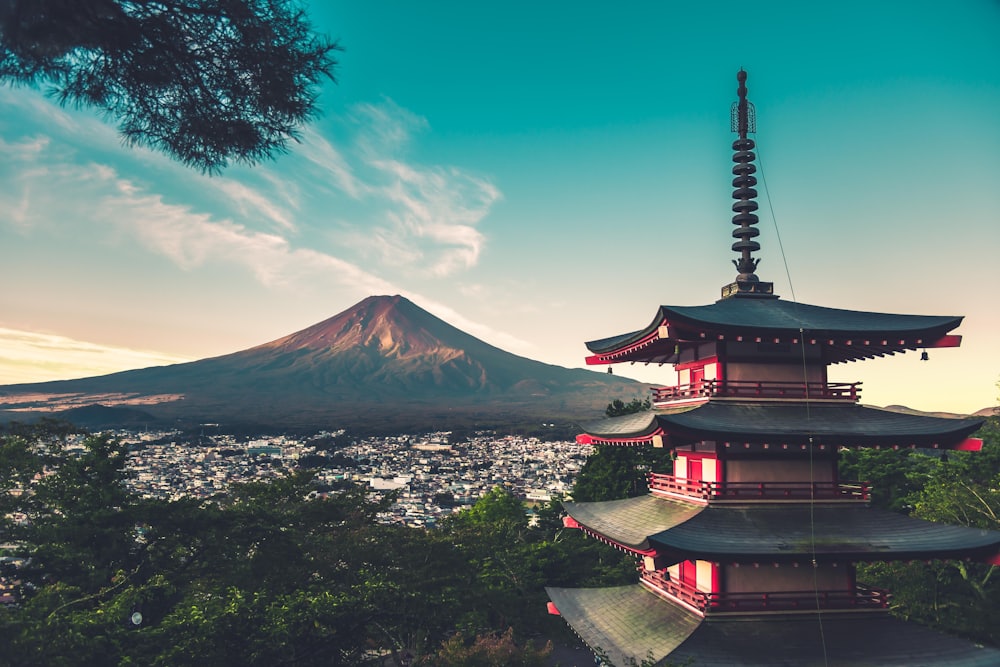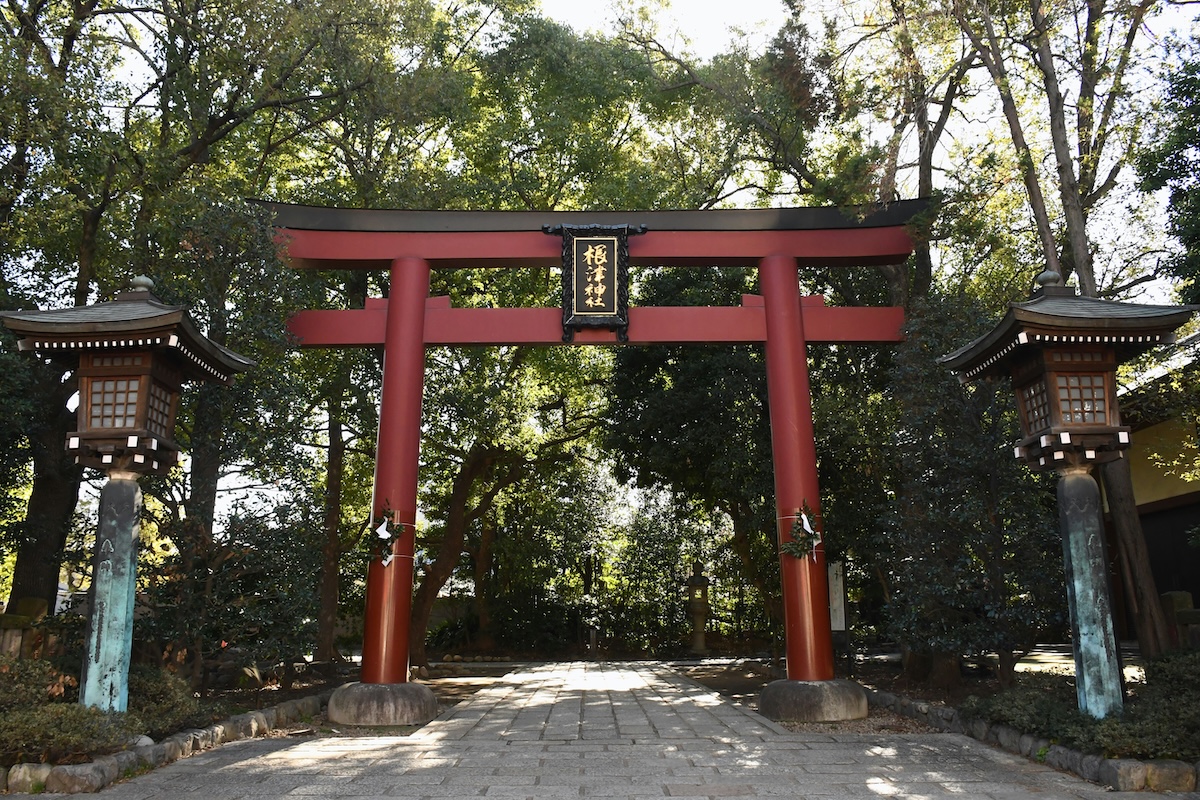
Nezu Shrine is one of the most beautiful and atmospheric shrines in Tokyo. Located in Bunkyo Ward, not far from Ueno and Yanaka, it offers a quieter and more traditional side of the city compared to famous spots like Senso-ji Temple or Meiji Shrine.
The shrine is especially known for its red torii gates, peaceful grounds, historical buildings, and spring azalea garden. It is a great place to visit if you want to enjoy old Tokyo, take a calm walk, and discover a place that feels local while still being easy to access from central Tokyo.
Nezu Shrine is also a good stop to combine with nearby areas such as Yanaka, Sendagi, Ueno Park, or the Tokyo National Museum. Whether you are visiting for the history, the seasonal flowers, or simply a quiet break from Tokyo’s busier neighborhoods, Nezu Shrine is one of those places that feels rewarding without needing a full day.
History & Local Context
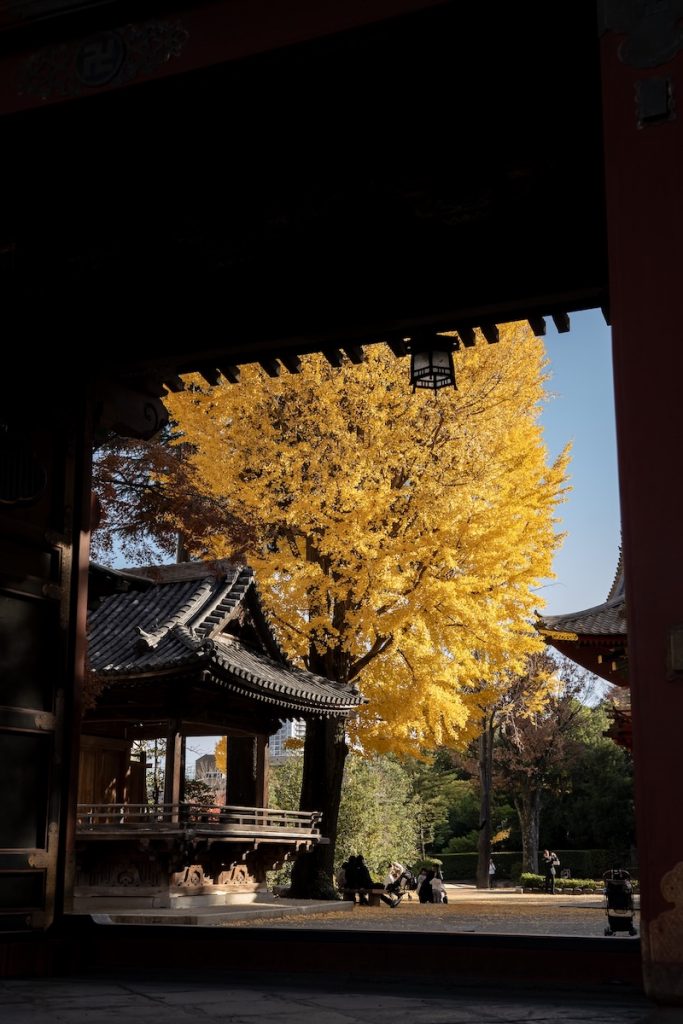
Nezu Shrine is one of Tokyo’s most historic Shinto shrines. The current shrine buildings date back to the Edo period, and several parts of the complex are recognized as Important Cultural Properties of Japan. This gives the shrine a very different feeling from many modern or reconstructed sites in the city.
The shrine is closely connected to the Tokugawa shogunate, the powerful family that ruled Japan during the Edo period. Its architecture has an elegant and refined style, with richly decorated gates, a beautiful main hall, and a layout that feels carefully preserved. Walking through the grounds, you can still feel the atmosphere of old Edo.
Nezu Shrine is also part of the “Tokyo Ten Shrines,” a group of important shrines in the city. But despite its historical value, it usually feels calmer and more local than Tokyo’s most famous religious sites.
The surrounding area also adds to the experience. Nezu, Sendagi, and Yanaka are part of the Yanesen area, known for narrow streets, small temples, traditional houses, local shops, and a slower pace of life. This makes Nezu Shrine a perfect starting point for exploring one of Tokyo’s most charming old neighborhoods.
What to See at Nezu Shrine
The Main Shrine Buildings
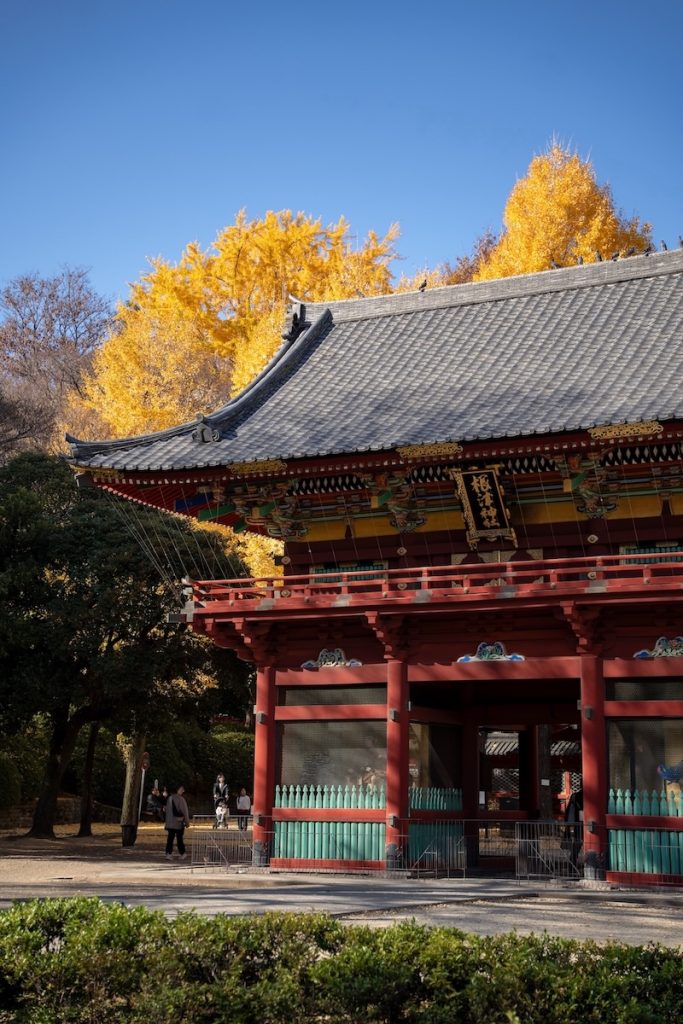
The main shrine area is one of the highlights of Nezu Shrine. The buildings have a beautiful traditional design, with deep red details, gold decorations, and a peaceful courtyard atmosphere.
Compared to larger shrines in Tokyo, Nezu Shrine feels more compact and intimate. This makes it easy to explore slowly without feeling overwhelmed. The main hall is especially beautiful when seen through the shrine gates, with trees and stone lanterns framing the scene.
Take a moment here to observe the details: the wooden carvings, the roof shape, the colors, and the balance of the architecture. Even if you are not familiar with Shinto shrines, the atmosphere is easy to appreciate.
The Red Torii Gates
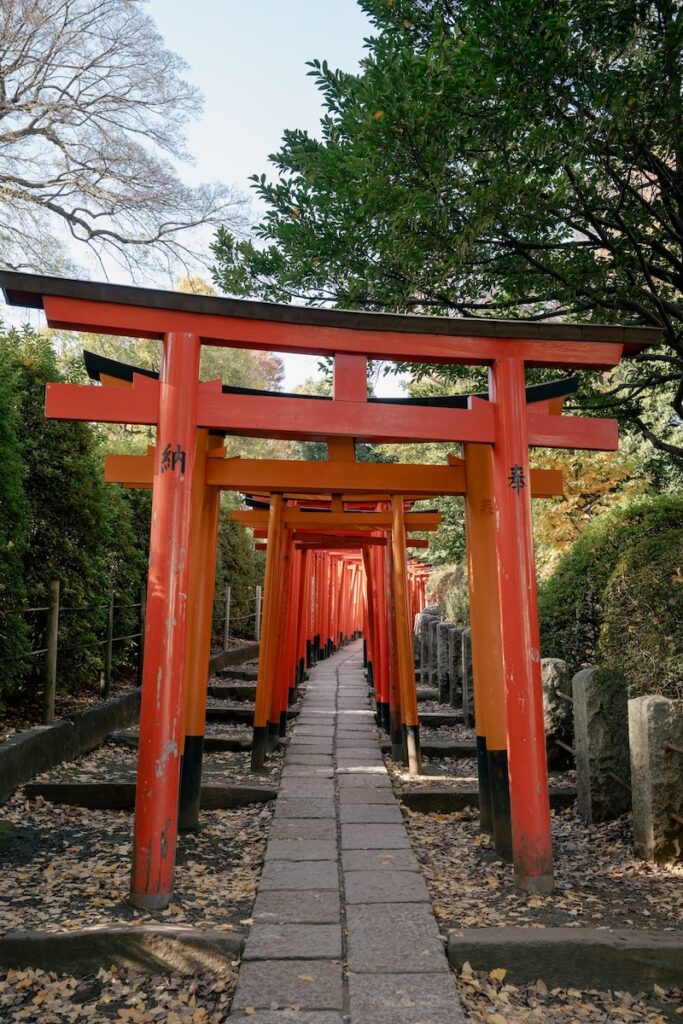
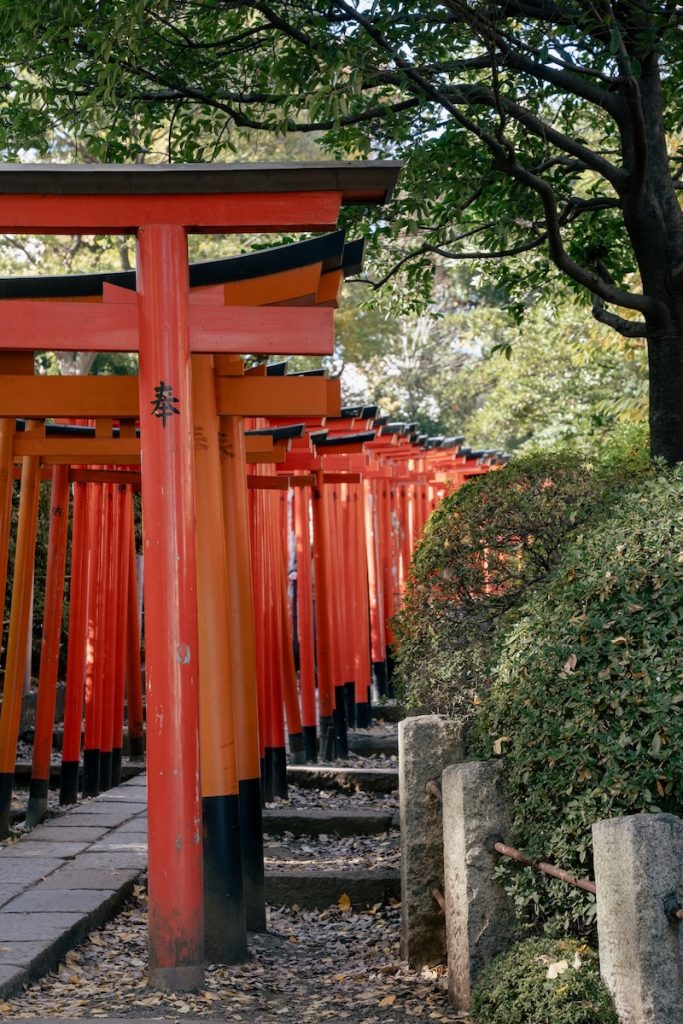
One of the most famous features of Nezu Shrine is its path of red torii gates. These gates lead toward Otome Inari Shrine, a smaller shrine located within the grounds.
The torii gate path is much smaller than the famous Fushimi Inari Shrine in Kyoto, but that is also part of its charm. It feels more local, more intimate, and less overwhelming. The tunnel of red gates creates one of the most photogenic corners of the shrine.
You May Also Like: Alternatives to Fushimi Inari Taisha Shrine
This area can get busy during weekends and flower season, so it is better to visit early in the morning if you want a calmer atmosphere.
Otome Inari Shrine
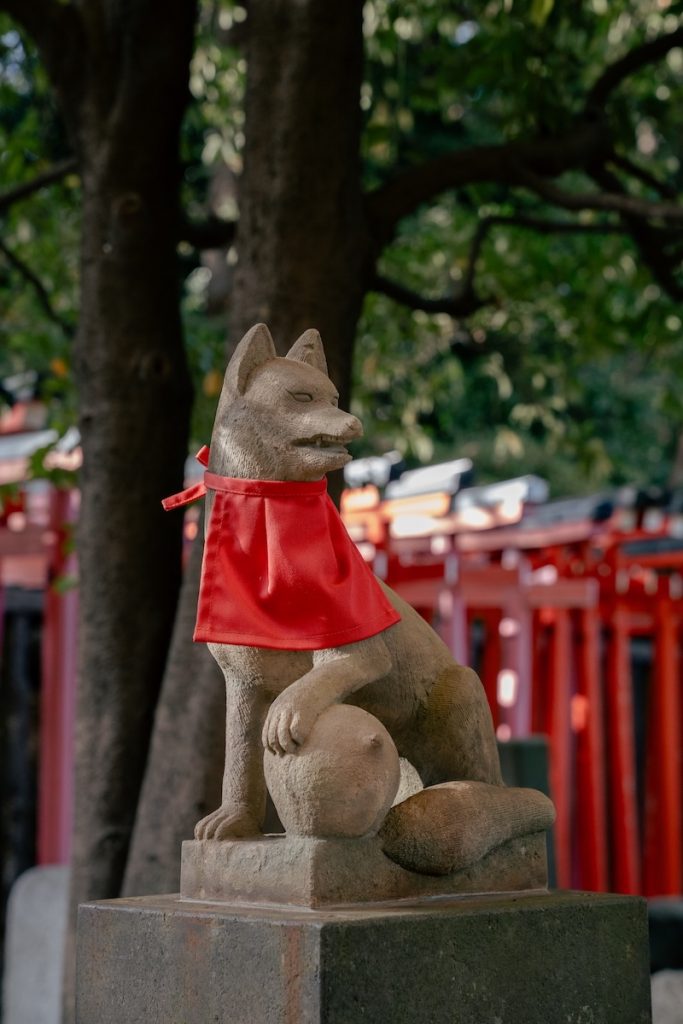
At the end of the torii path, you will find Otome Inari Shrine. It is a smaller shrine within the Nezu Shrine grounds and has a slightly hidden feeling compared to the main hall.
This part of the shrine is easy to miss if you only visit the main buildings, so make sure to follow the red torii gates and explore this quieter corner. It adds another layer to the visit and gives the shrine a more interesting layout.
The Azalea Garden
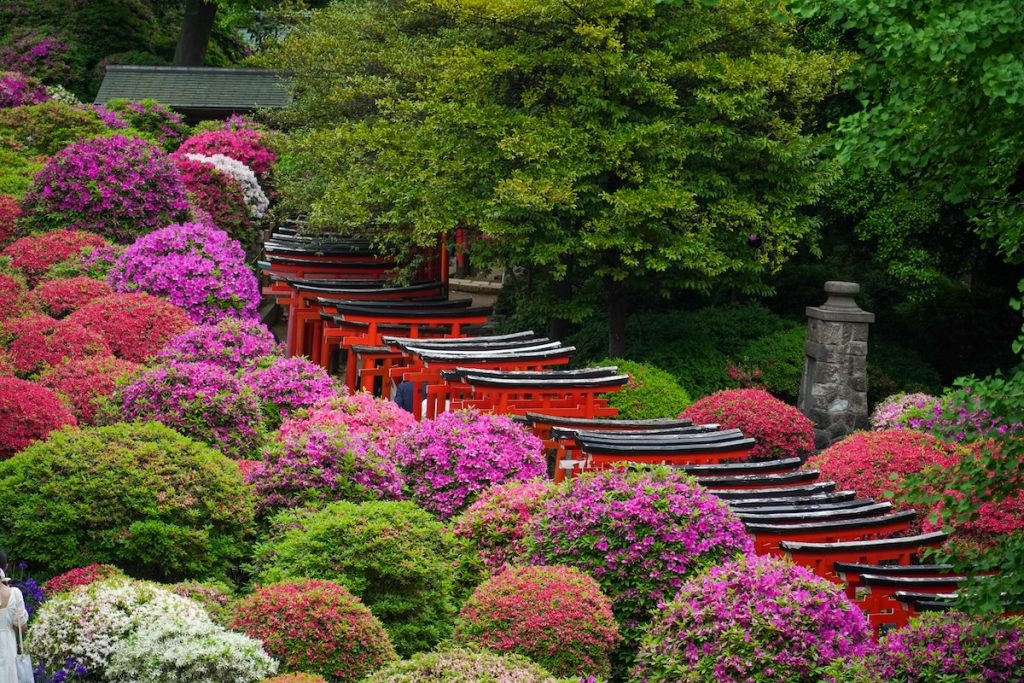
Nezu Shrine is especially famous for its azalea garden, which becomes one of Tokyo’s most colorful spring spots. The hillside garden contains thousands of azalea bushes in different colors, usually blooming in April.
During the Bunkyo Azalea Festival, the garden opens to visitors for a small fee. The flowers create a beautiful contrast with the shrine buildings and the greenery around the grounds. This is the busiest time of year at Nezu Shrine, but also the most spectacular.
If you are visiting Tokyo in spring after cherry blossom season, Nezu Shrine is one of the best places to continue enjoying seasonal flowers.
Stone Lanterns and Quiet Paths
Beyond the main shrine buildings and torii gates, Nezu Shrine also has quieter walking paths, stone lanterns, small bridges, and shaded areas. These details are part of what makes the shrine feel peaceful.
It is worth taking your time here instead of only visiting the famous spots. Walk around the side paths, look at the small details, and enjoy the slower atmosphere. Nezu Shrine is not a place that needs to be rushed.
Nearby Yanaka and Sendagi
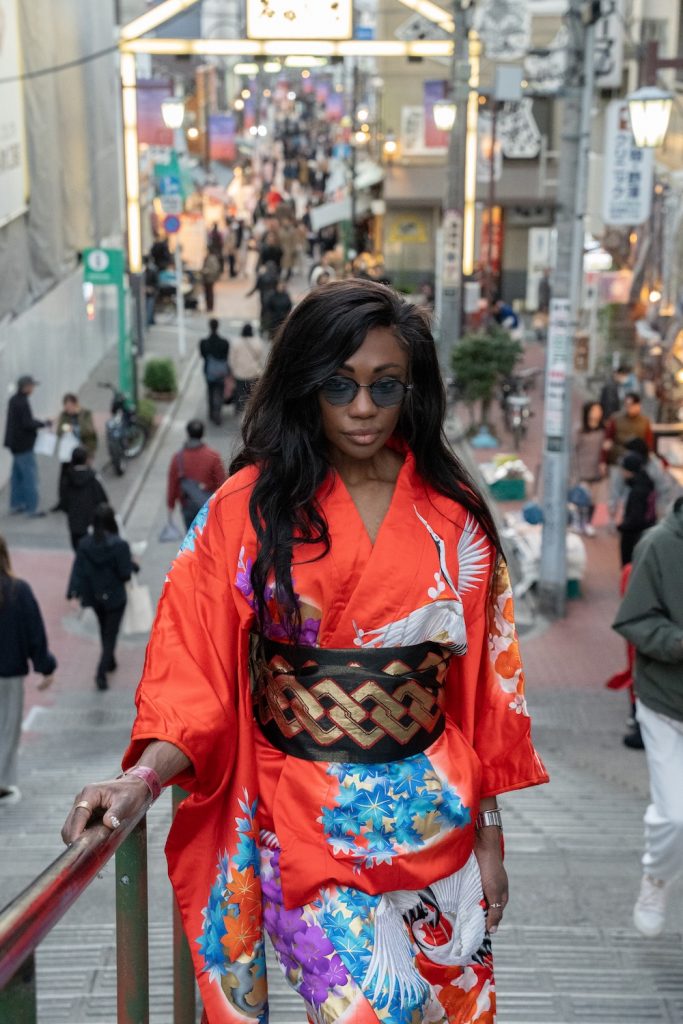
One of the best things about visiting Nezu Shrine is that it can easily be combined with Yanaka and Sendagi. After visiting the shrine, you can walk toward Yanaka Ginza, explore small backstreets, stop at a local cafe, or visit nearby temples.
This area has a different atmosphere from modern Tokyo. It feels more residential, more nostalgic, and more connected to everyday local life. If you want to experience old Tokyo, the combination of Nezu Shrine and Yanaka is one of the best short walks in the city.
Notes: By the way, if you want to make your visit of Nezu shrine even more traditional, we would recommend you to rent a kimono! It will fit the vibe of the shrine perfectly. And if you want to get pro photos with your kimono, make sure you book one of our kimono photoshoot in Tokyo. We usually take kimono pictures in Asakusa but we can also do it in Nezu shrine!
Best Time to Visit Nezu Shrine
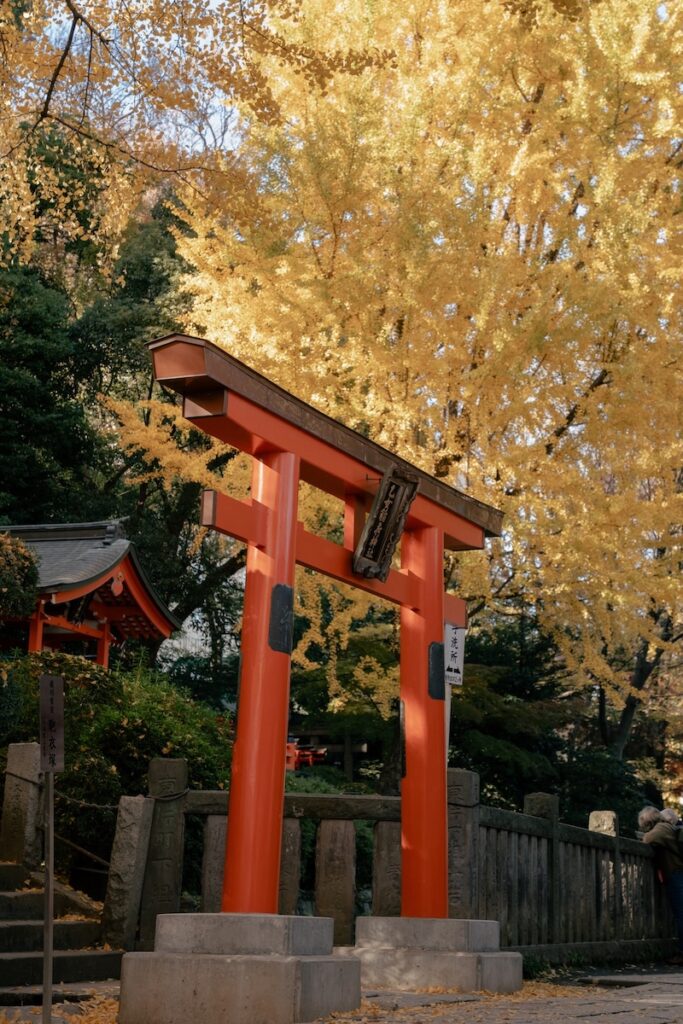
The best time to visit Nezu Shrine depends on what kind of experience you want.
For a quiet visit, morning is the best time. Arriving early gives you a better chance to enjoy the shrine with fewer people, especially around the torii gates and main shrine buildings. Weekdays are usually calmer than weekends.
Spring is the most popular season because of the azalea garden. The flowers usually bloom in April, and the Bunkyo Azalea Festival attracts many visitors. This is the most colorful time to visit, but also the most crowded.
Autumn is another beautiful season, especially if you want comfortable walking weather and softer colors around the shrine grounds. It is less famous than spring, but very pleasant.
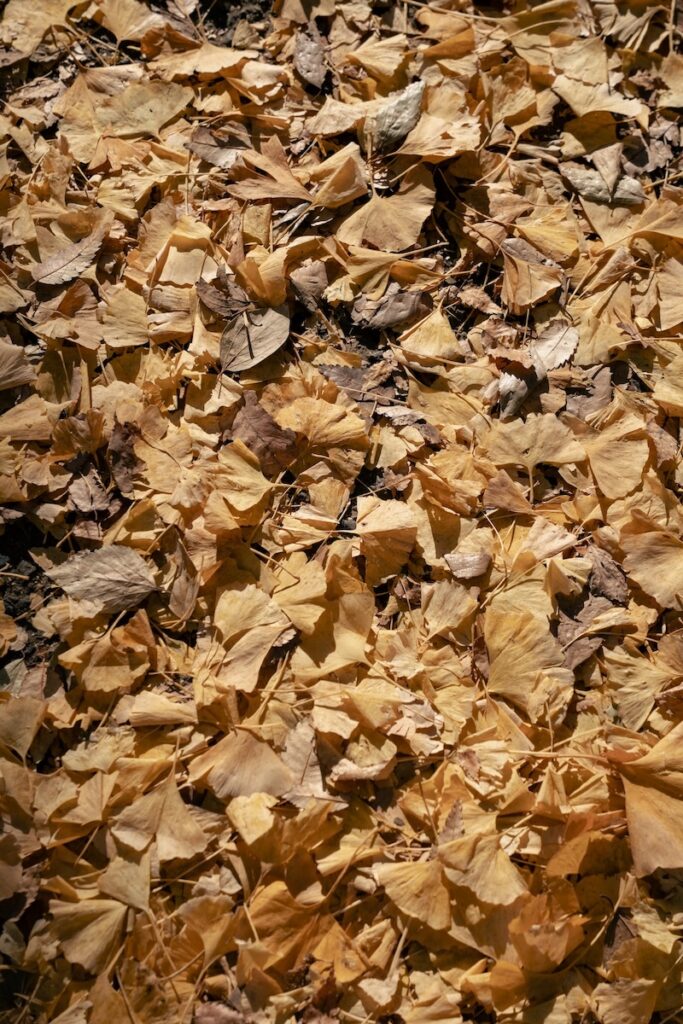
Winter can also be nice if you enjoy a quieter atmosphere. The shrine feels peaceful, and the surrounding neighborhood is still enjoyable for a walk.
If you want to avoid crowds, try not to visit on weekend afternoons during the azalea season. A weekday morning is usually the best balance.
How to Get to Nezu Shrine
Nezu Shrine is easy to reach by public transportation.
The closest station is Nezu Station on the Tokyo Metro Chiyoda Line. From the station, it takes about 5 minutes on foot to reach the shrine. Sendagi Station, also on the Chiyoda Line, is another convenient option and takes around 5 minutes on foot.
You can also access the shrine from Todaimae Station on the Tokyo Metro Namboku Line. This is useful if you are coming from areas connected to the Namboku Line.
From Ueno, you can reach Nezu Shrine by train or by walking if you want to explore the area slowly. The walk from Ueno Park to Nezu Shrine can be a nice option if the weather is good, especially if you plan to continue toward Yanaka afterward.
A good walking route is:
Ueno Park → Nezu Shrine → Sendagi → Yanaka Ginza → Nippori Station
This route gives you a nice mix of nature, culture, local streets, and old Tokyo atmosphere.
Seasonal Highlights & Events
Bunkyo Azalea Festival
The biggest seasonal highlight at Nezu Shrine is the Bunkyo Azalea Festival, usually held in April. During this period, the azalea garden opens to visitors and the hillside becomes filled with colorful flowers.
The festival is very popular, especially on weekends. If you want to enjoy the flowers with fewer people, try to go on a weekday morning. The exact blooming period can change depending on the weather, so it is always useful to check the latest updates before visiting.
New Year Visits
Like many shrines in Japan, Nezu Shrine receives visitors around New Year. This is a meaningful time to experience Japanese shrine culture, although it can be busier than usual.
Summer Purification Rituals
In early summer, some shrines in Japan hold purification rituals, often including a large grass ring called a chinowa. Nezu Shrine also sometimes holds seasonal Shinto events, so it is worth checking the official website if you are visiting around late June.
Autumn Walks
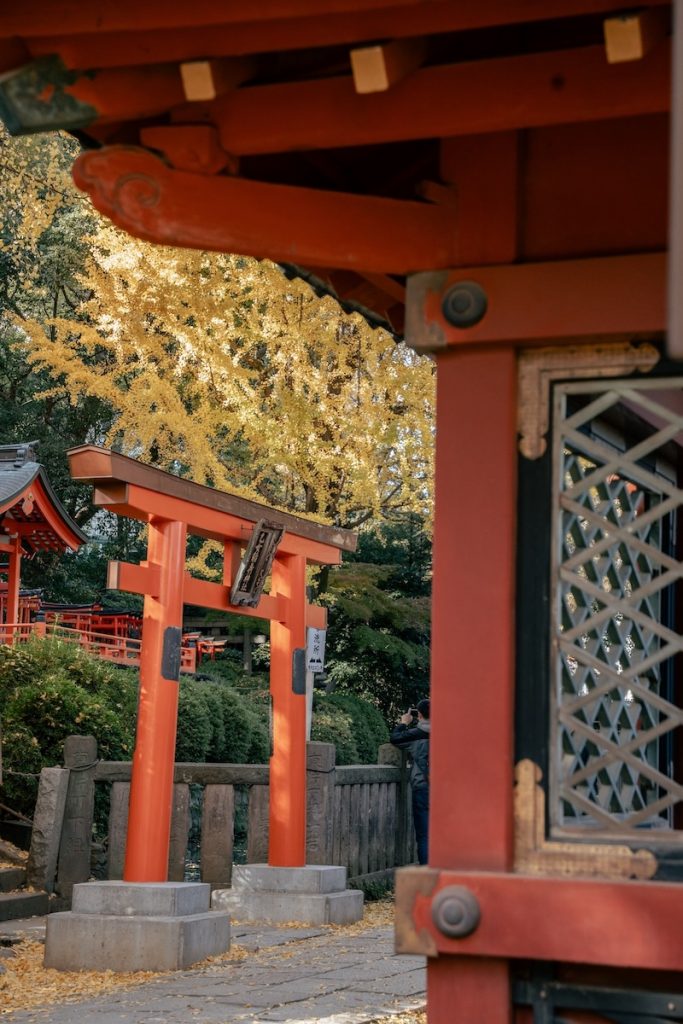
Nezu Shrine is not as famous for autumn leaves as some other Tokyo spots, but the shrine and surrounding Yanesen area are very pleasant in autumn. The cooler weather makes it a good season for walking between Nezu, Sendagi, Yanaka, and Ueno.
Practical Info
- Name: Nezu Shrine
- Japanese name: 根津神社
- Area: Nezu, Bunkyo Ward, Tokyo
- Address: 1-28-9 Nezu, Bunkyo-ku, Tokyo
- Nearest stations: Nezu Station, Sendagi Station, and Todaimae Station
- Entry fee: Free for the main shrine grounds
- Azalea garden fee: Usually requires a small entrance fee during the Bunkyo Azalea Festival
- Opening hours: Usually around 6:00 AM to 5:00 PM, with seasonal changes possible
- Recommended visit duration: Around 45 minutes to 1.5 hours
- Best season: April for the azaleas, and autumn for a calm walk
- Best time of day: Morning, especially on weekdays
- Good for: Culture, history, flowers, quiet walks, couples, and local Tokyo atmosphere
- Nearby areas: Yanaka, Sendagi, Ueno, and Tokyo National Museum
FAQs About Nezu Shrine
Is Nezu Shrine worth visiting?
Yes, Nezu Shrine is worth visiting if you want to see a quieter and more traditional side of Tokyo. It has beautiful shrine buildings, red torii gates, a peaceful atmosphere, and one of the city’s best azalea gardens in spring.
Is Nezu Shrine free?
The main shrine grounds are free to enter. During the Bunkyo Azalea Festival, there is usually a small fee to enter the azalea garden.
How long do you need at Nezu Shrine?
Most visitors need around 45 minutes to 1 hour to explore Nezu Shrine. If you visit during the Azalea Festival or want to take your time with photos and a neighborhood walk, plan around 1.5 hours.
What is the nearest station to Nezu Shrine?
The nearest stations are Nezu Station and Sendagi Station on the Tokyo Metro Chiyoda Line. Todaimae Station on the Tokyo Metro Namboku Line is also nearby.
When is the best time to visit Nezu Shrine?
The best time to visit is in the morning, especially on weekdays. April is the most popular month because of the azalea flowers, while autumn is also a pleasant time for a quieter visit.
When is the Nezu Shrine Azalea Festival?
The Bunkyo Azalea Festival is usually held in April. The exact dates can change slightly depending on the year, so it is best to check the latest information before visiting.
Can you visit Nezu Shrine and Yanaka together?
Yes, Nezu Shrine and Yanaka are very easy to visit together. A popular route is to start at Nezu Shrine, walk through Sendagi, continue to Yanaka Ginza, and finish near Nippori Station.
Is Nezu Shrine good for photos?
Yes, Nezu Shrine is very good for photos. The red torii gates, shrine buildings, azalea garden, stone lanterns, and quiet paths all create beautiful backgrounds. It is especially nice for natural travel portraits and peaceful Tokyo street photography.
Conclusion
Nezu Shrine is one of Tokyo’s most rewarding local spots. It is beautiful, historical, easy to access, and much calmer than many of the city’s most famous attractions. With its red torii gates, traditional shrine buildings, seasonal azaleas, and nearby old-town streets, it is a great place to experience a softer and more atmospheric side of Tokyo.
It is especially worth visiting if you are already planning to explore Ueno, Yanaka, or Sendagi. You can stop by for a short shrine visit or turn it into a longer walk through one of Tokyo’s most charming neighborhoods.
If you would like to explore Tokyo with beautiful photos of yourself along the way, Photo Trips connects travelers with local photographers who know the best areas, timing, and atmosphere around the city. You can see our Tokyo photographers here: Tokyo Photographers.