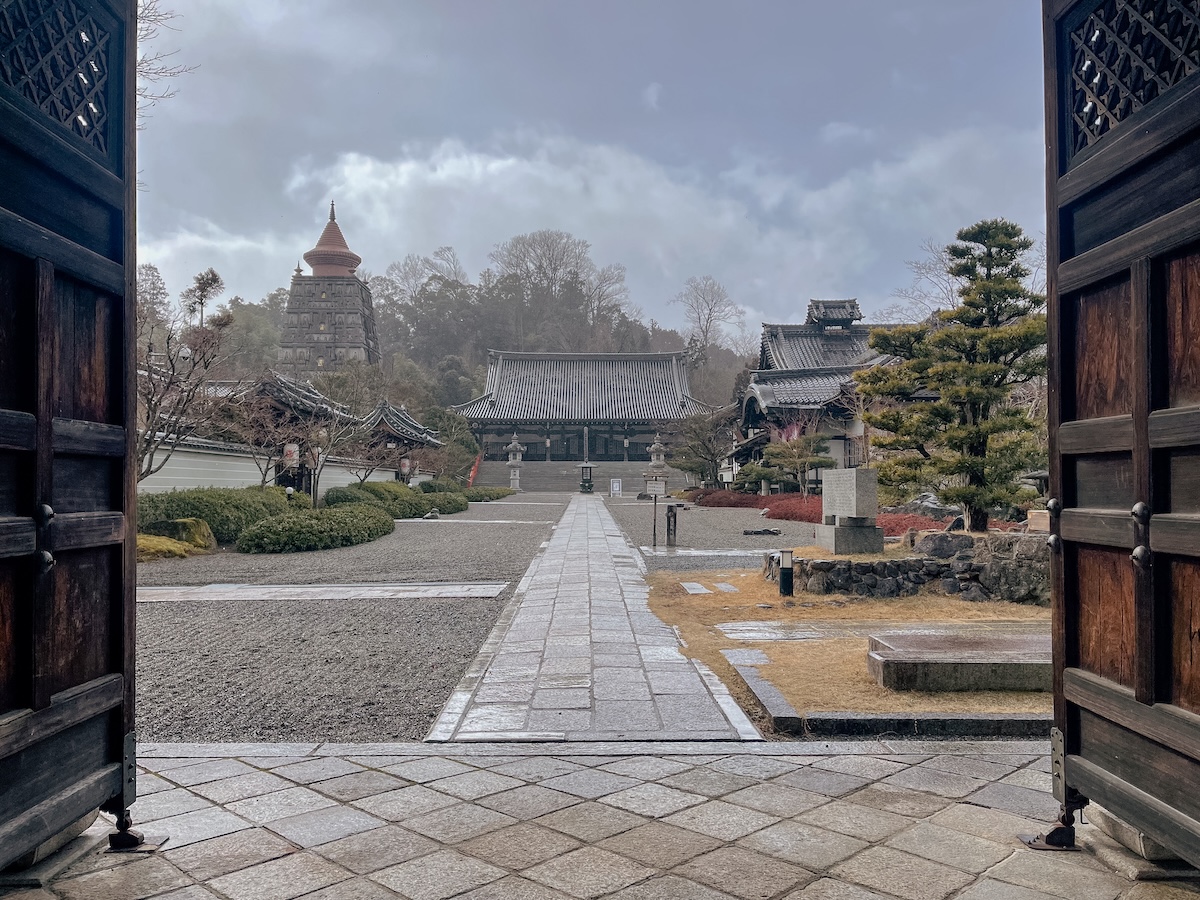
Myoman-ji Temple is one of those places in Kyoto that many travelers never hear about, even though it is genuinely beautiful.
Located in the quiet Iwakura area in northern Kyoto, Myoman-ji is a peaceful temple with wide open grounds, mountain views, a famous garden, and one very unique feature that immediately catches your attention: a large Buddhist stupa inspired by the Mahabodhi Temple in Bodh Gaya, India.
It is not as famous as Kyoto’s major temples, and that is exactly what makes it interesting.
When I visited Myoman-ji Temple, I really enjoyed how calm it felt. There were no big crowds, no rushed atmosphere, and no feeling that you had to follow a fixed route. It is the kind of temple where you can simply walk around, look at the buildings, enjoy the garden, and take your time.
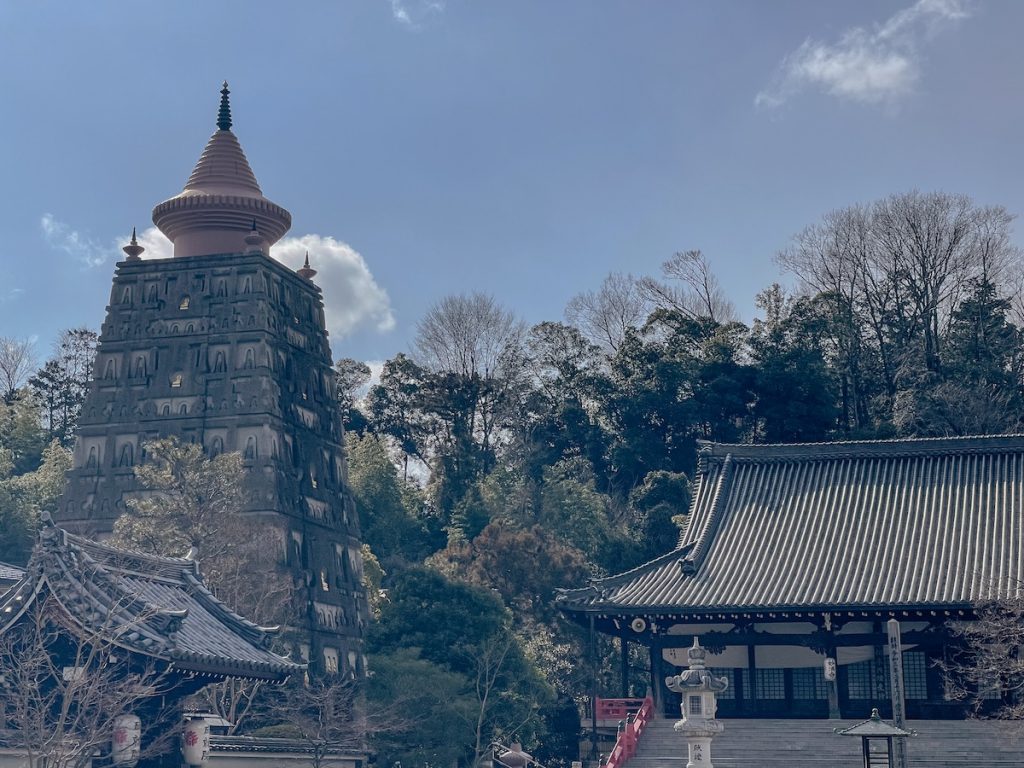
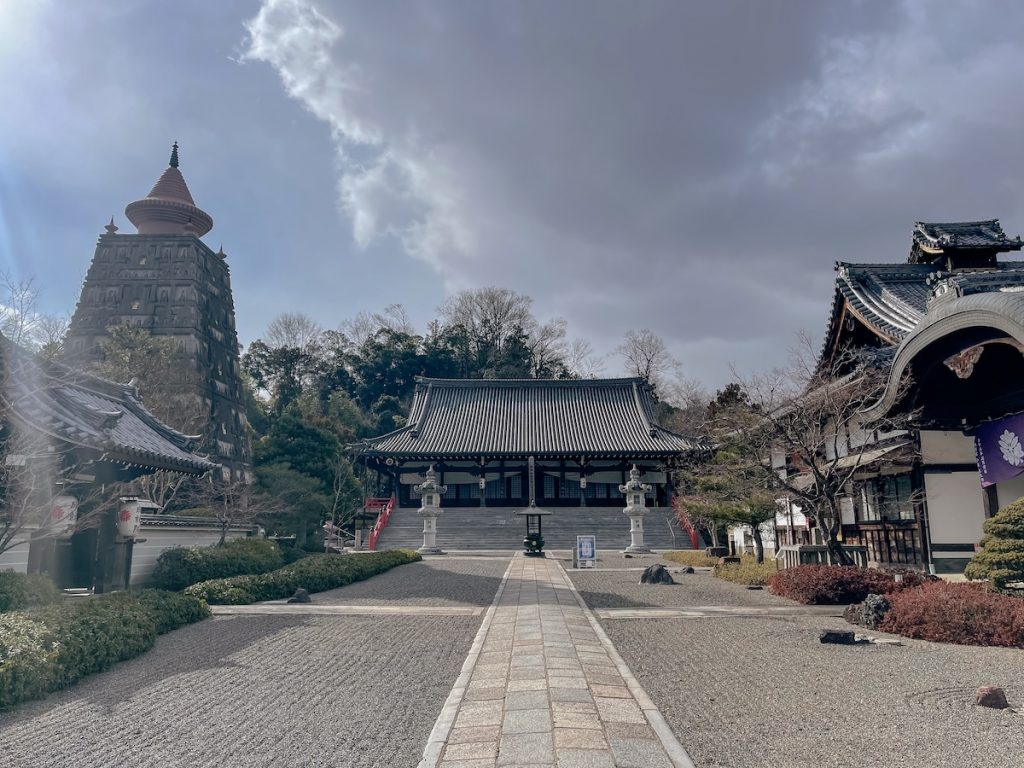
As a photographer, I also liked the contrast between the traditional Japanese temple atmosphere and the unusual shape of the large stupa. It gives the temple a very different visual identity compared to many other places in Kyoto.
If you are planning to explore northern Kyoto, especially the Kurama, Kibune, or Iwakura area, Myoman-ji Temple is a nice stop to add to your itinerary.
History And Local Context
Myoman-ji Temple was founded in 1389 by Nichiju, an important Buddhist priest who had originally studied Tendai Buddhism before following the teachings of Nichiren.
The temple was first established in central Kyoto, around the area of present-day Karasuma Gojo. Like many old temples in Kyoto, it went through a difficult history, including fires, wars, and relocations.
During the Sengoku period, the temple suffered serious damage, but it was later rebuilt and continued to grow. In 1583, during the time of Toyotomi Hideyoshi, Myoman-ji was moved to the Teramachi Nijo area, where it stayed for around 400 years.
The temple only moved to its current location in Iwakura in 1968.
This is important to understand because Myoman-ji does not feel like some ancient temple that has always been in the same mountain location. It has an old history, but its current setting is more recent. That gives the place a slightly different feeling.
The grounds feel spacious, quiet, and open. You can see the surrounding nature, and the temple has room to breathe. It does not feel squeezed into the city.
Today, Myoman-ji is the head temple of the Kenpon Hokke school of Nichiren Buddhism. But even if you do not know much about Buddhist history, it is easy to enjoy the place for its peaceful atmosphere, garden, architecture, and views.
What To See At Myoman-ji Temple
Myoman-ji Temple is not huge, so you do not need to plan many hours here. But it has a few very interesting features that make it worth visiting.
The first thing that stands out is the large Buddhist stupa, called the Busshari Daito.
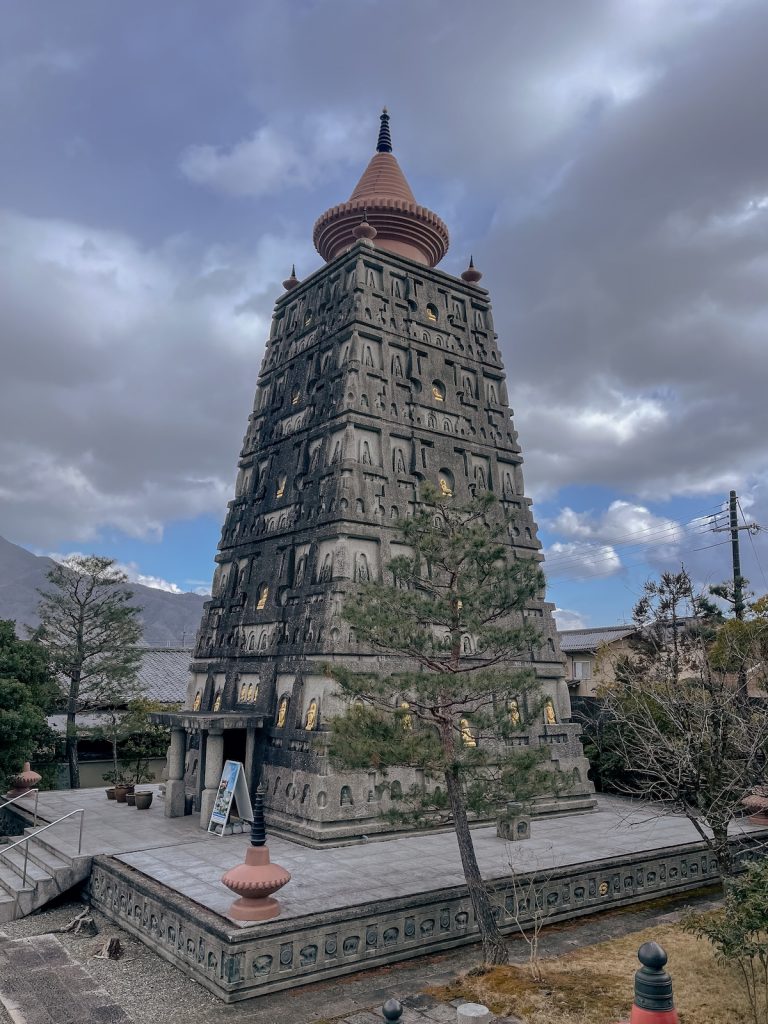
This tower is probably the most impressive and unusual structure in the temple grounds. It was built in 1973 and is modeled after the Great Tower of Bodh Gaya in India, one of the most sacred places in Buddhism because it is connected to the enlightenment of the historical Buddha.
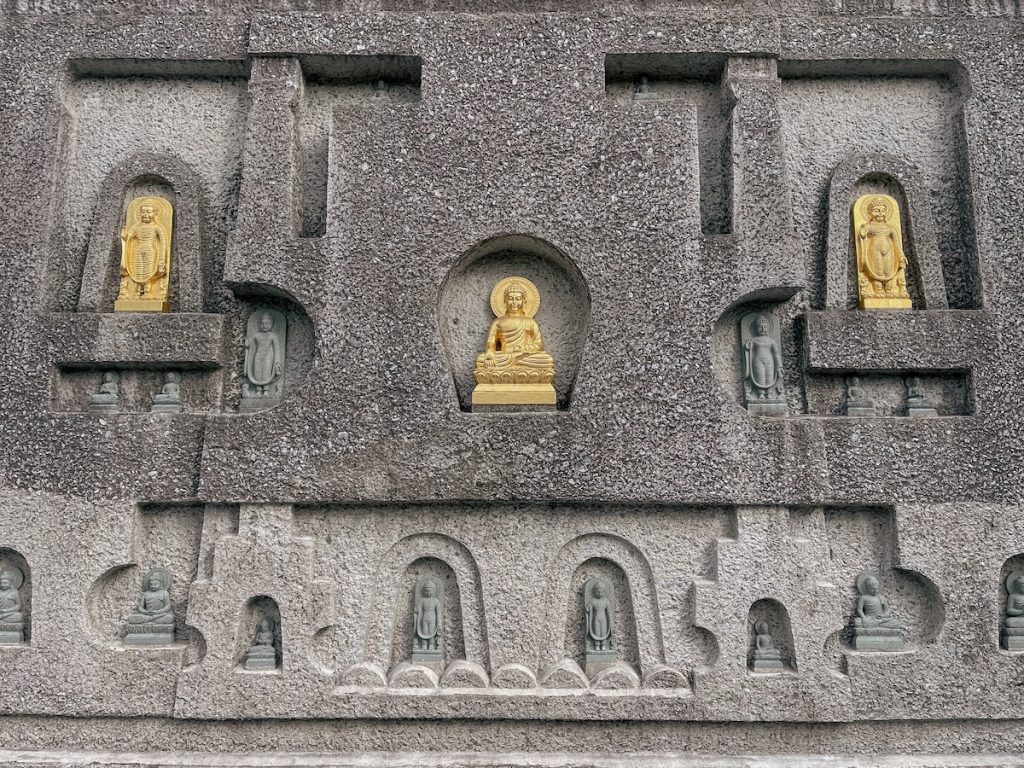
Visually, it is very different from the wooden halls and Japanese temple buildings around it. The shape, the height, and the details make it feel almost unexpected in Kyoto.
For me, this is the main reason Myoman-ji Temple is memorable. You see many beautiful wooden halls and gardens in Kyoto, but you do not often see a structure like this. It gives the temple a unique power and identity.
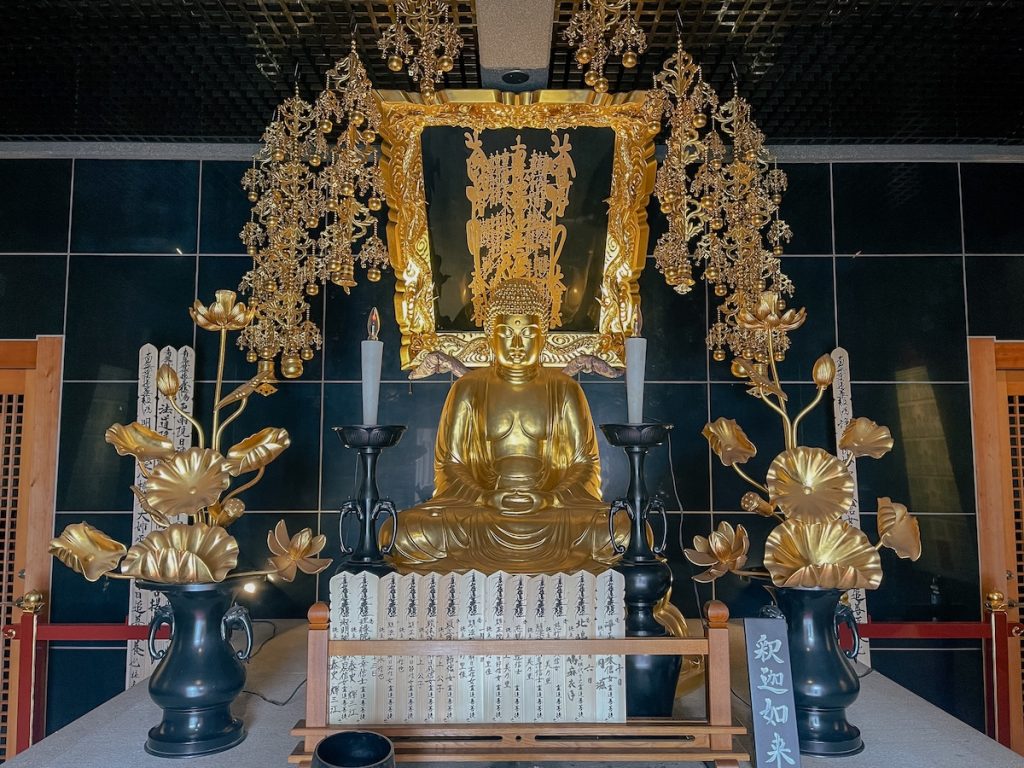
The stupa also contains Buddhist relics and serves as an important symbol of the temple’s faith. Even if you are visiting casually, it is worth taking a few minutes to walk around it and look at the details.
Another important place to see is the Yuki-no-niwa, or Snow Garden.
This dry landscape garden is one of the temple’s highlights. It is connected to Matsunaga Teitoku, a major figure in Japanese literary culture and early haikai poetry. The garden is traditionally known as one of the famous “Snow, Moon, and Flower” gardens of Kyoto.
The name “Snow Garden” comes from the beauty of the view when Mount Hiei is covered in snow. The garden uses the surrounding mountain scenery as a borrowed landscape, which gives it a very elegant and poetic feeling.
Of course, you may not see snow when you visit. But even without snow, the garden is peaceful and refined. It is the kind of place where you sit for a moment and enjoy the quiet rather than quickly taking a picture and leaving.
The main hall and temple grounds are also nice to explore.
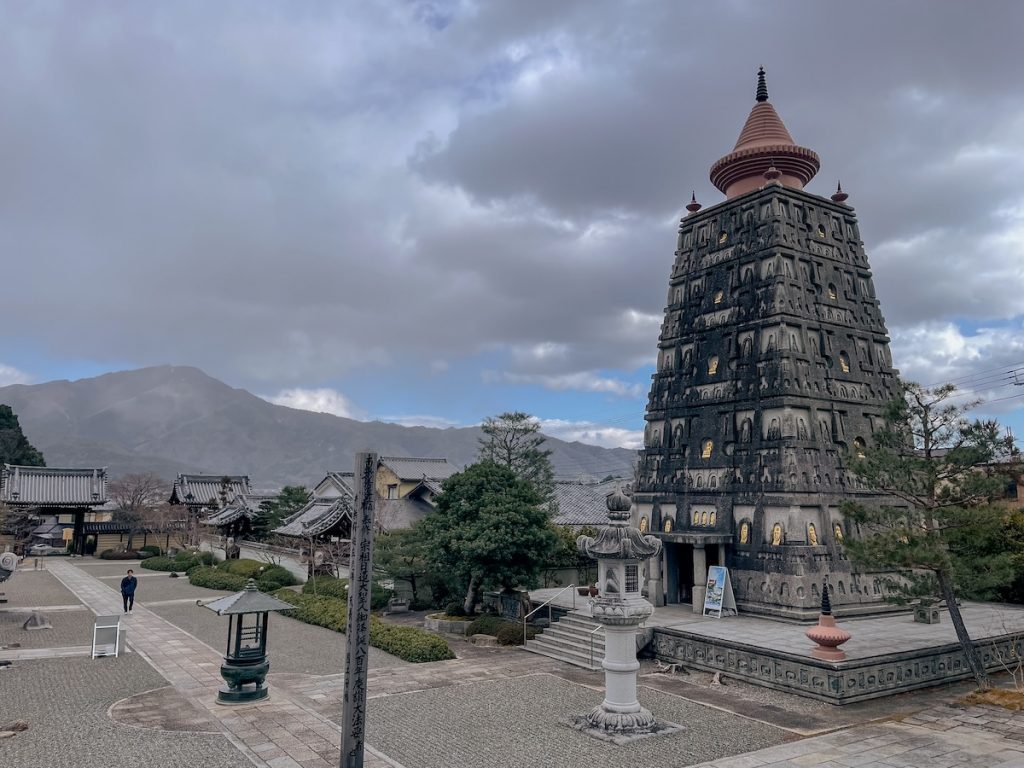
The temple has a clean, spacious atmosphere, with open gravel areas, traditional buildings, and views toward the surrounding mountains. It is not the most dramatic temple in Kyoto, but it has a calm dignity that I really liked.
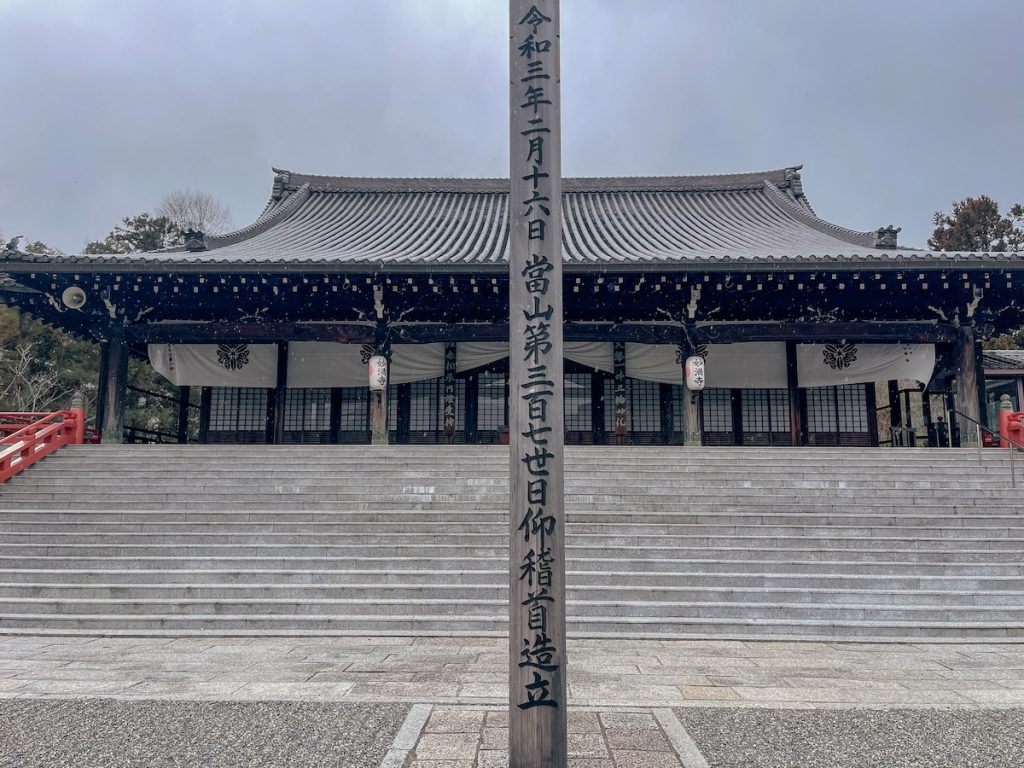
This is also one of the reasons I think Myoman-ji is a good place to visit if you have already seen the famous Kyoto temples. It offers a different rhythm. There is no pressure, no massive crowd, and no feeling that everyone is trying to take the same photo.
In spring, the temple is also known for cherry blossoms and azaleas. In autumn, the surrounding trees add warm colors to the grounds. In winter, if you are lucky enough to visit after snow, the Snow Garden becomes especially meaningful.
Things To Do Near Myoman-ji Temple
Myoman-ji Temple is located in northern Kyoto, so it can be easily combined with other places in the area.
One of the best nearby destinations is Kurama-dera Temple.
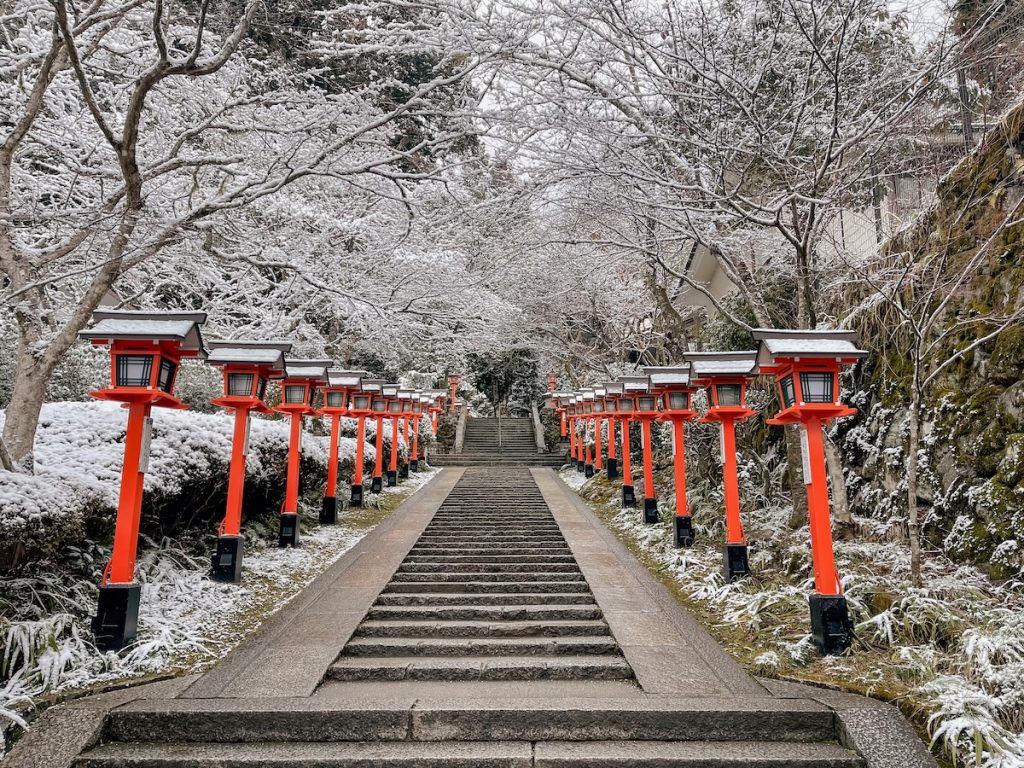
Kurama-dera is a mystical mountain temple located further north, famous for its forest paths, Tengu legends, cable car, and beautiful mountain atmosphere. If you are already heading in that direction, Myoman-ji can be a nice stop before continuing toward Kurama.
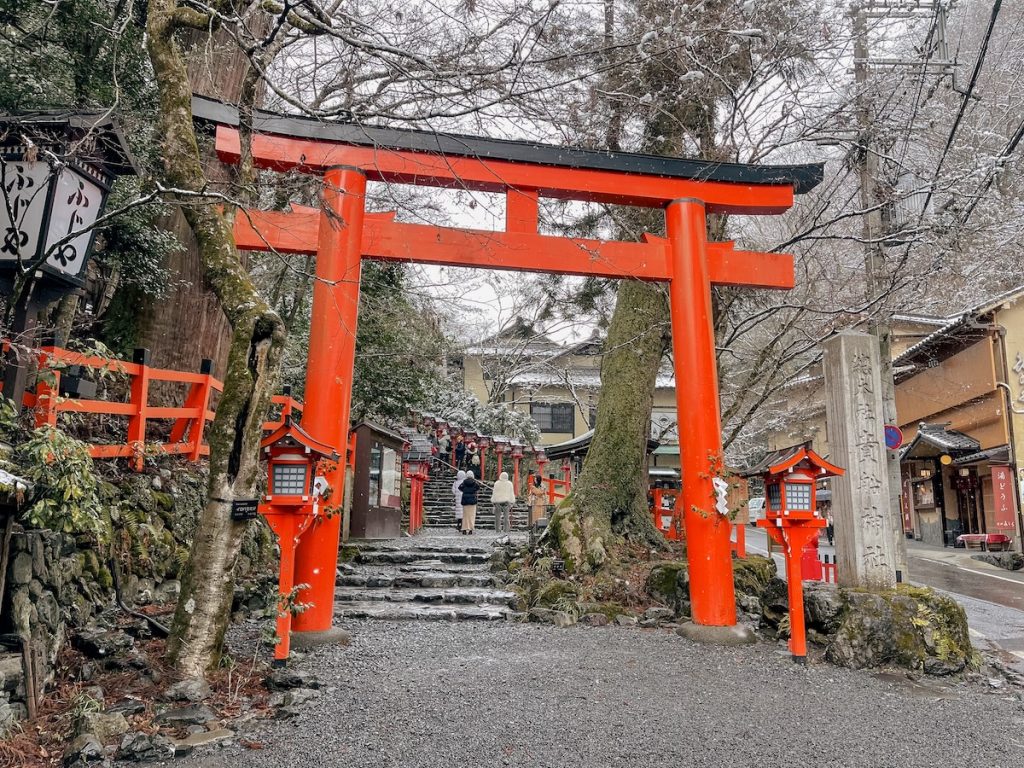
You can also visit Kifune Shrine, one of Kyoto’s most beautiful mountain shrines. It is famous for its red lantern staircase, forest setting, and water omikuji. Many travelers combine Kurama-dera and Kifune Shrine in the same half-day trip, and Myoman-ji can be added if you want a quieter, less touristy stop before or after.
Another interesting nearby area is Ichijoji.
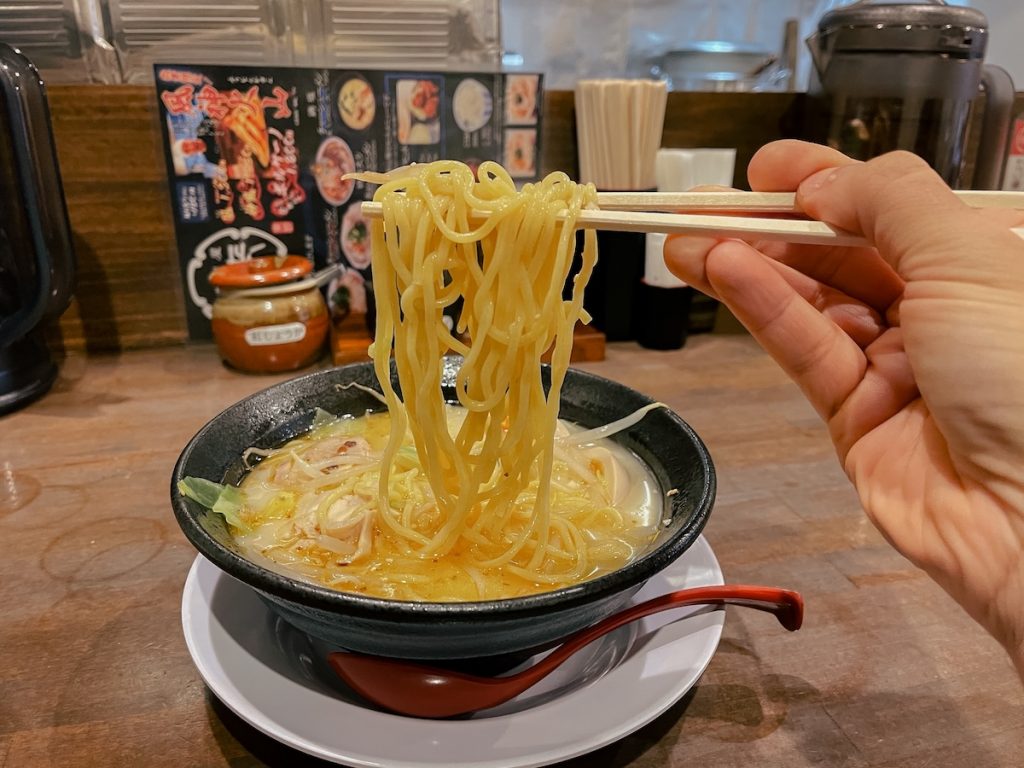
Ichijoji is especially famous among ramen lovers. It is sometimes called one of Kyoto’s ramen areas because there are many popular ramen shops around Ichijoji Station and the nearby streets. If you are visiting Myoman-ji in the morning or early afternoon, stopping in Ichijoji for ramen before going back to central Kyoto can be a great idea.
You could also combine Myoman-ji with the Iwakura area or the Kyoto International Conference Center area, especially if you enjoy quieter neighborhoods and less touristy parts of Kyoto.
This is not an area where you rush from one famous landmark to another. It is more about discovering a slower and more local side of Kyoto.
How Much Time Do You Need?
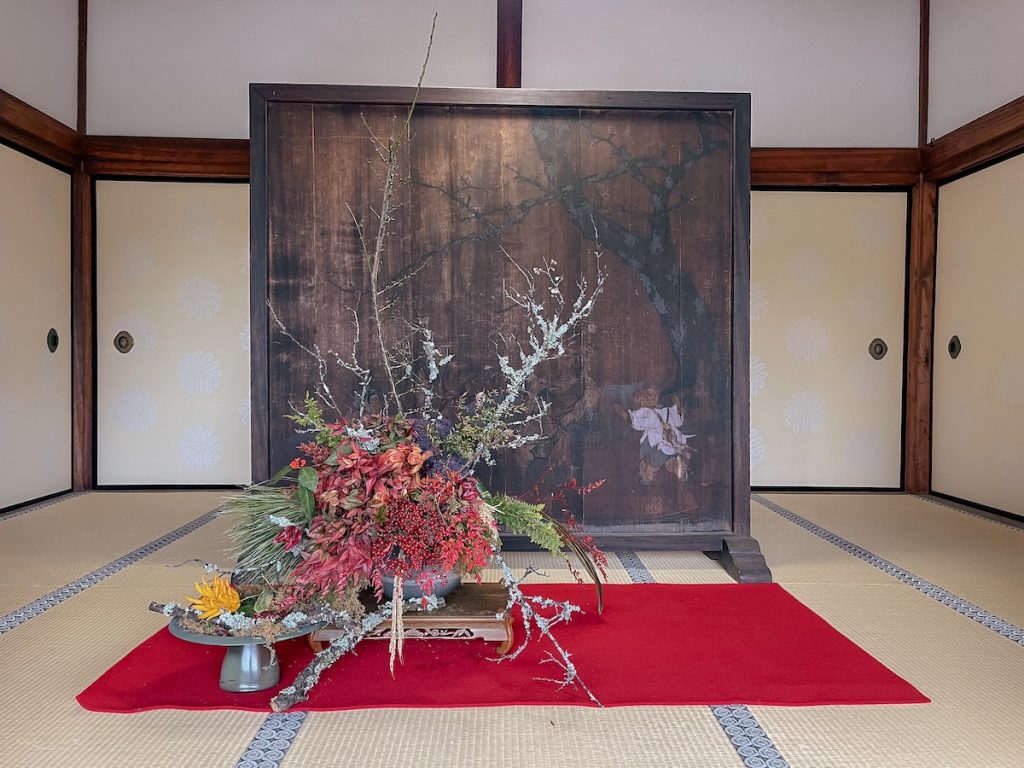
Myoman-ji Temple does not require a long visit.
If you only want to walk around the grounds, see the stupa, visit the main area, and take a few photos, around 30 to 45 minutes can be enough.
If you want to enter the paid area, sit by the Snow Garden, and enjoy the temple more slowly, I would plan around 1 hour.
A simple itinerary could look like this:
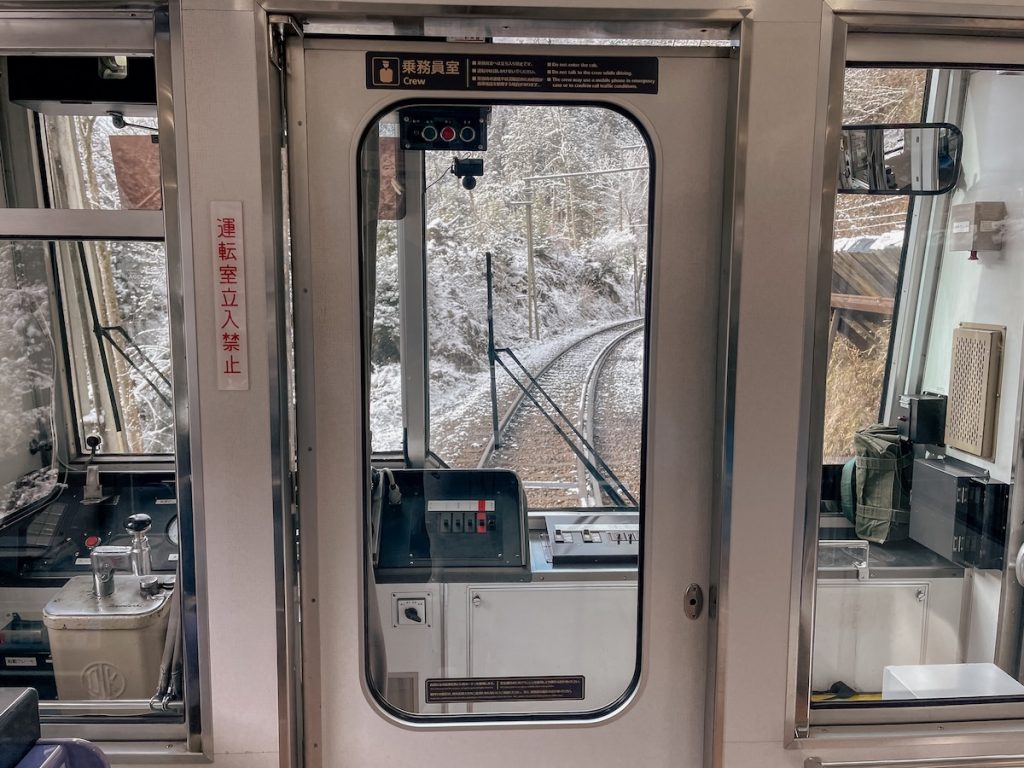
- Arrive at Kino Station on the Eizan Railway
- Walk to Myoman-ji Temple
- Explore the temple grounds and the Buddhist stupa
- Visit the main hall and Snow Garden
- Continue toward Kurama-dera Temple or Kifune Shrine
- Or stop in Ichijoji for ramen on your way back
If you are already visiting northern Kyoto, Myoman-ji is very easy to include without making your day too busy.
Practical Info
- Name: Myoman-ji Temple
- Japanese name: 妙満寺
- Area: Iwakura, Sakyo Ward, Kyoto
- Address: 91 Iwakura Hataedacho, Sakyo-ku, Kyoto, 606-0015
- Nearest station: Kino Station on the Eizan Railway
- Access: Around 5 minutes on foot from Kino Station
- Alternative access: Around 20 minutes on foot from Kokusaikaikan Station, or around 5 minutes by bus
- Bus access: Kyoto Bus to Hataeda Myomanji or Hataeda bus stop
- Opening hours for the temple grounds: 6:00 AM to 5:00 PM
- Opening hours for the paid temple area: 9:00 AM to 4:00 PM reception, with final exit by 4:30 PM
- Entry fee for the grounds: Usually free
- Entry fee for the paid area: 800 yen for adults, 700 yen for groups of 20 or more, 400 yen for elementary and junior high school students
- Important note: During cherry blossom, azalea, and autumn foliage seasons, the wider temple area may also require admission
- Closed: Check the official website before visiting, as closure days may change
- Recommended visit duration: Around 30 minutes to 1 hour
- Best season: Spring for cherry blossoms and azaleas, autumn for foliage, winter for the Snow Garden atmosphere
- Best time of day: Morning or early afternoon
- Good for: Quiet temples, gardens, photography, Buddhist architecture, hidden Kyoto spots, and peaceful walks
- Nearby places: Kurama-dera Temple, Kifune Shrine, Ichijoji ramen area, Iwakura, and Kokusaikaikan
- Travel tip: Myoman-ji is not a crowded temple, so take your time. It is best enjoyed slowly rather than as a quick checklist stop.
Is Myoman-ji Temple Worth Visiting?
Yes, Myoman-ji Temple is worth visiting, especially if you like quiet and less touristy places in Kyoto.
It is not the kind of temple that everyone visits on their first trip to Kyoto. It does not have the fame of Kiyomizu-dera, the golden beauty of Kinkaku-ji, or the huge crowds of Fushimi Inari.
But that is part of its charm.
Myoman-ji has a unique presence. The large Buddhist stupa gives it a very different visual identity, the Snow Garden adds a poetic and historical dimension, and the peaceful Iwakura setting makes the whole visit feel calm and local.
For me, this is a good place for travelers who have already seen the classics and want to discover another side of Kyoto.
And if you are already going toward Kurama-dera Temple or Kifune Shrine, it makes a lot of sense to stop by. It is on the way, it does not take too long, and it gives your day a nice extra layer.
Myoman-ji Temple may not be one of Kyoto’s most famous temples, but it has a quiet power that makes it memorable.
To finish, just a reminder that at Photo Trips, we connect you to local photographers all over Japan. If you want to join some of our photo tours in Kyoto, check what we have in store here: Kyoto Photographers.
Written by Mehdi, Tokyo-based photographer at Photo Trips