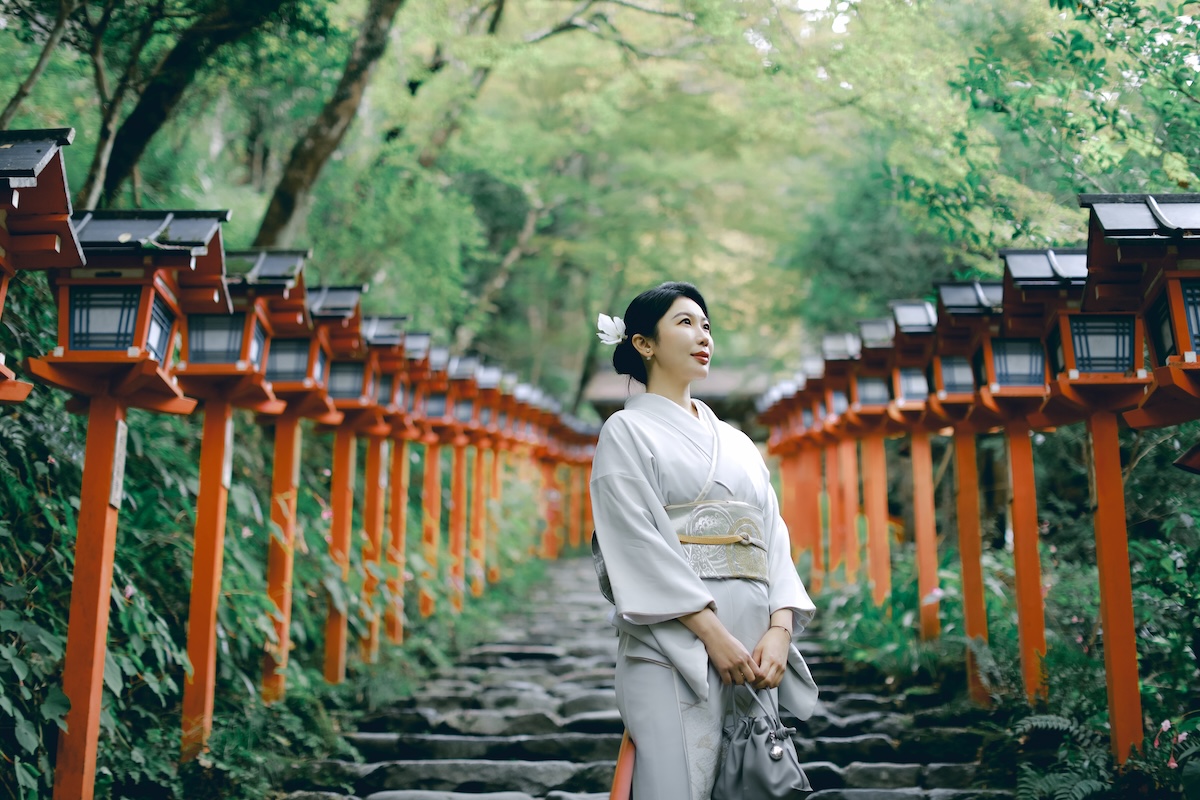
Kifune Shrine is one of the most atmospheric shrines you can visit in Kyoto. Located in the mountains north of the city, it feels completely different from the busy sightseeing areas around Gion, Higashiyama, Arashiyama, or Fushimi Inari. Here, the experience is quieter, greener, and much more connected to nature.
As a Tokyo-based photographer working with travelers in Japan, I always look for locations that have more than just a famous landmark. I love places with atmosphere, texture, seasonal beauty, and a real sense of place. Kifune Shrine has all of that.
The approach to the shrine is already beautiful, with stone steps lined by red lanterns, cedar trees, mountain air, and the sound of the Kibune River nearby. In summer, the area becomes a refreshing escape from Kyoto’s heat. In autumn, the valley turns colorful. In winter, if you are lucky enough to visit after snowfall, the shrine becomes one of the most magical photo spots in Kyoto.
Kifune Shrine is especially interesting because it is not just photogenic. It also has a strong spiritual identity connected to water. You can draw a water fortune, collect sacred water from the shrine, walk through the mountain village, and even enjoy riverside dining in summer.
In this guide, I’ll share everything you need to know before visiting Kifune Shrine, including its history, what to see, what to do nearby, the best time to visit, how to get there, seasonal highlights, practical information, and local tips to make your visit easier.
History and Local Context
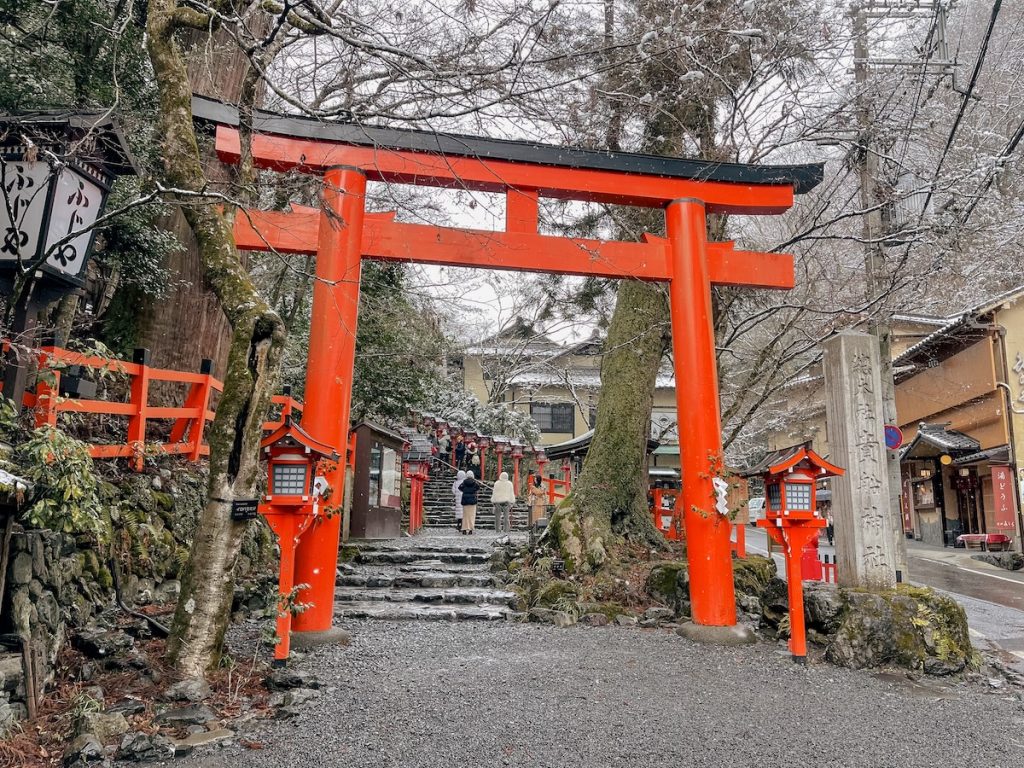
Kifune Shrine, sometimes written as Kibune Shrine depending on the romanization, is an ancient Shinto shrine located in Kibune, a small mountain village in northern Kyoto.
The shrine is dedicated to the deity of water. This is very important to understand before visiting because water is everywhere in the identity of Kifune Shrine. You hear it in the river, you see it in the sacred water source, and you experience it through the water fortune ritual.
Kifune Shrine is considered the head shrine of water deity shrines across Japan. For centuries, people have visited this sacred place to pray for rain, good harvests, safe travel, prosperity, and blessings related to water.
In the past, water was directly connected to survival. Agriculture depended on rainfall, rivers supported daily life, and water was seen as one of the most essential forces in nature. This is why a shrine dedicated to water had such deep importance.
What I personally love about Kifune Shrine is that it does not feel separated from the mountain. Some shrines feel like they were built in nature, but Kifune feels like it belongs to the forest. The red lanterns, stone steps, wooden shrine buildings, moss, cedar trees, mountain air, and flowing water all work together.
The surrounding village also adds to the atmosphere. Kibune is not a big tourist district. It is a narrow mountain village with traditional inns, restaurants, and ryokan-style buildings along the river. It feels intimate and local compared to Kyoto’s most famous attractions.
For travelers looking for a quieter and more photogenic side of Kyoto, Kifune Shrine is one of the best places to add to an itinerary.
What to See at Kifune Shrine
The Lantern-Lined Stone Staircase
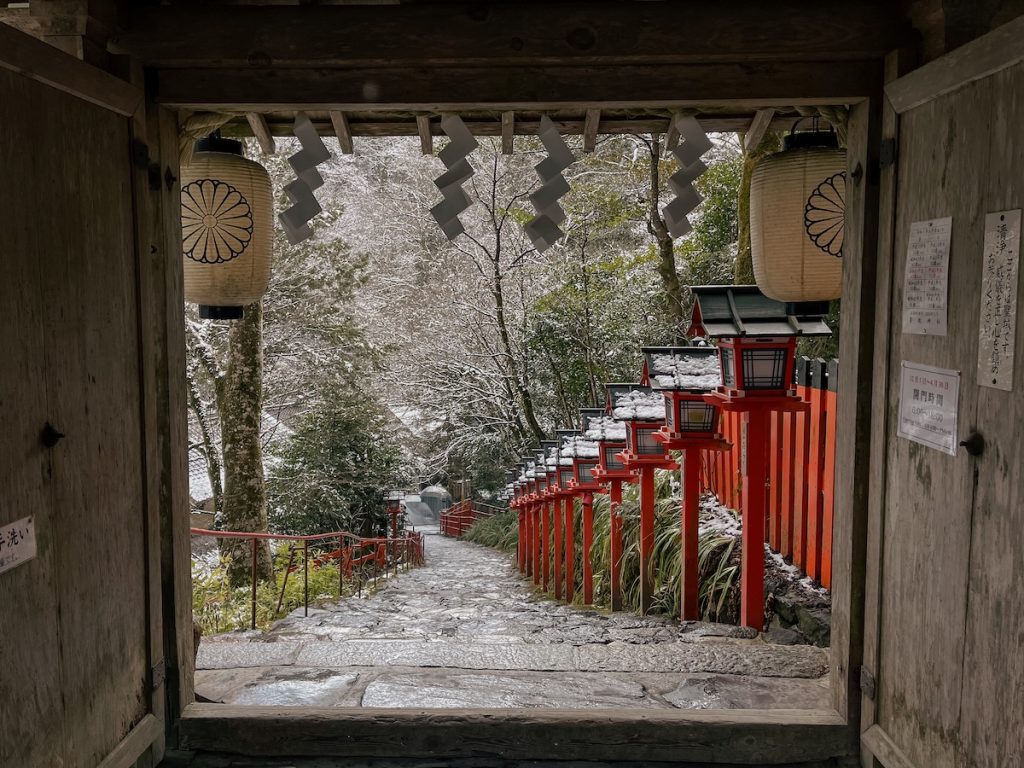
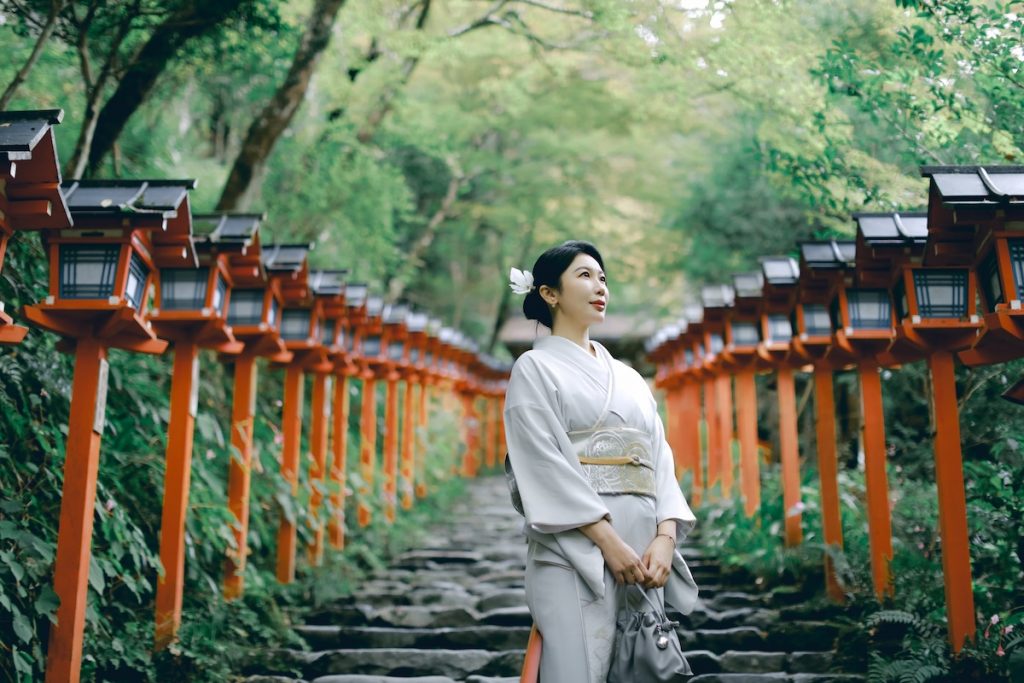
The most famous view of Kifune Shrine is the stone staircase leading up to the main shrine, lined with bright red lanterns on both sides.
This is the image most travelers recognize from photos of Kifune Shrine, and honestly, it is just as beautiful in real life. The staircase has a very cinematic feeling because of the strong lines created by the steps, the repetition of the lanterns, and the forest surrounding the approach.
From a photography point of view, this is the strongest composition at Kifune Shrine. The stairs naturally guide the eye upward, and the lanterns create depth. It works especially well for vertical photos, which is perfect for Instagram, Pinterest, and travel content.
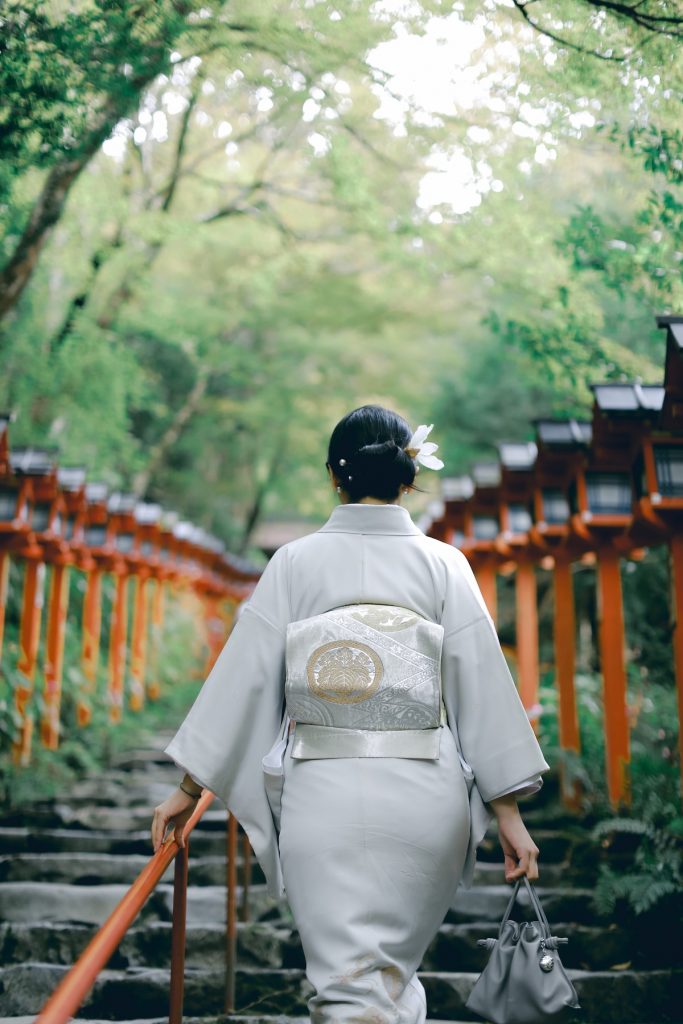
The atmosphere changes a lot depending on the weather. On sunny days, the red lanterns contrast beautifully with the green trees. On rainy days, the stone steps become darker and more reflective, which gives the scene a softer and more mysterious look. In winter, snow on the lanterns and steps creates one of the most beautiful shrine scenes in Kyoto.
My local tip is to arrive early if you want clean photos without too many people. The staircase is not very wide, so even a small number of visitors can make it difficult to take a clear shot.
This staircase is also one of the best places in Kyoto for kimono photos. The traditional outfit matches perfectly with the shrine atmosphere, the red lanterns, and the forest background. If you are planning a special Kyoto photoshoot, renting a kimono before visiting Kifune Shrine can make the photos look much more elegant and memorable.
The Main Shrine Area
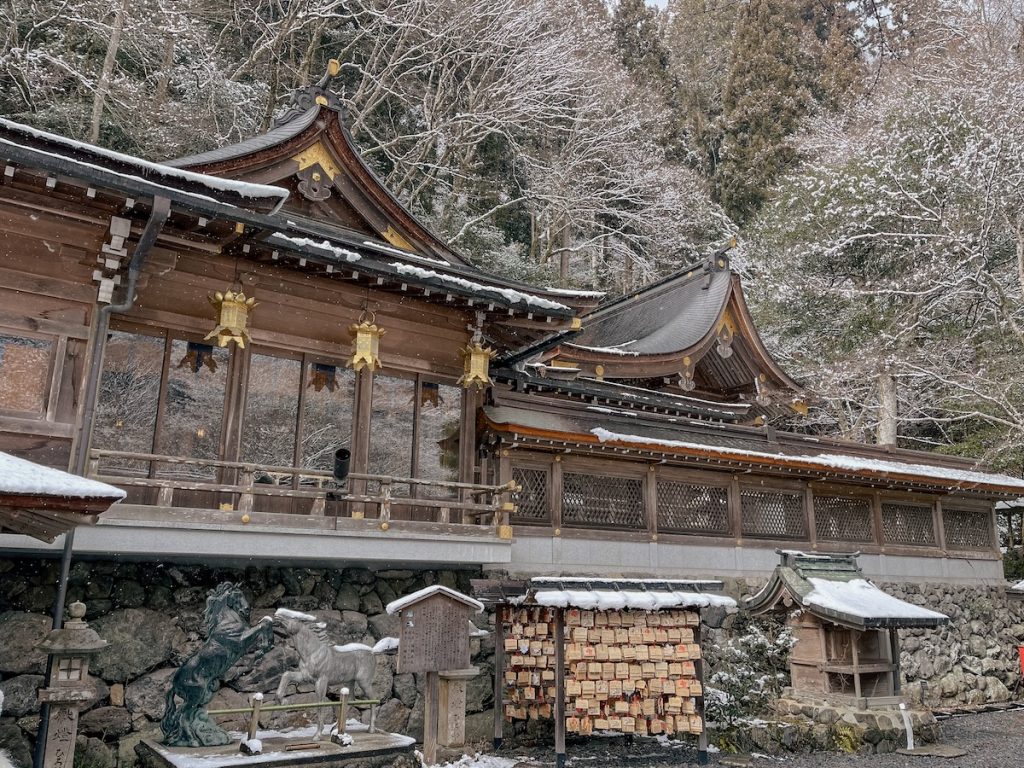
After climbing the staircase, you reach the main shrine area. It is not huge, but that is part of its charm. Kifune Shrine is not impressive because of its size. It is impressive because of its setting.
The main shrine area is surrounded by trees and mountain air, creating a peaceful atmosphere. You can take a moment to pray, observe the shrine architecture, and enjoy the feeling of being far away from central Kyoto.
For photography, this area is more subtle than the staircase. Instead of one big iconic shot, look for small compositions: wooden textures, shrine ropes, lanterns, seasonal leaves, and the way the light enters through the trees.
This is also where you start to understand why Kifune has such a spiritual reputation. The sound of water nearby, the forest, and the mountain setting make the shrine feel calm and alive at the same time.
The Water Fortune Experience
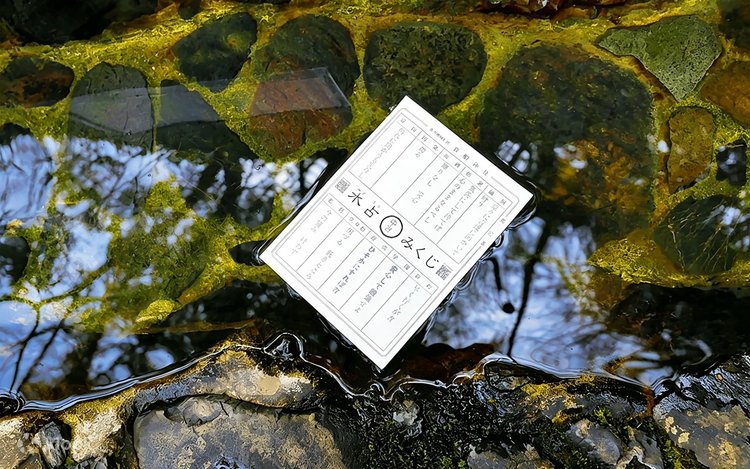
One of the most unique things to do at Kifune Shrine is the water fortune, called mizu ura mikuji.
Unlike regular paper fortunes, these slips look blank at first. You place the paper on the water, and the writing slowly appears. It is simple, but it is one of those small experiences that makes the shrine memorable.
Because Kifune Shrine is deeply connected to the deity of water, this fortune experience fits perfectly with the identity of the place. It is also a nice moment to photograph, especially if you like detail shots and storytelling images.
If you are visiting as a couple, this can also be a fun little memory from the trip. It gives you something to do beyond just taking pictures and walking around.
The Sacred Water Source
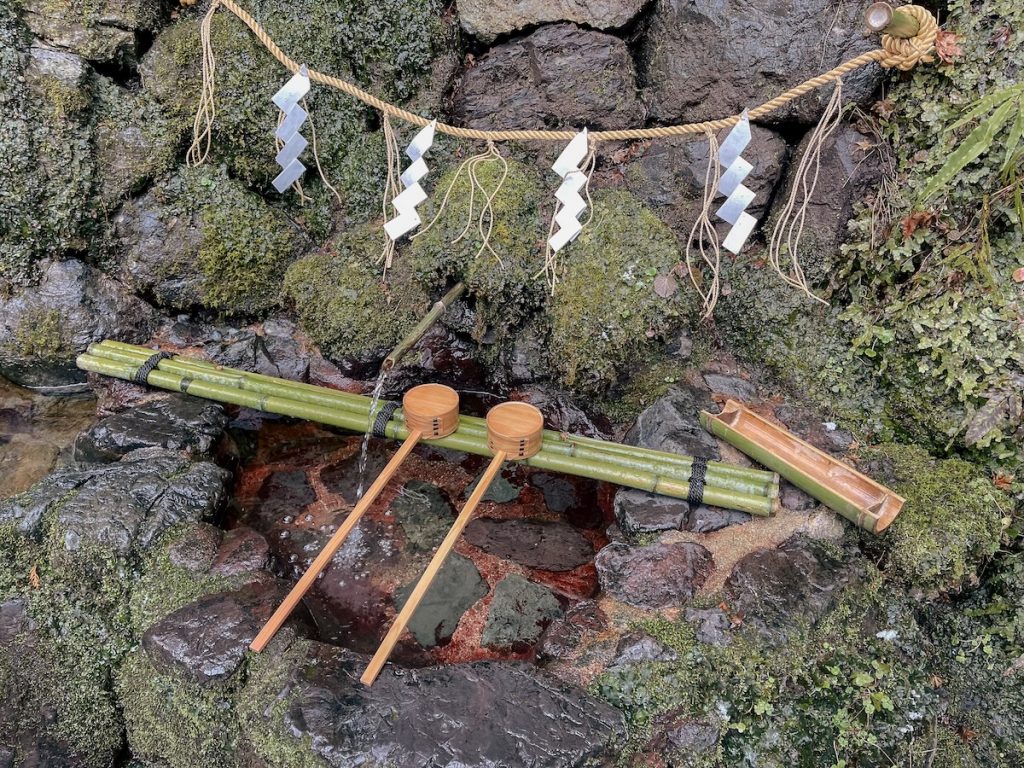
Another special thing to experience at Kifune Shrine is the sacred water source.
Because the shrine is dedicated to the deity of water, water is not just part of the scenery here. It is part of the identity of the place. Near the main shrine area, you can find a water source where visitors can collect the shrine’s sacred water.
You can either bring your own bottle or buy an empty bottle at the shrine, then fill it directly from the water source. The water is drinkable, so you can actually taste it and take some with you.
I really like this experience because it feels simple, local, and meaningful. You are not only looking at the shrine from the outside. You are interacting with one of the most important elements of the place.
It is also a nice detail to capture in photos: the water flowing, the bottle being filled, your hands near the source, or the small moment of drinking the sacred water. These small images can make your travel memories feel more personal.
The Mountain Road Around the Shrine
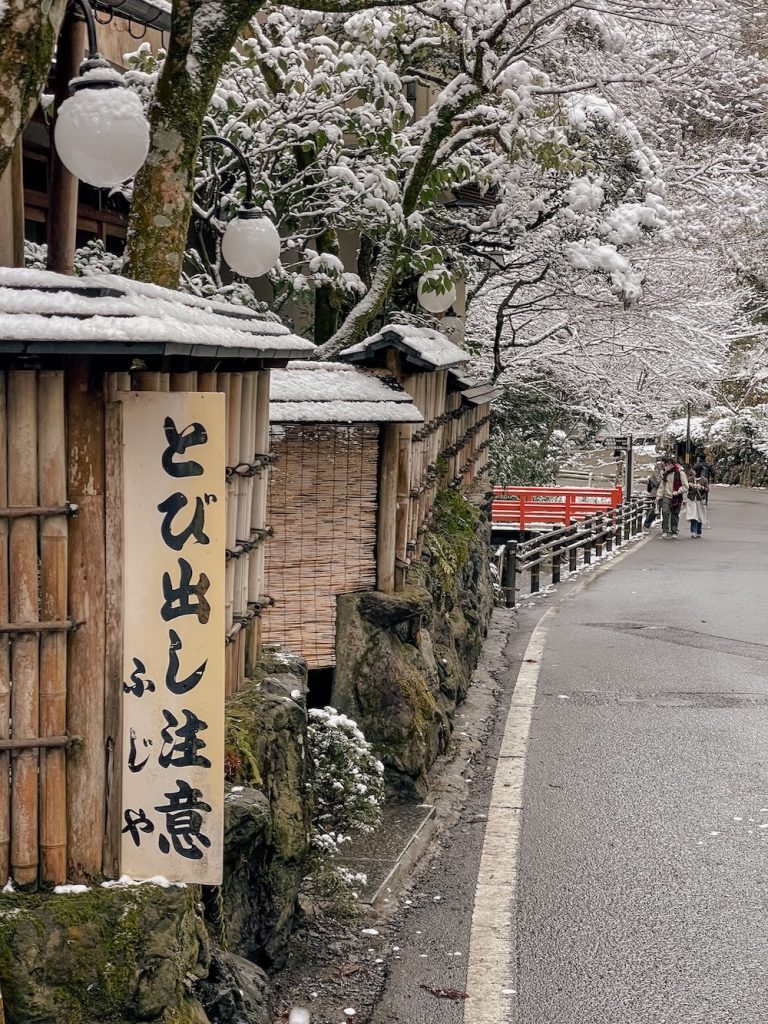
Part of the beauty of Kifune Shrine is not only the shrine itself, but also the road around it. The village road follows the Kibune River, with restaurants, ryokan, small bridges, stone walls, and forest scenery along the way.
This is one of the reasons I think Kifune is such a good place for photography. You are not limited to one photo spot. The whole area has atmosphere.
The narrow road, the traditional buildings, the mountain background, and the river create many quiet photo opportunities. It feels less polished than some famous Kyoto locations, but more authentic.
For travelers who enjoy slow exploration, this is one of the best parts of visiting Kifune. Don’t just go to the shrine, take one photo, and leave. Walk around the village, listen to the river, and enjoy the small scenes along the way.
What to See Near Kifune Shrine
Kibune Village
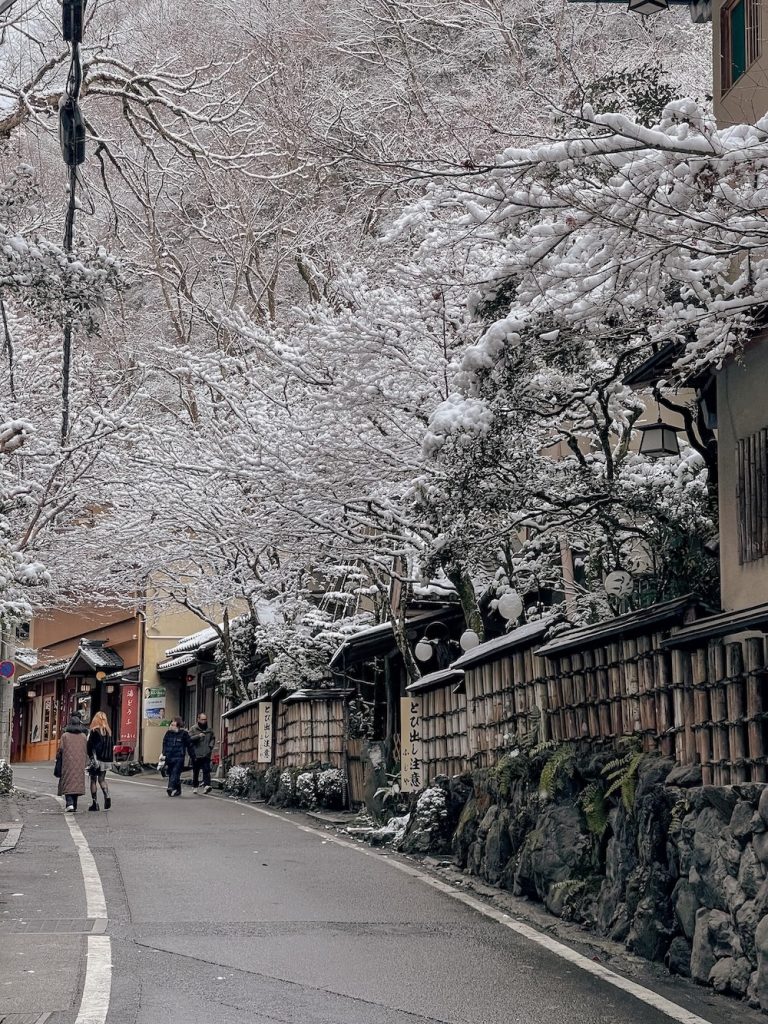
Kibune village is small, but it is a big part of the experience. The village stretches along the Kibune River, with traditional inns, restaurants, and wooden buildings built close to the water.
Compared to central Kyoto, the atmosphere here feels much quieter and more local. It is not a place with big souvenir shops or crowded shopping streets. Instead, it feels like a mountain retreat.
This makes it especially beautiful for travelers who want to see a different side of Kyoto. If you like places that feel peaceful, natural, and slightly hidden, Kibune is exactly the kind of area you will enjoy.
For photos, the village offers a lot of nice backgrounds: narrow mountain roads, traditional restaurant entrances, bridges over the river, forest-covered slopes, stone walls, seasonal maple leaves, and misty or rainy mountain scenery.
It is also a nice place to walk slowly before or after visiting the shrine.
Kawadoko Riverside Restaurants
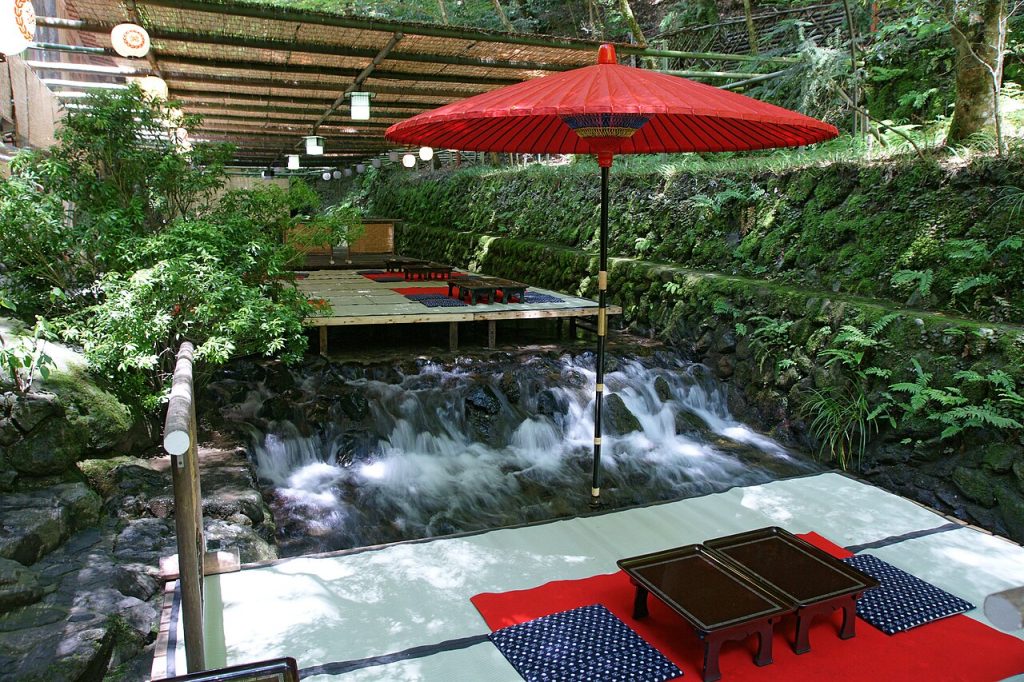
One of the most special experiences near Kifune Shrine is kawadoko dining.
During the warmer months, several restaurants in Kibune set up dining platforms directly above the river. Guests sit close to the flowing water while enjoying traditional Japanese meals. Because Kibune is in the mountains, the air is cooler than central Kyoto, making it a popular summer escape for locals.
This is one of the best local experiences you can have in the area, especially if you visit between late spring and summer. The sound of the river, the shade of the trees, and the traditional food create a very Kyoto-style experience, but with a mountain atmosphere.
It can be more expensive than a casual restaurant in the city, but the experience is unique. If you are planning a special Kyoto day trip, having lunch by the river can make the visit feel much more memorable.
My tip is to book in advance if you are visiting during peak summer, especially on weekends or holidays. The popular restaurants can get busy, and some places may not accept walk-ins during the busiest periods.
Even if you do not plan to eat there, the kawadoko platforms are still part of the summer scenery in Kibune. They make the village feel even more special and give the area a strong seasonal identity.
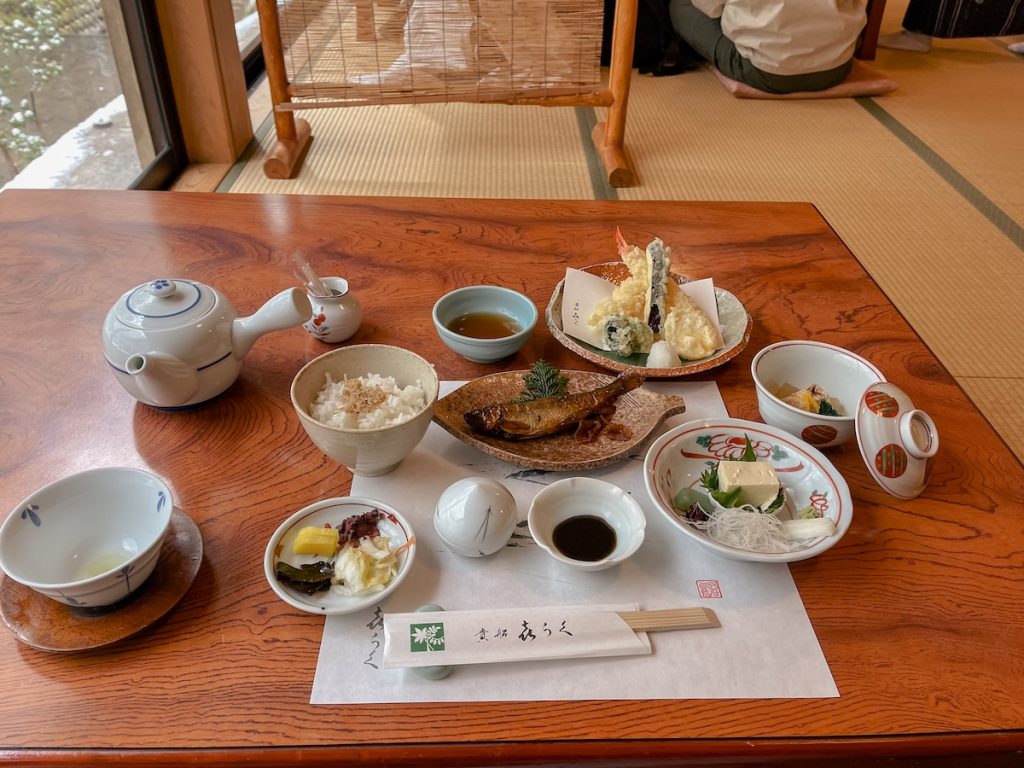
If you happen to go to Kifune shrine while during another season, I still recommend to eat at the restaurants by the river. You would still have a nice view on the river and you can eat delicious traditional food from inside.
Kurama
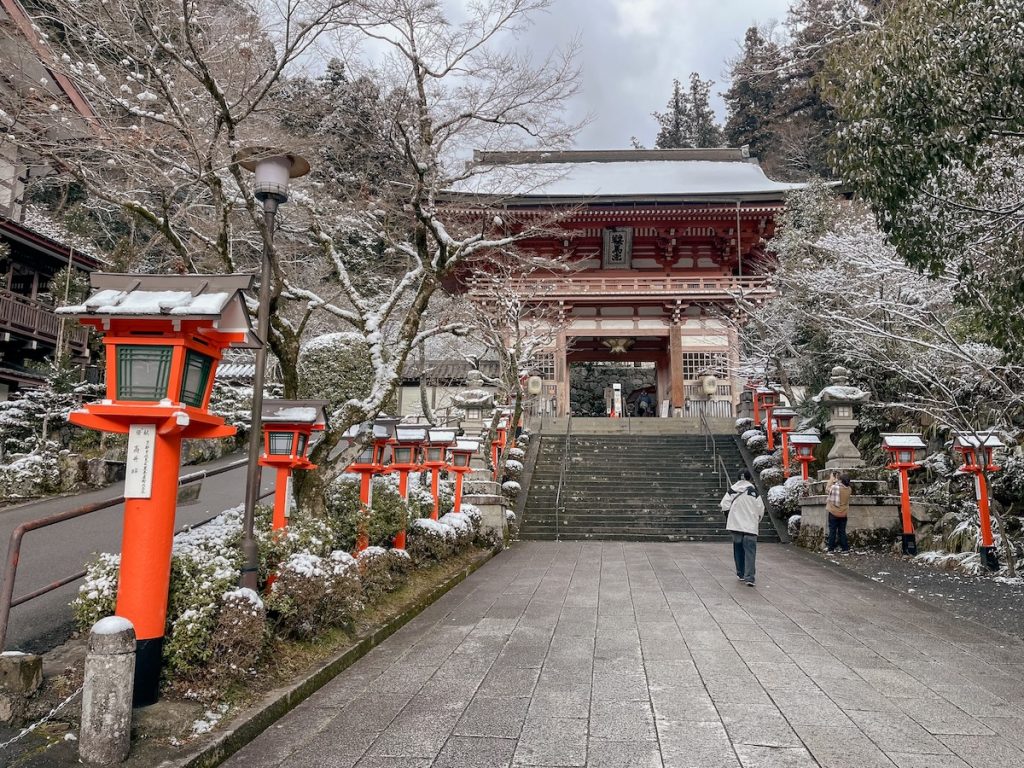
Kifune Shrine is often combined with Kurama, another mountain village nearby. Kurama is known for Kurama Temple, forest trails, and its connection to mountain spirituality.
If you enjoy walking and nature, you can visit both Kibune and Kurama in one day. Many travelers either start from Kurama, hike over the mountain, and end in Kibune, or visit Kifune first and continue toward Kurama.
This combination is ideal if you want a full day away from central Kyoto. It gives you shrines, temples, forest paths, mountain views, and a completely different atmosphere from the usual Kyoto sightseeing route.
However, if your main goal is photography and a relaxed visit, I would not overpack the day. Kifune Shrine and Kibune village are already worth taking your time for.
Myoman-ji Temple
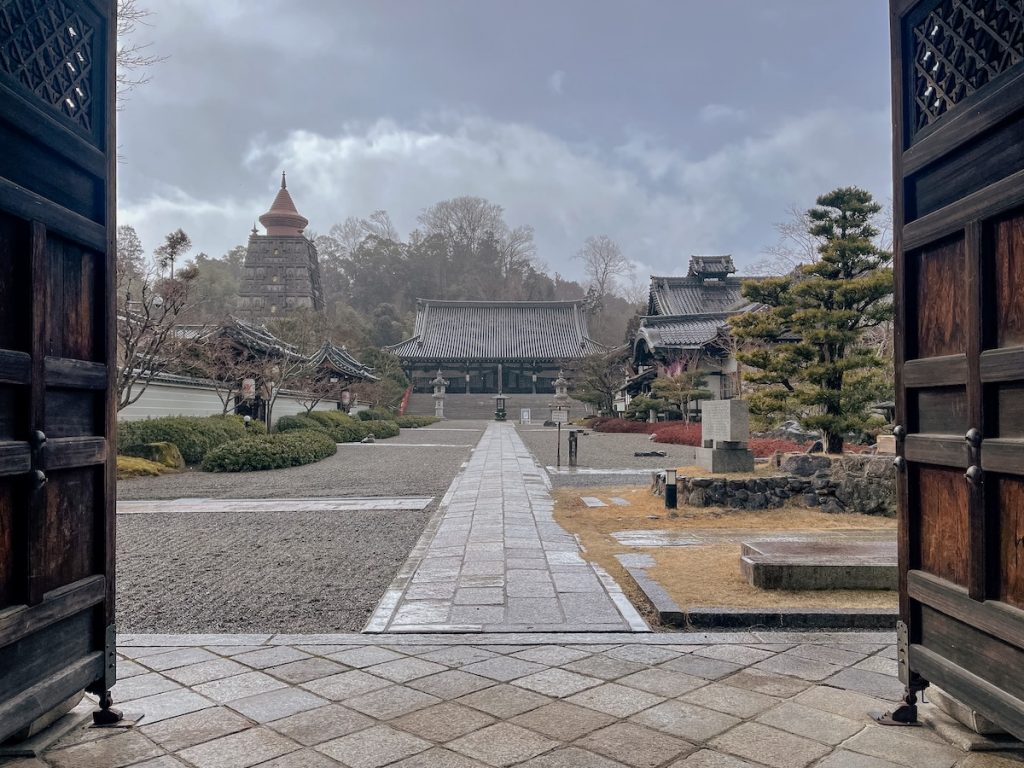
Another interesting stop near Kifune Shrine is Myoman-ji Temple, a quiet and underrated temple in the Iwakura area of northern Kyoto. It is not directly in Kibune, but it is located on the way if you are traveling toward Kurama or Kifune by the Eizan Railway.
What makes Myoman-ji special is its peaceful atmosphere, beautiful garden, and large Buddhist stupa, which gives the temple a very unique look compared to most temples in Kyoto. It is a good place to visit if you want to add a calm, less touristy stop to your day before or after exploring Kifune Shrine.
Best Time to Visit Kifune Shrine
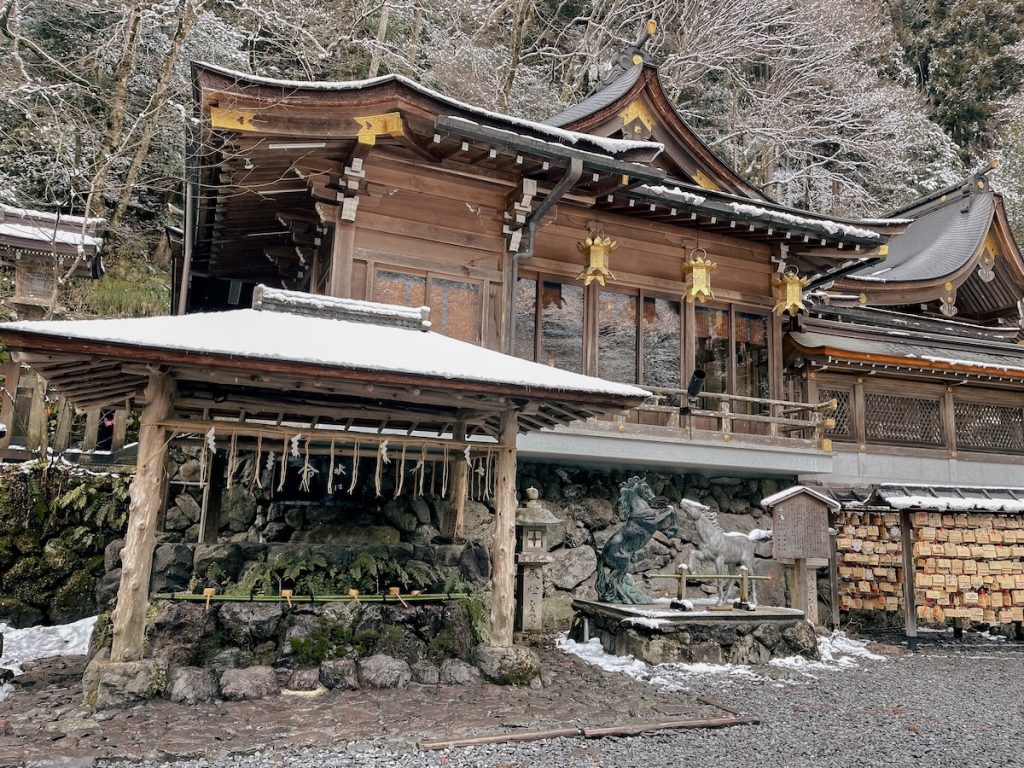
Morning
Morning is usually the best time to visit Kifune Shrine if you want fewer people and better photos.
The lantern staircase is the main photo spot, and it looks much better when it is not crowded. Since the stairs are narrow, even a few people can change the composition. Arriving early gives you a better chance to enjoy the shrine quietly and take photos without waiting too much.
Morning light is also softer, especially in the mountain valley. This helps avoid harsh shadows and makes the atmosphere feel more peaceful.
If you are planning to take portraits or kimono photos, morning is the best choice. The shrine feels calmer, and you will have more space to pose without feeling rushed.
Afternoon
Afternoon can still be a good time to visit, especially if you are combining Kifune Shrine with lunch at a kawadoko restaurant or a visit to Kurama.
The downside is that it can be busier, especially during autumn foliage season, summer weekends, and special illumination periods. If you visit in the afternoon, I recommend slowing down and focusing less on getting empty photos. Instead, enjoy the village atmosphere, the river, and the seasonal scenery.
Evening
Evening visits can be beautiful during illumination periods. The red lanterns, shrine atmosphere, and mountain darkness create a completely different mood from daytime.
However, evening visits require more planning because transportation is less flexible than in central Kyoto. Always check train and bus times before staying late, especially if you are not using a car or taxi.
Evening is also better for atmosphere than for practical travel photography, unless you have a good camera or know how to shoot in low light.
Rainy Days
Kifune Shrine is one of those places that can actually look better in the rain.
The forest becomes deeper in color, the stone steps become more reflective, and the shrine feels more mysterious. Kyoto rain can be annoying in crowded places, but in Kifune it often adds to the mood.
If you are comfortable carrying an umbrella and protecting your camera, a rainy visit can be very photogenic.
Snowy Days
Snow is rare enough in Kyoto that you should never count on it, but if you happen to visit Kifune Shrine after snowfall, it can be unforgettable.
The red lanterns covered in snow are one of the most iconic winter scenes in Kyoto. The contrast between white snow, red lanterns, dark trees, and stone steps is perfect for photography.
Just be careful with transportation and slippery paths if you visit during snow.
How to Get to Kifune Shrine
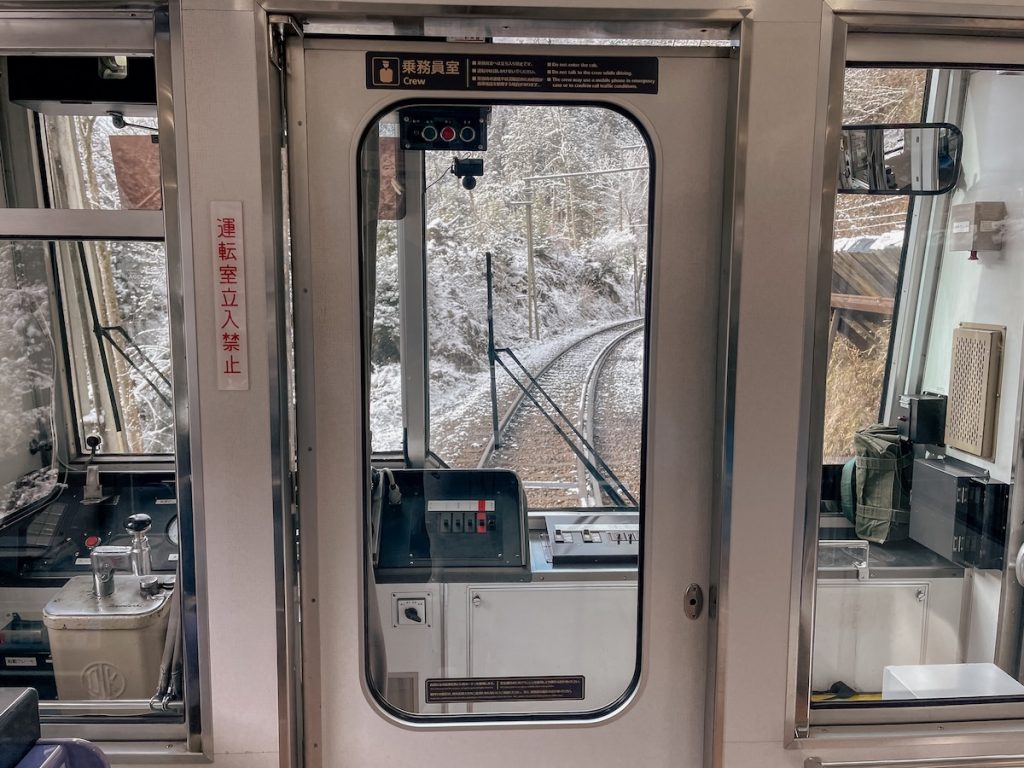
Kifune Shrine is located in northern Kyoto, in the Kibune area of Sakyo Ward. It takes more effort to reach than central Kyoto attractions, but the journey is part of the experience.
The most common route is:
- Take the Eizan Railway to Kibuneguchi Station.
- From Kibuneguchi Station, take a Kyoto Bus toward Kibune.
- Get off near Kifune Shrine and walk to the shrine entrance.
From central Kyoto, the full journey usually takes around one hour, depending on where you start and how well your train and bus connections line up.
If you are starting from Kyoto Station, you will usually need to transfer through central Kyoto first, often via subway or local train, before reaching the Eizan Railway line.
You can also walk from Kibuneguchi Station to Kifune Shrine, but it takes around 30 minutes uphill along the road. The walk can be nice if the weather is good, but I would not recommend it for everyone, especially in summer heat, heavy rain, or if you are wearing kimono.
Local tip: check the bus schedule before you go. This is not like central Kyoto where trains and buses are constant. Missing a bus can add unnecessary waiting time.
If you are visiting in kimono, I would strongly recommend using the bus or a taxi from Kibuneguchi Station instead of walking all the way uphill. The area is beautiful, but it is not the most comfortable place for a long walk in traditional clothing.
Seasonal Highlights and Events
Spring
Spring at Kifune Shrine is calm and fresh. While it is not mainly known as a cherry blossom destination, the new greenery and mountain air make it a peaceful season to visit.
This is a good time if you want mild weather and fewer crowds compared to autumn or peak summer. The forest starts to feel alive again, and the shrine has a clean, refreshing atmosphere.
For photography, spring is nice if you want soft greenery, quiet backgrounds, and a more relaxed Kyoto trip.
Summer
Summer is one of the most popular seasons in Kibune because of the kawadoko riverside dining experience.
Kyoto can be extremely hot and humid in summer, but Kibune feels cooler because of its mountain location and river setting. This is why many locals visit the area during the warmer months.
The shrine is surrounded by rich greenery, which makes it very photogenic. If you like lush forest backgrounds, summer is a beautiful time to visit.
Summer is also connected to water rituals and seasonal traditions at Kifune Shrine. Since the shrine is dedicated to the deity of water, this season feels especially meaningful.
If you want to combine the shrine, river scenery, and a meal above the water, summer is probably the best season to visit Kifune.
Autumn
Autumn is one of the best seasons to visit Kifune Shrine.
The maple leaves around the shrine and village turn red, orange, and yellow, creating a beautiful contrast with the lanterns and shrine buildings. The whole valley becomes more colorful, and the approach to the shrine feels especially atmospheric.
This is also one of the busiest times, so plan carefully. If you want better photos, try to visit early in the morning or on a weekday.
For photographers, autumn is probably the easiest season to get beautiful images because the colors naturally add depth to every shot.
Winter
Winter gives Kifune Shrine a completely different mood.
The shrine feels quieter, colder, and more mysterious. If there is snow, it becomes one of the most beautiful winter scenes in Kyoto. The lantern staircase is especially famous after snowfall.
Some winter illumination events may happen depending on conditions and schedules, but these can change, so always check official information before planning your visit around them.
Winter is also the season where the shrine feels the most dramatic in photos. The contrast between the red lanterns, white snow, dark trees, and stone steps is amazing.
Practical Info
Opening Hours
Kifune Shrine is open all year round, and admission is free.
The main shrine opening hours are:
- May 1 to November 30: 6:00 AM to 8:00 PM
- December 1 to April 30: 6:00 AM to 6:00 PM
The shrine office is usually open from 9:00 AM to 5:00 PM. If you want to buy charms, fortunes, goshuin, or a bottle for the sacred water, it is better to visit during these hours.
The lanterns along the main approach are lit from sunset until closing, which can make the staircase look especially beautiful in the evening.
Entrance Fee
Kifune Shrine is free to enter.
This makes it a great addition to a Kyoto itinerary because you can enjoy one of the city’s most beautiful shrine settings without paying an admission fee.
Time Needed
For the shrine itself, plan around 1 to 1.5 hours.
If you also want to walk through Kibune village, take photos, enjoy a riverside meal, or combine the visit with Kurama, you should plan half a day.
A relaxed itinerary could look like this:
- Arrive late morning
- Visit Kifune Shrine
- Experience the water fortune
- Collect sacred water
- Walk through Kibune village
- Have lunch at a riverside restaurant
- Continue to Kurama or return to central Kyoto
Photography Tips
Kifune Shrine is very photogenic, but it is not the easiest place to photograph if it gets crowded.
For better photos:
- Visit early in the morning
- Use the lantern staircase as your main wide shot
- Take detail photos around the water fortune and sacred water source
- Use the forest and river as natural backgrounds
- Avoid blocking worshippers
- Be careful on rainy or snowy steps
- Shoot vertical photos for social media
- Include people in the frame to show scale and atmosphere
- Consider renting a kimono before visiting Kifune Shrine
A kimono can look especially beautiful here because the traditional style matches the atmosphere of the shrine perfectly. The red lantern staircase, stone steps, forest background, and mountain village scenery all work very well with kimono photos.
If you want elegant Kyoto-style portraits, this is one of the best ways to make your photos feel more special. Just keep in mind that Kifune has stairs, uphill roads, and uneven surfaces, so comfort matters.
For colors, neutral or traditional tones usually work best. White, beige, dark green, navy, brown, soft pink, and deep red can all look beautiful against the lanterns and forest background.
If you want to get pro pictures here, make sure you consider Photo Trips. We connect you to local photographers in Kyoto so you can get amazing travel pictures in unique places. And if you didn’t find the exact photoshoot you want, feel free to send us a custom photoshoot request with this form.
Accessibility
Kifune Shrine has stone stairs and mountain paths, so it is not the easiest place for visitors with mobility issues, strollers, or heavy luggage.
The main staircase is beautiful, but it also means you should wear comfortable shoes. If you are visiting in rain or snow, be extra careful because the stones can become slippery.
If you are visiting with a stroller, wheelchair, or someone who has difficulty walking, it is better to check access conditions carefully before going.
Food and Facilities
You can find restaurants in Kibune village, especially known for riverside dining in summer. However, options are more limited than in central Kyoto, and some restaurants may require reservations or have seasonal opening periods.
There are also fewer convenience stores and casual food options nearby, so it is better to plan ahead.
If you are visiting mainly for kawadoko dining, check restaurant availability in advance. Some places operate seasonally, and summer weekends can be busy.
Frequently Asked Questions About Kifune Shrine
Is Kifune Shrine worth visiting?
Yes, Kifune Shrine is absolutely worth visiting if you want to see a quieter, more natural side of Kyoto. It is especially recommended for travelers who enjoy photography, mountain scenery, traditional shrine atmosphere, and seasonal landscapes.
What is Kifune Shrine famous for?
Kifune Shrine is famous for its red lantern staircase, its connection to the deity of water, its water fortune slips, its sacred water source, and its beautiful mountain setting in northern Kyoto.
How long do you need at Kifune Shrine?
You need around 1 to 1.5 hours for the shrine itself. If you want to enjoy Kibune village, take photos slowly, eat at a riverside restaurant, or combine the visit with Kurama, plan half a day.
When is the best time to visit Kifune Shrine?
The best time depends on what you want to experience. Summer is great for kawadoko riverside dining and greenery. Autumn is best for colorful leaves. Winter is magical if there is snow. Morning is usually the best time of day for fewer crowds and better photos.
Is Kifune Shrine crowded?
Kifune Shrine is usually less crowded than Kyoto’s most famous tourist spots, but it can still get busy during autumn, summer weekends, and illumination events. The lantern staircase is narrow, so it can feel crowded quickly.
Can you take photos at Kifune Shrine?
Yes, Kifune Shrine is one of the most photogenic shrines in Kyoto. Just be respectful of worshippers, avoid blocking paths, and follow any signs about restricted areas.
Can you drink the sacred water at Kifune Shrine?
Yes, visitors can collect drinkable sacred water at Kifune Shrine. You can bring your own bottle or buy one at the shrine, then fill it from the water source.
What are Kifune Shrine’s opening hours?
Kifune Shrine is open from 6:00 AM to 8:00 PM from May 1 to November 30, and from 6:00 AM to 6:00 PM from December 1 to April 30. The shrine office is usually open from 9:00 AM to 5:00 PM.
How do you get to Kifune Shrine from Kyoto Station?
From Kyoto Station, you need to travel toward the Eizan Railway line, then take the train to Kibuneguchi Station. From there, take a local bus toward Kibune and walk to the shrine. The full trip usually takes around one hour or more depending on transfers.
Can you visit Kifune Shrine and Kurama in the same day?
Yes, Kifune Shrine and Kurama can be visited on the same day. Many travelers combine both areas, especially if they enjoy hiking and mountain scenery.
Is Kifune Shrine good for couples?
Yes, Kifune Shrine is a beautiful place for couples. The lantern staircase, forest atmosphere, river village, and seasonal scenery make it very romantic, especially in autumn, winter, or during a quiet morning visit.
Is Kifune Shrine good for a kimono photoshoot?
Yes, Kifune Shrine is a beautiful place for a kimono photoshoot in Kyoto. The red lantern staircase, stone steps, forest background, and traditional shrine atmosphere work very well with kimono portraits.
The only thing to keep in mind is comfort. The area has stairs, uphill roads, and uneven surfaces, so it is better to plan your route carefully and avoid walking too much in uncomfortable footwear.
You May Also Like: Best Kimono Photo Spots in Kyoto
Conclusion
Kifune Shrine is one of the most beautiful places to visit in Kyoto if you want nature, culture, and photography in the same experience.
It is not the easiest shrine to reach, but that is exactly why it feels special. The mountain setting, the river, the lantern staircase, the water traditions, the sacred water source, and the quiet village atmosphere make it feel very different from Kyoto’s more famous sightseeing areas.
For me, Kifune Shrine is not just a place to take one quick photo. It is a place to slow down, walk along the river, notice the details, drink the sacred water, and enjoy a more peaceful side of Kyoto.
Written by Mehdi, Tokyo-based photographer at Photo Trips