
Whenever I photograph visitors in Shinjuku, one question comes up again and again: should I visit Omoide Yokocho or Golden Gai?
I completely understand why people ask. Both places are famous, both appear in almost every Tokyo travel guide, and both are known for their narrow alleyways and old-school atmosphere. If you’ve only seen photos online, you might even think they offer a very similar experience.
After spending years exploring Shinjuku, photographing visitors there, and regularly stopping by for dinner or drinks, I can confidently say that they are actually very different places.
The good news is that you don’t really have to choose. They’re only a short walk apart, and if you have a full evening in Shinjuku, I genuinely think you should visit both. However, if somebody forced me to pick just one, I would probably choose Omoide Yokocho.
That doesn’t mean Golden Gai isn’t worth visiting. In fact, there are situations where I specifically prefer Golden Gai, especially for certain types of photography and for having drinks. But overall, Omoide Yokocho slightly wins for me.
Let me explain why.
Why I Slightly Prefer Omoide Yokocho
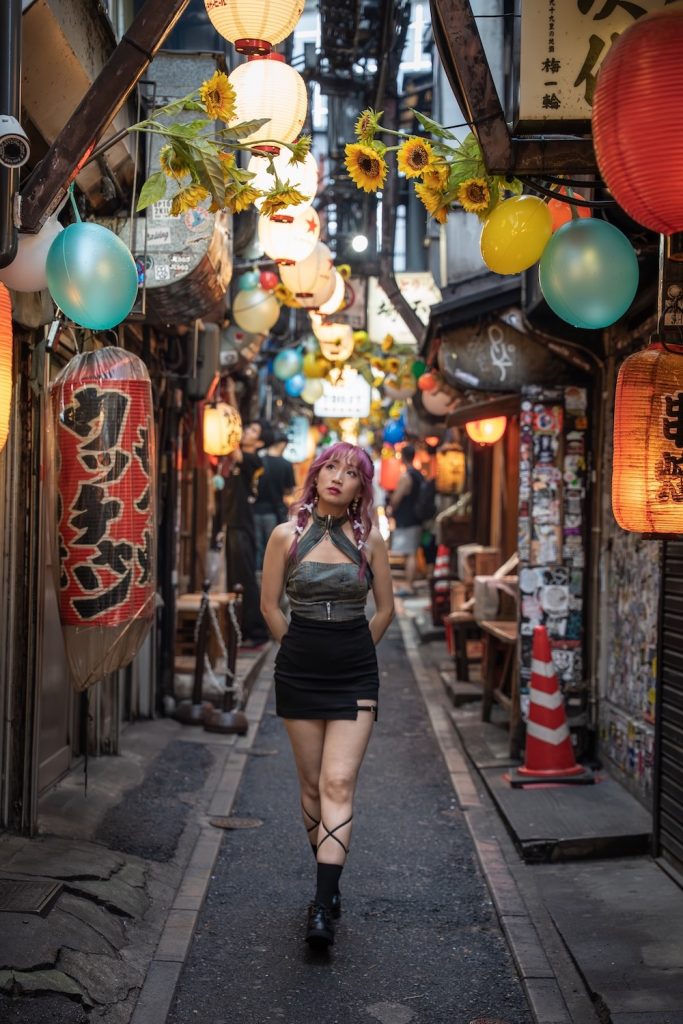
As a photographer, I naturally pay a lot of attention to atmosphere and visuals.
The reason I slightly prefer Omoide Yokocho is that it immediately feels like Tokyo. It’s one of those places that is instantly recognizable. Even people who have never visited Japan often recognize photos of Omoide Yokocho because it captures so many elements that people associate with Tokyo nightlife.
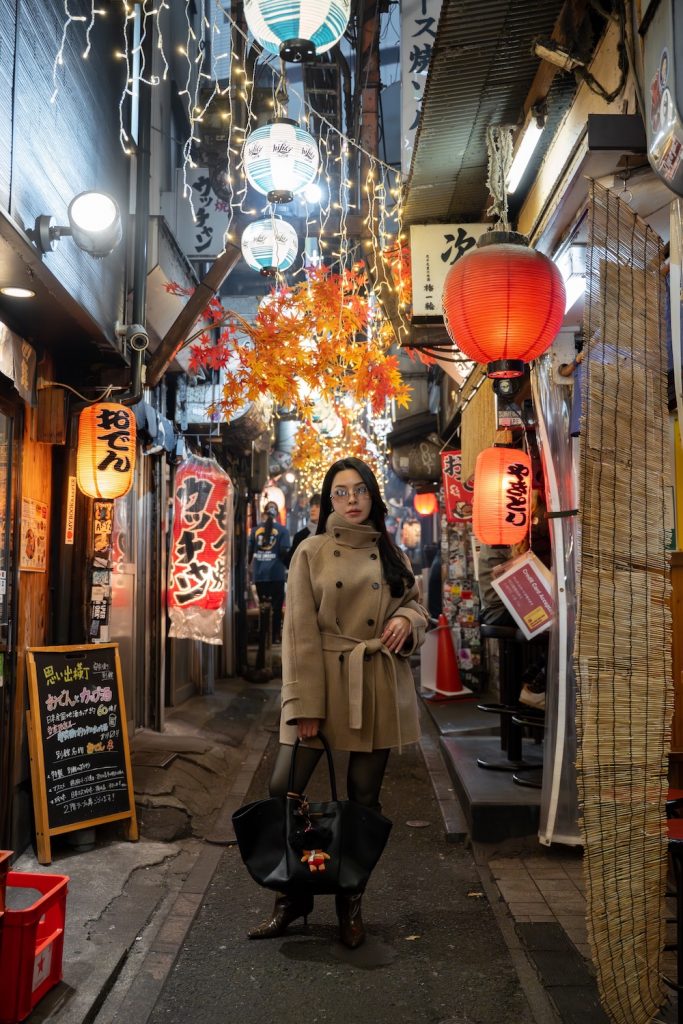
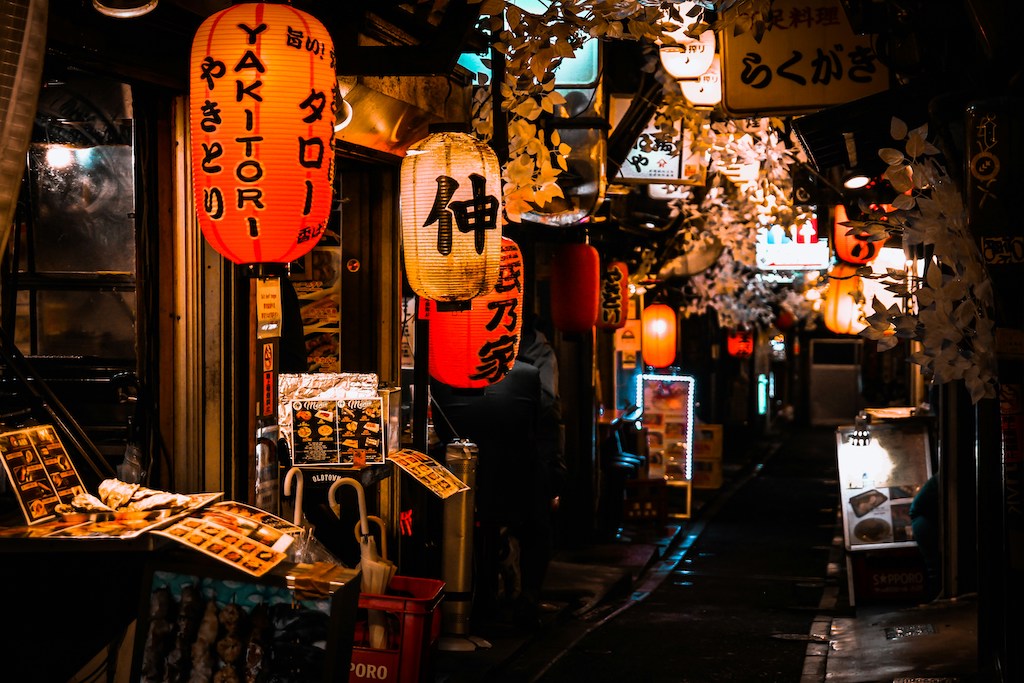
The narrow alleyways, the lanterns hanging overhead, the small restaurants squeezed together, and the smoke coming from the grills create a scene that feels unmistakably Japanese.
Golden Gai has its own charm, but visually it feels more subtle. It’s darker, quieter, and less obvious. Omoide Yokocho immediately tells a story.
When I guide visitors during photography sessions, Omoide Yokocho is usually one of my favorite locations because almost every corner works well in photos. You don’t have to search very hard to find a great composition.
The Atmosphere: Two Completely Different Experiences
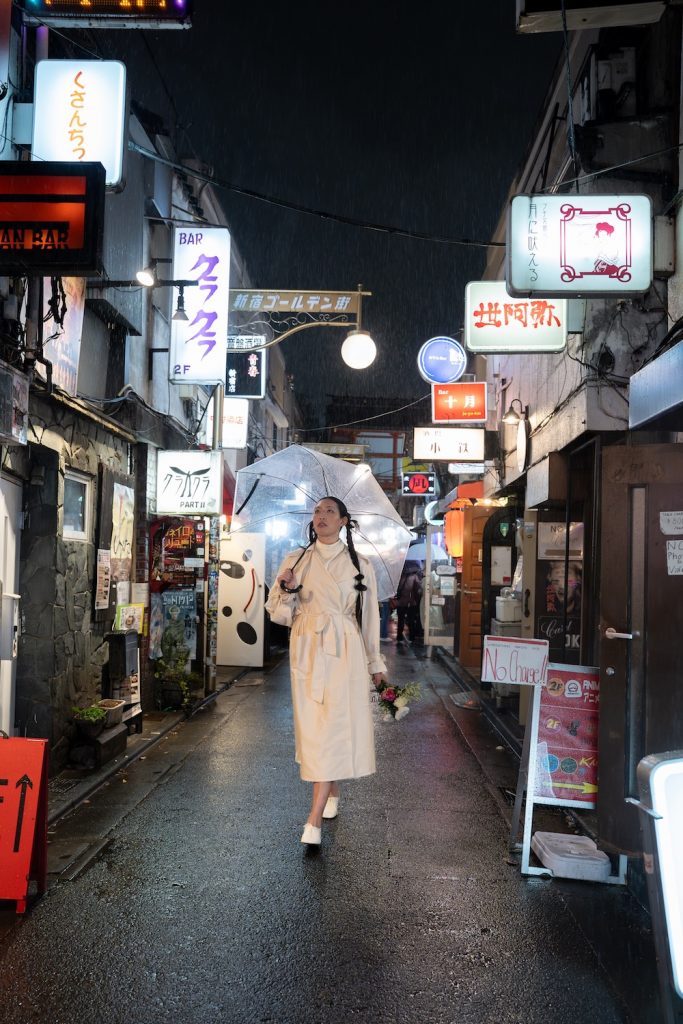
The biggest difference between Omoide Yokocho and Golden Gai is probably the atmosphere.
Omoide Yokocho feels chaotic, energetic, and alive.
When you walk through the alley, there are people everywhere. You hear conversations coming from every direction, restaurant staff welcoming customers, and the sound of grills cooking food. The air is often filled with smoke from the yakitori restaurants, and the lanterns create a warm glow above the crowd.
Sometimes it feels a little messy, but that’s part of its charm.
There is always something happening around you. People are eating, drinking, laughing, taking photos, and moving between restaurants. If you’re looking for that vibrant Tokyo nightlife atmosphere, Omoide Yokocho delivers it immediately.
Golden Gai is almost the opposite.
Instead of one main alley, you have a small network of streets and passageways. It feels quieter, darker, and more mysterious. Walking through Golden Gai often feels like exploring rather than simply following a street.
I also find it more intimate. The lighting is softer, there are fewer people walking around, and the atmosphere encourages you to slow down.
Both places attract plenty of visitors, but Golden Gai generally feels a little less crowded. While Omoide Yokocho is vibrant and chaotic, Golden Gai feels mysterious and personal.
Which Place Feels More Local?
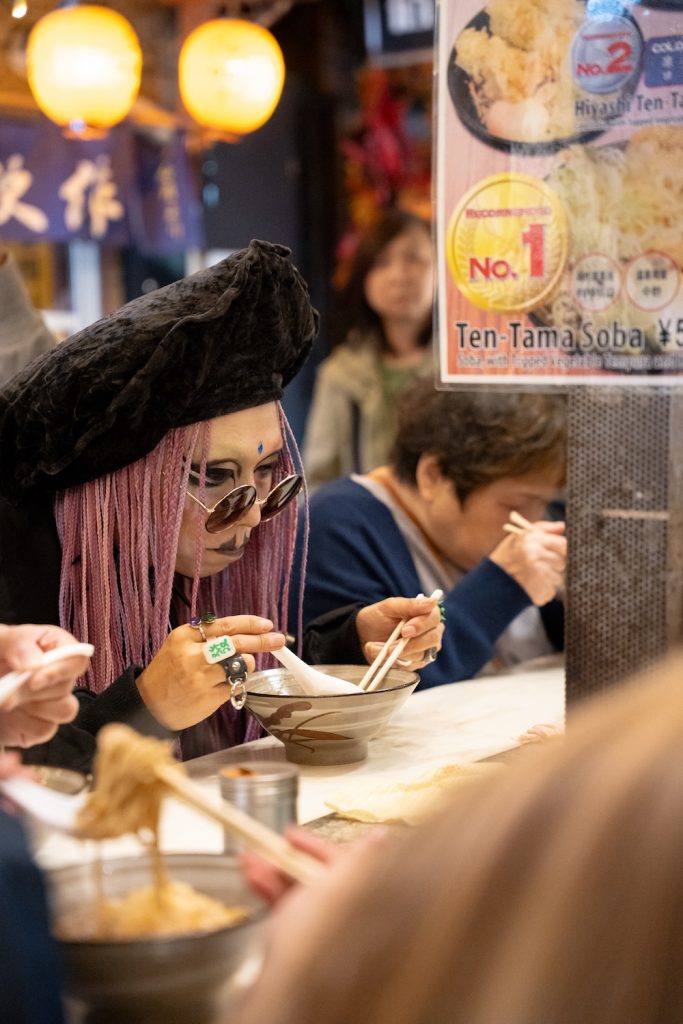
People often ask me whether these places are still local or if they have become tourist attractions.
Personally, I think both are still very local.
Of course, you will see travelers. That’s unavoidable because these places are famous. However, what matters to me is that Japanese people still actively use them.
When I visit either location, I see a mix of locals and travelers. It doesn’t feel like a place built exclusively for tourism.
In Omoide Yokocho especially, you can sometimes have completely unexpected interactions. I’ve seen situations where locals simply start conversations with visitors while walking through the alley. Sometimes somebody might compliment your outfit or make a casual comment. The atmosphere feels quite open.
Golden Gai is slightly different. Most interactions happen once you’re inside a bar. Because the bars are so small, conversations often happen naturally between customers and owners.
For me, both places still represent a real side of Tokyo. The presence of visitors doesn’t kill the atmosphere because locals continue to use them as part of their everyday nightlife.
Omoide Yokocho vs Golden Gai for Food
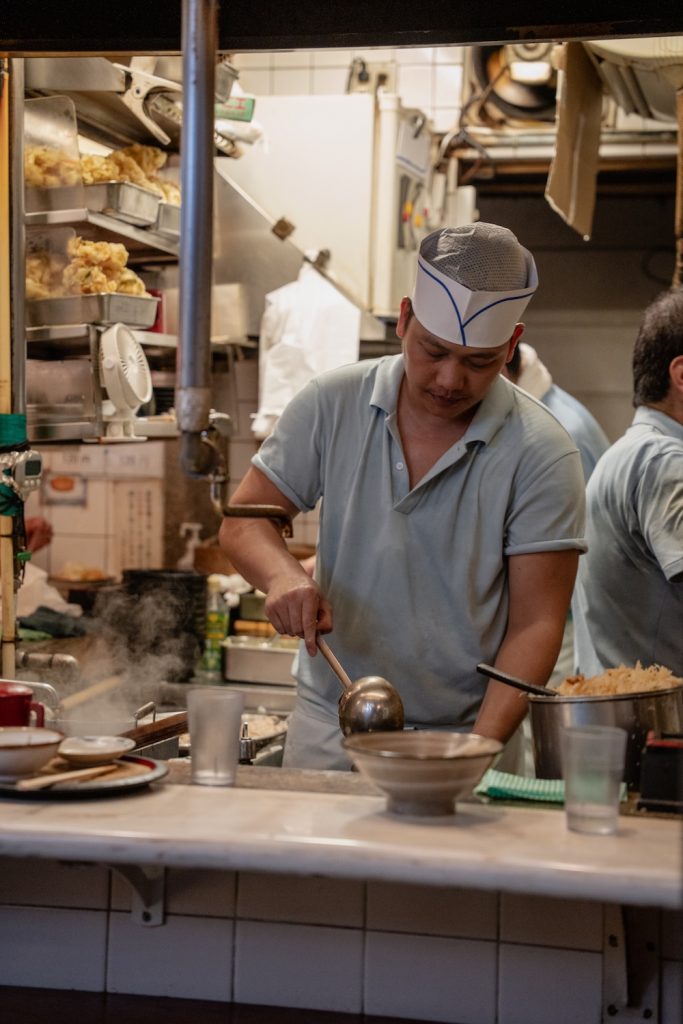
If your goal is food, this is an easy win for Omoide Yokocho.
Golden Gai is primarily about drinks and small snacks. Omoide Yokocho, on the other hand, offers a much wider variety of food options.
You can find yakitori, oden, ramen, soba, wagyu, and many other Japanese dishes within a very small area. Whether you’re looking for a quick meal or a longer dinner experience, you’ll have plenty of choices.
Another advantage is that many restaurants are larger.
Some restaurants even have a second floor, which increases your chances of finding a seat. This is especially useful during busy periods.
If you’re actually hungry and want a proper dinner, Omoide Yokocho is where I would recommend going first.
Despite its popularity, prices are generally still reasonable, which is another reason why I often suggest it to visitors.
Omoide Yokocho vs Golden Gai for Drinks
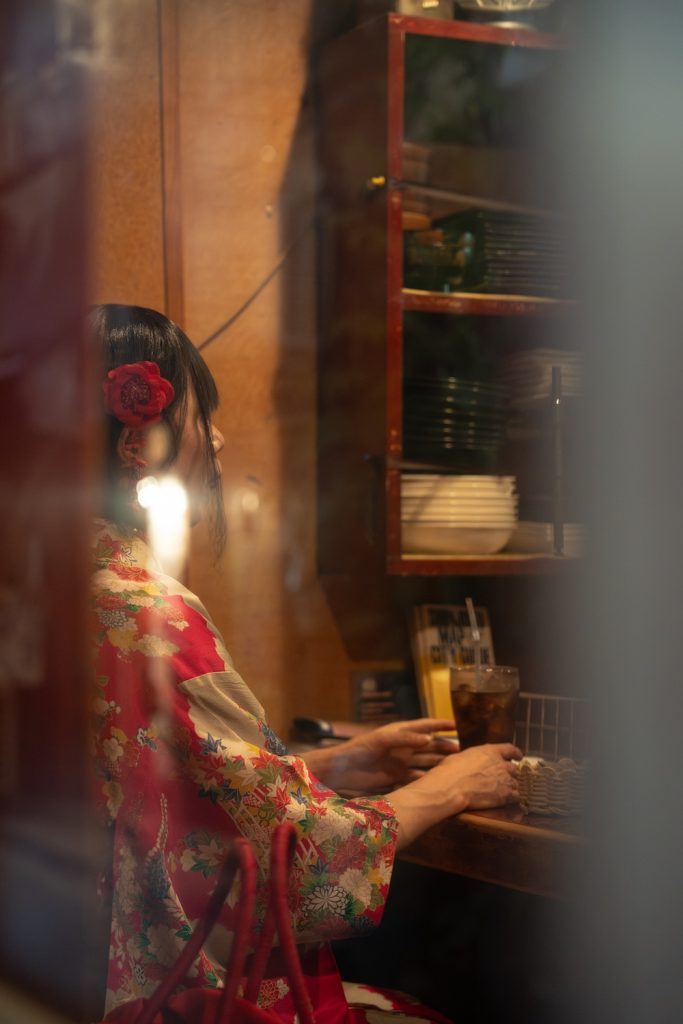
When it comes to drinks, Golden Gai has a slight advantage.
The bars are incredibly small, and that’s exactly what makes them special.
In some places, five people are enough to fill the entire bar. Because of that, the experience becomes much more personal than in a larger venue.
You often end up talking directly with the owner, chatting with the people sitting next to you, and having conversations that would probably never happen in a larger establishment.
If you enjoy meeting people while traveling, Golden Gai is a fantastic place to spend an evening.
One thing I always tell people is to arrive relatively early. Because the bars are so small, they fill up very quickly, and finding an available seat can become difficult later in the evening.
Which Place Is Better for Photography?
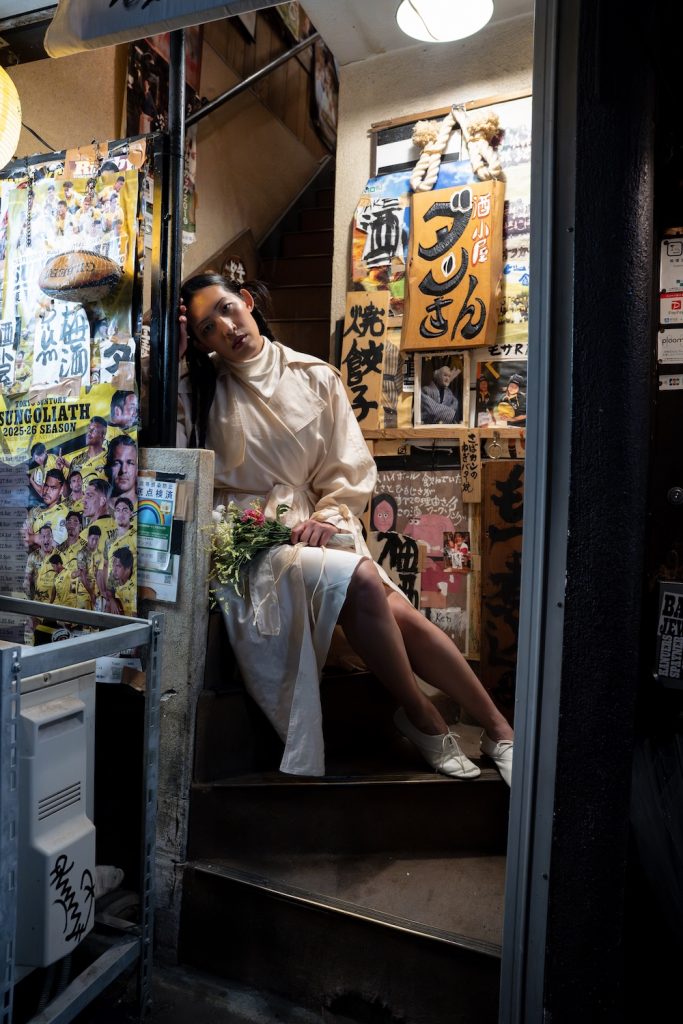
This is where things become more interesting.
As a photographer, I don’t think one location is objectively better. They simply offer different styles.
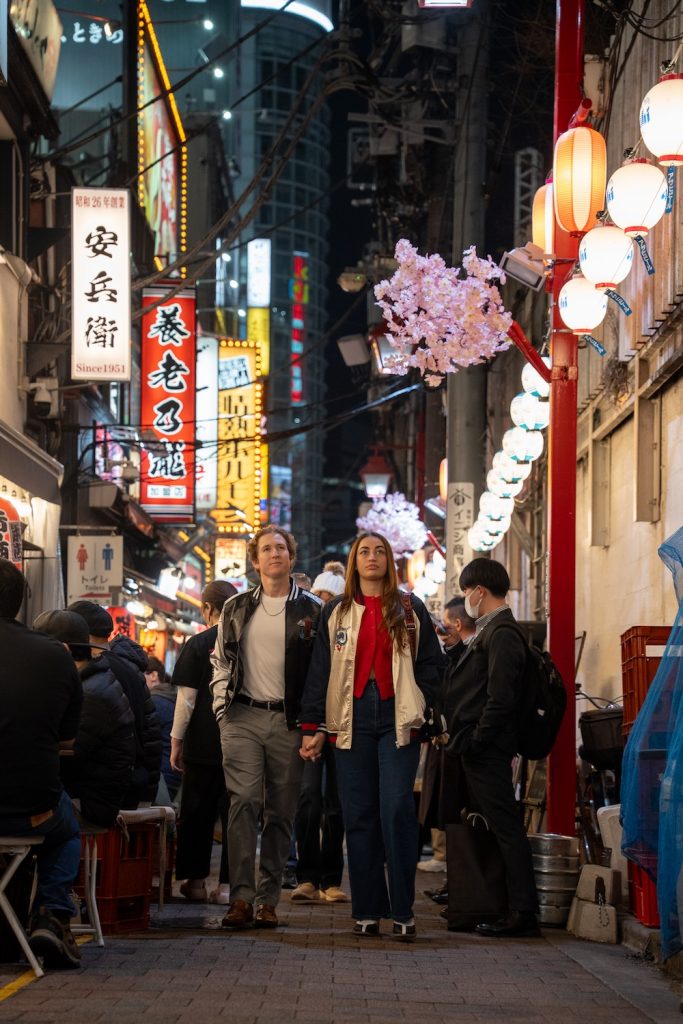
One of my favorite compositions in Omoide Yokocho is placing somebody directly in the middle of the alley and using a longer focal length. Zooming in helps compress the background and makes the lanterns and signs feel closer to the subject.
I also like keeping the depth of field shallow. There are often many people walking around, and by blurring the background, you can keep the attention on your subject while still preserving the atmosphere of the location.
For couples, Omoide Yokocho works particularly well. The alleyways naturally frame people, and the lanterns add warmth to the photos.
Many visitors assume Omoide Yokocho is only worth photographing at night, but I actually enjoy visiting during the daytime as well.
Yes, it looks fantastic when the lanterns are illuminated, but daytime has one major advantage: there are far fewer people.
The restaurants are often closed, which means you have more freedom to move around, pose, and create compositions without constantly waiting for crowds to pass by. As a photographer, I appreciate that flexibility.
Golden Gai offers a completely different style.
Instead of iconic lantern photos, Golden Gai encourages creativity. The network of small streets, hidden corners, and tiny passageways allows you to create more unique compositions.
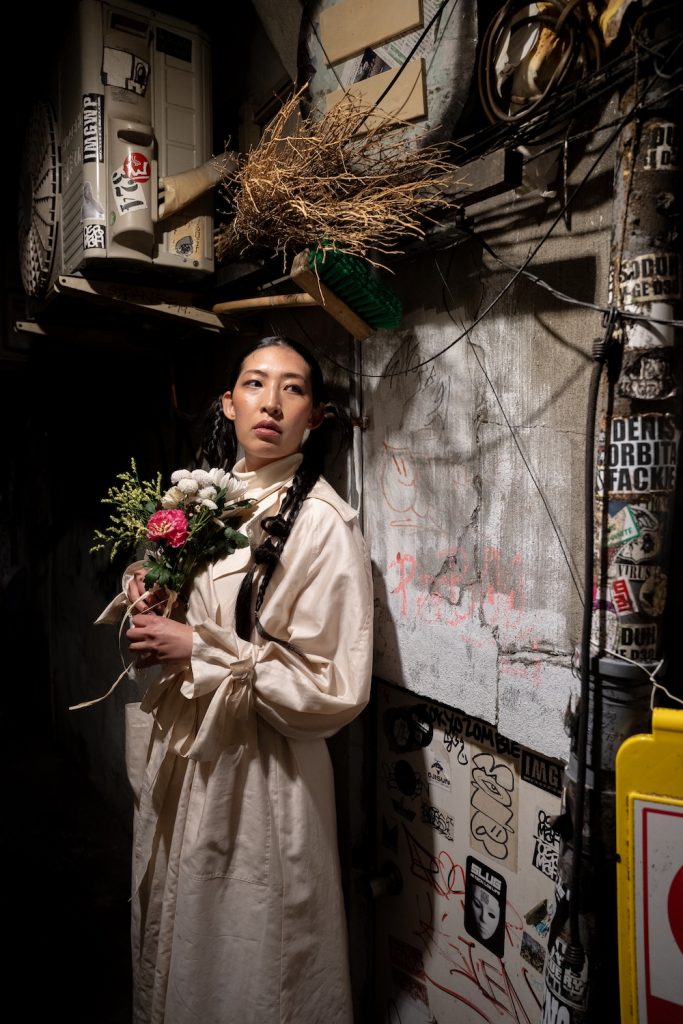
Some of the smallest alleys between buildings can actually produce very interesting images.
When I photograph people who are comfortable posing or who want something that feels more editorial, I sometimes prefer Golden Gai. Because it’s quieter, we can take more time, experiment with different angles, and create something that feels a little less obvious.
Omoide Yokocho feels more traditionally Japanese in photos.
Golden Gai feels more creative and slightly underground.
Notes: if you want to join one of our photo tours in either location, feel free to check out what Photo Trips have available for you here: Tokyo Photographers.
Who Should Visit Each Place?
Choose Omoide Yokocho If…
- You’re visiting Tokyo for the first time.
- You want a proper dinner.
- You love classic Tokyo photography.
- You want that instantly recognizable Japanese atmosphere.
- You’re traveling as a couple.
- You’re visiting with a group.
For larger groups, Omoide Yokocho is generally easier because some sections, particularly the outdoor area, are wider than Golden Gai.
Choose Golden Gai If…
- You enjoy bar culture.
- You want to meet people.
- You’re traveling solo.
- You enjoy exploring hidden streets.
- You want creative photographs.
- You prefer quieter environments.
Golden Gai works particularly well for people who enjoy discovering places rather than simply visiting famous landmarks.
The Downsides of Each Place
No location is perfect, and both places have a few drawbacks.
For Omoide Yokocho, my biggest complaint is the crowd.
Most of the time it adds to the atmosphere, but occasionally you’ll encounter large tour groups moving through the narrow alleyways. Personally, I feel the space works best when people are exploring naturally.
Seeing twenty people following a guide holding a flag through such a small alley can sometimes take away from the experience. It doesn’t happen constantly, but it does happen.
Another minor issue is that some restaurant owners can be a little persistent when trying to bring customers inside. Most are perfectly friendly, but after saying no several times it can become slightly repetitive.
Golden Gai has a different set of challenges.
Because it’s close to Kabukicho, you’ll occasionally encounter touts around the area. They are generally not aggressive and usually just try to start a conversation or encourage you to visit a particular bar. A simple “no thank you” is enough, but it can interrupt the atmosphere when you’re first arriving.
You May Also Like: How to Avoid Scams in Kabukicho
The other challenge is finding a seat. Since some bars only have a handful of spots available, you may need to visit several places before finding one with space.
From a photography perspective, I also think Golden Gai could be even more photogenic. Personally, I would love to see more lanterns and traditional visual elements around some of the entrances. I feel that would enhance the atmosphere even further.
Can You Visit Both in the Same Evening?
Absolutely.
In fact, that’s exactly what I recommend.
A simple evening could start with dinner in Omoide Yokocho. Explore the alleyways, enjoy some food, take a few photos, and experience the energy of the area.
Afterward, head toward Kabukicho and continue to Golden Gai for drinks.
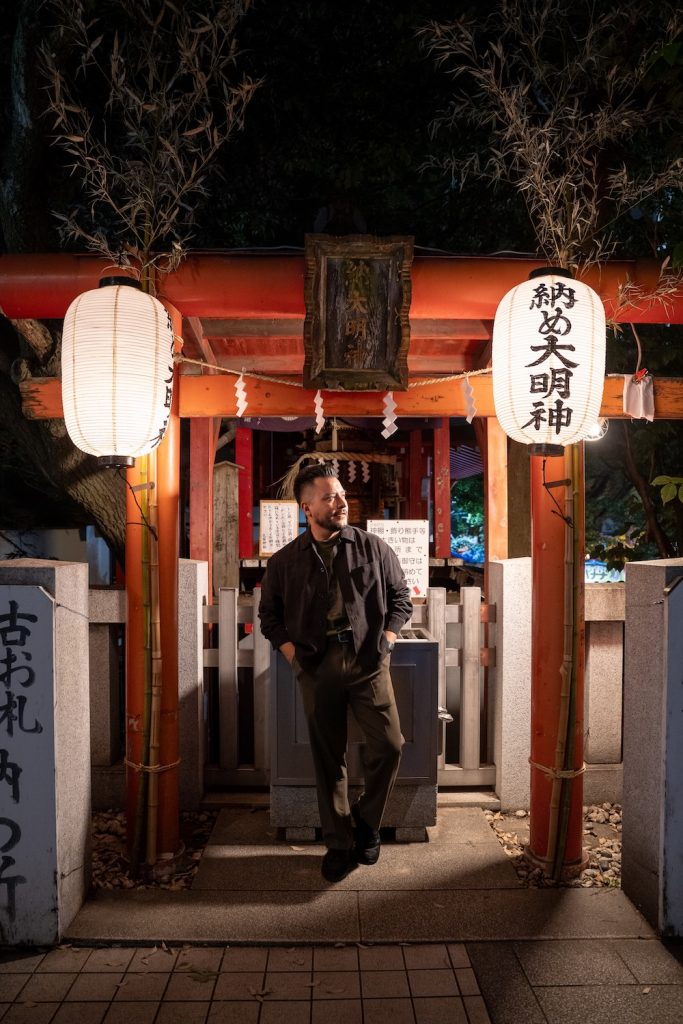
One thing I particularly like about Golden Gai is its proximity to Hanazono Shrine. The shrine remains accessible at night, and it’s a nice place to walk through before or after visiting the bars.
Because everything is so close together, there is really no reason to limit yourself to only one location.
Final Thoughts
If you ask me whether Omoide Yokocho or Golden Gai is better, my answer is honestly that both deserve a place on your Shinjuku itinerary.
As a photographer, I have a slight preference for Omoide Yokocho because it creates some of the most recognizable Tokyo images. The lanterns, the narrow streets, the smoke from the grills, and the overall atmosphere make it one of my favorite places to photograph in the city.
At the same time, Golden Gai offers something that Omoide Yokocho doesn’t. It’s quieter, more intimate, and often better suited for conversations, drinks, and creative photography.
When I take people on Photo Trips sessions, I usually bring them to Omoide Yokocho. However, when somebody wants a more editorial style, has experience posing, or wants something a little different, Golden Gai often becomes the better choice because we have more freedom to create.
As a Tokyo resident, my choice ultimately depends on what I’m looking for that day. If I want dinner, I go to Omoide Yokocho. If I want drinks, I lean toward Golden Gai.
So rather than choosing one over the other, my recommendation is simple: visit both, take your time, and decide for yourself which side of Shinjuku you prefer.
If you want to explore similar locations that have the same atmosphere but with less people, feel free to also check out this guide on the best alternatives to Golden Gai and Omoide Yokocho. One I particularly like is Sankaku Chitai in Sangenjaya.
Written by Mehdi, Tokyo-based photographer at Photo Trips