
Tokyo’s yokocho are some of the best places to experience the city after dark. These narrow streets are full of glowing signs, red lanterns, steaming grills, tiny bars and the everyday energy of people meeting after work. They are places to eat, drink, wander and take in a side of Tokyo that feels far removed from its wide avenues and high rises.
As a Tokyo based photographer, I love them for their layers. You will find old wooden façades beside neon, railway tracks above late night diners, and busy local streets that change completely as the evening begins. Each one has a different personality, so the best choice depends on whether you want a classic Shinjuku night, a local neighbourhood feeling, a lively market or a casual evening of food and drinks.
Here are nine of the most photogenic yokocho and alley districts in Tokyo, with what makes each one worth visiting.
1. Omoide Yokocho, Shinjuku
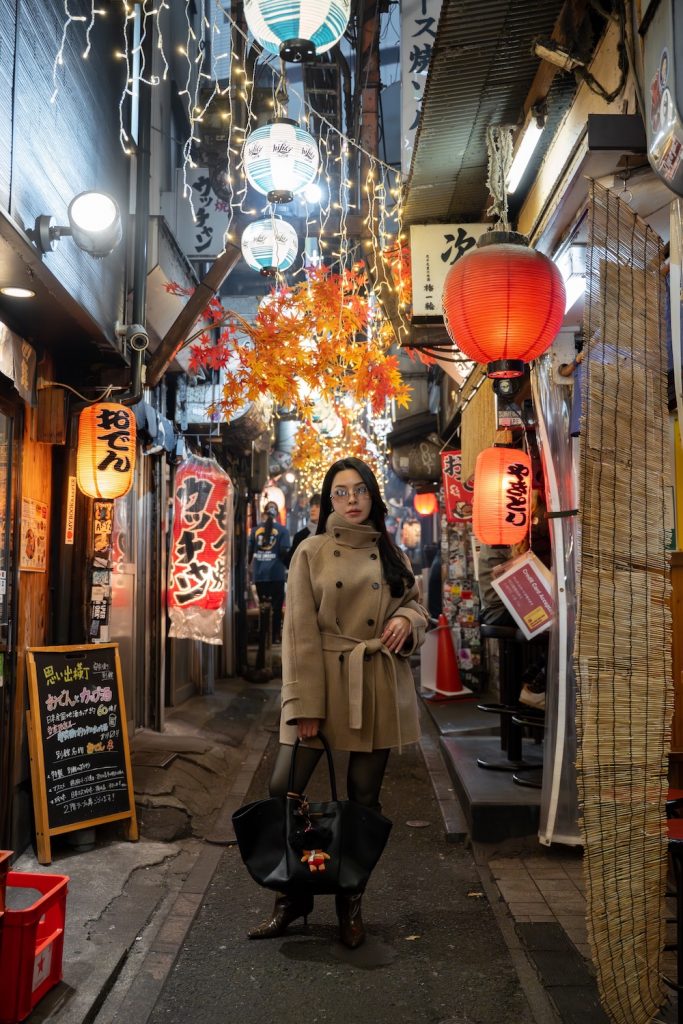
Omoide Yokocho is one of Tokyo’s most recognisable night streets. Just beside Shinjuku Station, this compact maze of restaurants is filled with yakitori grills, paper lanterns, smoky air and closely packed counters. It has the classic look many travellers imagine when they think of old Tokyo nightlife.
The main appeal here is food. Most places serve grilled skewers, small plates and drinks, often from a counter where you can watch everything being prepared. It is lively, busy and easy to enjoy, even if you are only stopping for a quick dinner before exploring Shinjuku.
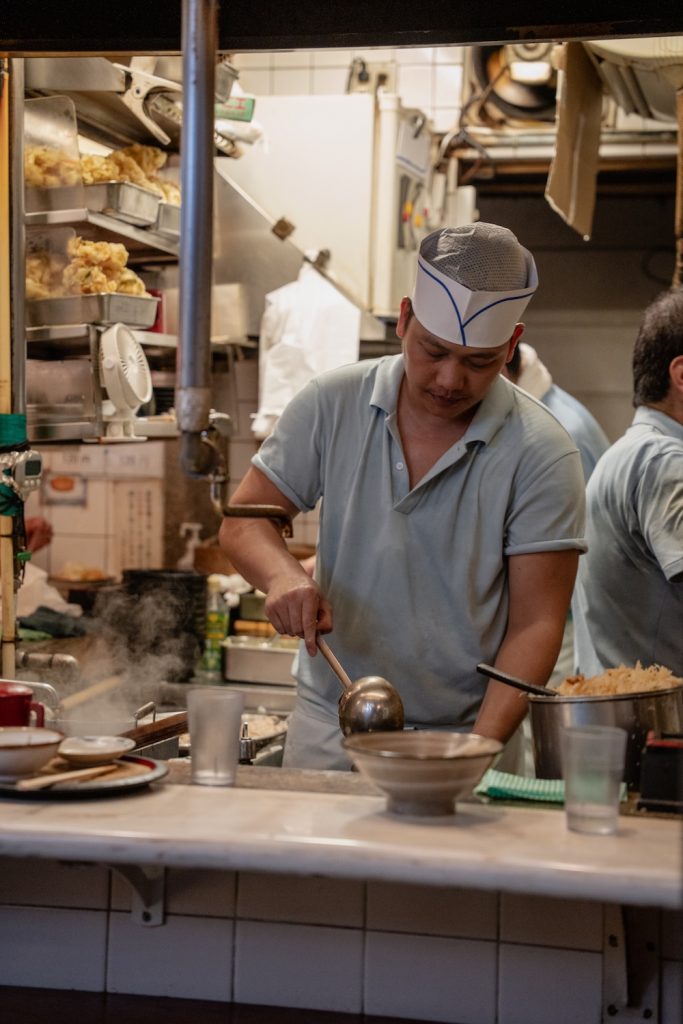
Go around sunset or early evening, when the lights begin to glow and the street is active without being completely packed. It is especially atmospheric in cooler months, when steam and smoke hang in the lane. Take a few quick photos of the street, then choose a restaurant and enjoy the experience from inside.
2. Golden Gai, Shinjuku
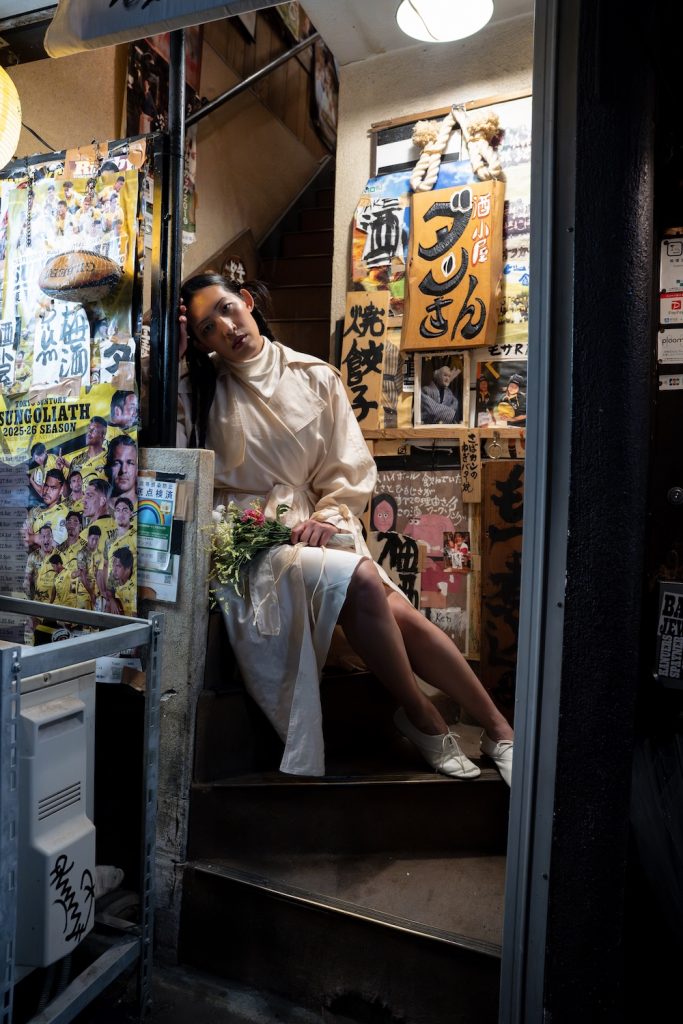
Golden Gai is a very different side of Shinjuku. It is a small block of narrow lanes filled with tiny bars, many of them seating only a handful of people. Every door seems to have its own personality, from music bars and film themed spots to simple neighbourhood counters run by long time owners.
Unlike Omoide Yokocho, Golden Gai is more about choosing a bar than having a full dinner. Some places welcome visitors, while others are for regular customers or may simply be too small to accommodate another group. Look for bars with a clear menu or a welcoming sign outside, and do not be discouraged if a place is full.
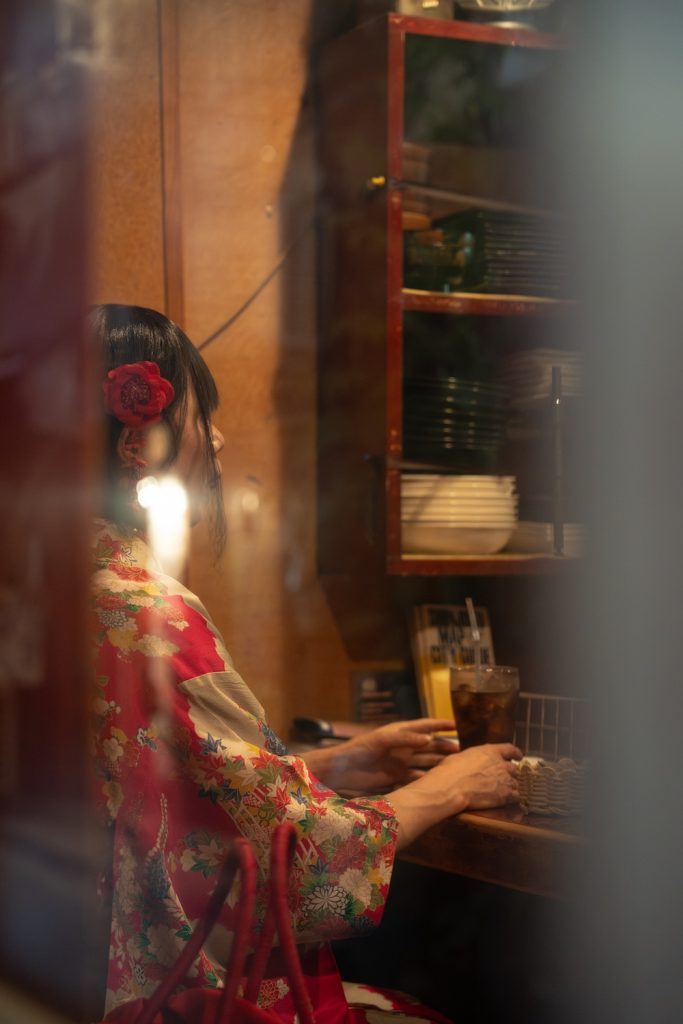
The streets are beautifully lit at night, but this is one place where photography needs real care. Always follow the posted rules and ask permission before taking photos in the lanes or inside a bar. Golden Gai is at its best when you stay for a drink, speak with the bartender if the moment feels right, and let the place feel like a real evening out rather than a quick stop.
Read More: Golden Gai vs Omoide Yokocho
3. Shibuya Yokocho, Miyashita Park
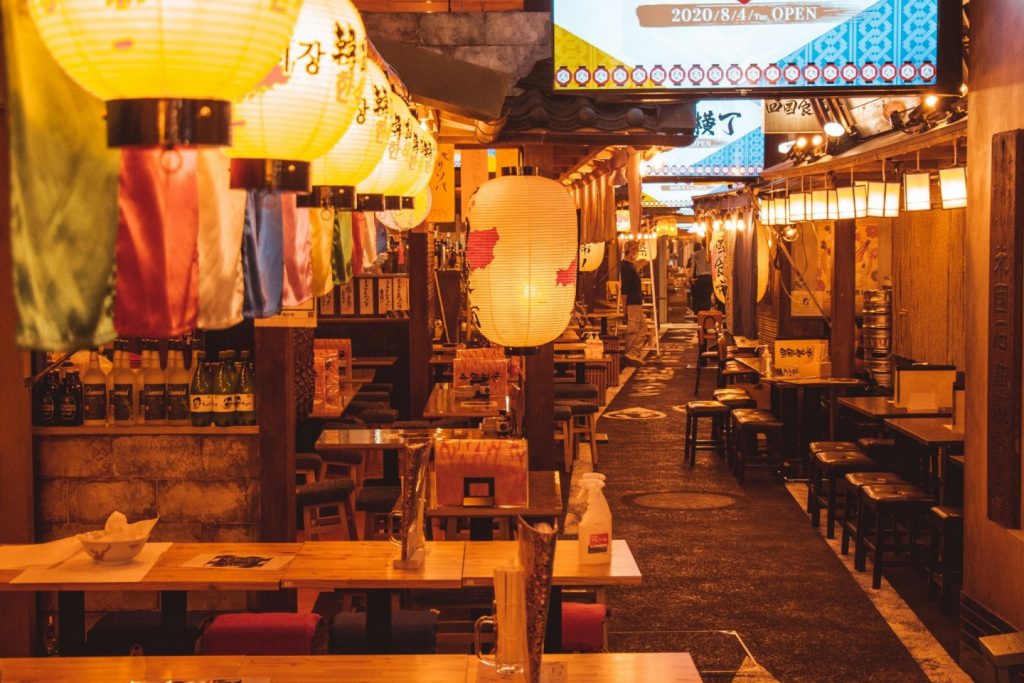
Shibuya Yokocho is a lively food and drink destination inside Miyashita Park. It is much newer than the older alleyways on this list, with bright signs, a huge range of dishes from around Japan, large communal tables and an energetic atmosphere that often feels like a night market.
This is one of the easiest yokocho to visit if you are travelling with friends, want plenty of food options or prefer a more relaxed entry point into Tokyo nightlife. You can order regional dishes, snacks, ramen, grilled food and drinks without needing to navigate a tiny six seat bar. It is busy, social and very much part of modern Shibuya.
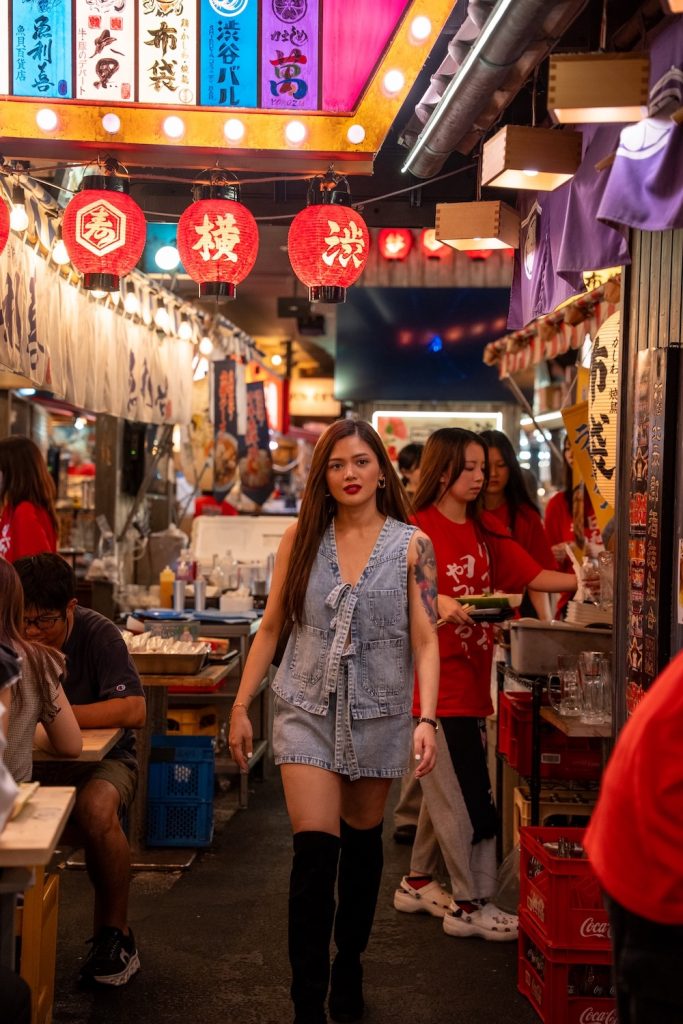
Visit in the evening, then combine it with a walk through Miyashita Park, Harajuku or nearby Cat Street. For photos, the appeal is the colour, movement and bright nightlife energy rather than old Tokyo nostalgia. It is a fun choice when you want a lively night that feels unmistakably Shibuya.
4. Nonbei Yokocho, Shibuya
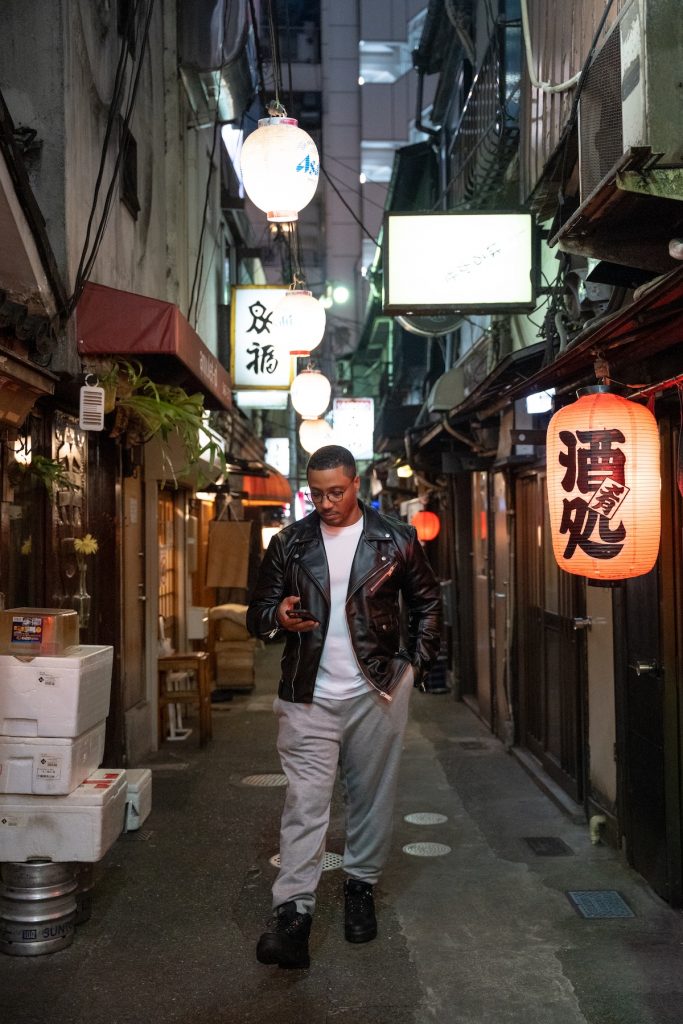
Nonbei Yokocho sits close to Shibuya Station, but it feels far quieter and older than the streets around the Scramble Crossing. Tiny wooden bars and izakaya sit beneath and beside the railway tracks, creating a compact strip of Showa era atmosphere in the middle of one of Tokyo’s most modern districts.
This is a great alternative if you like Shibuya but want something smaller and more local than Shibuya Yokocho. The bars are intimate, often with only a few seats, and the experience feels more personal. It is a place to slow down, pick one spot and enjoy a drink rather than rush from venue to venue.
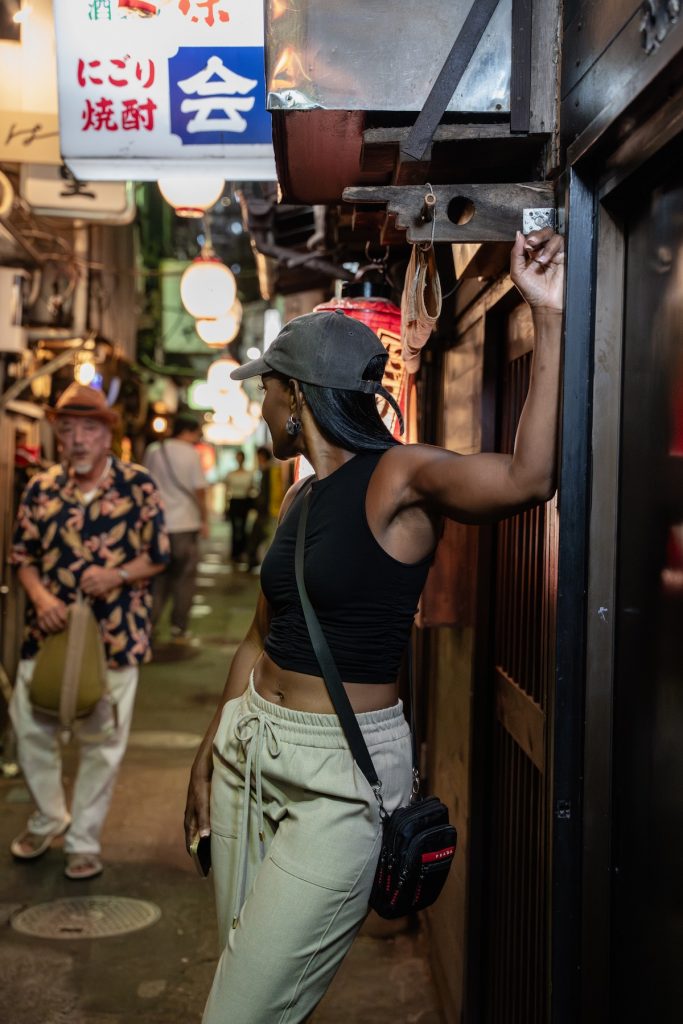
Come early in the evening to see the lanterns come on and to give yourself a better chance of finding a seat. The contrast between the small old buildings and the giant towers of Shibuya around them is especially striking. Be respectful in the narrow lanes, do not block entrances, and ask before taking close photos of people or businesses.
If you like these streets and want to take pro shots on you in one of these locations, why not hiring a local photographer. At Photo Trips, we connect you to some of the best professionals and you can book a photo tour easily with them on our platform. You can find more details here: Tokyo Photographers.
5. Sankaku Chitai, Sangenjaya
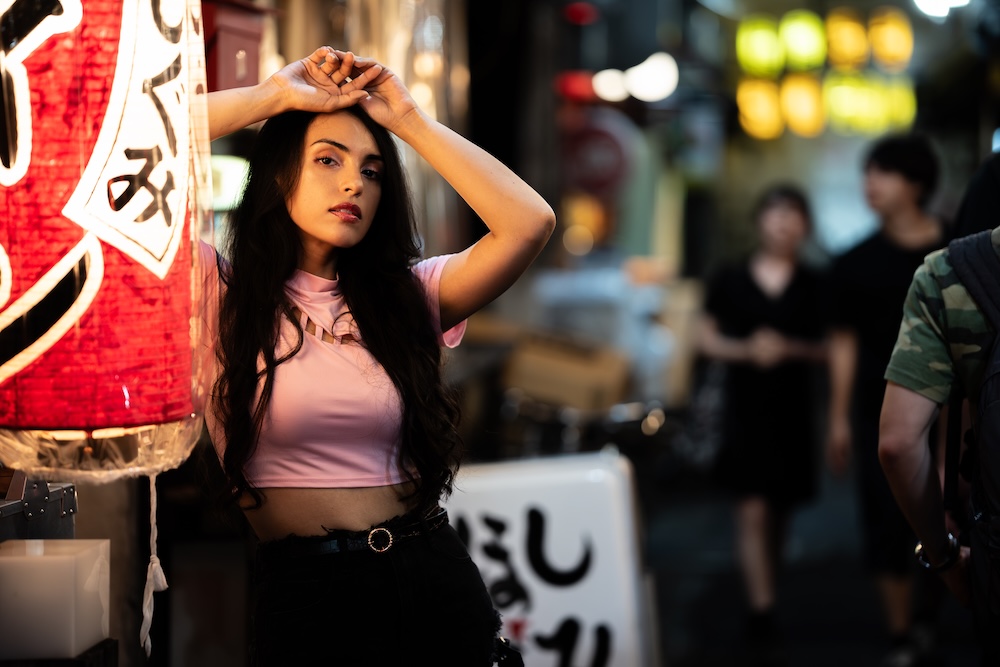
Sankaku Chitai, meaning Triangle District, is a maze of small streets behind Sangenjaya Station. It is full of compact bars, izakaya, ramen shops and late night restaurants, all squeezed into a lively little neighbourhood that feels much more local than central Shibuya or Shinjuku.
What makes it special is that there is no single famous entrance or one obvious street to see. The fun comes from wandering the lanes and noticing what catches your eye. One corner may have a tiny yakitori bar glowing under red lanterns, while the next has a standing bar full of regulars or an old fashioned snack bar.
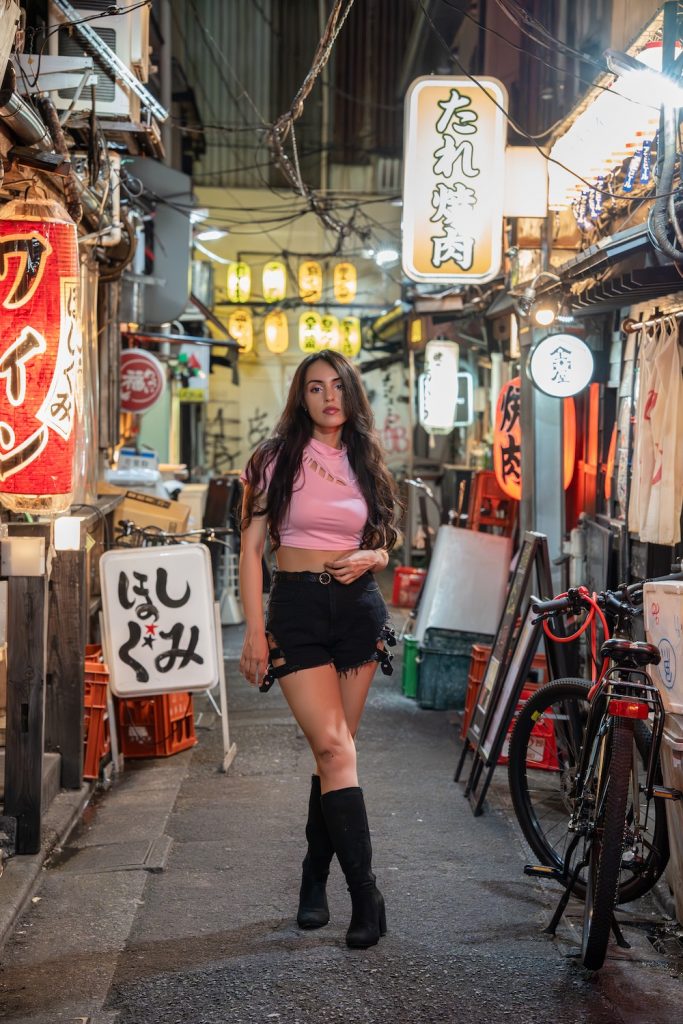
Sangenjaya is only a short train ride from Shibuya, but it has a more relaxed pace. Go in the evening after exploring the area, perhaps with a walk around the nearby side streets or a ride on the Setagaya Line. It is a wonderful place for rainy night photos, when the signs and lamps reflect on the pavement.
Read More: Sankaku Chitai Guide in Sangenjaya
6. Harmonica Yokocho, Kichijoji
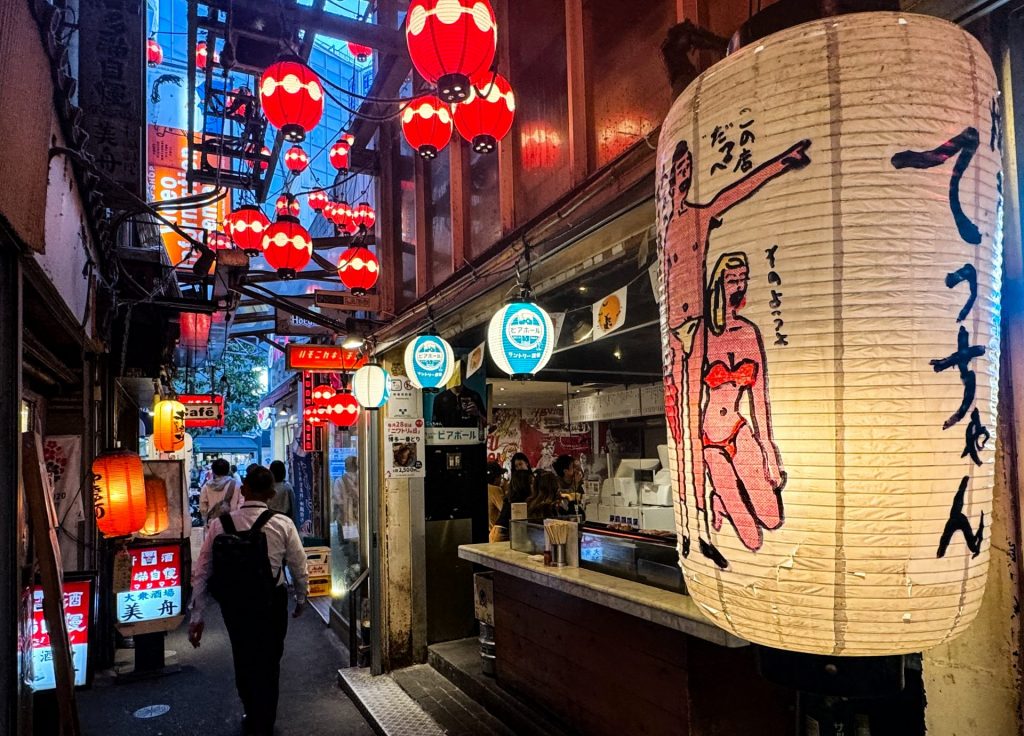
Harmonica Yokocho is one of the most enjoyable yokocho to visit outside central Tokyo. It sits directly outside Kichijoji Station and gets its name from the narrow rows of small shopfronts, which resemble the reeds of a harmonica. Its passages are covered, compact and full of character.
Unlike most of the places on this list, Harmonica Yokocho is worth visiting in the daytime as well. During the day, you will find fishmongers, sweets shops, florists and small independent businesses. At night, the area shifts into a lively collection of bars, standing counters and intimate restaurants.
This makes it ideal for a full Kichijoji afternoon and evening. Start with Inokashira Park, browse the streets around the station, then return to Harmonica Yokocho for dinner as the lanterns begin to glow. It can be busy after work, but the atmosphere is generally relaxed, friendly and easy to enjoy.
7. Ameyoko, Ueno
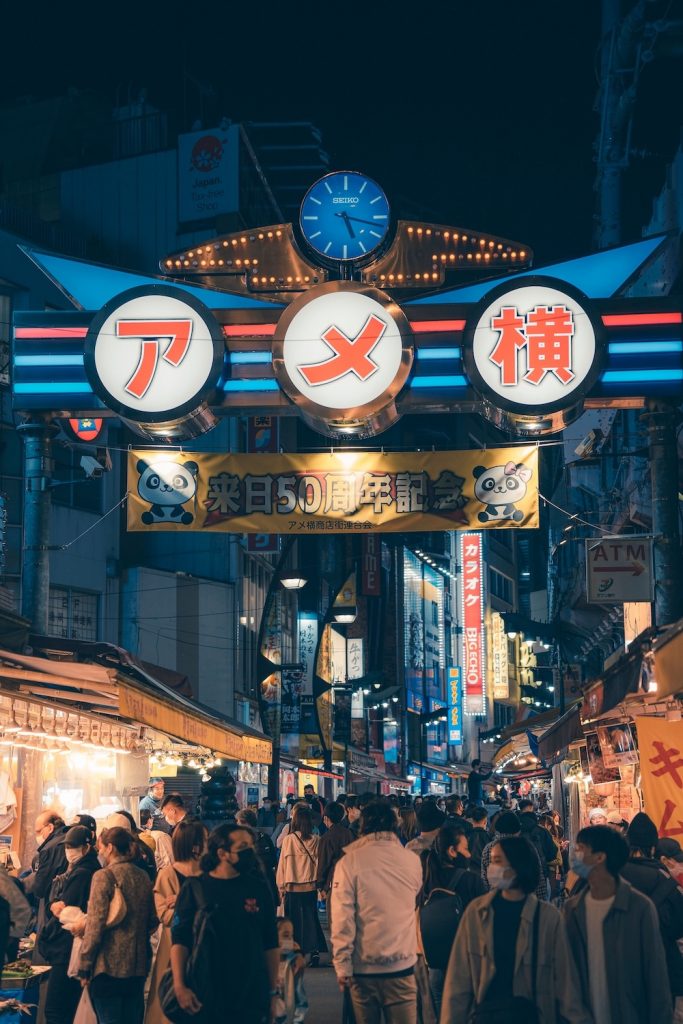
Ameyoko is not a traditional drinking alley in the same way as Omoide Yokocho or Golden Gai, but it is one of Tokyo’s most photogenic and energetic market streets. Running between Ueno and Okachimachi, it is packed with food stalls, seafood shops, snack sellers, clothing stores, restaurants and colourful signs.
This is a place for movement, sound and colour. Vendors call out to passing shoppers, boxes of produce spill onto the street, trains pass overhead and people stop constantly for snacks. It feels busy from morning into the evening, and every few metres offer a different scene.
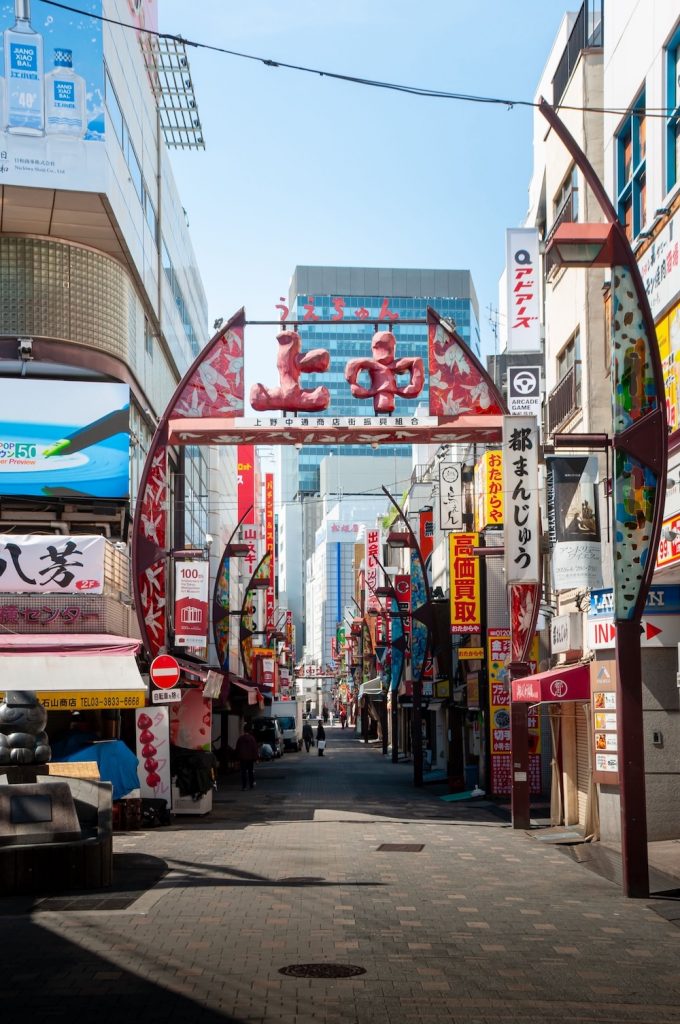
Late afternoon is a great time to visit because the market is still active and the evening lights are beginning to appear. It is a perfect stop before dinner in Ueno, Akihabara or Asakusa. Ameyoko is less about finding one hidden bar and more about taking in the full sensory experience of a Tokyo market street.
8. Nakano Yokocho
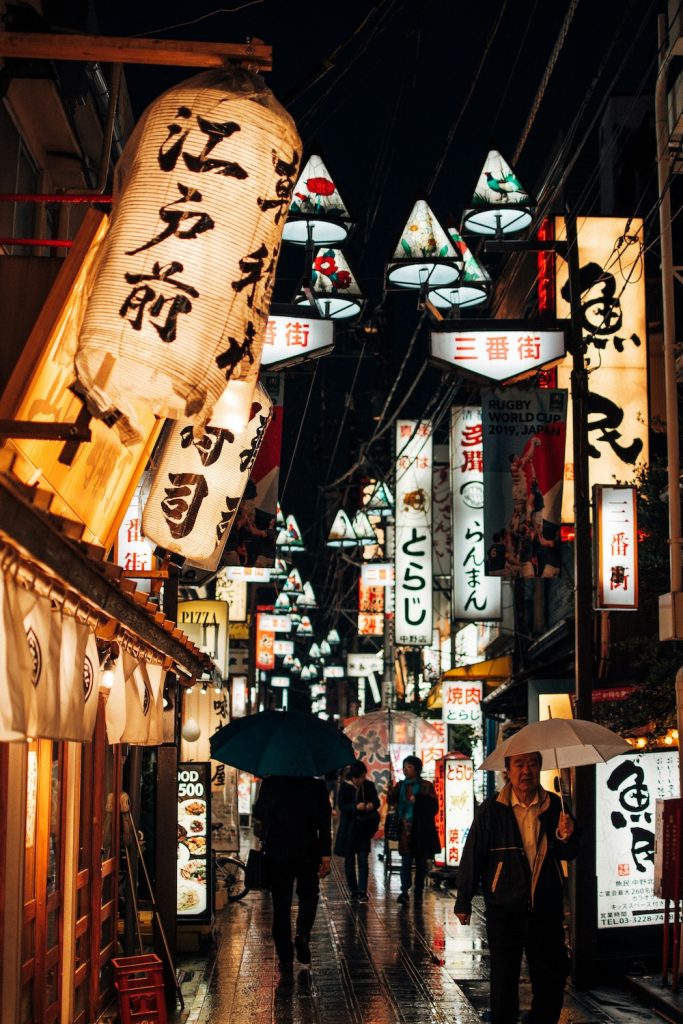
Nakano Yokocho is best thought of as a collection of small alleyways around Nakano Station rather than one single street. Walk through the Sun Mall shopping arcade, explore the side streets around it and you will find small izakaya, ramen counters, standing bars and casual restaurants with a distinctly local feel.
Nakano is known for anime, manga, vintage toys and Nakano Broadway, so this is an especially good area if you want to combine Tokyo subculture with a relaxed evening out. After spending the afternoon browsing shops, the small lanes around the station offer an entirely different side of the neighbourhood.
There is no need to follow a strict route here. Walk slowly, read the menus and see what feels inviting. Nakano is a strong choice for solo travellers, couples and anyone who wants to eat somewhere that feels more like a real neighbourhood evening than a major nightlife attraction.
9. Shimbashi Gado shita
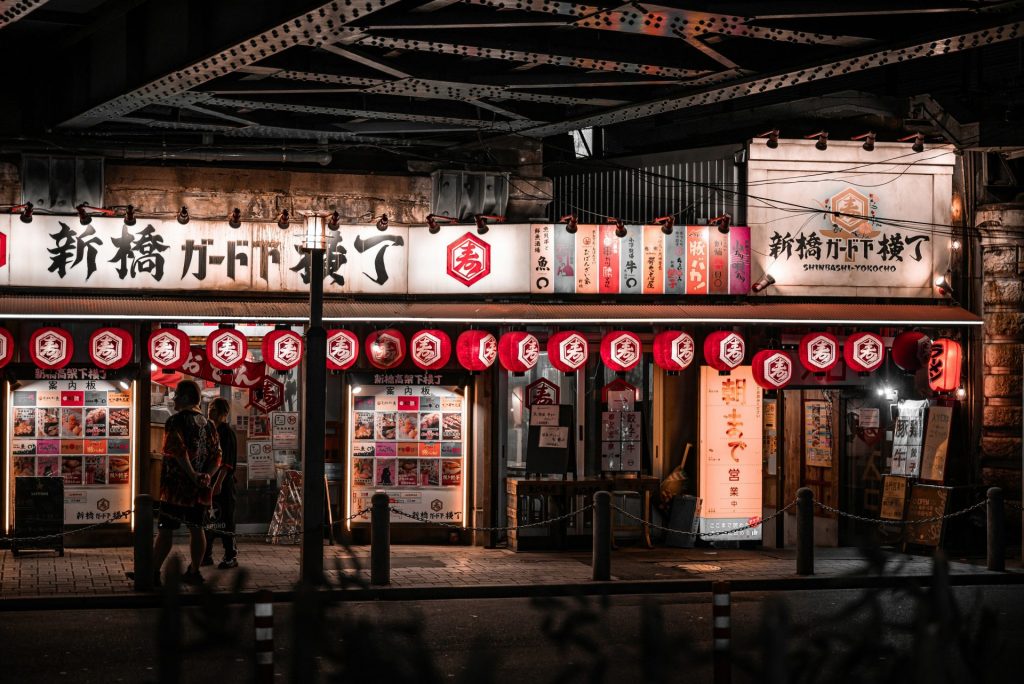
Shimbashi Gado shita is the world beneath the railway tracks around Shimbashi Station. The name refers to the restaurants and bars under the elevated train lines, where the sound of trains passing overhead becomes part of the experience. This is one of the best places to see Tokyo’s weekday night energy.
The atmosphere is very different from lantern filled wooden yokocho. Here, the appeal comes from concrete arches, railway noise, grill smoke, glowing restaurant signs and groups of office workers stopping for food and drinks after work. It feels raw, urban and full of movement.
Visit on a weekday evening when the area is at its liveliest. Start near Shimbashi Station and wander without a strict plan, looking for a busy but welcoming restaurant under the tracks. It is a great place to photograph Tokyo as a working city, with high rises in the background and a completely different world unfolding at street level.
Final Thoughts
Tokyo’s yokocho are not all the same, and that is exactly why they are worth exploring. Omoide Yokocho and Golden Gai offer the famous Shinjuku experience. Nonbei Yokocho and Sankaku Chitai feel smaller and more neighbourhood focused. Harmonica Yokocho and Nakano reward travellers who venture beyond the centre, while Ameyoko, Shibuya Yokocho and Shimbashi Gado shita each show a different kind of Tokyo energy.
Choose the places that fit your itinerary, take your time and stay for food or a drink whenever you can. The best images often come from being present long enough to notice the details: a lantern switching on, smoke drifting from a grill, a train passing overhead or a small bar filling up for the night.
For more similar spots, you should check out our guide on the most Instagrammable locations in Tokyo here.