
Japan is an extraordinary place to photograph. From the ordered calm of a temple garden to the energy of Tokyo after dark, there is visual detail everywhere. The best photographs, though, rarely come from rushing in with a camera. They come from noticing what is happening around you, giving people space and knowing when it is better not to take the picture.
As a Tokyo-based photographer, I have learned that respect is not separate from good photography. It is part of it. This guide will help you make stronger, more considered images while travelling in Japan.
Look first, then ask
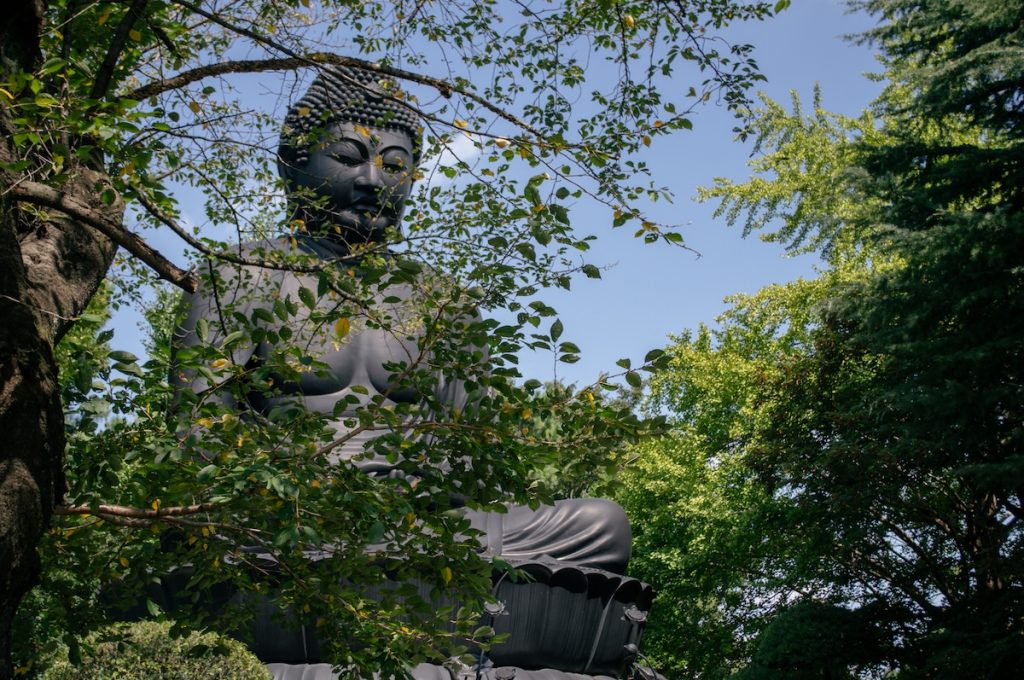
Photography rules vary greatly between places. A temple may allow photography on its grounds but prohibit it inside a hall. A café may welcome pictures of its food but not its staff or customers. A public park may permit casual handheld photos while restricting tripods, portrait sessions or commercial shoots.
Signs, barriers and staff instructions always come first. If you see a no-photography sign, do not look for a loophole. If the rules are unclear, ask before taking out your camera.
A small gesture toward your camera and a polite question is usually enough. If the answer is no, thank them and move on. You will find another photograph.
Photographing people with care
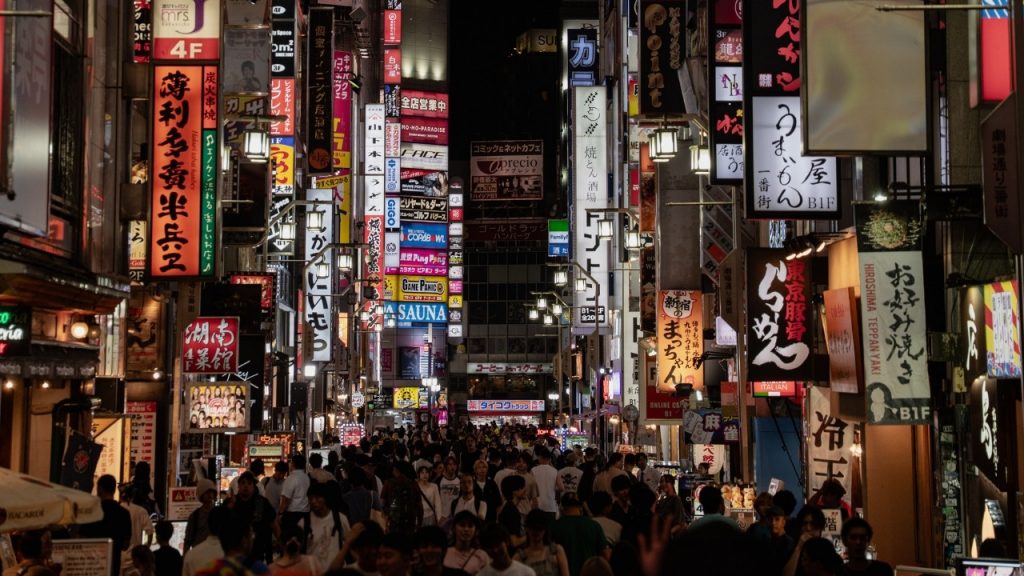
Street photography is possible in Japan, especially in large cities, but that does not mean every stranger wants to be the subject of your image.
Wide scenes of a crossing, festival or shopping street are often less intrusive when no one person is central to the photograph. A close, identifiable portrait is different. Whenever possible, ask first.
Avoid photographing people who are sleeping, eating alone, praying, arguing, working, unwell or otherwise having a private moment. Be especially careful around children. Do not photograph children without clear permission from a parent or guardian, and do not share identifiable images of them online without consent.
Never take hidden or invasive photographs. This includes images taken under clothing, into changing areas, through windows or in any setting where someone reasonably expects privacy.
Japan has national criminal law covering the non-consensual taking and sharing of sexual images.
A useful question before pressing the shutter is simple: would I be comfortable if someone photographed me this way?
Temples, shrines and sacred spaces
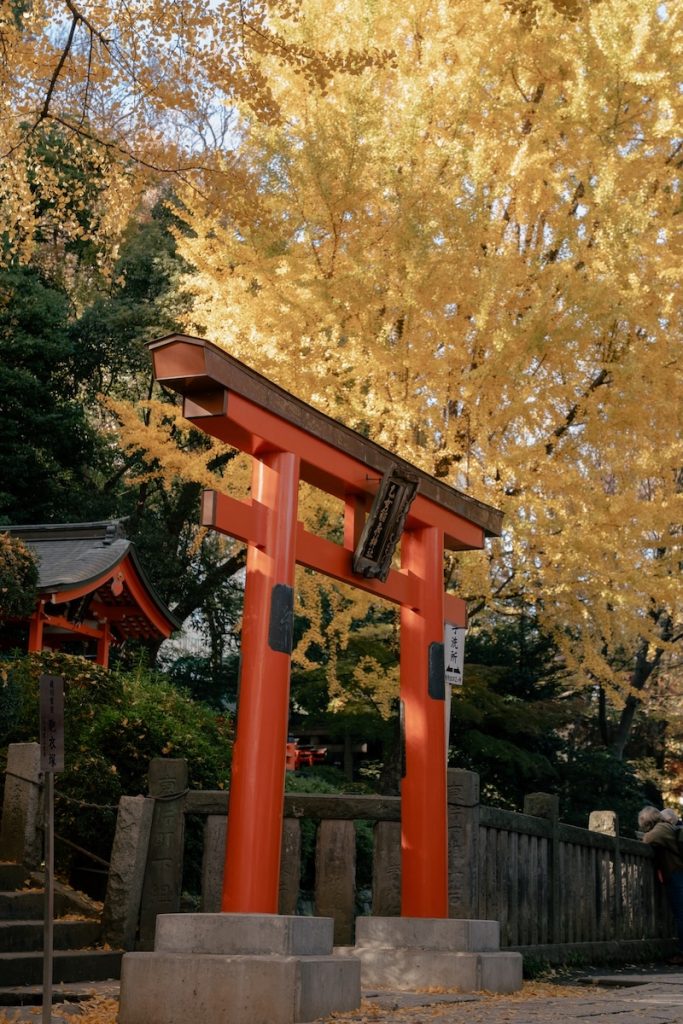
Temples and shrines are some of Japan’s most rewarding places to photograph, but they are active places of worship, not just beautiful attractions.
You may often photograph gates, gardens, pathways and exterior architecture. Inside halls, around altars, during ceremonies and near sacred objects, photography may be restricted or prohibited. Look for signs and follow the behaviour of those around you.
Do not step in front of someone praying, making an offering or taking part in a ritual. Keep your voice low and avoid flash. Tripods, selfie sticks, lights and larger setups are often unwelcome in busy or sacred areas.
The same care applies to ema, the small wooden plaques on which visitors write their wishes and prayers before hanging them at the shrine. They look inviting in a photograph, with their rows of hand-painted designs and dense handwriting, but each one is a personal message. Many carry a full name, and some include an address, a phone number or a private worry about health, family or money.
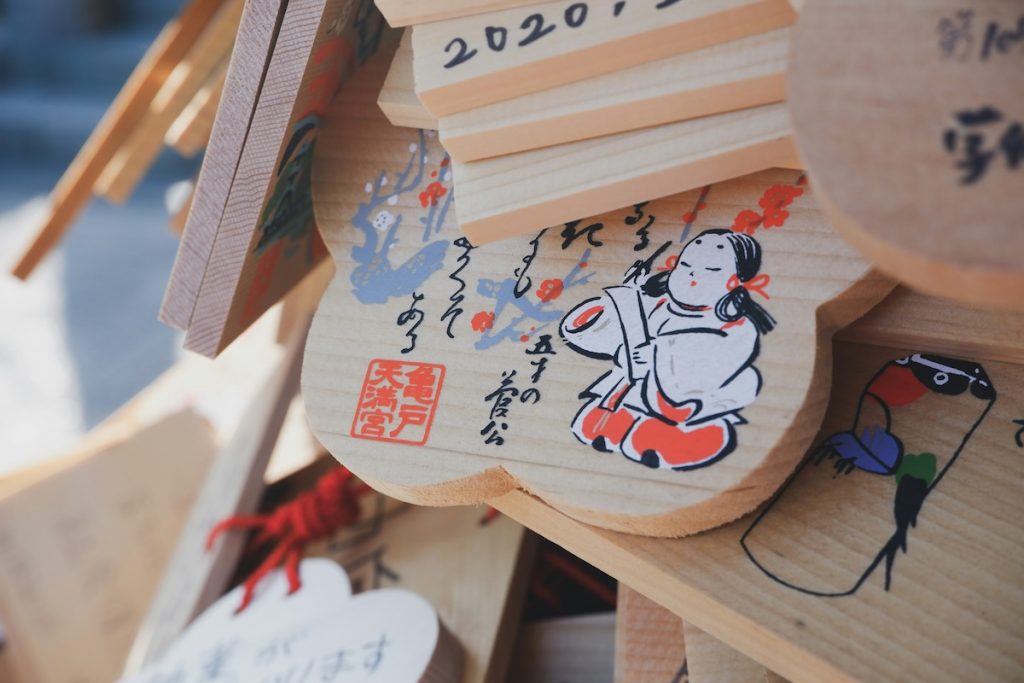
Reading them out of curiosity, translating them for an audience or photographing them closely enough that the writing is legible turns someone’s prayer into content. Photograph the ema racks from a distance or at an angle where the text is not readable, focusing on the colour, repetition and the way they move in the wind.
If you are unsure whether you can photograph an interior, assume you cannot until you have checked. A respectful distance often gives you a better image anyway. Look for the atmosphere around the space: incense drifting through light, footsteps on stone, hands holding an omikuji fortune or the geometry of a torii gate.
Geisha districts are neighbourhoods, not sets
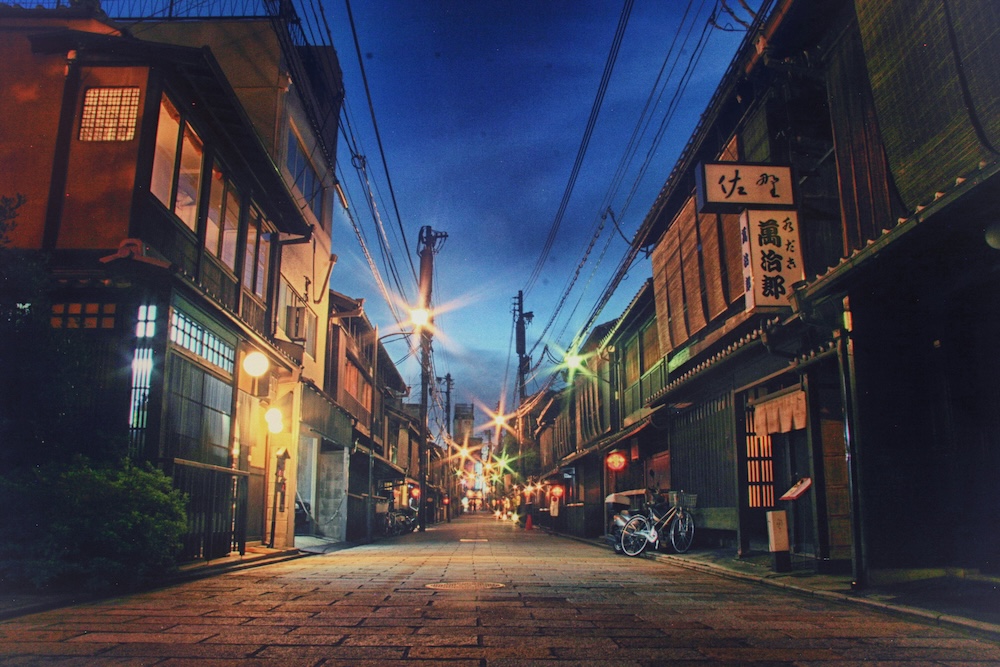
Areas such as Gion in Kyoto are widely photographed, but they are also home to residents, businesses and working performers.
In Southern Gion, do not stop, touch, follow or take photographs or videos of geiko or maiko without permission. Geiko is the Kyoto term for geisha, while maiko are apprentices. They are working professionals, not street attractions.
There can be legal consequences when photography turns into nuisance behaviour. Obstructing someone’s path or stalking them can be punished by detention of up to 30 days or a fine of up to ¥10,000. Pulling at someone’s hand or clothing can be punished by up to six months’ imprisonment or a fine of up to ¥500,000.
Trespassing, photographing private property where prohibited, blocking roads and entering restricted alleys can also lead to enforcement under relevant laws or local rules. Kyoto’s visitor guidance warns that violations may bring legal penalties, including fines of up to ¥300,000.
The rule is straightforward: do not photograph geiko or maiko unless you have clear permission. Do not follow them, wait in their path, surround them or treat their journey through their own neighbourhood as a photo opportunity.
Stay on public routes, obey every posted notice and keep entrances, pavements and narrow streets clear. Photograph the atmosphere of the district instead: lanterns, shopfronts, rain on stone paving, shadows and evening light.
Trains, stations and public transport
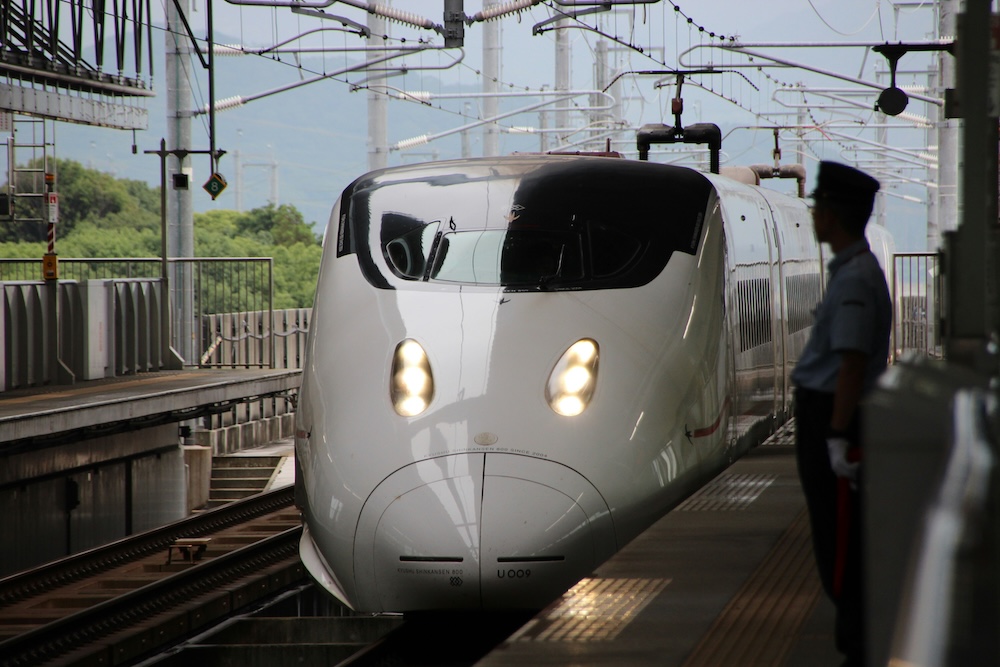
Japan’s trains are visually compelling, from quiet rural platforms to the Shinkansen and Tokyo’s busiest stations. They can also feel very private.
Avoid close photographs of commuters, especially inside carriages. Do not photograph people who are asleep, distracted or unable to move away easily. Keep clear of train doors, platforms, escalators and station entrances. A photograph is never worth slowing the flow of a busy station.
Try photographing the environment rather than a single person: graphic platform signs, reflections in windows, train details, a wider view of arriving passengers or the lines and light of the station itself.
You May Also Like: Photography Etiquette in South Korea
Shops, cafés and restaurants
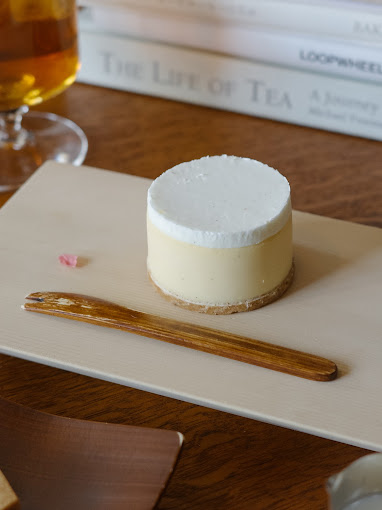
Many of Japan’s most photogenic places are small, independently run businesses. They often have limited space, busy staff and customers who did not expect to appear in a travel photograph.
Ask before photographing inside. This is particularly important in cafés, restaurants, markets, galleries and shops selling handmade or collectible goods. Some places welcome photos of food or displays but prefer that you do not photograph staff, other customers or the interior.
If you are given permission, keep it quick. Do not rearrange items, block the counter or turn a table into a long photo shoot. Enjoy the place first, then make the image.
If you are a cafe fan, make sure you check out these gorgeous cafes in Japan:
Respect homes and private spaces
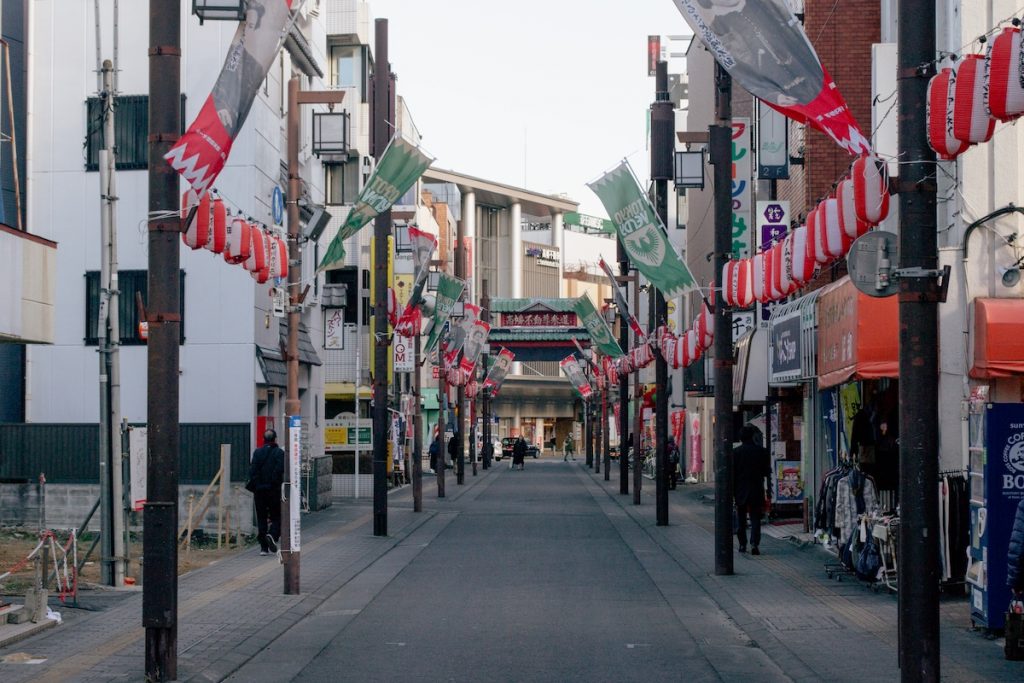
A quiet lane may look charming, but it may lead directly to someone’s front door. A garden behind a wall, a window display or a residential alley is not an invitation to photograph up close.
Stay out of driveways, do not peer through windows and avoid creating noise in residential areas, especially early in the morning and late at night. If an entrance or narrow street is in use, step aside. Japan rewards photographers who slow down. Often, the best image comes from waiting on the public street, using a longer lens or finding a composition that respects the boundary between visitor and resident.
Parks, gardens and seasonal locations

Do not assume that a park allows every kind of photography because it is open to the public.
Many gardens and parks permit casual personal photography but restrict tripods, reflectors, light stands, costume shoots, portrait sessions, large equipment and commercial or monetised filming. These restrictions can become tighter during cherry blossom season, autumn foliage and special exhibitions, when crowd management is especially important.
Before arriving with anything more than a handheld camera, check the venue’s rules. A paid portrait session, a sponsored post or a monetised video may be treated differently from casual personal photography.
Stay on paths, do not enter planted areas and never pull branches or flowers into position. Do not move barriers or direct other visitors for the sake of an image. If an area is roped off or marked as photography-free, find another composition.
Nature, wildlife and protected landscapes
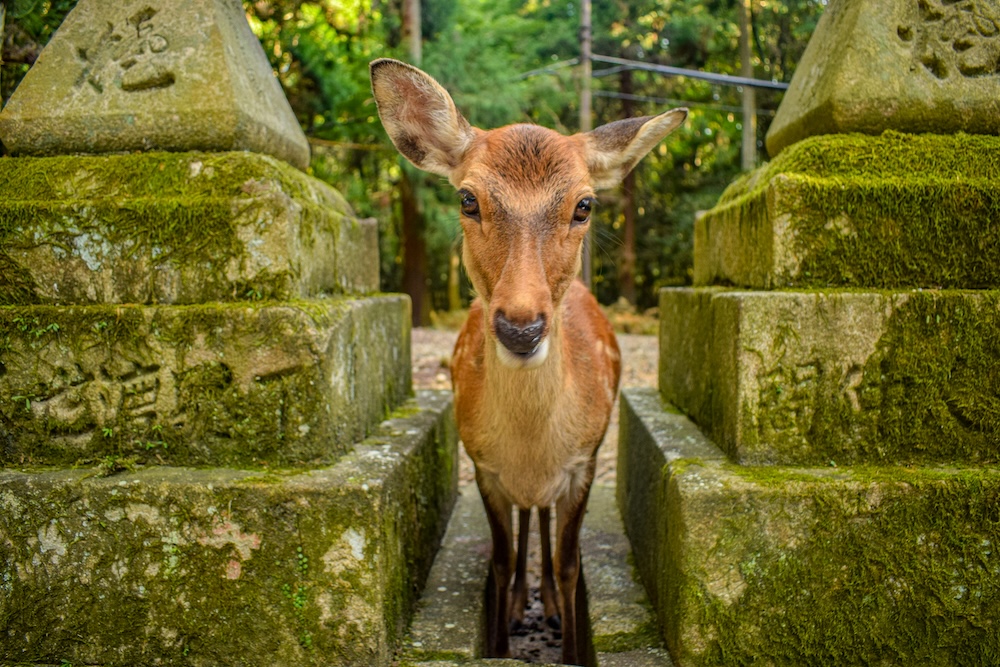
Wildlife photographs should never come at the expense of an animal’s safety or habitat.
Give wildlife space. Do not feed, bait, call, chase or corner animals for a photograph. Stay on marked trails and avoid trampling plants for a cleaner foreground. At popular seasonal locations, return at a quieter time or seek out a less famous place nearby instead of forcing your way into a crowded scene.
In national parks and protected landscapes, take extra care. Drone use may be restricted by a landowner, site manager or local authority even where national aviation rules allow flight. Always check both the flight rules and the rules for using the location itself.
Flash, tripods and drones
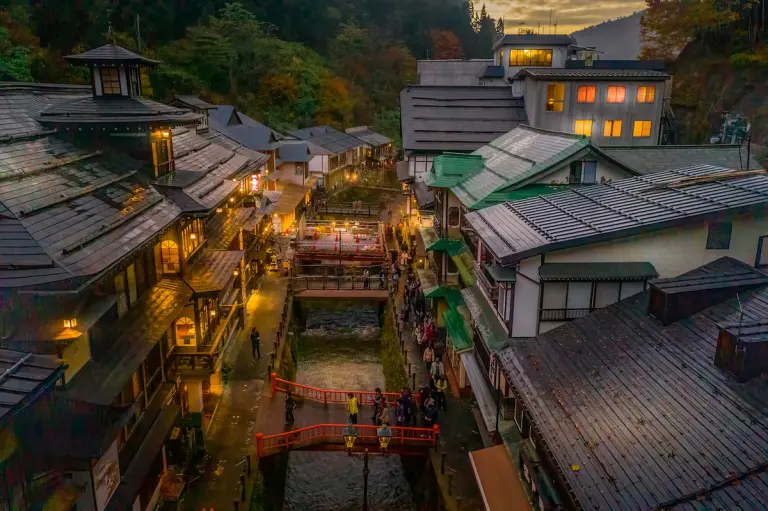
Flash can be disruptive in temples, museums, performances, restaurants and evening scenes. Use natural light where possible, and turn flash off when it could distract people.
Tripods take up more room than we think. In crowded streets, narrow temple grounds and busy viewpoints, they can create obstacles for others. Keep your setup compact and be prepared to work handheld.
Drone photography in Japan is a legal and safety issue, not simply a matter of finding open space.
Any drone flown outdoors that weighs 100g or more, including its battery, must be registered before flight. The registration number must be displayed on the aircraft, and the drone must normally have a Remote ID function. Flying an unregistered drone can result in up to one year in prison or a fine of up to ¥500,000.
You need advance permission or approval for many common travel-photography flights. This includes flights near airports, above 150 metres, over densely inhabited areas, at night, beyond visual line of sight, within 30 metres of uninvolved people or property, over event sites, while carrying hazardous materials or while dropping objects.
Flying in regulated airspace or using a regulated flight method without the required permission or approval can lead to imprisonment or a fine. For serious breaches of the Civil Aeronautics Act, penalties can reach two years’ imprisonment or a fine of up to ¥1,000,000.
If your planned flight requires permission or approval, you must also submit a flight plan before flying. Failing to submit the required flight plan can lead to a fine of up to ¥300,000. Failing to keep the required flight log can lead to a fine of up to ¥100,000. Failing to report an accident or serious incident can lead to a fine of up to ¥300,000.
If a drone injures someone, the operator must stop the flight and take necessary measures, including assisting the injured person and preventing further harm. Failing to do so can bring up to two years’ imprisonment or a fine of up to ¥1,000,000.
National aviation rules are only part of the picture. Parks, temples, tourist attractions, municipalities and landowners may impose additional restrictions or prohibit take-off and landing entirely.
Permission under aviation rules does not give you permission to use someone else’s land.
Think before you share
Respect continues after the photograph is taken.
Before sharing an image, consider whether an identifiable person would be comfortable seeing it online. Be cautious with private moments, vulnerable people and images that could embarrass someone. If a venue has asked for limited photography, do not disregard that request when posting.
Captions matter too. Try to share context and appreciation rather than treating people or neighbourhoods as scenery.
A quick check before every shot
Before pressing the shutter, take a second to ask:
- Is photography allowed here?
- Am I blocking someone or getting in their way?
- Is this person identifiable, and would it be better to ask first?
- Is this a sacred, quiet or private moment?
- Have I checked the current rules for this venue or location?
- Would I be comfortable being photographed in the same way?
Great travel photography is not about taking as many pictures as possible. It is about paying attention. When you give Japan the time and respect it deserves, your photographs will carry more than beautiful light or interesting detail. They will carry a genuine sense of place.
Photography in Japan is also a chance to step out from behind the camera and be part of the memory yourself. If you would like natural, thoughtful images from your trip, Photo Trips can connect you with a local photographer who knows how to capture both you and the atmosphere of the place. Learn more about our Japan photographers.