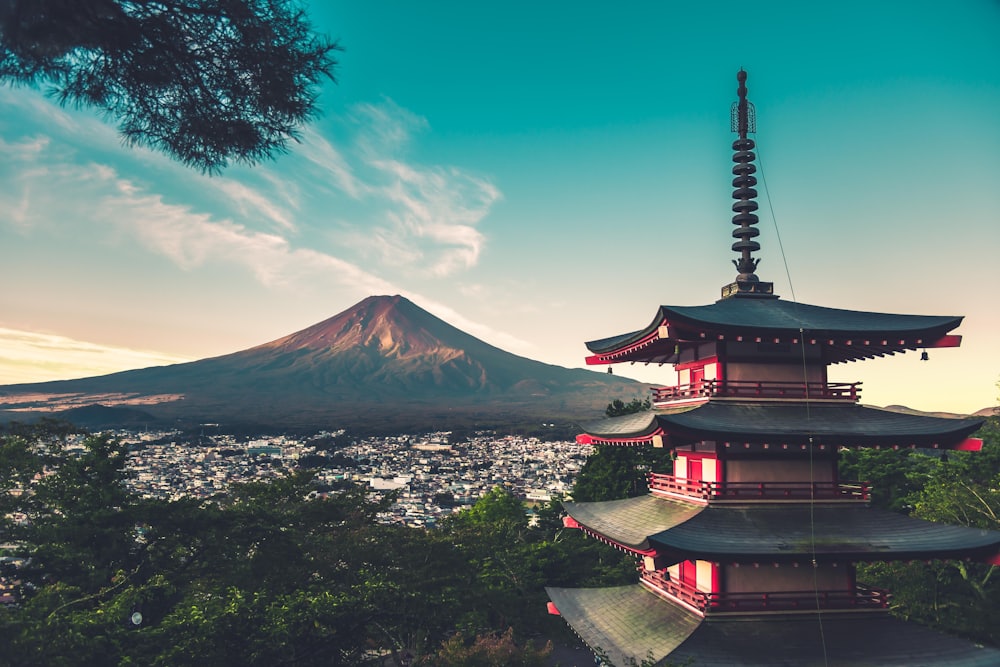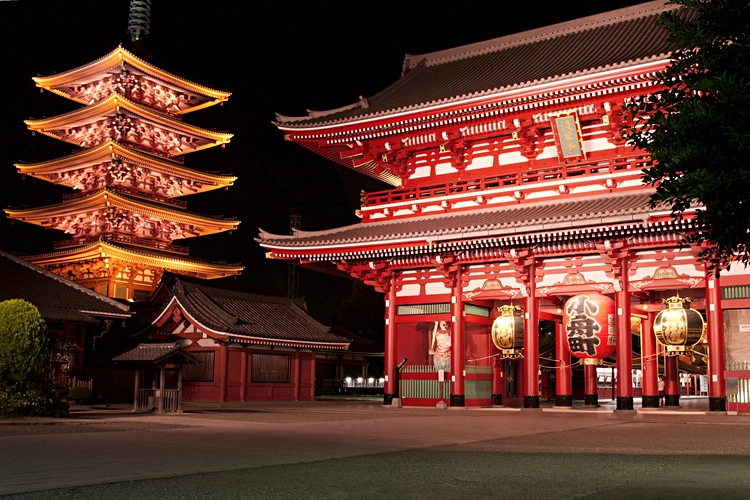
Asakusa and Senso-ji are iconic for a reason. The temple, the old shopping street, and the atmosphere of traditional Tokyo still make the area worth knowing about. But when it gets extremely busy, especially in peak travel periods, the experience can start to feel more crowded than atmospheric. If what you really want is the old-Tokyo feeling, there are better places to slow down, walk at your own pace, and enjoy a more natural sense of history.
The good news is that Tokyo still has several neighborhoods and nearby towns where traditional architecture, temple streets, old merchant districts, and quieter local character survive much more comfortably. Some are inside Tokyo itself. Others make excellent day trips. Together, they offer a much better fit for travelers who want history and atmosphere without the pressure of one of the city’s busiest sightseeing zones.
1. Yanaka and Nezu Shrine
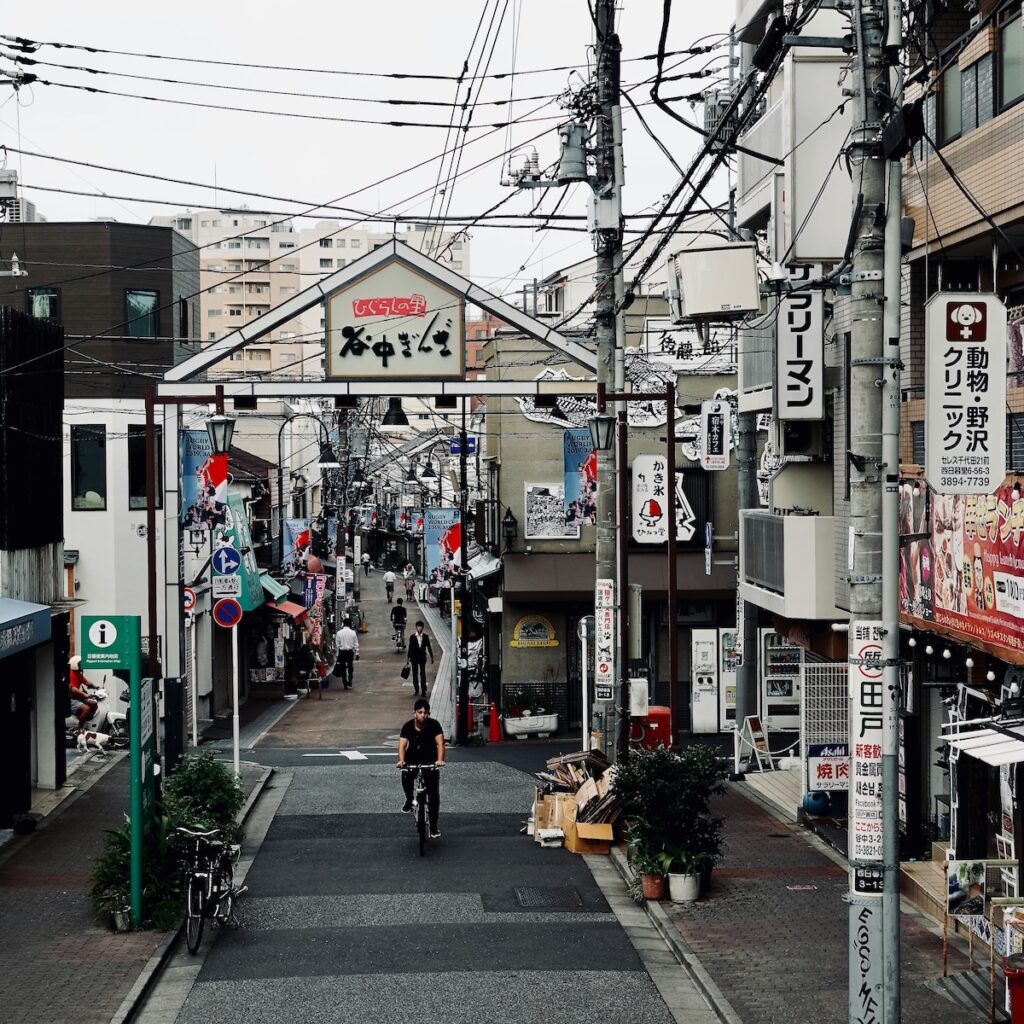
Yanaka is one of the best places in Tokyo to feel the older shitamachi side of the city. The area survived war and natural disasters better than many other parts of Tokyo, which is why the streets still have a softer, older character. Narrow lanes, low-rise buildings, small shops, temples, and old houses make it one of the most rewarding places to wander if you want a quieter and more lived-in alternative to Asakusa.
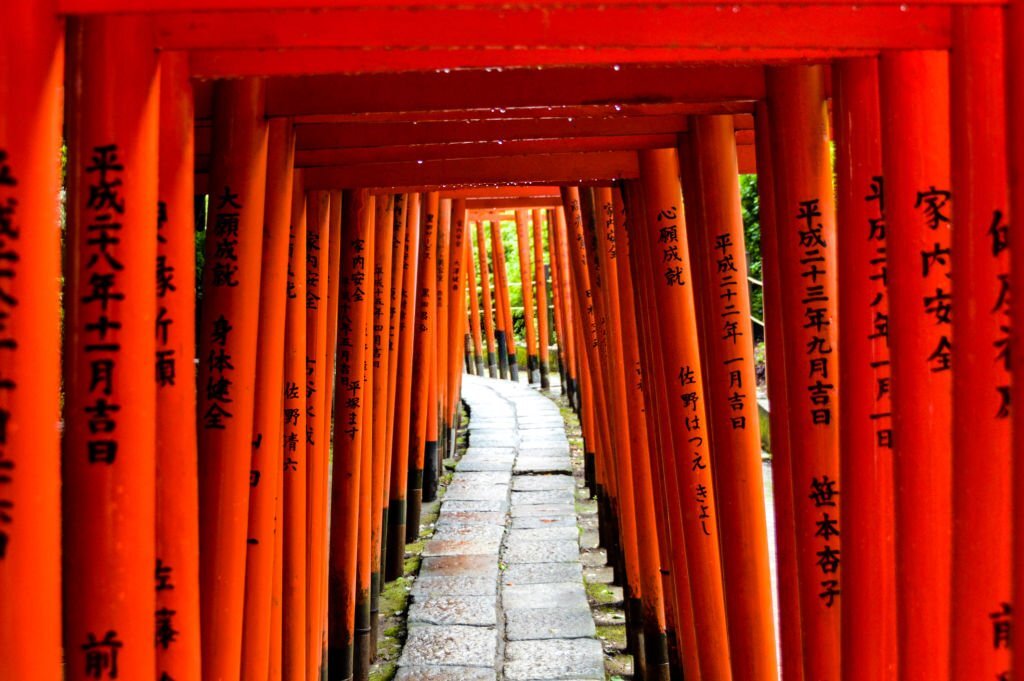
What makes this area especially appealing is that it does not revolve around a single major sight. The pleasure is in the walking itself. It feels slower, more local, and much less compressed than Asakusa. Nezu Shrine adds a strong highlight with its historic grounds, greenery, ponds, and torii-lined pathway, but the whole Yanaka-Nezu area works because the atmosphere stays consistent from one street to the next.
Go in the morning if you want the area at its best. It suits travelers who like wandering rather than rushing through a checklist. Give yourself time for small detours, coffee stops, and temple lanes. This is one of the easiest places in Tokyo to enjoy without a fixed plan.
2. Kawagoe
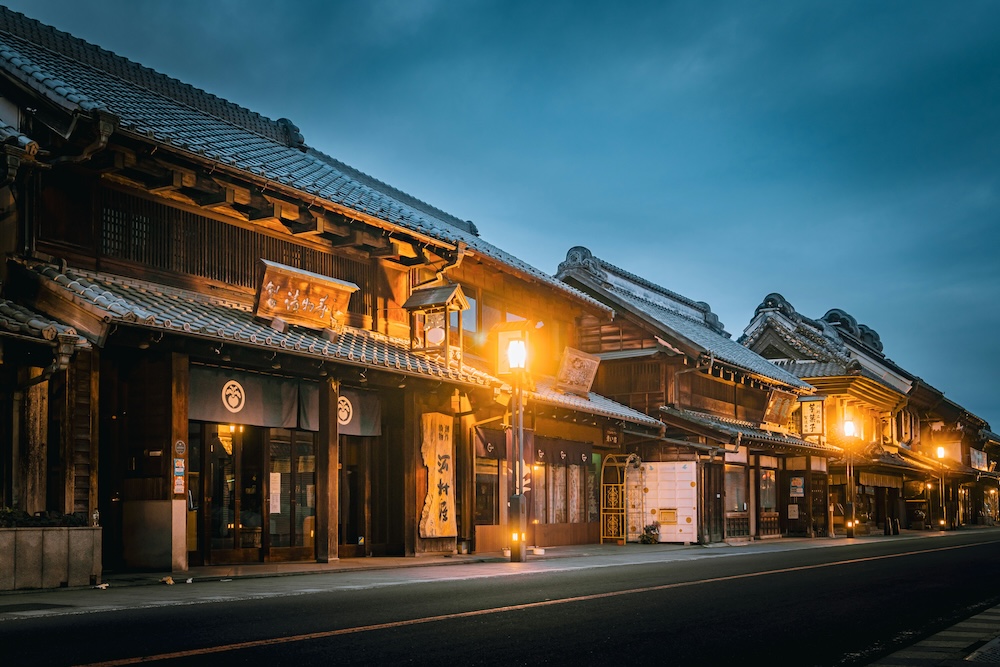
Kawagoe is one of the strongest alternatives if you want an old Edo atmosphere with real visual impact. The town is known as Little Edo for good reason. Its warehouse district is lined with traditional clay-walled merchant buildings, old streets, temples, and sweet shops that make the whole visit feel much more immersive than a single temple stop.
What is especially nice about Kawagoe is the range. You get the preserved kurazukuri streets, Kashiya Yokocho for old-fashioned sweets, and important historic sites like Kitain Temple. It feels substantial enough for a full day without becoming difficult to navigate. Compared with Asakusa, the old-town atmosphere stretches further and feels less concentrated into one busy corridor.
Go on a weekday if you can because weekends are much busier. Arrive early and start in the warehouse district before the town fills up. Kawagoe is close enough to Tokyo to be easy, but it rewards a full day rather than a rushed half-day stop.
3. Shibamata
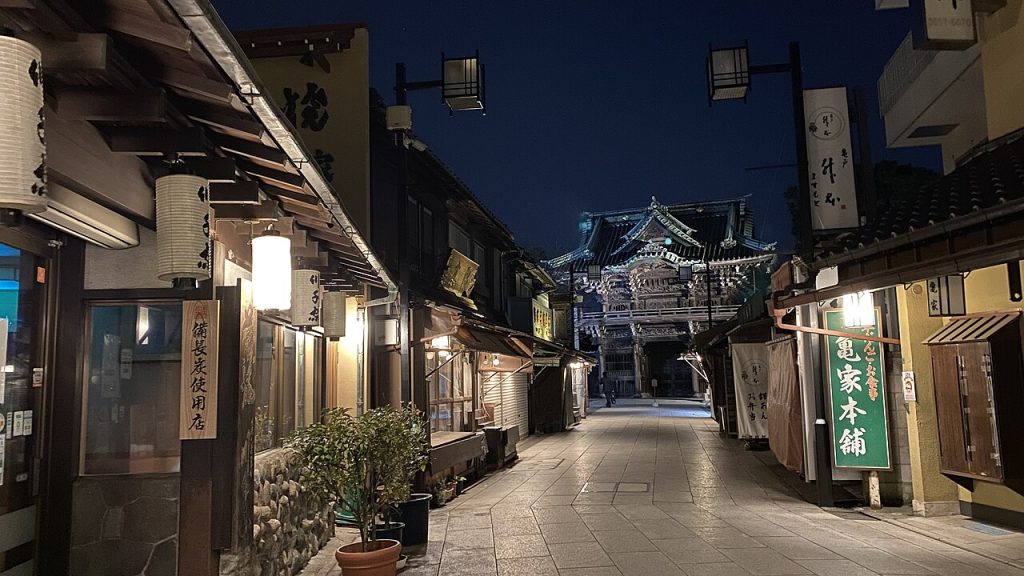
Shibamata is one of the best old-Tokyo alternatives inside the wider city because the whole area still feels nostalgic and coherent. The traditional approach road, the sweet shops, the temple atmosphere, and the riverside setting all work together in a way that feels much gentler than Asakusa. It has a retro charm that is not forced.
The heart of the district is Taishakuten and the approach street leading to it. The temple itself has remarkable wooden carvings, and the area behind it opens into a more peaceful side with Yamamoto-Tei, a beautifully preserved residence and garden that adds another layer to the visit. This is the kind of place that feels much more rewarding when you move slowly.
Stay long enough to walk beyond the station and the main street. The area near the Edo River is part of the appeal, and the neighborhood works best when you treat it as more than a single temple stop. If you want traditional Tokyo with a softer and more local rhythm, Shibamata is one of the strongest choices.
Notes: Want to do a traditional photoshoot with kimono in one of these areas? Check out our available kimono photoshoots in Tokyo or ask for a custom photoshoot!
4. Sawara
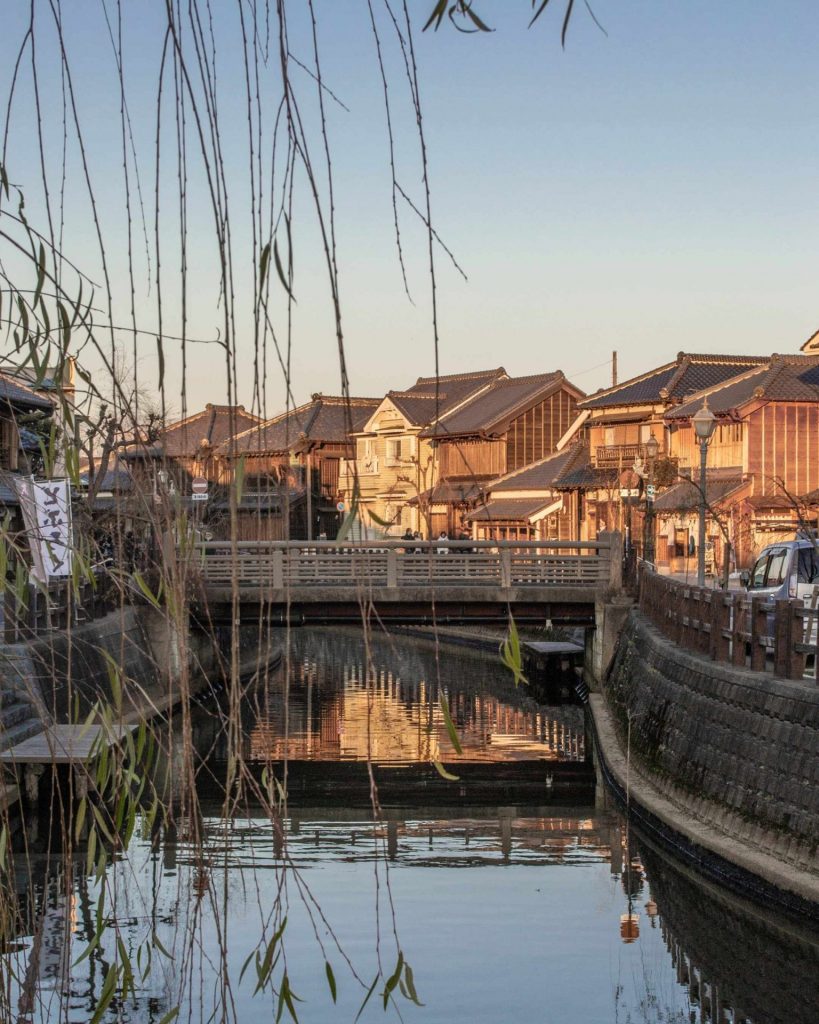
Sawara is farther out in Chiba Prefecture, but it is absolutely one of the best alternatives if you want a historical townscape that feels preserved and atmospheric. The old merchant district, canals, bridges, warehouses, and Edo-period character give it a depth that many travelers do not expect so close to Tokyo.
What makes Sawara so rewarding is that it feels like a place rather than a single attraction. The canal-side scenery is the obvious draw, but the whole district has a strong sense of continuity. You can walk through it and genuinely feel the merchant-town history. It has much more breathing room than Asakusa, and the overall experience feels calmer and more immersive.
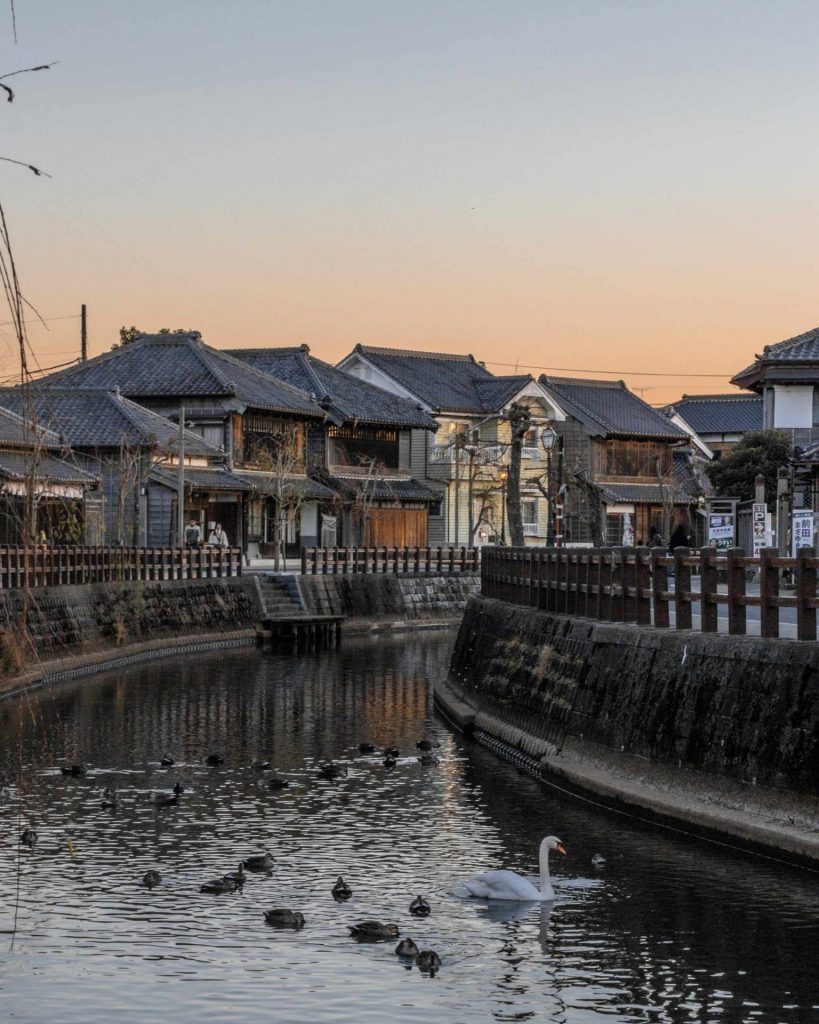
This is best as a deliberate day trip, not as something squeezed into an already packed Tokyo schedule. Give yourself time to enjoy the streets slowly and do not come expecting a central-Tokyo convenience. The extra distance is exactly part of why it still feels special.
5. Jindaiji Temple in Chofu
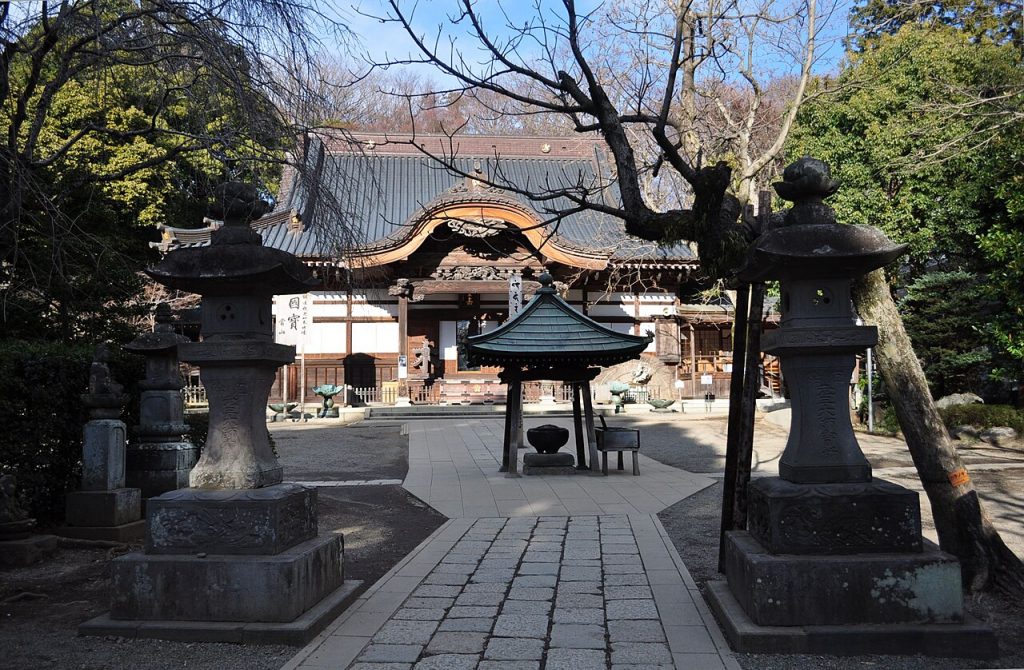
Jindaiji is one of the most satisfying alternatives if what you like about Asakusa is the temple-town atmosphere. The temple is one of the oldest in the Tokyo area, and the grounds feel spacious, green, and much more relaxed than the city’s headline traditional districts. The approach to the temple is lined with old-style shops and food stalls, which gives the area a very natural sense of tradition rather than a purely touristic one.
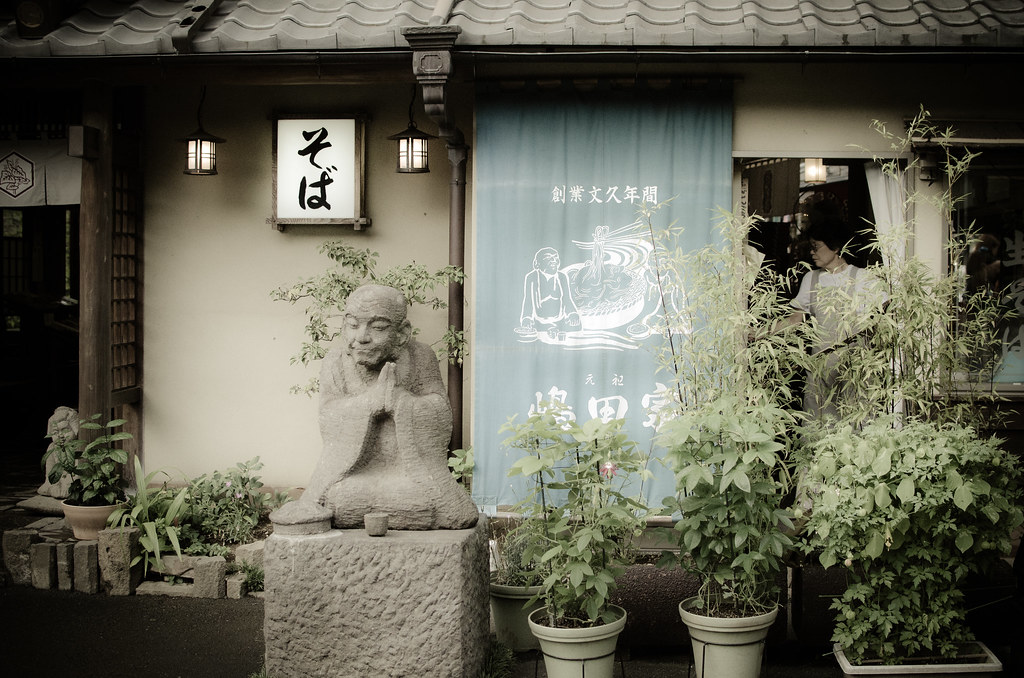
What makes Jindaiji especially nice is the combination of temple atmosphere and food culture. The area is famous for Jindaiji soba, and there are more than 20 soba restaurants around the approach. That makes the visit feel fuller and more local. It is not only about seeing the temple. It is also about enjoying a slower outing in a part of Tokyo that still feels connected to old habits and local routines.
Come here if you want a more peaceful traditional outing without leaving Tokyo. It works very well as a half-day or relaxed day trip, especially if you combine the temple with lunch and a slow walk around the area. This is one of the easiest traditional escapes when Asakusa feels too intense.
6. Monzen-Nakacho
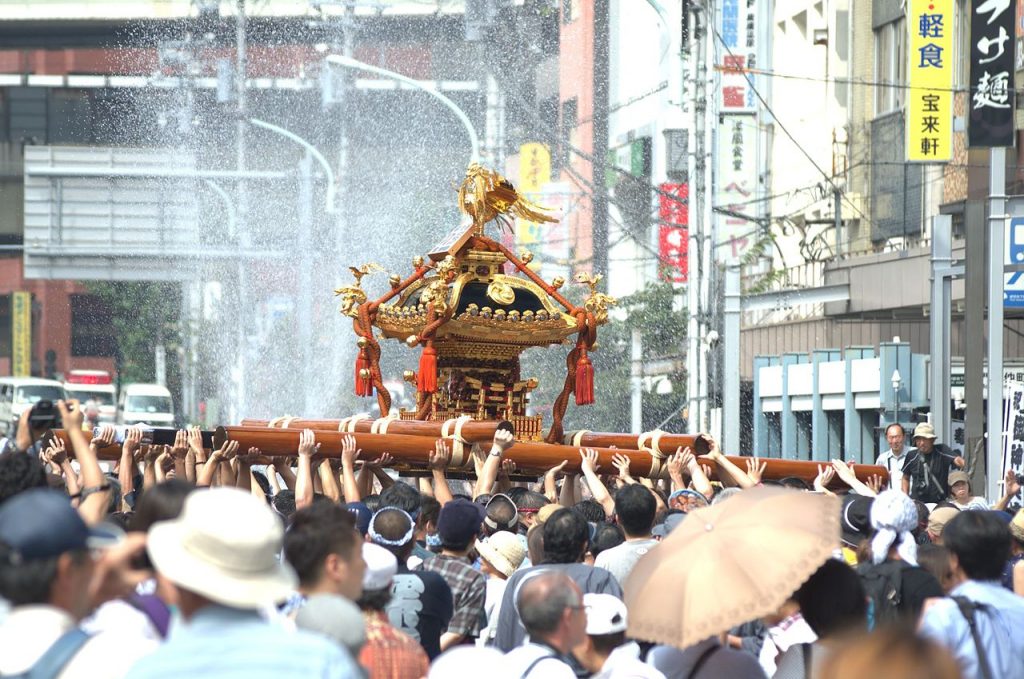
Monzen-Nakacho is a strong choice if you want a more local old-downtown atmosphere without leaving central Tokyo. The neighborhood grew around old shrine and temple culture, and it still has that temple-town feeling in parts, mixed with canals, traditional festivals, and a quieter downtown character that feels much more lived-in than Asakusa.
What is especially appealing here is that the area still feels like everyday Tokyo rather than a fully polished sightseeing zone. You can visit major religious sites in the Fukagawa area, walk streets that still carry the vestiges of old Edo, and enjoy a neighborhood that feels more grounded and less performative. It is a better recommendation for travelers who want atmosphere with fewer crowds, rather than a postcard version of tradition.
This area works best when you keep expectations realistic. It is not trying to be Asakusa. That is exactly why it is worth visiting. Come here for a slower walk, local character, and a more understated traditional side of Tokyo. It suits travelers who enjoy neighborhoods that reveal themselves gradually.
7. Gotokuji
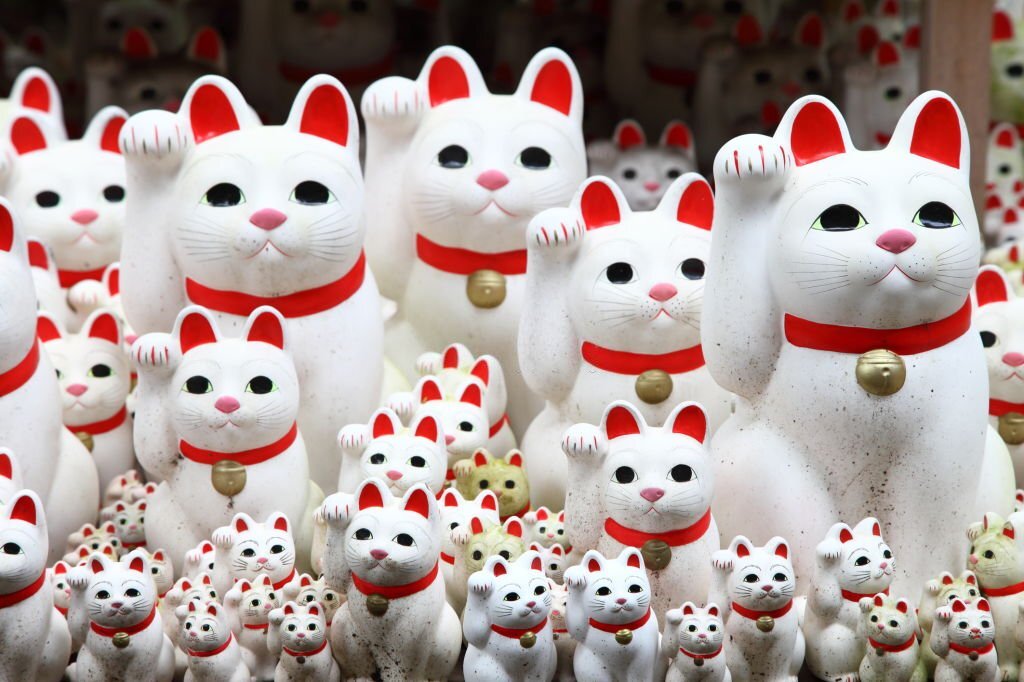
Gotokuji is a very different kind of alternative, but it works well if you want a traditional temple visit in a quieter residential part of Tokyo. The temple is famous for its thousands of maneki-neko figurines and is widely associated with the origin story of the beckoning cat. That gives it an immediately distinctive character, but the area around it is also part of the appeal.
What makes Gotokuji worth recommending is that it feels calmer and more intimate than Tokyo’s blockbuster temple areas. Instead of moving through dense temple crowds, you get a more peaceful visit with greenery, wooden structures, and a neighborhood atmosphere that feels far removed from Asakusa’s intensity. It is memorable without feeling overwhelming.
Go if you want something traditional but a little more offbeat. This is a good fit for travelers who enjoy temples, quieter residential districts, or simply want a Tokyo experience that feels more personal. It also works nicely if you want a half-day outing rather than a full excursion.
Final thoughts
If Asakusa and Senso-ji feel too busy for the kind of Tokyo experience you want, these seven places offer better ways to enjoy the city’s traditional side. Yanaka and Nezu are best for old Tokyo streets and slower wandering. Shibamata and Jindaiji are especially strong if you want a temple-town atmosphere. Kawagoe and Sawara work very well as day trips with deeper historical townscapes, while Monzen-Nakacho and Gotokuji are good choices for travelers who prefer something more understated inside Tokyo itself. 
The best alternative depends on what you were hoping to get from Asakusa in the first place. If it is the old downtown feel, go to Yanaka or Shibamata. If it is a broader historic streetscape, choose Kawagoe or Sawara. If it is a quieter temple atmosphere, Jindaiji and Gotokuji are much better fits. In every case, these places make it easier to enjoy tradition without the same crowd pressure.