
Wearing a kimono in Kyoto is one of those experiences that can feel truly special when you choose the right setting. The city has no shortage of beautiful places, but not every area works equally well once you factor in atmosphere, walking comfort, crowd levels, and how easy it is to get dressed nearby. For this list, we focused on places that are not only photogenic, but also practical for travelers, including areas that are well connected to kimono rental shops so the experience feels smooth from start to finish.
The best kimono locations in Kyoto usually have a few things in common: traditional streets that actually feel cohesive, backgrounds that suit the elegance of kimono, and enough space to enjoy the experience without feeling rushed. Some are classic first-time choices. Others are better if you want something quieter, greener, or a little more refined. Here are the places we recommend most.
Before you go through this list, we invite you to check out our available kimono photoshoots in Kyoto here. It’s a very cool experience that serves as a guided tour but you also get stunning pictures of you out of it!
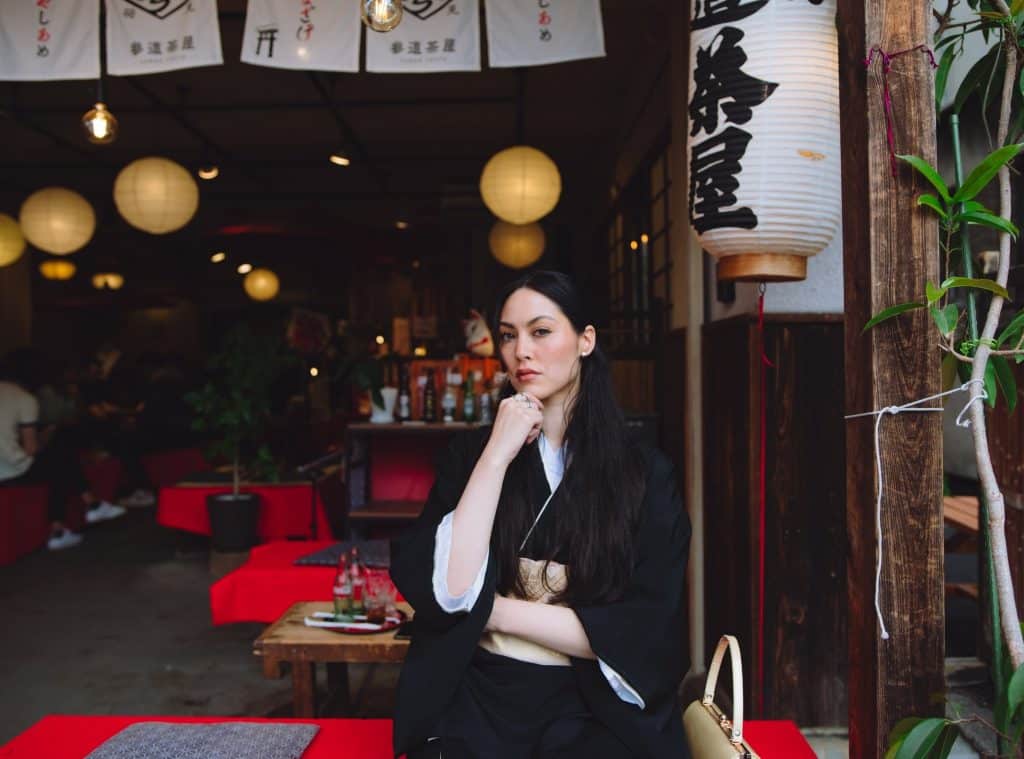
1. Sannenzaka
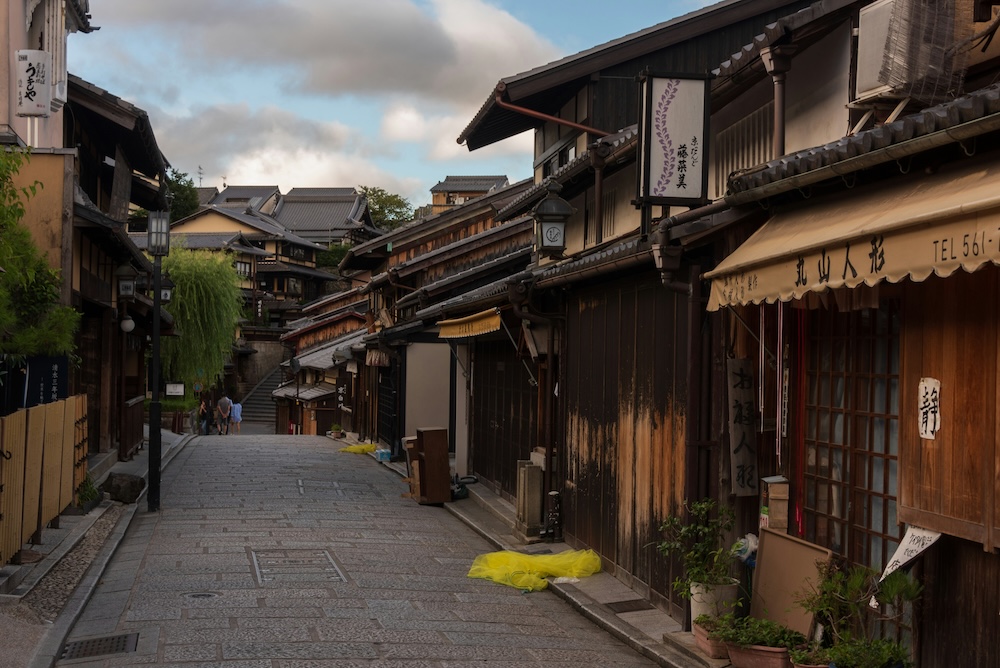
Sannenzaka is one of the classic places to wear a kimono in Kyoto, and it is easy to see why. The stone slope, preserved wooden buildings, and traditional storefronts give the whole area the kind of old Kyoto atmosphere many travelers imagine before they arrive. It feels elegant, instantly recognizable, and very rewarding on foot.
What makes Sannenzaka work so well is that the street itself already does most of the work for you. You do not need to search for the right angle every few minutes because the entire setting feels visually consistent. The textures, the slope, and the traditional facades all suit kimono naturally, especially if you want a timeless Kyoto look.
Come early in the morning if you want the best experience. This area gets busy fast, and it is much more enjoyable before the main crowd arrives. It also connects naturally with Ninenzaka, Kiyomizu-dera, and the Yasaka Pagoda area, so it works well as part of a longer kimono walk.
2. Ninenzaka
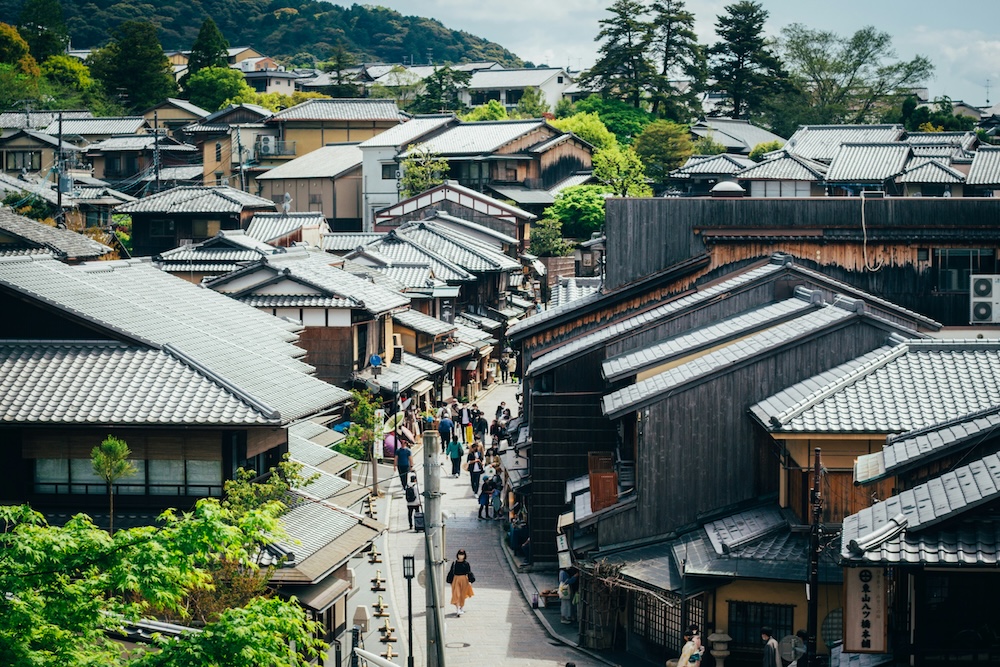
Ninenzaka has a similar appeal to Sannenzaka, but the atmosphere can feel slightly softer and more intimate depending on the time of day. The preserved architecture is beautiful from end to end, and the street has that polished traditional look that makes kimono feel especially natural here.
This is one of the easiest places in Kyoto for elegant photos because the surroundings feel so cohesive. There is very little visual distraction, and the old streetscape gives the experience a stronger sense of place than more mixed modern-traditional areas. If you want a classic Kyoto kimono setting, this is one of the safest and strongest choices.
Walk slowly here and resist the temptation to rush through. Ninenzaka works best when you enjoy the small details, the shopfronts, and the changing views along the slope. Pair it with Sannenzaka rather than choosing one or the other, because together they create one of the best kimono routes in the city.
3. Yasaka Pagoda
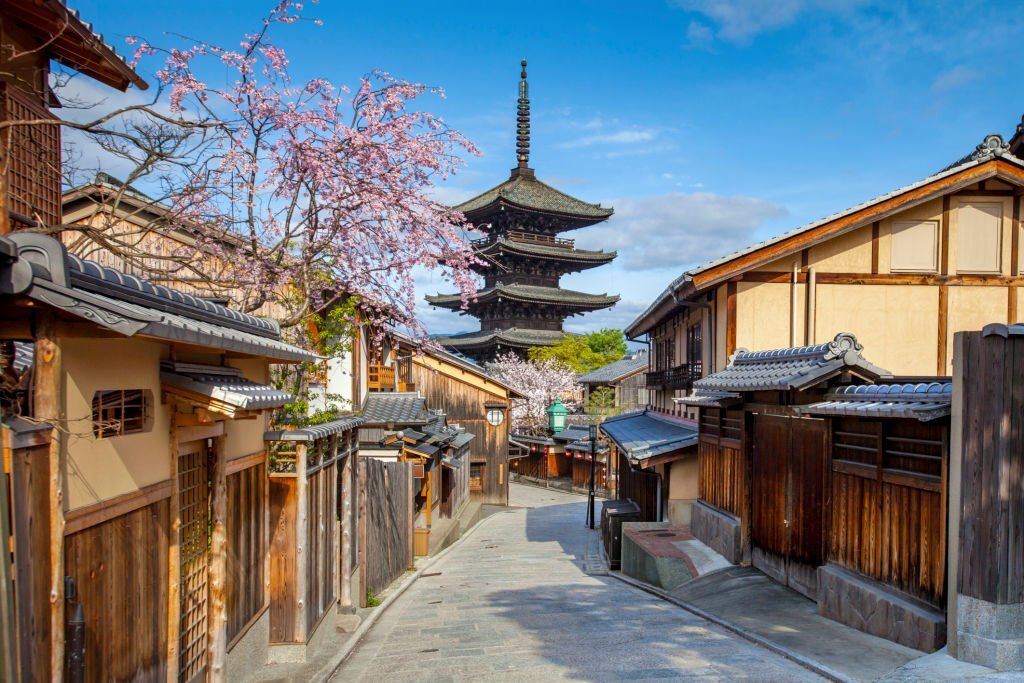
If you want the most iconic Kyoto kimono backdrop, the Yasaka Pagoda area is one of the strongest choices in the city. The narrow lanes and traditional buildings already look beautiful, but the pagoda rising in the background gives the whole area a much more cinematic feel.
This is the kind of place that works especially well if you want memorable photos that clearly say Kyoto. Even simple walking shots can look striking here because the streets frame the pagoda so well. It is one of the best choices for first-time visitors who want something instantly recognizable but still beautiful in person.
Go as early as possible. This is one of the most photographed parts of Kyoto, and the difference between early morning and mid-afternoon is huge. If you want to enjoy the area rather than just pass through it, treat it as a morning stop and connect it with the surrounding Higashiyama streets.
4. Kiyomizu-dera and Gojozaka
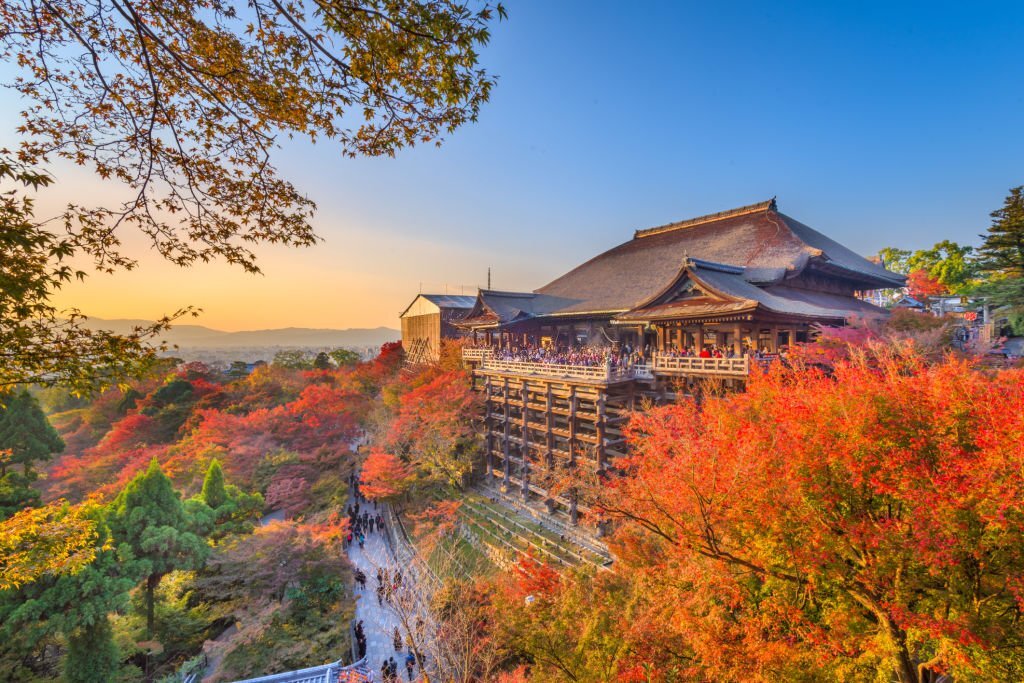
This is one of the most natural areas in Kyoto for a kimono day because everything fits together so well. You have the temple atmosphere, the traditional approach streets, the slopes, the shopfronts, and a setting that feels fully built around walking. It is ideal if you want a fuller outing rather than just a single photo stop.
What makes this area especially good is convenience. Once you are dressed, you can spend hours here without needing to move across the city. That matters more than many travelers expect, because kimono days are always more enjoyable when the logistics stay simple and the setting around you remains consistent.
Wear comfortable footwear if you plan to spend a long time here. Even with proper sandals, the slopes and paving can become tiring if you move too quickly. Slow the pace down, build in café or tea breaks, and treat this area as a half-day experience rather than something to rush through.
5. Kodai-ji and Nene-no-Michi
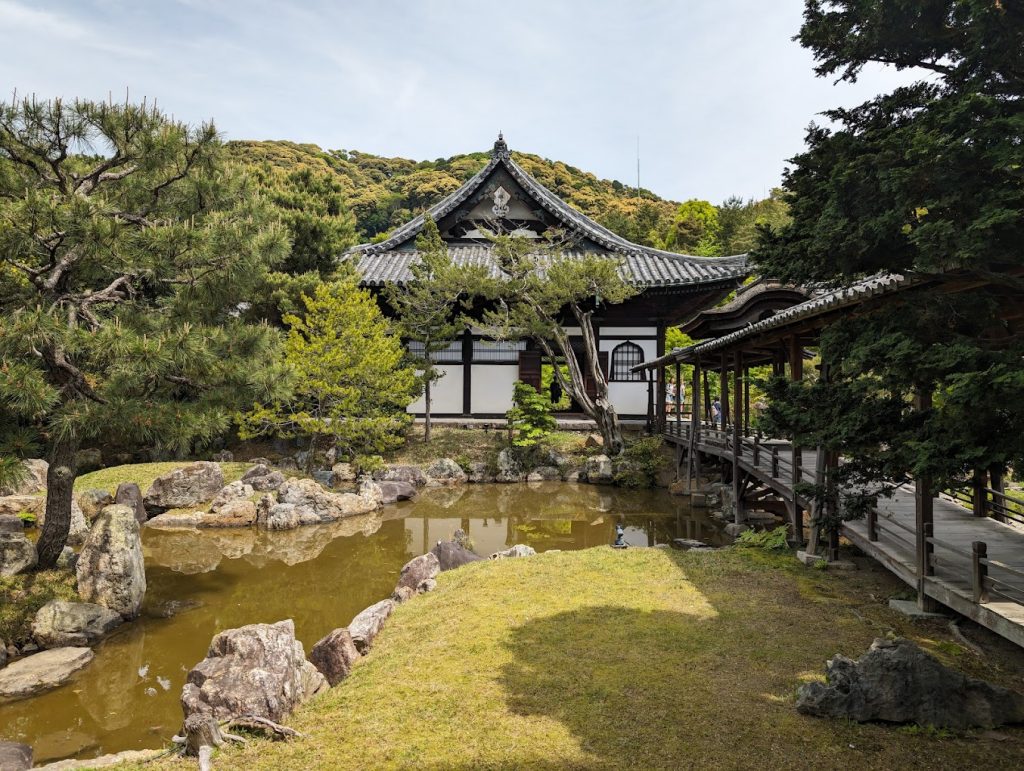
Kodai-ji and Nene-no-Michi are excellent if you want something that still feels very Kyoto, but a little calmer and more refined than the busiest Kiyomizu slopes. Stone paths, temple walls, greenery, and beautifully kept surroundings give this part of Higashiyama a more composed atmosphere.
This area works especially well for travelers who want elegance rather than drama. The streets are not as instantly iconic as the Yasaka Pagoda view, but they often feel more comfortable and more balanced for an actual kimono outing. The whole experience tends to feel smoother here, especially once the main crowds build elsewhere.
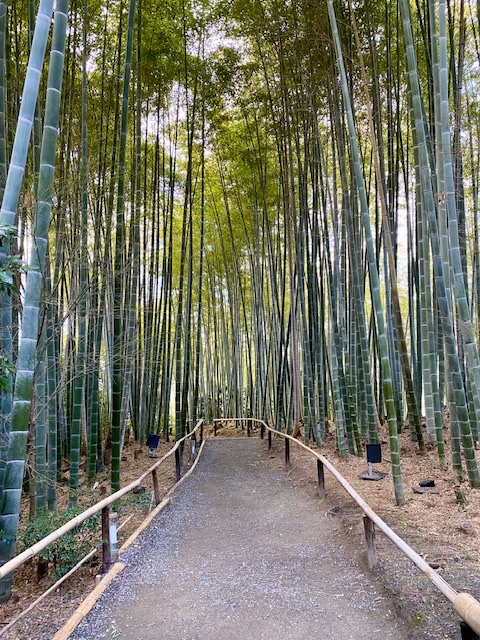
This is a very good area for couples, quieter morning walks, or travelers who want a more polished look in their photos. It also connects easily with Yasaka Shrine, Maruyama Park, and Gion, so you can build a full kimono route without too much effort.
6. Yasaka Shrine and Maruyama Park
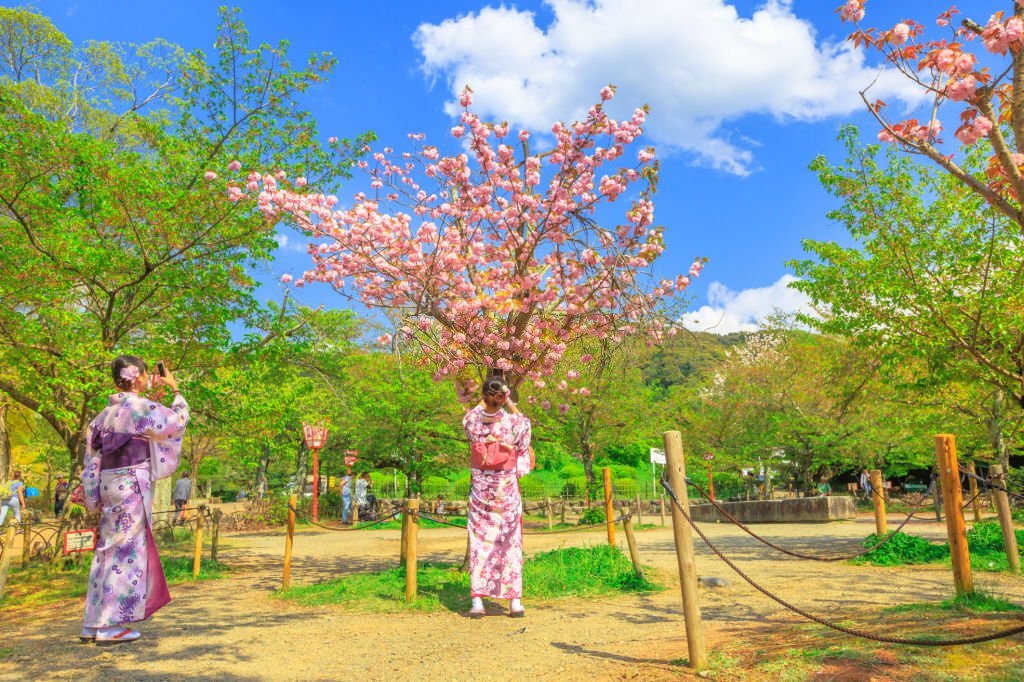
Yasaka Shrine and Maruyama Park make a strong combination if you want a more spacious traditional setting. The shrine gives you a classic Kyoto atmosphere, while the park adds trees, paths, and a softer, more open rhythm than the denser streets around Higashiyama.
This is one of the better options if you want variety in a single area. You can get shrine architecture, lanterns, seasonal greenery, and more relaxed walking paths without constantly changing neighborhoods. It works especially well in spring, but the area remains attractive well beyond cherry blossom season.
Start at the shrine and let the route unfold naturally into the park. That works better than treating them as separate stops. If the nearby streets feel too busy, Maruyama Park gives you a chance to slow down and still stay in a setting that suits kimono very well.
7. Gion Hanamikoji
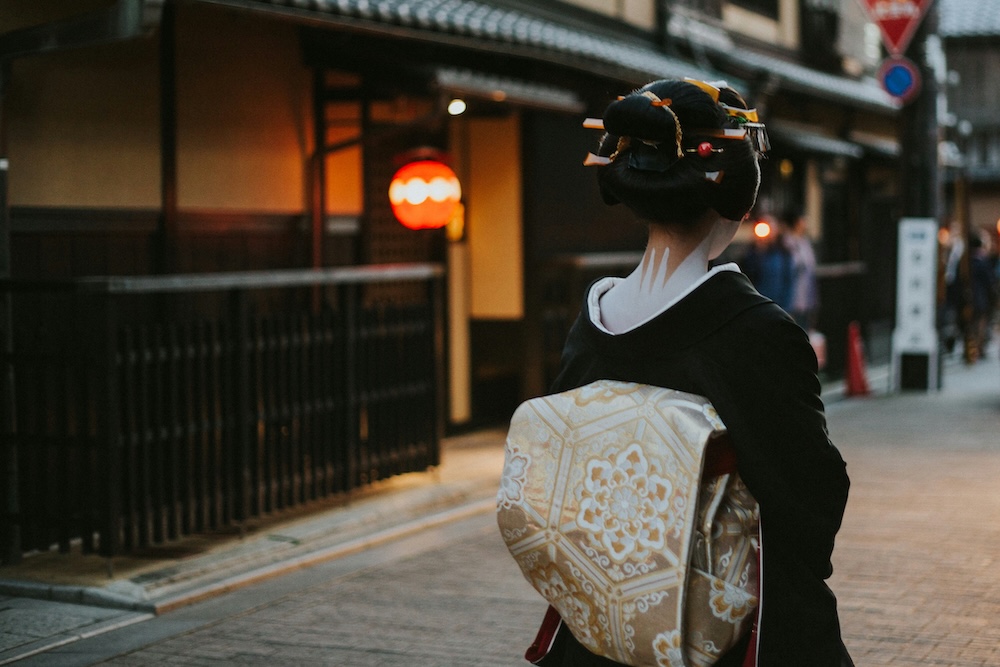
Hanamikoji is one of the best places to wear a kimono if you want a more refined and polished Kyoto streetscape. The machiya facades, traditional atmosphere, and clean visual lines give the area a very elegant feel that suits kimono particularly well.
What makes Hanamikoji stand out is the mood. It feels more composed than some of the busier temple approaches, and that gives the experience a different kind of charm. Instead of dramatic slopes or large landmarks, you get a graceful street that already feels complete as a setting.
Go earlier or later in the day if you want a better experience. Midday foot traffic can make the area feel more hurried than it should. Keep in mind that Gion is a living neighborhood, so it is worth walking respectfully and avoiding the feeling of treating the whole area like a stage.
8. Shirakawa in Gion
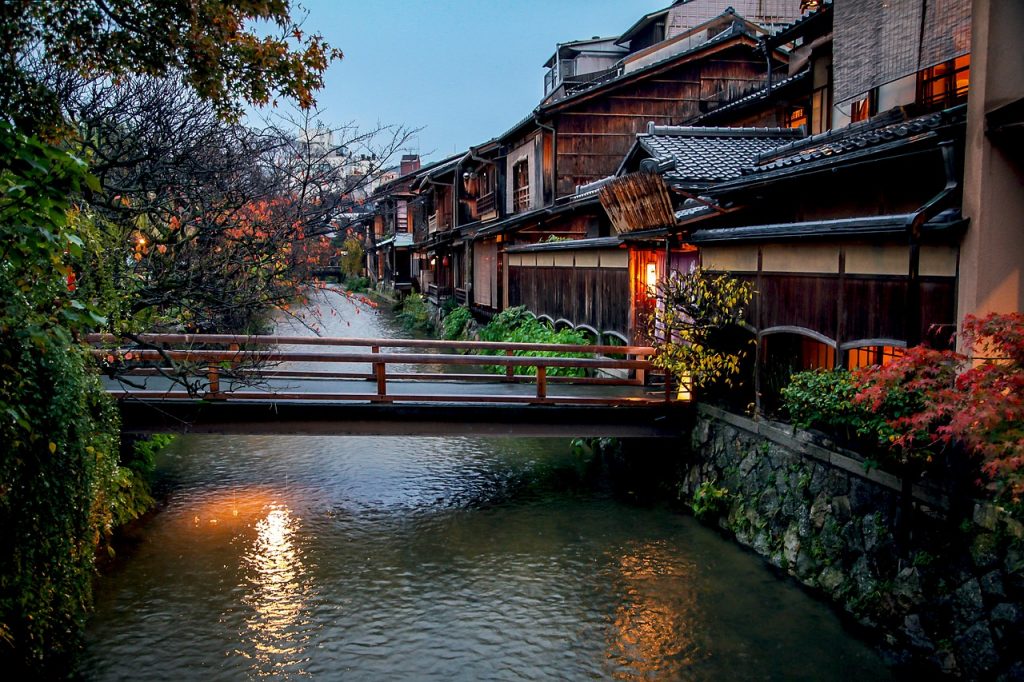
Shirakawa is one of the prettiest kimono locations in Kyoto if you prefer something a little quieter and more delicate than the main Gion streets. The canal, willow trees, stone paving, and traditional buildings give it a softer and more romantic feel.
This area is especially good for travelers who want photos that feel more intimate and less obvious. It still looks unmistakably Kyoto, but the atmosphere is gentler and less exposed than some of the major landmarks. That makes it one of the best places for couples and one of the most graceful kimono settings in the city.
Come here after Hanamikoji rather than choosing just one. The contrast works well. Hanamikoji gives you the classic formal side of Gion, while Shirakawa adds the quieter, more atmospheric side that often ends up feeling more memorable.
9. Arashiyama and Togetsukyo Bridge

Arashiyama is one of the best kimono choices if you want a more open and scenic setting. Instead of only narrow traditional streets, you get river views, mountains, the bridge, temple surroundings, and a much broader sense of landscape.
What makes Arashiyama so appealing is that the experience feels less compressed. It works well for travelers who want beauty and atmosphere, but do not want every moment to happen in a tightly packed historic lane. The bridge area in particular gives you a more spacious, flowing version of Kyoto that still suits kimono beautifully.
Stay in the area once you are dressed rather than trying to combine it with central Kyoto on the same day. Arashiyama is much better when you commit to it properly. Go early if possible, especially if you also want to see the bamboo grove or nearby temple areas before they get too busy.
You May Also Like: Best Alternatives to Arashiyama Bamboo Forest in Kyoto
10. Fushimi Inari
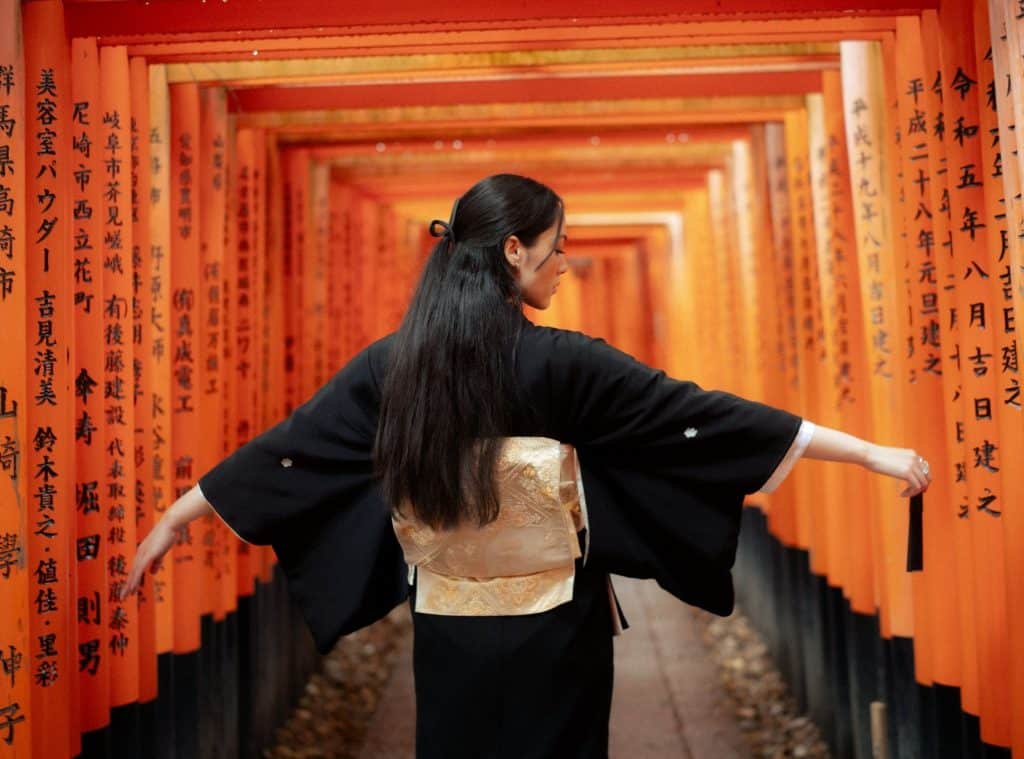
Fushimi Inari is one of the strongest kimono locations if you want something more dramatic and instantly recognizable. The red torii gates create a completely different mood from Higashiyama or Gion, and that contrast can make the experience feel especially memorable.
This is a good choice if you want more visual impact and less of the soft old-street feel. The shrine pathways give the setting energy and rhythm, and the color contrast with kimono can be extremely striking. It is one of the most distinctive options on this list.
Go very early. That matters here even more than in many other parts of Kyoto. Once the crowds build, the experience changes completely. If you want the torii-lined paths to feel atmospheric rather than hectic, make Fushimi Inari one of your earliest stops of the day.
You May Also Like: 9 Less Crowded Alternatives to Fushimi Inari Shrine in Japan
11. Philosopher’s Path
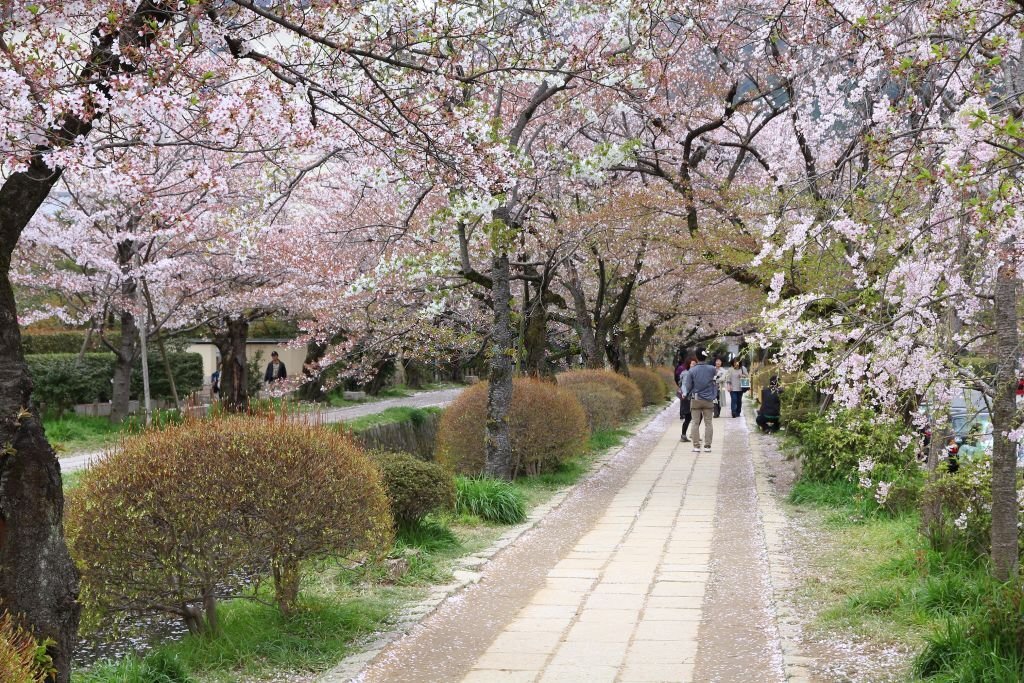
Philosopher’s Path is one of the best places to wear a kimono if you want something quieter, greener, and more relaxed. The canal-side walk, trees, and slower residential atmosphere give it a very different feeling from Kyoto’s busiest traditional districts.
What makes it especially appealing is the pace. This is not a place that depends on one big landmark. It works because the whole walk feels gentle and pleasant, which suits kimono very well. If you want the experience to feel more like a peaceful Kyoto day and less like moving between crowded hotspots, this is an excellent choice.
It works particularly well in spring and autumn, but the path is beautiful beyond peak foliage or blossom seasons. Give yourself time to actually walk rather than treating it as a quick photo stop. The charm here is in the atmosphere as much as in the scenery.
12. Umekoji and Shimabara
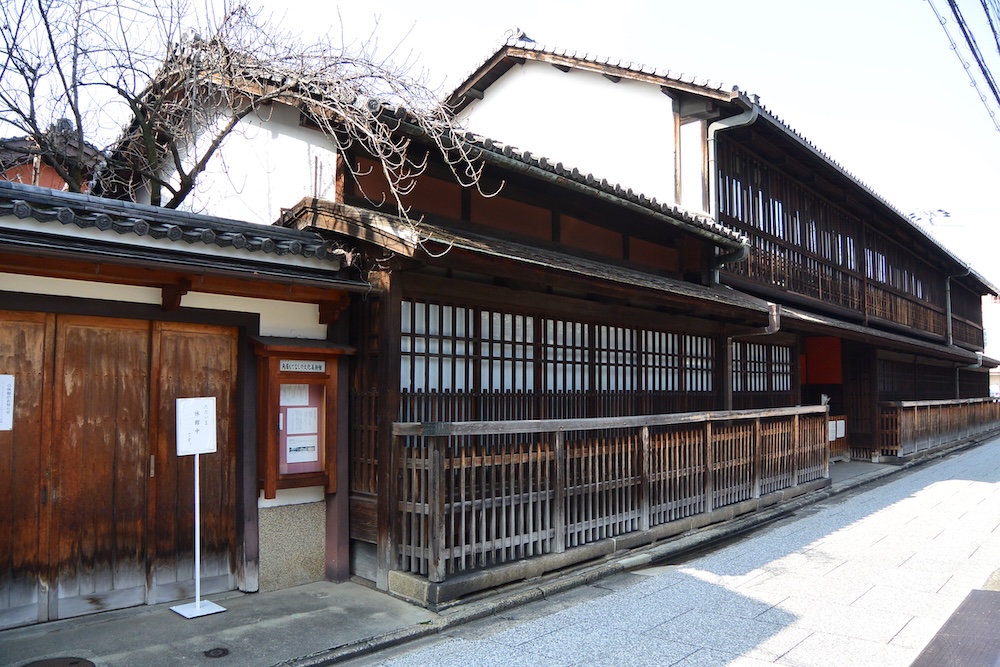
This is one of the more underrated kimono options in Kyoto. The Umekoji area gives you a calmer side of the city, and nearby Shimabara adds older Kyoto character with much less crowd pressure than Gion or Kiyomizu. It is a good choice if you want something that feels more local and less expected.
What makes this area interesting is that it offers a different side of Kyoto’s traditional atmosphere. Instead of famous slopes and temple approaches, you get a quieter streetscape and a setting that feels more understated. For some travelers, that actually makes the kimono experience feel more natural.
Choose this area if you have already seen the obvious highlights or simply want a calmer day. It works best for travelers who care more about atmosphere and comfort than about ticking off the most famous backdrops.
Final thoughts
The best place to wear a kimono in Kyoto depends on the kind of experience you want. If you are after the classic Kyoto look, Sannenzaka, Ninenzaka, Yasaka Pagoda, and Gion are still the strongest choices. If you want something more elegant and a little calmer, Kodai-ji, Shirakawa, and Philosopher’s Path are excellent. If you want a more scenic or distinctive setting, Arashiyama and Fushimi Inari stand out. Across all of them, the best kimono day is usually the one that keeps the logistics simple and the pace slow.
A very natural way to make the experience even more memorable is to plan it around photos from the start. Kyoto gives you beautiful settings almost everywhere on this list, but the difference between a rushed phone photo and a well-planned kimono shoot is huge. That is why these areas work so well not only for wearing a kimono, but for properly capturing the experience too.