
Takahata Fudoson is a good place to visit when you want to see a different side of Tokyo without planning a complicated day trip. It is easy to reach from Shinjuku, but once you arrive, the atmosphere feels much calmer. The grounds are spacious and green, with historic buildings, a beautiful five-storey pagoda, and a wooded hillside behind the temple.
I like Takahata Fudoson because it feels like a place where you can slow down. You can come for the history, take a quiet walk, join a Buddhist fire ritual, or visit during hydrangea season. It is still Tokyo, but it does not feel like the busy Tokyo most travelers know.
History & Local Context
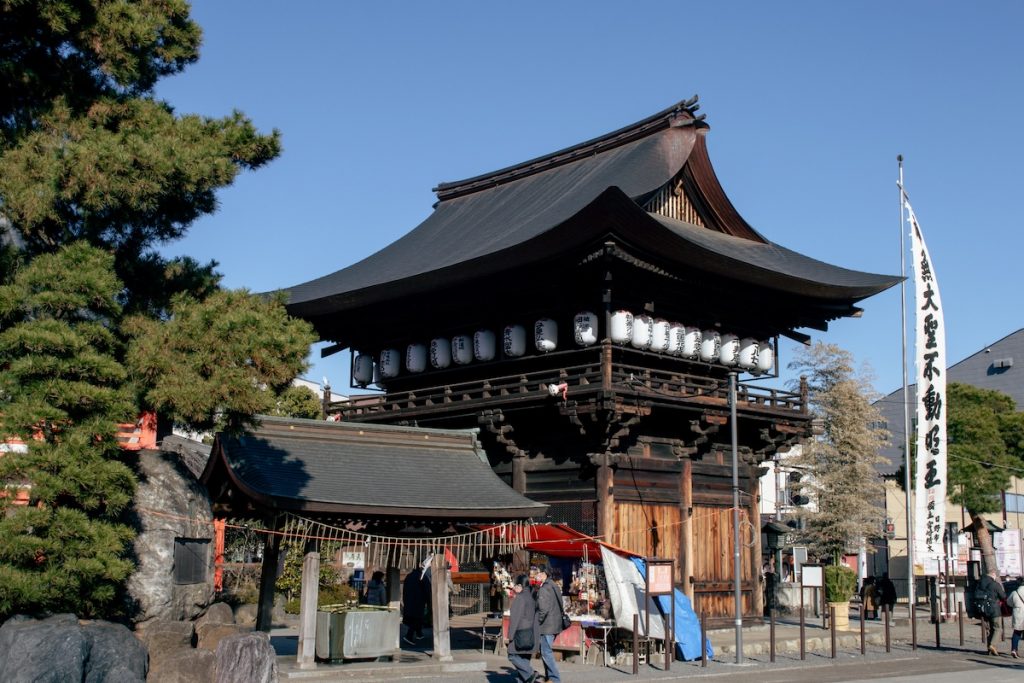
Takahata Fudoson is the common name for Takahatasan Myoo-in Kongoji, a Buddhist temple in Hino, western Tokyo. It is part of the Shingon Buddhist tradition and is one of the Kanto region’s three major Fudo temples.
The temple is dedicated to Fudo Myoo, a Buddhist deity associated with protection and determination. Fudo Myoo is often shown with a fierce expression, but his role is to protect people and help them overcome difficulties. This is why visitors come here to pray for safe travel, good health, success, protection from bad luck, and peace at home.
The history of Takahata Fudoson goes back to the Heian period. Its old Fudo-do hall was moved to its present location in 1342 after the original hall on the hillside was damaged by a storm. Today, the temple has a strong sense of history, but it does not feel like a museum. It is an active place of worship, with regular ceremonies, local visitors, and seasonal events throughout the year.
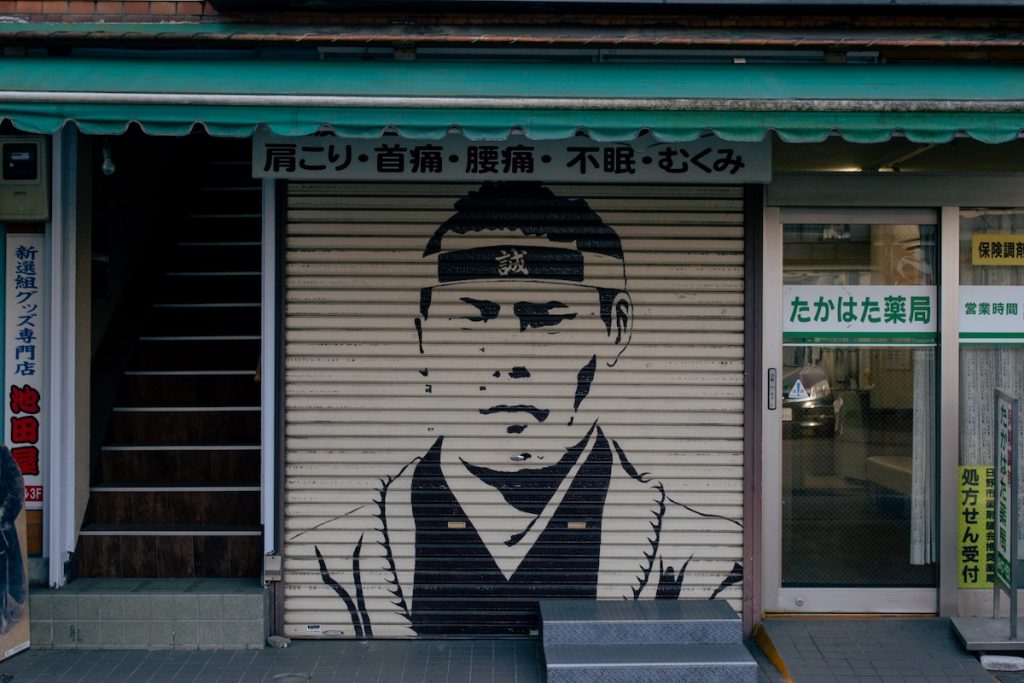
The temple is also connected to Hijikata Toshizo, the vice commander of the Shinsengumi. Born in Hino, he became one of the most important figures of the final years of the Edo period. The Shinsengumi was a group that supported the Tokugawa shogunate in Kyoto during a time of political unrest, and Hijikata became known for his discipline, determination, and loyalty to the shogunate. He continued fighting after the shogunate fell and died in Hokkaido in 1869.
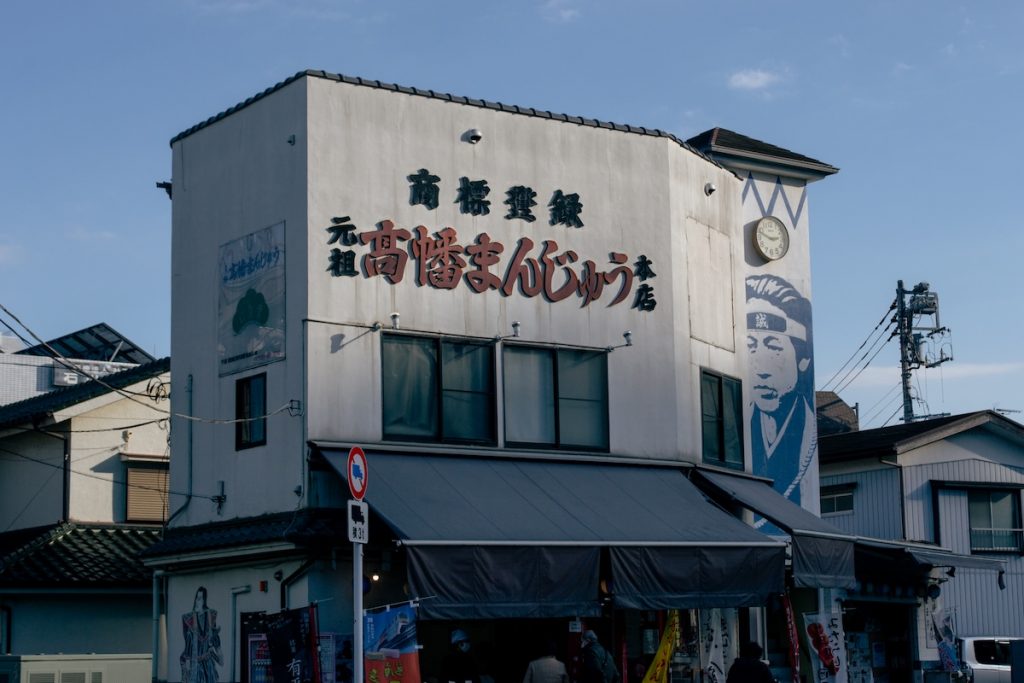
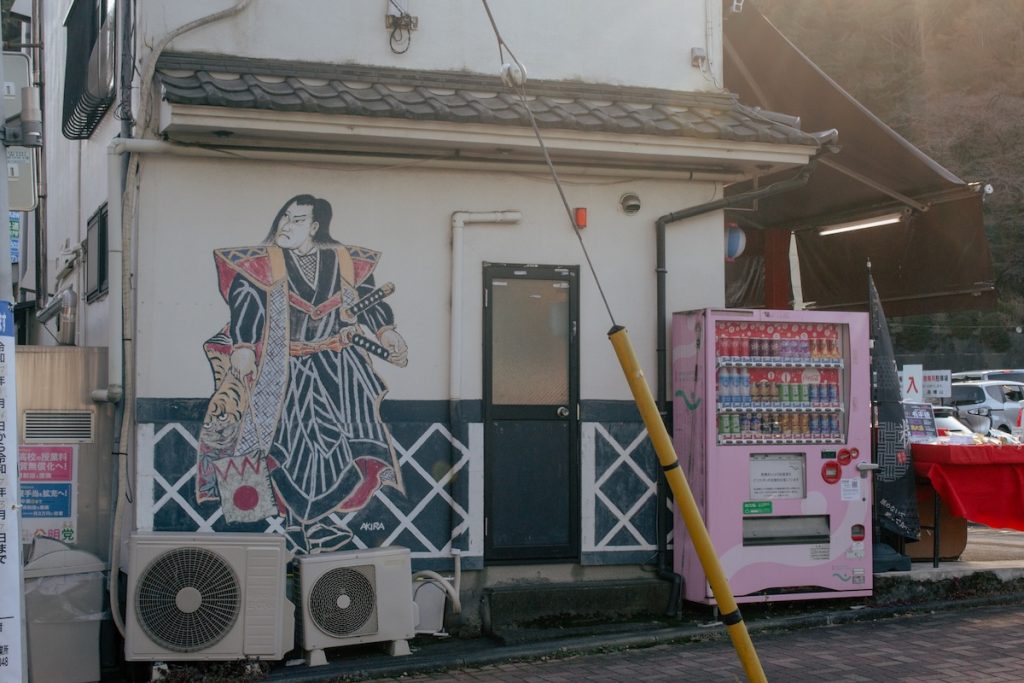
Takahata Fudoson is known as Hijikata’s family temple, which gives the visit another layer of meaning if you are interested in samurai history and the Meiji Restoration. You will also notice that his presence is still felt in the area around the temple. Look out for portraits and references to Hijikata on shopfronts, walls, and local signs. They are a reminder that Hino is not only a quiet western Tokyo neighborhood, but also the hometown of one of Japan’s most remembered samurai figures.
What Makes Takahata Fudoson Special?
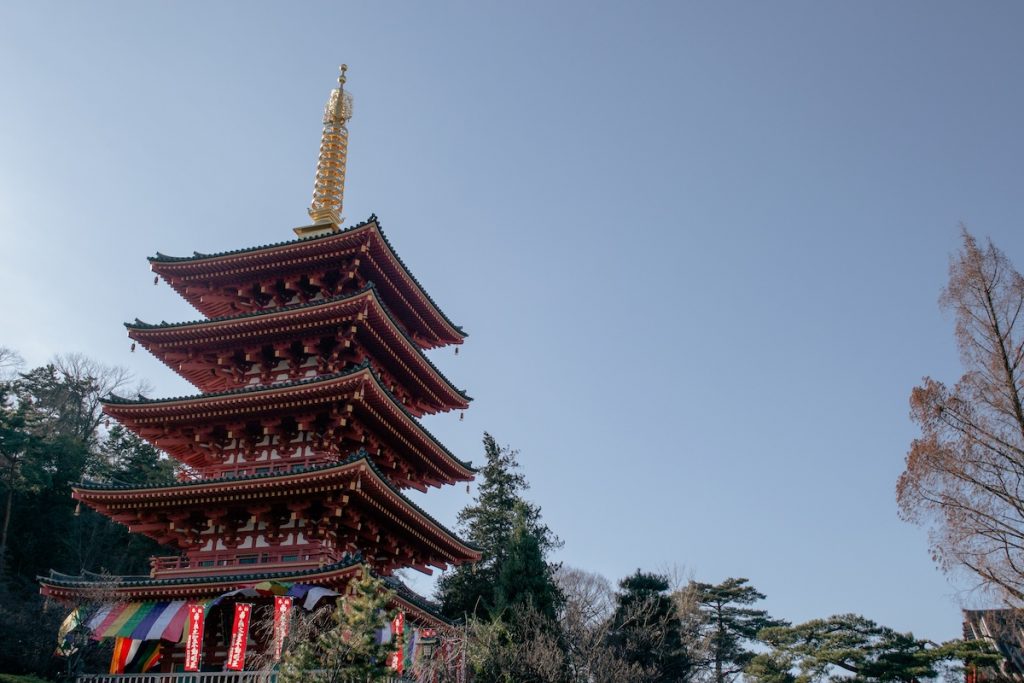
The first thing you notice at Takahata Fudoson is that the grounds have room to breathe. Many temples in central Tokyo are surrounded by traffic, shops, and crowds. Here, there is more space between the buildings, more trees, and more reason to wander without a strict plan.
The five-storey pagoda is the visual highlight. Rising above the temple grounds, it gives Takahata Fudoson a distinctive silhouette that feels especially beautiful with fresh green leaves, autumn colors, or a clear winter sky.
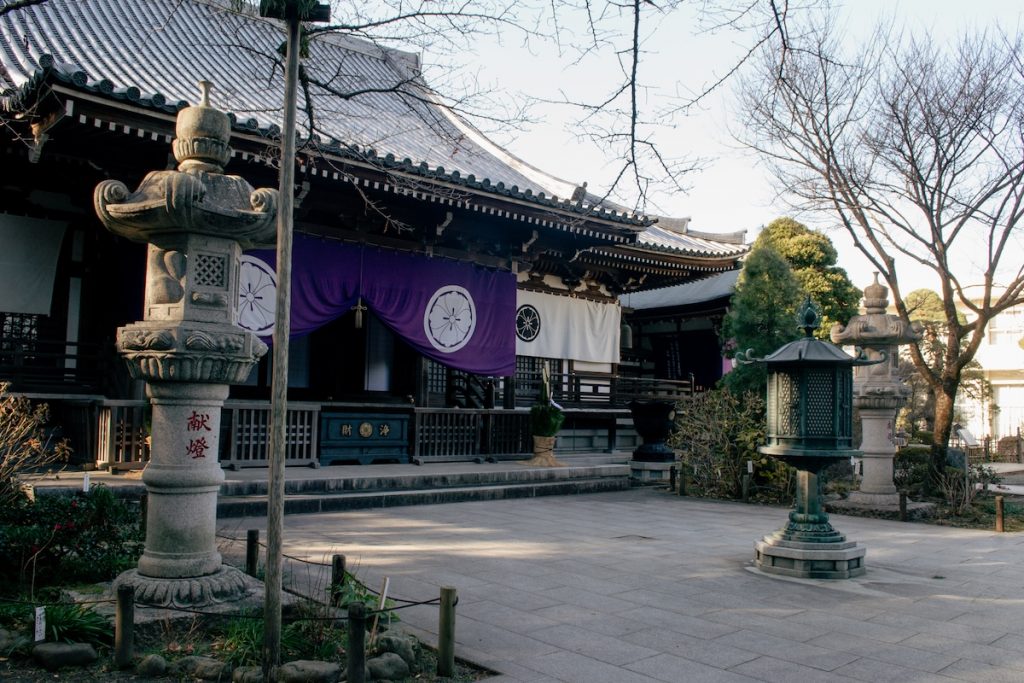
There are historic halls, smaller shrines, stone markers, and quiet paths throughout the grounds, but I would not try to see everything too quickly. The pleasure of visiting comes from taking your time. Pause near the pagoda, look around the main temple area, and let yourself follow the paths that catch your attention.
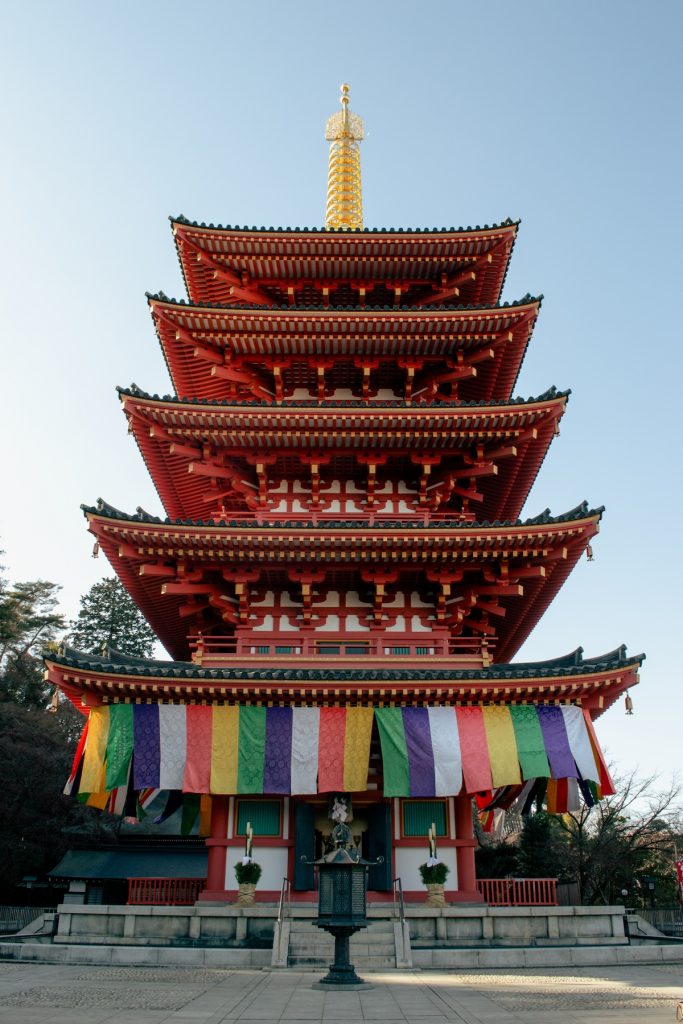
It is a good temple for travelers who enjoy culture but do not necessarily want a long history lecture. You can understand that the place is important simply by being there, watching people pray, hearing the bells and chanting, and seeing how naturally the temple buildings sit within the trees.
Join a Goma Fire Ritual
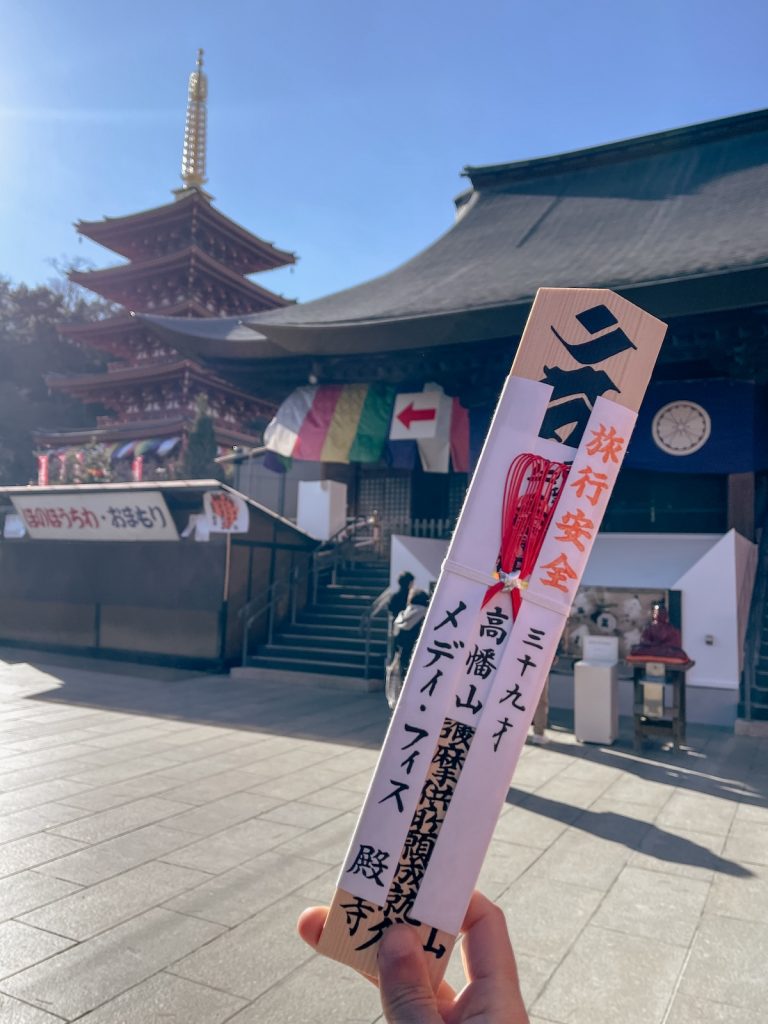
One of the most memorable things you can do at Takahata Fudoson is join an ogoma, a Buddhist fire ritual. This is a real temple ceremony, not a performance for tourists, and it gives visitors a deeper connection to the place.
During the ritual, monks burn special wooden sticks called gomagi in front of Fudo Myoo. The fire represents the wisdom of Fudo Myoo, while the wood represents worldly worries and obstacles. The ceremony is held to pray for intentions such as safe travel, good health, protection, success, or peace at home.
You can apply on the day of your visit and sit inside during the ceremony. The temple asks visitors to complete registration around 10 minutes before it begins. Afterward, you receive a goma fuda, a blessed wooden prayer plaque with your prayer intention. You can take it home and keep it respectfully as a reminder of your visit and prayer.
The ritual is a meaningful experience even if you are not Buddhist. You do not need to understand every word to appreciate the rhythm of the chanting, the sound of the drums, and the intensity of the fire. If you are curious, I think it is one of the best ways to experience a more personal and living side of temple culture in Tokyo.
Walk the Shikoku 88 Temple Pilgrimage Path
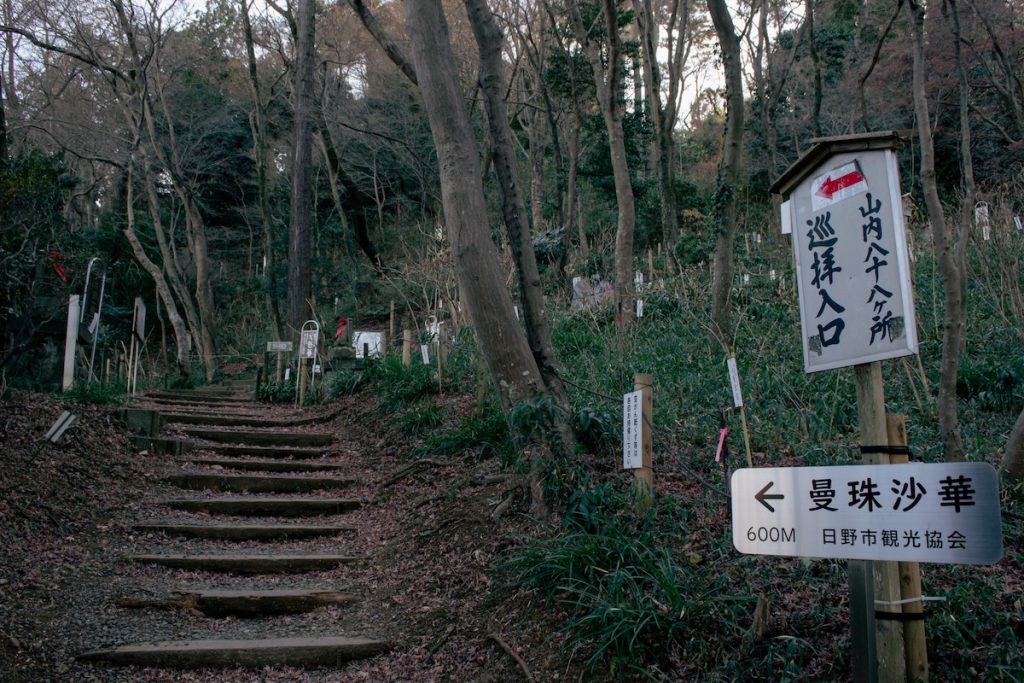
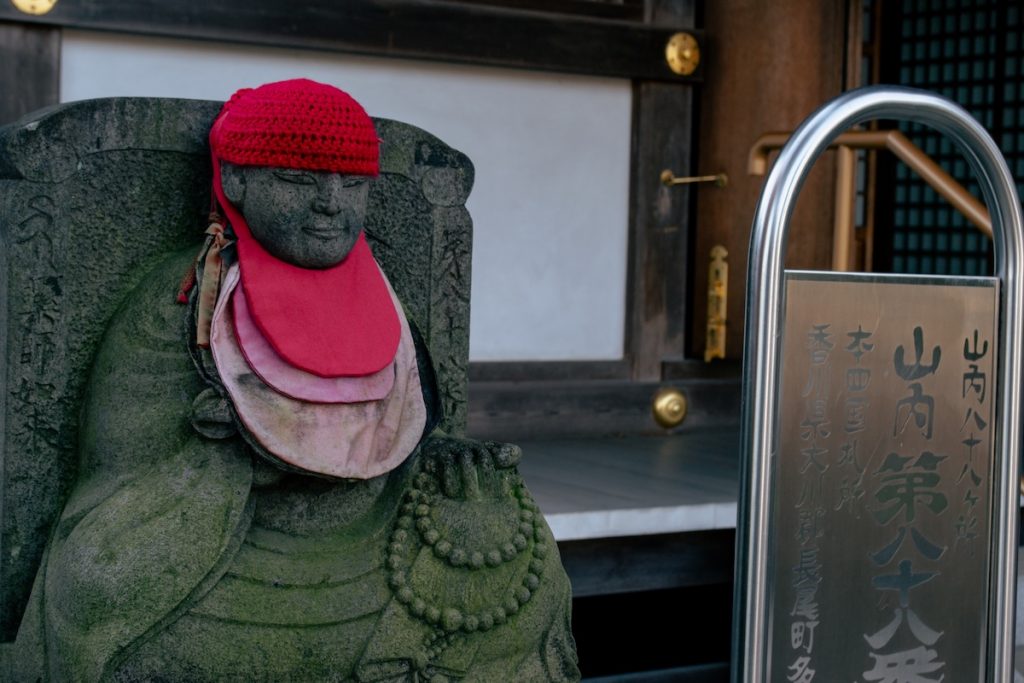
Behind the main temple grounds, a hillside path recreates the spirit of the famous Shikoku 88 Temple Pilgrimage. It is called the San’nai Hachijuhakkasho, meaning the temple’s own 88-site pilgrimage route.
The route was established in 1909 and follows a wooded slope behind the pagoda. Along the way, you will find 88 stone statues of Kobo Daishi, also known as Kukai, the founder of Shingon Buddhism. Each statue represents one of the temples on the original Shikoku pilgrimage.
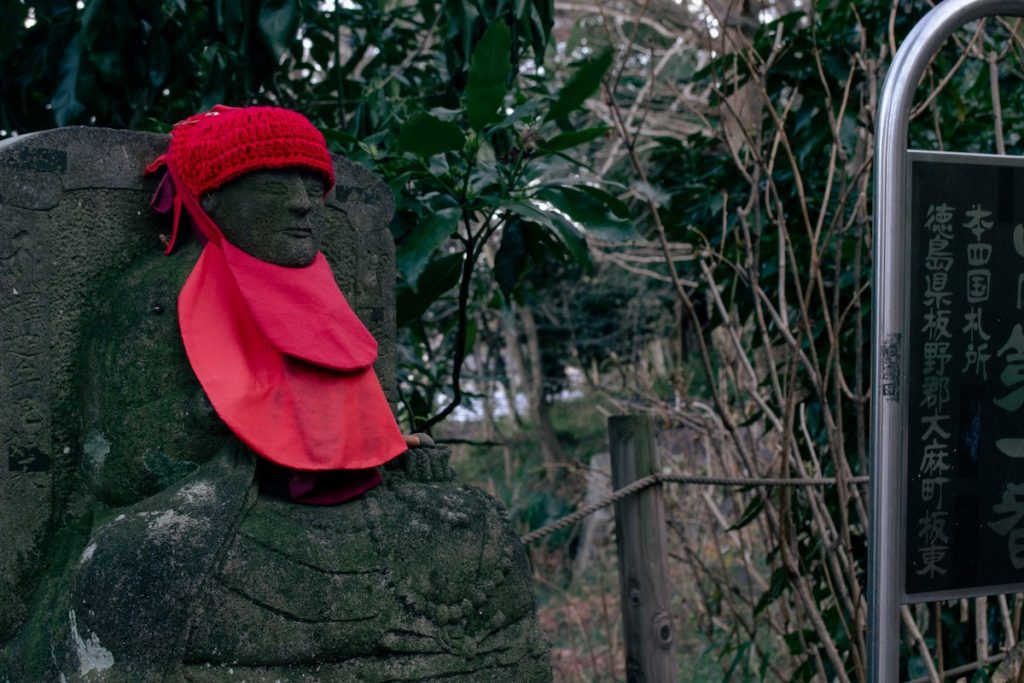
You do not need to treat it as a formal pilgrimage to enjoy it. It is a peaceful walk through the trees, with numbered statues, small steps, and changing views of the temple grounds below. The route ends near Daishi-do, where you can find an osunafumi stone containing sand connected to the 88 pilgrimage temples in Shikoku. Traditionally, stepping on it is believed to bring the merit of completing the full pilgrimage.
Allow around 1 hour to complete the route at a relaxed pace. It is not a difficult hike, but there are slopes, stairs, and uneven paths, so comfortable shoes are important. It is best to avoid the route after heavy rain.
This is one of the reasons Takahata Fudoson feels different from many temples in Tokyo. You can visit the main grounds in a short time, but if you have an extra hour, the pilgrimage route turns the visit into something slower and more memorable.
Best Time to Visit Takahata Fudoson

The temple is worth visiting throughout the year, but each season has a different feeling.
June for Hydrangeas
June is one of the most popular times to visit. Hydrangeas bloom around the hillside pilgrimage route, adding soft blue, purple, pink, and white color to the wooded paths. The temple’s hydrangea season is usually held throughout June.
Weekends can be busy during this period, so go in the morning if you want a calmer walk.
September for Red Spider Lilies
In early autumn, red spider lilies appear around the pilgrimage route. The bright red flowers look beautiful against the deep green of the trees and make this a good time to visit if you prefer fewer crowds than in June.
Autumn for Foliage
Autumn is a lovely time for a longer walk around the grounds. The weather is cooler, the trees begin to change color, and the pagoda looks especially striking against the autumn leaves.
Winter for a Quiet Visit
Winter is peaceful outside the New Year period. The trees are more open, the air is clear, and it is easier to appreciate the temple architecture without the seasonal crowds.
How to Get to Takahata Fudoson
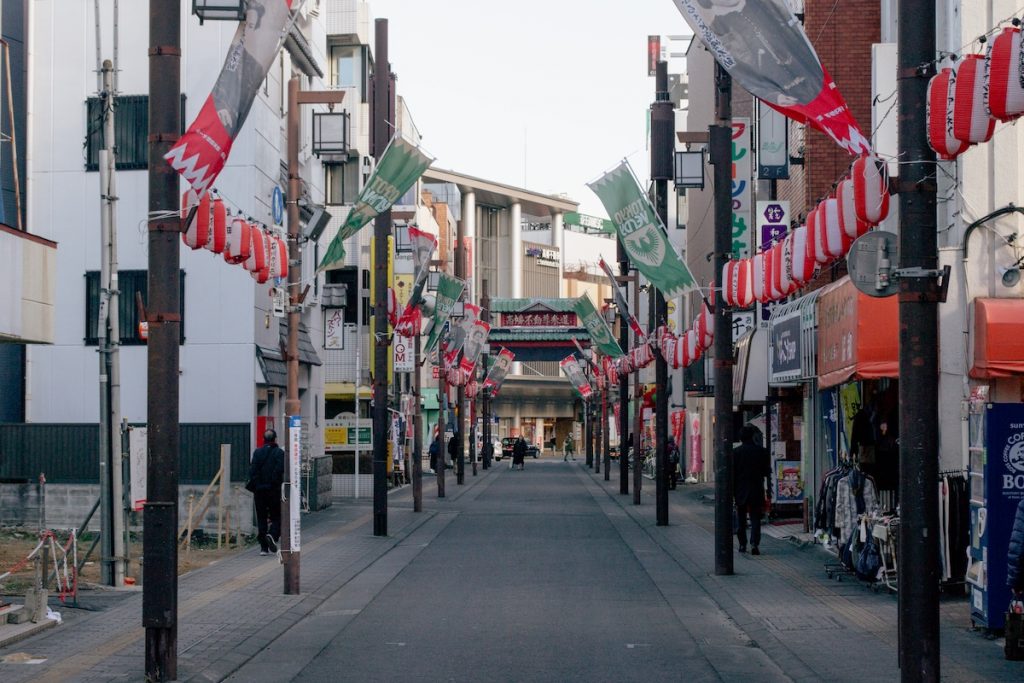
Takahata Fudoson is easy to reach from central Tokyo.
The nearest station is Takahatafudo Station, served by the Keio Line and the Tama Monorail. From the station, the temple is about a 5-minute walk. From Shinjuku, take the Keio Line toward Takahatafudo. The journey usually takes around 35 to 45 minutes, depending on the train.
This makes Takahata Fudoson a good half-day trip. Plan around 1 to 1.5 hours for the main grounds, or around 2 to 2.5 hours if you want to join a goma ritual or complete the pilgrimage route.
Practical Info
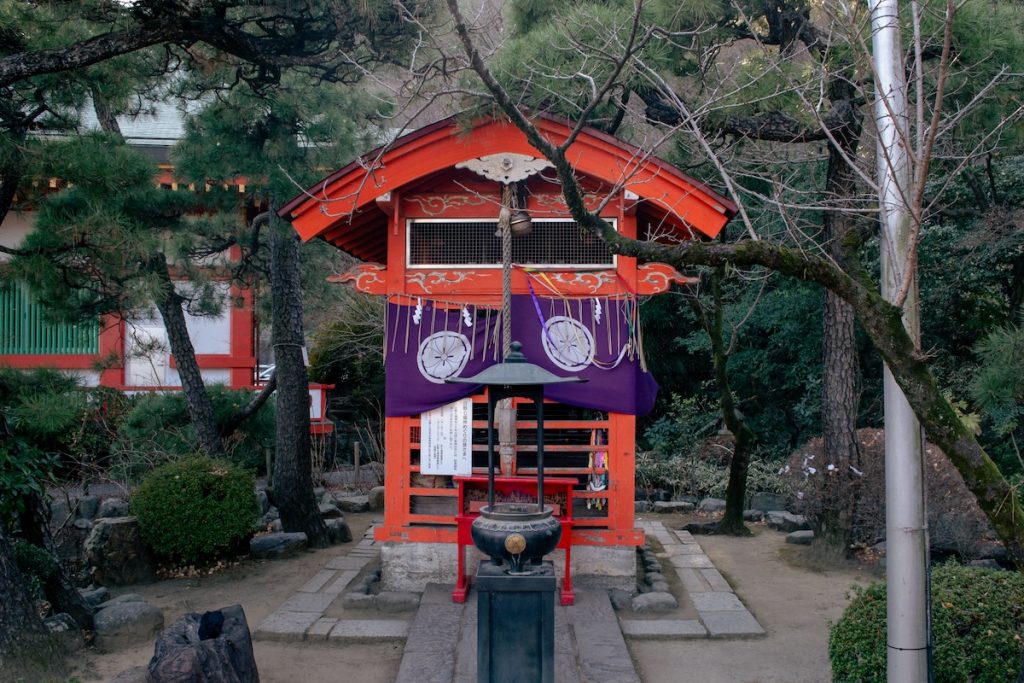
- Name: Takahata Fudoson Kongoji
- Japanese name: 高幡不動尊金剛寺
- Area: Hino, western Tokyo
- Address: 733 Takahata, Hino, Tokyo
- Nearest station: Takahatafudo Station, Keio Line and Tama Monorail
- Walking time from station: Around 5 minutes
- Entry fee: Free for the temple grounds and pilgrimage route
- Goma fire ritual: Available daily, with same-day registration required
- Goma prayer fee: From ¥5,000
- Recommended visit duration: 1 to 1.5 hours, or around 2.5 hours with the pilgrimage route
- Best season: June for hydrangeas, September for red spider lilies, and autumn for foliage
- Good for: History, Buddhist culture, seasonal flowers, quiet walks, and Shinsengumi history
- Opening times, ritual schedules, and seasonal conditions can change, so check the official Takahata Fudoson website before you visit.
FAQs About Takahata Fudoson
Is Takahata Fudoson worth visiting?
Yes. Takahata Fudoson is worth visiting if you want a historic temple with a quieter, greener atmosphere than many central Tokyo sights. The five-storey pagoda, seasonal walking paths, and fire ritual make it feel like a complete experience.
How long does the Shikoku 88 Temple Pilgrimage path take?
Allow around 1 hour at a comfortable pace. The route has slopes and steps, so take your time and wear comfortable shoes.
Can visitors join the goma fire ritual?
Yes. Visitors can apply on the day, sit in the hall during the ceremony, and receive a blessed goma fuda prayer plaque afterward. Register around 10 minutes before the ritual begins.
Is Takahata Fudoson free to enter?
The main grounds and the pilgrimage route are free. The goma ritual and some inner temple areas have separate fees.
When do the hydrangeas bloom at Takahata Fudoson?
Hydrangeas usually bloom in June. The exact timing depends on the weather, so check the temple’s official updates before going.
Can you visit Takahata Fudoson from Shinjuku?
Yes. It is easy to reach from Shinjuku on the Keio Line in around 35 to 45 minutes, making it a simple half-day trip from central Tokyo.
Conclusion
Takahata Fudoson is a good reminder that you do not have to travel far from central Tokyo to find a place with a slower rhythm. Its historic atmosphere, five-storey pagoda, hillside pilgrimage route, and active Buddhist ceremonies make it much more than a quick temple stop.
Come with enough time to walk around without rushing. If you are curious, join the goma fire ritual. If the weather is good, take the 88-statue pilgrimage path through the trees. It is a simple visit, but one that can easily become one of the more memorable cultural experiences of a Tokyo trip.
If you want to visit other interesting temples in Tokyo, you should also check out Gotokuji temple, Nezu shrine or also Jorenji temple and its Daibutsu.
Article written by Mehdi, Tokyo-based photographer from Photo Trips